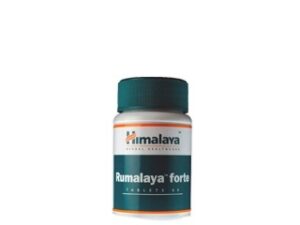
Rumalaya: Patient-Friendly Guide for Customers in Australia
Rumalaya is an oral herbal medicine widely used in Australia and other countries for the relief of painful, inflammatory conditions. This page is designed to help you understand what Rumalaya is, what it may do in the body, how it’s typically taken, and what to consider for safety and effectiveness.
Always read the product label and the consumer information leaflet (if provided) before use. If you are unsure whether Rumalaya is suitable for you, speak with a pharmacist or healthcare professional.
Quick Summary
- What it is: An oral herbal medicine used for pain and inflammation symptoms.
- Common uses: Relief of aches and pains associated with musculoskeletal discomfort.
- How to take: Typically taken by mouth at regular times; follow the dose on your pack.
- Food & alcohol: Some herbal medicines can be affected by food and alcohol; see details below.
- Safety: Generally well tolerated for many people, but side effects and interactions can occur.
- Australia: Availability depends on local listing and supply; products may vary by brand and formulation.
Basic Product Information
Brand: Rumalaya
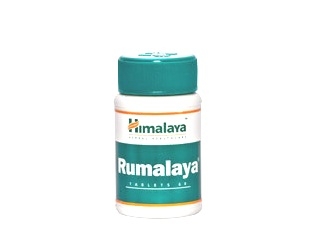
Type: Oral herbal medicine (tablets/capsules or similar oral dosage form depending on the specific product sold).
Therapeutic aim: Temporary relief of pain and inflammation-related discomfort.
Rumalaya products may have slightly different formulations across markets. In Australia, you should confirm the exact product you’re purchasing by checking:
- The active ingredients listed on the pack
- The strength per tablet/capsule
- The recommended dose and frequency written on the label
- Any warnings or contraindications listed for your specific formulation
How Rumalaya Works (Mechanism of Action)
Rumalaya is a multi-ingredient herbal product. While individual ingredients can vary by formulation, herbal pain-relief products used for inflammatory discomfort typically aim to:
- Reduce inflammatory signalling involved in pain and swelling
- Support circulation to affected tissues (where relevant)
- Act as analgesic/anti-inflammatory agents to help decrease tenderness and stiffness
- Support joint comfort as part of an overall management approach
In general, herbal mixtures may exert effects through multiple pathways, rather than a single targeted mechanism. This is why Rumalaya is often used as part of day-to-day symptom management.
Pharmacokinetics: How the Body Processes It
“Pharmacokinetics” describes what happens to a medicine after you take it—absorption, distribution, metabolism, and elimination. For complex herbal products, detailed pharmacokinetic data may not be fully characterised for every ingredient in every formulation.
What you can usually expect for oral herbal medicines like Rumalaya is:
- Absorption: Active compounds are absorbed through the digestive tract, though the rate may vary depending on the ingredients and your stomach contents.
- Distribution: Compounds may distribute into tissues, including areas affected by inflammation and pain.
- Metabolism: Many herbal constituents are metabolised in the liver and other tissues.
- Elimination: Metabolites are eliminated via urine and/or bile.
Because herbal products contain multiple compounds, their overall effects may build over several doses and may feel more noticeable after consistent use.
Typical Use and Indications
Rumalaya is used for symptom relief in conditions where pain and inflammation are key features. People commonly use it for:
- Musculoskeletal discomfort such as aches and pains
- Joint stiffness and discomfort associated with everyday wear-and-tear
- Back, shoulder, and limb pain related to muscle strain or minor inflammatory conditions
- Temporary relief of pain and swelling symptoms
Your pack may include specific indications aligned to how the product is registered or supplied in Australia. Always follow those directions and consult a healthcare professional if symptoms persist or worsen.
| Purpose | What it may help with | Important note |
|---|---|---|
| Pain relief | Temporary reduction in aches, soreness, and discomfort | Not intended as a cure for an underlying disease. |
| Inflammation support | Symptoms related to inflammation and swelling | Results can vary between individuals. |
| Mobility comfort | Stiffness and day-to-day movement comfort | Use alongside gentle activity and appropriate therapies. |
How and When to Take Rumalaya (Timing & Routine)
Timing depends on your product’s label instructions and your symptom pattern. A common approach for oral pain relief herbal medicines is to take doses at consistent times each day.
Follow the dose and frequency on your pack. If you’re not sure how to take your specific Rumalaya product, ask a pharmacist.
- Take at the same times daily: Helps maintain consistent levels of active herbal constituents.
- Allow time to assess effect: Many people evaluate benefit after several days of consistent use.
- Use for short-term discomfort when appropriate: If symptoms persist beyond the expected timeframe, seek advice.
If you miss a dose, take it when you remember—unless it’s close to your next dose. In that case, skip the missed dose and continue normally. Do not take double doses.
Food Interactions (What to Eat or Avoid)
Herbal medicines can be influenced by food in different ways, mainly by changing:
- Absorption (for example, with fatty meals or different meal timing)
- Stomach emptying (which can affect how quickly the medicine begins to act)
- Gastrointestinal tolerance (some people feel more comfortable taking certain products with food)
As a practical guide:
- Take with food if you get stomach upset: Many people find herbal tablets/capsules are easier to tolerate with meals.
- Avoid abrupt changes in diet: If you start Rumalaya, keeping your usual routine may help you judge its effect.
- Check your label: Some products specify “with meals” or “after meals.” Follow that instruction.
If you take other medicines for chronic conditions (for example, for blood thinning, diabetes, or heart conditions), discuss potential interactions with a pharmacist, especially if you notice unusual symptoms after starting Rumalaya.
Alcohol and Medicine Interactions
Alcohol can affect how safe and tolerable a medicine feels and may worsen stomach irritation or dizziness in some people. For herbal products like Rumalaya, it’s best to use caution when combining with alcohol.
Alcohol
- Moderation recommended: Limit alcohol while taking Rumalaya.
- Watch for adverse effects: If you notice nausea, stomach discomfort, dizziness, or headaches, avoid alcohol and seek advice.
Other medicines
Because Rumalaya may contain multiple herbal ingredients, interaction risks can depend on your medication list. Always review the product label and consider pharmacist advice if you take:
- Blood-thinning medicines (anticoagulants/antiplatelets)
- Diabetes medicines (to monitor for changes in glucose control)
- Blood pressure or heart medicines
- Immunosuppressant medications (for people with autoimmune conditions or transplant medications)
- Other anti-inflammatory or pain medicines (including NSAIDs)
If you’re also using other pain-relief products (such as anti-inflammatories), talk to a pharmacist to help prevent duplication of effects and to reduce the chance of stomach side effects.
Dosing: How Much to Take
Important: Dosing for Rumalaya depends on the specific formulation you purchase. Always use the dose written on your pack.
A typical approach for oral herbal pain relief products is:
- Adults: Follow the label dose and frequency (often one to several times daily depending on formulation).
- Children and adolescents: Only use if the product label explicitly states it is suitable for the age group. If not specified, ask a pharmacist.
- Older adults: Usually follow adult dosing unless your healthcare professional advises otherwise.
If you have liver or kidney conditions, you may require additional caution. Discuss with a clinician or pharmacist if you fall into a higher-risk group.
Safety Profile and Side Effects
Many people tolerate Rumalaya well, especially when used as directed. However, no medicine is completely risk-free.
Common side effects
Potential side effects (not everyone will experience them) may include:
- Gastrointestinal discomfort such as nausea, mild stomach upset, or indigestion
- Heartburn or bloating
- Mild headache in some individuals
- Loose stools in a minority of users
Serious side effects (seek urgent advice)
Stop use and seek medical help immediately if you develop signs of a serious reaction such as:
- Allergic symptoms (swelling of face/lips, difficulty breathing, severe rash, hives)
- Severe or persistent abdominal pain
- Yellowing of skin/eyes (jaundice) or dark urine
- Unusual bleeding or bruising if you’re on blood-thinning medication
Who should be cautious
- Pregnancy and breastfeeding: Consult a healthcare professional before use, as safety data may be limited.
- Children: Only use if clearly permitted on the label for the child’s age.
- Allergies: If you have known allergies to any ingredient, avoid using the product.
- Liver/kidney disease: Herbal medicines may require careful use in people with significant organ impairment.
- Ongoing medical conditions: If you manage chronic illness, pharmacist review is recommended.
Practical Use Tips (To Improve Comfort and Results)
- Start consistently: Take Rumalaya at the same time(s) daily for the first week to assess response.
- Use alongside gentle movement: For aches and stiffness, light stretching and normal daily activity often support mobility.
- Check your technique: If your pain is related to strain, consider ergonomic changes (posture, lifting technique, workstation height).
- Track symptoms: Note pain level, stiffness, and mobility improvement over 3–7 days.
- Don’t exceed the label dose: More is not always better and may increase side effects.
- Reassess if no benefit: If you notice no improvement after a reasonable trial, speak to a pharmacist.
Alternative Options (If You Need Another Approach)
Depending on the cause of your pain, other approaches may be more suitable. Alternatives include:
- Other herbal anti-inflammatory products (with different ingredient profiles)
- Pain relief medicines available in Australia such as paracetamol for pain (where appropriate)
- Anti-inflammatory medicines (NSAIDs) (where appropriate and safe for you—these can have important stomach/kidney considerations)
- Topical options such as gels or creams for localised aches (helpful for some people)
- Physiotherapy and exercise-based management for persistent musculoskeletal pain
- Heat/cold therapy for muscle soreness or stiffness
If your symptoms include swelling, redness, fever, or sudden severe pain, seek medical advice rather than relying only on self-treatment.
Market & Legal Context in Australia
In Australia, access to medicines is regulated by the Therapeutic Goods Administration (TGA). Herbal medicines and natural health products may be available as listed products or through specific approvals, depending on the ingredient set and claims.
For Rumalaya products sold in Australia, the key considerations generally include:
- Product listing status: Whether the exact formulation is included under the appropriate TGA category.
- Label instructions: The approved consumer information, warnings, and recommended use.
- Claims: The product label and marketing materials must align with permitted indications and wording.
- Batch quality and supply: Licensed wholesalers/importers help ensure product authenticity.
Always choose products sold by reputable suppliers and ensure the packaging is intact and clearly labelled.
Recent Guidance and What to Watch For
Guidance for non-prescription and herbal products can evolve as regulators update safety and quality requirements. While specific “recent guidance” can differ by ingredient, the following general reminders apply in Australia:
- Follow label dosing closely and avoid stacking multiple pain products with similar effects.
- Be cautious with long-term use: If you need ongoing pain relief, speak to a healthcare professional to address the underlying cause.
- Report side effects: If you experience unexpected symptoms, stop use and seek advice.
- Check expiry dates and storage instructions to maintain quality.
If you want, share your product’s ingredient list and your current medications with a pharmacist for a tailored safety check.
Delivery and Availability in Australia
Availability of Rumalaya can depend on brand-specific supply, stock levels, and import timelines. Online pharmacies typically offer:
- Fast dispatch when in-stock
- Transparent shipping timelines at checkout
- Secure packaging to protect tablets/capsules during transit
- Customer support if you need help locating the correct strength or formulation
Delivery estimates vary by location (metro vs. regional areas). Check the product page for:
- Current stock status
- Estimated delivery time
- Delivery fees
- Any order cut-off times
If your purchase is time-sensitive, contact us before ordering to confirm current availability.
FAQ About Rumalaya
1. What is Rumalaya used for?
Rumalaya is generally used for temporary relief of pain and inflammation-related discomfort, especially musculoskeletal aches and stiffness. Your exact indications may vary by formulation—check the label for details.
2. How long does it take to work?
Some people notice symptom relief within a few days, while others need a longer consistent trial. Evaluate your response after several doses, and if symptoms don’t improve, talk to a pharmacist.
3. Can I take Rumalaya with food?
In many cases, yes. If you have sensitive digestion, taking it with meals may improve tolerability. Always follow the “with meals/after meals” guidance on the label.
4. Can I drink alcohol while using Rumalaya?
It’s safest to limit alcohol. Alcohol can worsen stomach irritation and may affect how you feel while taking any oral medicine. If you notice side effects, avoid alcohol and seek advice.
5. What if I miss a dose?
Take it when you remember unless it’s close to the next scheduled dose. Don’t double up.
6. Who should not use Rumalaya?
Avoid use if you have known allergies to any ingredient. Extra caution is needed for pregnancy, breastfeeding, children, and people with significant liver or kidney conditions. If unsure, speak with a pharmacist.
7. Are there interactions with other medicines?
Possible interactions depend on the ingredients and your other medicines. Tell a pharmacist about all your medications and supplements—especially blood thinners, diabetes medicines, and other anti-inflammatories.
8. Can Rumalaya replace physiotherapy or exercise for joint pain?
Rumalaya may help with symptom relief, but it’s usually not a substitute for addressing the root cause. For persistent pain, a combination of activity, strengthening, and professional assessment often provides the best long-term outcomes.
9. Should I stop Rumalaya if my symptoms improve?
Many people use such products for short-term symptom relief and stop when they feel better. If you plan ongoing use, it’s wise to discuss with a pharmacist to ensure it remains appropriate for you.
10. Where can I find the exact dose for my product?
Look at the dosing instructions printed on your Rumalaya pack. If you purchased a different strength or formulation, the dose may not be identical.
Need More Help?
If you have questions about Rumalaya—such as whether it’s suitable alongside your current medications or how to use it for your specific symptoms— contact our pharmacy team. We can help you choose the right option and understand safe use based on your individual circumstances.