
Tamoxifen (Tamoxifen Citrate) — Patient-Friendly Guide (Australia)
Tamoxifen is a well-known medicine used to treat and reduce the risk of certain hormone-dependent cancers. It works by blocking the effects of oestrogen in breast tissue, helping slow or stop the growth of cancer cells that rely on oestrogen. This guide is designed to be clear and practical, with information about how Tamoxifen works, how the body handles it, common uses, how to take it safely, and what to expect.
Important: The information below is general. Your prescriber may tailor your plan based on your specific diagnosis, cancer stage, other health conditions, and other medicines you take.
Quick facts
| Topic | Summary |
|---|---|
| Generic name | Tamoxifen (typically tamoxifen citrate) |
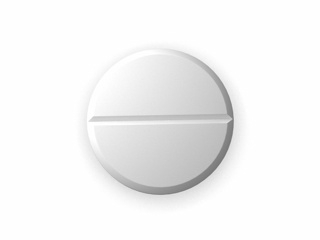
| Common strengths | Often available as 10 mg and 20 mg tablets (varies by product) |
| Medicine class | Selective oestrogen receptor modulator (SERM) |
| Main effect | Blocks oestrogen receptors in breast tissue |
| Typical uses | Breast cancer treatment and risk reduction in selected patients |
| How it’s taken | By mouth, usually once daily (exact schedule depends on indication) |
| Time to effect | May take weeks to months for the full clinical effect; benefits depend on your treatment plan |
| Key interactions | Certain antidepressants (especially strong CYP2D6 inhibitors), some other medicines affecting liver enzymes |
| Common side effects | Hot flushes, nausea, tiredness, changes in periods (where relevant), vaginal dryness/irregular bleeding |
What is Tamoxifen?
Tamoxifen is an oral medicine belonging to the drug class called SERMs (Selective Oestrogen Receptor Modulators). Unlike pure oestrogen blockers, SERMs can have different effects in different tissues. In breast tissue, Tamoxifen generally acts as an antagonist (blocks oestrogen’s growth signals), which is helpful in hormone receptor–positive breast cancer. In some other tissues, it can act more like a partial oestrogen agonist.
In Australia, Tamoxifen is widely used in oncology settings and is generally supplied in tablet form.
How Tamoxifen works (mechanism of action)
Tamoxifen works mainly by:
- Blocking oestrogen receptors in breast cells, preventing oestrogen from binding and activating pathways that promote tumour growth.
- Reducing tumour-driven oestrogen signalling in tissues where cancer cells depend on hormone receptors.
- Influencing hormone-related changes within the body, which may contribute to both benefits and side effects (for example, effects on the uterus and changes in bleeding patterns).
Tamoxifen is converted in the liver to active metabolites. One important metabolite is endoxifen, which contributes substantially to its anti-cancer effect.
Pharmacokinetics (how the body handles Tamoxifen)
Pharmacokinetics describes how the body absorbs, distributes, metabolises, and eliminates a medicine.
Absorption
Tamoxifen is taken by mouth and is absorbed from the gastrointestinal tract. Food does not usually prevent absorption, but individual product instructions and your prescriber’s advice should be followed.
Distribution
Tamoxifen and its metabolites distribute throughout the body, including tissues involved in its intended effects.
Metabolism
Tamoxifen is primarily metabolised in the liver. Enzymes in the CYP (cytochrome P450) system play a key role, particularly CYP2D6. Some medicines can reduce the formation of active metabolites, potentially lowering Tamoxifen’s effectiveness.
Elimination
Tamoxifen has a long duration in the body. Metabolites may persist for weeks. This is one reason interactions and adherence over time matter.
What this means for you: Tamoxifen can remain in the system for a long time. If you miss a dose or start/stop another medicine, the timing of interactions and side effects may not be immediate.
Typical use in Australia
Tamoxifen is used for certain categories of breast cancer where hormones are involved, and in some cases to reduce the risk of developing breast cancer in high-risk individuals. The exact indication depends on your receptor status, treatment history, menopausal status, and overall care plan.
Common indications (what it treats)
- Hormone receptor–positive breast cancer (often described as oestrogen receptor positive, ER+).
- Adjuvant treatment (to help reduce recurrence after initial treatment such as surgery).
- Risk reduction in selected people at higher risk of developing certain types of breast cancer.
- Metastatic or advanced disease where hormone receptor status indicates Tamoxifen may be beneficial.
Your clinician will decide whether Tamoxifen is appropriate based on tumour characteristics and overall strategy, including whether other therapies are planned.
Dosing and timing
Dosage varies depending on the indication and your treatment plan. Common dosing patterns include once-daily schedules, but your exact dose should follow the instructions provided with your product and your clinician’s advice.
How to take Tamoxifen
- Take it at the same time each day to help maintain steady levels.
- Swallow the tablet whole with water. Do not crush or split unless your product instructions say it’s safe to do so.
- If you miss a dose, follow your pharmacy or product guidance. A general approach is: take it when remembered unless it’s close to the next dose. Do not double up.
Timing with respect to meals
Tamoxifen can generally be taken with or without food. Taking it with food may help reduce nausea for some people. If you consistently feel unwell after a dose, you can discuss adjusting timing or food approach with your pharmacist.
How long you take it
Treatment duration can be months to years depending on the reason you’re taking Tamoxifen. For risk reduction or adjuvant therapy, long courses are common. For the best results, it’s important not to stop early without professional advice.
Food interactions
Food is not usually a major issue with Tamoxifen. However, individual tolerance varies. Some patients find that taking Tamoxifen with a meal reduces gastrointestinal upset.
Although no specific foods are universally “banned,” it’s wise to consider:
- Grapefruit and grapefruit juice are often discussed with many medicines, but the interaction risk depends on the medicine. For Tamoxifen, the more significant concern is usually other medicines that affect liver enzymes (particularly CYP2D6).
- Maintain a consistent eating pattern and hydration, especially if you experience nausea or appetite changes.
If you regularly consume supplements or special diets (including herbal products), mention these to your healthcare team.
Alcohol and medicine interactions
Alcohol use should be discussed with your clinician, particularly if you have liver conditions, elevated liver enzymes, or other health concerns. In general, moderate alcohol intake may be tolerated, but alcohol can worsen side effects such as:
- nausea or reflux
- fatigue
- mood changes
Medicine interactions that may be important
The key interaction class for Tamoxifen involves the liver enzyme CYP2D6. Some medicines strongly inhibit CYP2D6 and can reduce conversion to active metabolites (which may reduce Tamoxifen effectiveness).
Common examples include certain antidepressants and other drugs. Because the list of interacting medicines can change and depends on dosage and formulation, always check with your pharmacist.
- Certain antidepressants (especially strong CYP2D6 inhibitors) — ask your pharmacist for guidance.
- Some other medicines that affect CYP enzymes.
- Herbal products — particularly those that affect liver enzymes or neurotransmitter systems. Examples may include supplements used for mood or sleep.
Bring a full list of your medicines (including over-the-counter products and supplements) when you receive Tamoxifen. If you start a new medicine later, re-check for interactions.
Safety profile and side effects
Like all medicines, Tamoxifen can cause side effects. Many people experience manageable effects, while a smaller number develop more serious complications. Knowing what’s common and what to watch for helps you get prompt advice if needed.
Common side effects
- Hot flushes
- Nausea, indigestion
- Tiredness or reduced energy
- Headaches (sometimes)
- Changes to menstruation (for people who menstruate), including irregular bleeding
- Vaginal dryness or discomfort
- Skin changes or rash (less commonly)
- Weight changes (variable)
Serious or urgent side effects (seek medical advice promptly)
Contact a healthcare professional urgently or seek emergency help if you develop any of the following:
- Symptoms of blood clots (for example, one-sided leg swelling or pain, sudden shortness of breath, chest pain, coughing blood).
- Severe or persistent abnormal vaginal bleeding, bleeding after menopause, or new pelvic pain. Tamoxifen can increase the risk of certain uterine problems.
- Visual changes (blurred vision, sudden vision loss, eye pain) — rare but important to assess.
- Signs of liver problems (yellowing of skin/eyes, dark urine, severe fatigue).
- Severe allergic reactions (swelling of face/lips, difficulty breathing, widespread rash).
Monitoring and follow-up
Your care team may recommend monitoring based on your situation, such as:
- regular clinical reviews for symptom and side effect assessment
- gynaecological evaluation if you experience abnormal bleeding
- assessment of risk factors for blood clots
- review of interacting medicines over time
Practical use tips
These strategies can help you use Tamoxifen more comfortably and safely:
Adherence tips
- Use a daily reminder (phone alarm, calendar, dosette box).
- Keep tablets in the original packaging and store them as directed on the label.
- If you travel, plan ahead so you don’t run out. Tamoxifen can be used long-term.
Managing common side effects
- Hot flushes: dress in layers, keep rooms cool, limit triggers (some people find spicy foods, caffeine, and alcohol can worsen symptoms), and discuss options with your pharmacist.
- Nausea: take with food, try smaller meals, and stay hydrated. If nausea persists, ask about supportive measures.
- Vaginal dryness: water-based lubricants or moisturisers may help; discuss options with a pharmacist or clinician.
- Fatigue: prioritise rest and gentle activity when possible; report severe or worsening fatigue.
Contraception and family planning
Tamoxifen can affect fertility and may be harmful to an unborn baby. If pregnancy is possible, discuss contraception and family planning with your clinician. If you are breastfeeding, seek advice before using Tamoxifen.
If your circumstances change (planned pregnancy, trying to conceive, new contraceptive method), inform your clinician promptly.
When to call for advice
- If you develop new or worsening abnormal bleeding
- If you experience signs of blood clots
- If you start a new medicine (including antidepressants or sleep aids)
- If you miss multiple doses and aren’t sure what to do
Alternative options
Treatment for hormone receptor–positive breast cancer can include several options depending on the stage and your menopausal status. Alternative therapies may include:
- Other endocrine (hormone) therapies such as aromatase inhibitors (used in specific circumstances, typically after menopause).
- Oestrogen receptor targeted therapies (in certain combinations and tumour profiles).
- Chemotherapy, radiotherapy, and targeted cancer treatments depending on cancer stage and characteristics.
The “best” alternative depends on receptor status, disease stage, prior treatment, side effect tolerance, and other risk factors. If you’re considering changes, always discuss with your oncology team.
Australia market and legal context
In Australia, Tamoxifen is a commonly listed medicine within the healthcare system and is generally supplied under regulated medicine frameworks. Online pharmacy supply typically follows Australian requirements for identification, product authenticity, and safe dispensing practices. Availability and supply may depend on stock, authorised suppliers, and your region.
Because Tamoxifen is used in cancer care, it is important that any dispensing process includes checks to support safe use, including confirming your details, ensuring appropriate product selection, and advising on safe handling and interactions.
Recent guidance and clinical updates (what to watch for)
In recent years, guidance in oncology has increasingly emphasised:
- Interaction awareness, particularly concerning CYP2D6 inhibitors that may affect Tamoxifen’s metabolism.
- Risk-benefit monitoring for uterine effects and thromboembolic (blood clot) risk.
- Individualised endocrine therapy selection, including choosing between Tamoxifen and alternative hormone therapies based on menopausal status and patient-specific factors.
Your healthcare team may adapt your plan based on the latest evidence, tumour profiling, and your tolerance of therapy.
Delivery, availability, and what to expect from an online pharmacy
Availability of Tamoxifen can depend on the specific brand and strength requested, as well as supply chain conditions. An online pharmacy typically works to maintain stock of commonly prescribed oncology medicines where possible.
Before ordering
- Check the strength (for example, 10 mg or 20 mg).
- Confirm the form (tablet strength and brand may vary).
- Ensure your details are correct to support safe dispensing.
Delivery considerations
- Delivery times vary based on your address and courier options.
- Some products may be dispatched in batches depending on stock.
- Keep tablets stored as directed on the pack (commonly at controlled room temperature, away from moisture and heat).
If you’re running low, order early—particularly if you need a long course and want to avoid interruptions.
FAQ (Frequently asked questions)
1) Can I take Tamoxifen with food?
Yes, Tamoxifen can generally be taken with or without food. If you experience nausea, taking it with a meal may be helpful. Follow the instructions on your pack and any specific advice from your pharmacist or clinician.
2) What should I do if I miss a dose?
If you miss a dose, take it when you remember unless it’s close to the next dose. Do not double up. If you’re unsure, contact your pharmacist for tailored advice based on your dosing schedule.
3) Can I drink alcohol while on Tamoxifen?
Moderate alcohol may be tolerated by some people, but it can worsen side effects such as nausea or fatigue. If you have liver concerns or other health risks, ask your clinician or pharmacist for guidance.
4) Are there medicines I should avoid?
Some medicines can interact with Tamoxifen, especially those affecting CYP2D6 metabolism. A common example involves certain antidepressants. Always tell your pharmacist about all medicines and supplements you use, including over-the-counter products.
5) How long does it take for Tamoxifen to work?
Tamoxifen’s full benefit may take weeks to months, depending on your condition and treatment plan. Continue taking it consistently as advised, and attend follow-up appointments to assess response and side effects.
6) Will Tamoxifen stop my periods?
It may affect menstrual cycle patterns, including irregular bleeding. Changes differ person to person. If bleeding is heavy, persistent, or occurs after menopause, seek prompt medical advice.
7) What symptoms require urgent medical attention?
Seek urgent help for possible blood clot symptoms (such as sudden shortness of breath, chest pain, or one-sided leg swelling), severe allergic reactions, sudden vision changes, or concerning abnormal vaginal bleeding.
8) Can I switch brands or strengths?
You should not change dose or brand without professional advice. Different strengths (e.g., 10 mg vs 20 mg) require different tablet counts. If a change is needed due to supply, your pharmacist can help ensure it’s equivalent to your intended dosing.
9) Are there alternatives to Tamoxifen?
Yes. Depending on your situation, alternatives may include other hormone therapies (such as aromatase inhibitors) or different combinations and cancer treatments. Your oncology team can explain what fits your tumour and personal risk profile.
10) How should Tamoxifen be stored?
Store tablets according to the instructions on the pack, typically at room temperature and protected from moisture and heat. Keep them out of reach of children.
Summary
Tamoxifen is an oral SERM medicine widely used in hormone receptor–positive breast cancer care in Australia. It works by blocking oestrogen receptors in breast tissue and depends on liver metabolism to form active metabolites. While many people manage side effects such as hot flushes and nausea, it’s important to be alert for serious symptoms—especially signs of blood clots or abnormal uterine bleeding.
For the safest experience, take Tamoxifen consistently, be mindful of medicine interactions (particularly with CYP2D6-affecting drugs), and seek prompt advice if new or concerning symptoms arise.