Testosterone Topical (Transdermal Testosterone) – Patient Information (Australia)
Testosterone topical is a medicine used to replace or supplement testosterone, a natural hormone found in people with testicles and also in smaller amounts in people with ovaries. Topical products deliver testosterone through the skin to help support normal bodily functions that depend on adequate testosterone levels.
This page is designed to be patient-friendly and provides practical information about how testosterone topical works, how to use it safely, what to expect, and what to discuss with a healthcare professional.
Basic product information
Product type: Transdermal (skin) testosterone replacement therapy.
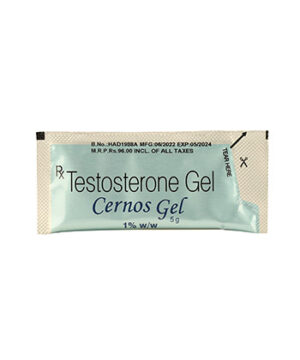
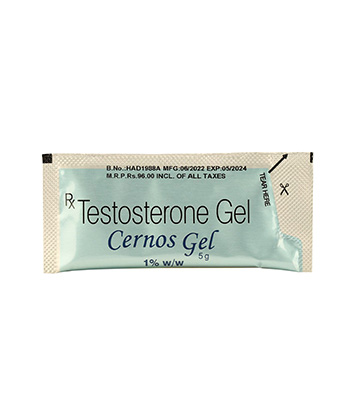
Common forms: Gels or creams applied to the skin. Brand names vary.
Active ingredient: Testosterone (in a topical formulation).
Who it may be used for: Adults with confirmed testosterone deficiency (hypogonadism) due to medical causes.
Available strengths: Depend on the specific brand and formulation.
Important: Different testosterone topical products have different application areas, dosing schedules, and instructions. Always follow the instructions provided with your specific product.
How testosterone works (mechanism of action)
Testosterone is an androgen (male sex hormone). When applied via a topical medicine, testosterone is absorbed through the skin into the bloodstream.
In the body, testosterone contributes to:
- Development and maintenance of male reproductive tissues (in people with testicles)
- Sexual function including libido
- Muscle mass and strength
- Bone density maintenance
- Red blood cell production (in some people)
- General wellbeing and energy levels (varies by person)
Topical testosterone aims to restore testosterone levels toward a normal physiologic range, reducing symptoms associated with testosterone deficiency.
Pharmacokinetics (how it behaves in the body)
Absorption: Testosterone is absorbed through intact skin. The rate and total absorption depend on the formulation, the site of application, skin thickness, and whether the skin is clean and dry.
Onset and consistency: Levels rise after application and are maintained with regular dosing. Many products are designed for daily use.
Metabolism: Testosterone is metabolised in the liver and other tissues. It can be converted to:
- Dihydrotestosterone (DHT) via 5-alpha-reductase
- Estradiol via aromatisation
Excretion: Metabolites are eliminated primarily via urine and faeces.
Clinical monitoring: Because absorption can vary, blood testosterone levels (and other safety markers) are often monitored to confirm the dose is appropriate.
Typical use and indications
Testosterone topical is used to treat testosterone deficiency (hypogonadism) in adult people where testosterone levels are consistently low due to an identified medical condition.
It may be considered for symptoms such as:
- Reduced libido
- Erectile dysfunction related to low testosterone (though many causes exist)
- Loss of energy or fatigue
- Low mood associated with deficiency (not exclusive to testosterone deficiency)
- Reduced muscle mass and strength
- Increased fat mass
- Decreased bone density in certain contexts
Not for: Testosterone is not a general “ageing” supplement and is not intended for use to enhance performance or without documented deficiency.
How and when to use testosterone topical
Most topical testosterone products are applied once daily, but some brands and strengths differ. Follow your product’s instructions exactly.
Timing
- Apply at the same time each day to maintain steadier hormone levels.
- Apply to the recommended area (commonly upper arms/shoulders, abdomen, or thighs depending on the brand).
- After application, allow the product to dry before covering with clothing.
Food interactions
Food does not usually affect topical testosterone because absorption occurs through the skin. However, your overall health, liver function, and medication schedule can influence results and monitoring.
To support treatment consistency:
- Take your medicines at the usual times.
- Keep lab tests scheduled, even if you feel well.
Where to apply (practical considerations)
- Use the exact application sites specified by your product.
- Use clean, dry, intact skin. Do not apply to broken, irritated, or recently shaved skin unless the label instructs you to.
- Rotate sites if the product instructs rotation to reduce skin irritation.
Hand hygiene is essential: Wash your hands thoroughly after applying unless the product label instructs otherwise.
Avoid exposing others
Topical testosterone can transfer through skin contact. To reduce this risk:
- Cover the application area with clothing after the product dries.
- Avoid direct skin-to-skin contact with others on the treated area until you have properly covered it and enough time has passed per product instructions.
- Use caution around children and pregnant people due to potential hormonal effects.
Dosing (general guidance)
Dose varies by formulation and whether you are initiating therapy, adjusting, or switching products. Because absorption and recommended strength differ across brands, the “correct” dose is individualised.
Common approach:
- Start with the lowest dose likely to achieve normal testosterone levels.
- Titrate based on symptoms and blood tests.
- Re-check testosterone levels after an appropriate interval, which your clinician will schedule.
Do not:
- Increase the amount or frequency to “boost” results.
- Apply more than directed.
- Share your medication with others.
Lab monitoring may include:
- Serum testosterone
- Full blood count (including haemoglobin and haematocrit)
- PSA and prostate-related assessments in appropriate patients
- Liver function tests if clinically indicated
- Lipid profile and metabolic markers as appropriate
Always follow the dosing instructions on your product label and the plan agreed with your healthcare professional.
Alcohol and medicine interactions
Alcohol
There is no single direct “banned together” interaction between alcohol and topical testosterone. However, alcohol can affect:
- Energy, mood, libido and overall wellbeing—making symptom tracking harder.
- Liver health (particularly with heavy or long-term alcohol use), which may influence hormone metabolism and your overall safety.
- Blood counts and cardiovascular risk indirectly through lifestyle and health effects.
Practical advice: If you drink alcohol, keep it moderate and consistent. Seek medical advice if you have liver disease or drink heavily.
Other medicines (examples of important interactions)
Interactions depend on the medicines you take and your health history. Discuss your full medication list with a healthcare professional.
Potential areas to review include:
- Anticoagulants (“blood thinners”) (e.g., warfarin): testosterone may affect clotting parameters in some cases, requiring monitoring.
- Corticosteroids: testosterone combined with certain steroid therapies may increase sodium and fluid retention risk in some people.
- Diabetes medicines: changes in testosterone may affect insulin sensitivity and blood glucose for some people.
- Opioids and other medications that may affect hormone balance or respiratory risk.
- Medications for prostate conditions: the underlying condition must be considered when using androgen therapy.
Tell your pharmacist or clinician if you take:
- Warfarin or other anticoagulants
- Insulin or tablets for diabetes
- Medicines that affect the liver (inducers/inhibitors)
- Any testosterone or androgen-containing products (including non-prescribed sources)
Food interactions
Because testosterone is applied to the skin, food interactions are not expected to be clinically significant. Still, overall nutrition and liver health can influence how your body processes medications.
If you have conditions such as liver disease, obesity, or metabolic syndrome, your clinician may choose a monitoring plan tailored to you.
Safety profile and possible side effects
Like all medicines, testosterone topical may cause side effects. Many are dose-related and can be managed with dose adjustment or supportive care.
Common side effects
- Skin irritation at the application site (redness, itching, rash)
- Acne or oily skin
- Headache
- Changes in mood or irritability (varies)
- Increased libido or sexual changes
- Fluid retention (in some people)
Important risks to watch for
- Increased red blood cell count (polycythaemia): may raise the risk of blood clots and requires monitoring.
- Prostate effects: androgen therapy may influence prostate size and PSA. Prostate assessment is important in appropriate age groups.
- Breast tenderness or enlargement (gynaecomastia) due to conversion to oestrogen.
- Sleep apnoea worsening in susceptible individuals.
- Fertility changes: testosterone therapy can suppress sperm production in some men.
Seek urgent medical help if you experience
- Chest pain, sudden shortness of breath, one-sided weakness, or signs of stroke
- Severe allergic reaction (swelling of face/lips, difficulty breathing)
- Symptoms of very high blood pressure or severe headache with visual changes
Practical use tips (getting the best results safely)
Before you apply
- Choose a consistent daily time.
- Apply to clean, dry, unbroken skin.
- Wear gloves or use careful handwashing if the product can transfer easily (follow product instructions).
During application
- Measure and apply the exact dose recommended.
- Spread evenly across the designated area.
- Allow to dry fully before covering with clothing.
After application
- Wash hands thoroughly.
- Avoid washing the treated area soon after application unless product instructions allow it.
- Allow sufficient time before showering, swimming, or bathing as specified by the label.
Managing skin reactions
- If you develop significant rash or irritation, contact a healthcare professional.
- Do not scratch the area; it may increase irritation and transfer risk.
- Your clinician may adjust dose, change application site, or review formulation.
Storage
- Keep the product below the recommended temperature on the pack.
- Store out of reach of children.
Alternative options
Depending on the cause of testosterone deficiency and personal preferences, alternatives may include:
- Other testosterone formulations
- Injectable testosterone (different dosing intervals)
- Oral or other delivery systems (where available and appropriate)
- Different topical products (gels/patches/solutions)
- Addressing underlying causes
- Optimising weight, sleep, and treatment of chronic illness
- Managing medication-induced hormone changes where possible
- Specific treatments for pituitary/hypothalamic causes (specialised approach)
- Fertility-focused options (for people trying to conceive)
- In some cases, clinicians may consider medicines that stimulate the body’s own production rather than replacing testosterone directly.
Choice of therapy depends on symptoms, testosterone levels, convenience, side effect risk, and monitoring capability.
Market and legal context in Australia
In Australia, testosterone products are regulated medicines. Access generally involves assessment and appropriate clinical oversight, particularly because testosterone therapy requires confirmation of testosterone deficiency and ongoing monitoring for safety.
For online purchasing, availability depends on product classification, prescriber requirements, and pharmacy policies. Australian consumers should only buy testosterone medicines from reputable, licensed pharmacies.
Why monitoring matters: Testosterone therapy can affect red blood cells, prostate health, and fertility, and may worsen conditions like sleep apnoea. This is why clinicians often require baseline evaluation and follow-up blood tests.
Recent guidance (what patients should know)
Guidance in testosterone deficiency typically emphasises:
- Diagnosis confirmation: testosterone deficiency should be confirmed by consistent low morning testosterone readings, alongside symptoms.
- Individualised dosing: use the lowest effective dose and adjust based on symptoms and blood levels.
- Ongoing safety monitoring: regular checks of blood count and relevant prostate assessments for eligible patients.
- Stop and reassess if symptoms don’t improve as expected or if adverse effects occur.
Because local and international recommendations evolve, it’s important to keep your healthcare professional informed of updates and your latest lab results.
Delivery and availability (online pharmacy)
Availability of testosterone topical products online depends on the specific product, stock levels, and supply chain. Delivery timelines may vary by location across Australia.
For your order, typical expectations include:
- Packaging: discreet packaging designed for privacy.
- Tracking: many pharmacies provide tracking for shipments.
- Delivery times: estimated at checkout or in dispatch emails.
If your order includes temperature-sensitive items (not always the case for topical testosterone, but dependent on formulation), the pharmacy may provide handling guidance.
Note: Always check the expiry date before use and do not use a product that looks damaged or expired.
FAQ – Frequently asked questions
1) How quickly will I feel a difference?
Some people notice changes in libido or energy within weeks, while others take longer. Improvements in muscle mass and bone-related effects may take several months. Your clinician will monitor blood levels and symptoms to guide dose adjustments.
2) What if my testosterone level is still low after starting?
Absorption can vary between individuals and between skin sites and conditions. Your healthcare professional may review application technique, adherence, application area, skin irritation, and timing, then adjust dose if appropriate.
3) Can women use testosterone topical?
Some women may use androgen therapy in specialised circumstances (for example, low libido in certain conditions) under medical supervision. Availability and indications vary by product and local guidance. Do not use testosterone intended for men without clinician advice.
4) What should I do if I forget a dose?
If you forget a dose, apply it when you remember only if it is close to the usual time. If it is near the next scheduled application, skip the missed dose and return to your regular routine. Do not double dose unless your product’s directions advise otherwise.
5) Will testosterone topical affect fertility?
Testosterone replacement can suppress sperm production in some men, which may reduce fertility temporarily. If you are trying to conceive, discuss options with a clinician before starting or continuing therapy.
6) Can I shower after applying?
This depends on the specific product instructions. Many products require a period for the gel/cream to dry and for skin absorption to begin. Follow the label guidance for when it is safe to wash or bathe.
7) Can others be exposed if they touch my skin?
Yes. Transfer is possible through skin contact, especially before the product has fully dried and if the area is not covered. Avoid skin-to-skin contact with others on the treated area and cover the area with clothing once dry. Keep pregnant people and children especially protected.
8) Is there an effect on acne or skin?
Yes, testosterone can increase oiliness and contribute to acne in some people. If skin irritation occurs, contact a healthcare professional; you may need a different application site, a dose adjustment, or a different formulation.
9) Does testosterone topical interact with warfarin?
Potentially. Androgen therapy may influence blood-clotting stability in people taking warfarin. If you use anticoagulants, you should be monitored closely and discuss any testosterone therapy changes with your clinician.
10) What monitoring will I need?
Monitoring typically includes testosterone blood tests and safety checks such as full blood count (to detect increased red blood cells) and prostate assessment in appropriate patients. Your clinician will set a schedule based on your situation.
Summary
Testosterone topical is a skin-applied medicine designed to help treat testosterone deficiency in adults with appropriately confirmed low testosterone levels and related symptoms. It works by delivering testosterone through the skin into the bloodstream, supporting functions such as libido, muscle maintenance, and bone health. Because individual absorption and safety risks vary, dose and application should be individualised and supported by ongoing blood tests and clinical review.
If you have questions about suitability, side effects, or how to apply your specific product safely, speak with a healthcare professional or pharmacist.
Disclaimer: This information is general and cannot replace advice from a healthcare professional. Always read the consumer medicine information (CMI) for your specific testosterone topical product and follow its instructions.