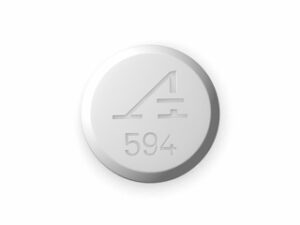
Tizanidine (Australia) — Patient-Friendly Medicine Information
Tizanidine is a muscle-relaxing medicine used to ease painful muscle stiffness and spasms. It works by reducing overactive signals in the spinal cord, helping muscles relax and improving comfort and mobility.
This page explains what tizanidine is, how it works, how the body handles it, typical uses, important safety information, interactions (including alcohol), and practical tips for getting the best results. It is written for people in Australia and includes information relevant to availability and guidance.
Quick Facts
- Medicine name: Tizanidine
- Common uses: Muscle spasm, spasticity (often in neurological conditions), painful muscle tightness
- How it feels: Less muscle stiffness and cramping; improved comfort and movement
- Key safety points: Can cause drowsiness, low blood pressure, and dizziness
- Important interactions: Strongly affected by certain medicines and alcohol
- How it’s taken: Usually several times daily, with timing tailored to symptoms
Basic Product Information
Tizanidine belongs to the class of medicines known as alpha-2 adrenergic agonists (specifically acting as an alpha-2 receptor agonist).
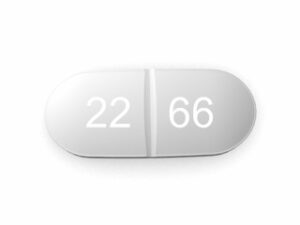
In Australia, tizanidine is available in tablet form. Brand names may vary. Your pharmacist or doctor can confirm your specific product and strength.
| Category | Details |
|---|---|
| Drug class | Alpha-2 adrenergic agonist (muscle relaxant) |
| Typical form | Tablets |
| Common effects | Reduced muscle spasm/tone, relief from painful stiffness |
| Common side effects | Drowsiness, dizziness, dry mouth, low blood pressure |
| Major cautions | Alcohol, sedating medicines, blood pressure medicines, liver health |
How Tizanidine Works (Mechanism of Action)
Tizanidine reduces muscle spasticity and spasms by acting on alpha-2 receptors in the nervous system—particularly in the spinal cord.
- It decreases the release of excitatory neurotransmitters.
- This dampens nerve signals that contribute to muscle overactivity.
- The result is less muscle stiffness and fewer spasms or cramping episodes.
Because it affects the nervous system, tizanidine can also cause sedation and changes in blood pressure in some people.
Pharmacokinetics (How the Body Processes It)
Understanding how tizanidine is absorbed and eliminated can help you take it safely and consistently.
- Absorption: Tizanidine is absorbed after you take a tablet. Peak effects occur relatively soon after dosing.
- Metabolism: It is mainly metabolised by the liver (primarily via the CYP1A2 enzyme).
- Elimination: Metabolites are cleared mainly by the kidneys.
- Half-life: The medicine’s effects wear off gradually; timing and dose schedule help maintain symptom control.
Why this matters: Medicines that inhibit CYP1A2 can raise tizanidine levels, increasing the risk of side effects such as sleepiness, marked dizziness, or low blood pressure. People with liver impairment may need extra caution.
What Tizanidine Is Typically Used For
Tizanidine is used to manage muscle spasm and spasticity, where muscles become stiff, tight, or painful due to nerve-related conditions.
Common indications
- Spasticity associated with neurological conditions (for example, multiple sclerosis or spinal cord injury)
- Painful muscle spasm and muscle stiffness
- Muscle tightness where reduced tone improves function and comfort
Use and outcomes vary between individuals. Your healthcare professional will consider your symptom pattern, medical history, and other medicines you take.
How and When to Take Tizanidine (Timing)
Timing is important for both effectiveness and side-effect control.
Typical dosing schedule
- Tizanidine is commonly taken several times per day (for example, morning, afternoon, and/or bedtime), depending on symptom control.
- Doses are often started at a low level and increased gradually if needed.
- The exact schedule should match your symptom pattern (e.g., stiffness in the morning vs. spasms at night).
Taking it consistently
- Try to take tizanidine at similar times each day.
- If you feel drowsy, you may need dose timing adjustment so it fits with your daily activities and sleep.
What to do if you miss a dose
- If you miss a dose, take it when you remember unless it is close to your next dose.
- Do not take extra to make up for a missed dose.
- When in doubt, ask a pharmacist.
Note: Avoid stopping suddenly without medical advice, particularly if you have been taking it regularly for some time.
Food Interactions
Food can affect absorption. Tizanidine exposure may be increased when taken with certain types of meals.
- General advice: Follow the instructions on your product label or the advice given by your pharmacist.
- For best consistency, try to take it the same way each day (for example, always with or always without food), unless your clinician instructs otherwise.
If you notice unusual side effects after changing your meals or meal timing, contact your pharmacist for advice.
Alcohol and Tizanidine Interactions
Alcohol can significantly increase the risk of side effects. Because tizanidine can cause sleepiness and dizziness, combining it with alcohol may worsen:
- Drowsiness and slowed reaction times
- Dizziness and light-headedness
- Risk of falls
- Low blood pressure symptoms such as faintness
Practical recommendation: It’s generally best to avoid alcohol while taking tizanidine, or use only with explicit medical guidance. If you choose to drink, discuss safe limits with a healthcare professional.
Medicine Interactions (Important)
Tizanidine is affected by liver enzymes (especially CYP1A2). Some medicines can increase tizanidine levels and make side effects more likely.
Key interaction groups
- Fluvoxamine (for depression/obsessive-compulsive disorder): can markedly increase tizanidine levels
- Ciprofloxacin and other potent CYP1A2 inhibitors: may raise tizanidine concentrations
- Other sedatives (for example benzodiazepines, opioids, some antihistamines): can increase sedation and impairment
- Blood pressure medicines (especially those that lower blood pressure): may increase risk of low blood pressure
- Medicines affecting liver metabolism: can alter tizanidine exposure
What to do before starting or changing tizanidine
- Tell your pharmacist about all medicines you take, including over-the-counter products and supplements.
- Include occasional medicines (for allergies, colds, sleep, pain relief).
- If you’ve recently started antibiotics or antidepressants, double-check interactions.
Warning signs of excessive effect: unusual sleepiness, fainting, severe dizziness, slow or irregular heartbeat, or confusion. Seek urgent medical help if severe symptoms occur.
Safety Profile (Side Effects and When to Get Help)
Most people tolerate tizanidine reasonably well, especially when started low and increased gradually. However, it can cause side effects, and safety depends on dose, individual sensitivity, and other medicines.
Common side effects
- Drowsiness or fatigue
- Dizziness
- Dry mouth
- Low blood pressure (may cause light-headedness)
- Weakness or reduced energy
Less common but important risks
- Liver enzyme elevation (hepatotoxicity). Some people may require liver function monitoring.
- Bradycardia (slow heart rate) or palpitations in some cases
- Withdrawal symptoms (uncommon, but risk may increase with abrupt stopping)
Seek medical help urgently if you experience
- Fainting, severe dizziness, or symptoms of dangerously low blood pressure
- Yellowing of eyes/skin, dark urine, severe nausea, or upper abdominal pain (possible liver problems)
- Severe allergic reactions such as swelling of the face/lips, trouble breathing, or widespread rash
- Marked confusion or extreme drowsiness that affects breathing or consciousness
Dosing Guidance (General Information)
Dosing is individual and may vary depending on the reason you’re taking tizanidine, your age, and your kidney or liver function.
General principles
- Start low: Many people begin with a small dose to reduce the risk of side effects.
- Adjust gradually: Doses may be increased step-by-step for symptom control.
- Balance benefit and tolerability: The goal is improved spasm control without excessive sedation or dizziness.
Missed dose and dosing changes
- Do not adjust the dose on your own.
- If side effects are bothersome, your pharmacist or clinician can review timing or dose strength.
- Keep track of how your muscles respond and whether sedation affects you.
Kidney or liver impairment: You may need a lower dose or extra monitoring. If you have known kidney or liver issues, discuss this with your healthcare professional before starting.
Practical Use Tips (How to Get the Best Results)
Muscle spasm relief may take a little time to find the right balance of dose and timing. The following tips can improve comfort and reduce risk.
- Be cautious with activities that require alertness (driving, machinery, climbing). If you feel drowsy, avoid these activities.
- Rise slowly from sitting or lying positions to reduce dizziness and light-headedness.
- Stay hydrated if you experience dry mouth.
- Monitor symptoms: note whether morning stiffness improves, when spasms occur, and when side effects are worst.
- Use consistent scheduling: taking doses at regular times helps maintain predictable effects.
- Don’t mix with alcohol: avoid alcohol or follow strict medical guidance.
- Keep an updated medicine list for every pharmacy visit.
Combining with physiotherapy or stretching: For many people, tizanidine works best alongside gentle stretching, physiotherapy, and appropriate activity levels advised by healthcare professionals.
Alternative Options (If Tizanidine Isn’t Right)
There are other medicines and approaches for muscle spasm and spasticity. The best alternative depends on your symptoms, medical conditions, and medication tolerance.
Possible medication alternatives
- Baclofen (another muscle relaxant; may be taken orally or delivered via specialized methods)
- Dantrolene (used in selected spasticity scenarios; less commonly used)
- Diazepam or other benzodiazepines (may be used short-term in some situations due to sedation and dependence risk)
- Non-prescription supportive measures for acute muscle strain (for example, heat, rest, and physiotherapy)
Non-medicine alternatives
- Physiotherapy and stretching programs
- Heat therapy for comfort and muscle relaxation
- Exercise and mobility strategies suited to your condition
- Posture and occupational therapy for daily function
If you want to switch treatments, do so with professional guidance—particularly if you’ve been taking tizanidine regularly.
Australia Market & Legal Context (Plain-Language Overview)
In Australia, medicines are regulated through the Therapeutic Goods Administration (TGA) and medicines are classified based on their risk level. Availability, supply processes, and patient information requirements depend on the specific product strength and listing.
Online pharmacy supply is typically aligned with Australian requirements, which may include identity checks and assessment of suitability (for example, ensuring you’re aware of interactions and safety information). Your pharmacist can confirm the correct product and safe use steps.
Important: Always read the consumer medicine information (CMI) for your specific brand and strength. If you have questions about interactions or side effects, ask your pharmacist.
Recent Guidance and Monitoring Considerations
Clinical practice for tizanidine often emphasises patient safety and monitoring, particularly for:
- Blood pressure (dizziness, light-headedness, and falls)
- Liver health (potential liver enzyme elevation; monitoring may be recommended)
- Medication interactions (avoid or carefully manage strong CYP1A2 inhibitors and other sedating medicines)
- Neurological and functional effects (sedation, impairment, and balance)
Guidance can evolve over time as new evidence and safety communications emerge. If you’re unsure whether your current medicines raise risk, check with a pharmacist or clinician.
Delivery and Availability (Online Pharmacy)
Many online pharmacies in Australia offer delivery of prescription and non-prescription medicines where permitted. Availability depends on stock, formulation, and product strength.
What you can expect
- Secure ordering through the online pharmacy checkout process
- Product verification (brand and strength) before dispatch
- Careful packaging to protect tablets during transit
- Tracking options may be available depending on the provider
Tips for a smooth order
- Double-check the strength and dose form you need.
- Keep your address details accurate for delivery.
- If you have medical concerns (for example, liver disease, low blood pressure, or many interacting medicines), contact the pharmacy team before ordering.
Availability note: If tizanidine is temporarily out of stock, you may be offered alternatives or asked to wait while the medicine is replenished.
FAQ — Tizanidine
1) How long does it take for tizanidine to work?
Many people notice an improvement in muscle spasm or stiffness within the first day or so, though the full benefit may take longer as dosing is adjusted. If you feel no change after a reasonable trial at an appropriate dose, speak with your pharmacist or clinician about next steps.
2) Can I drive while taking tizanidine?
Tizanidine can cause drowsiness and dizziness. Avoid driving if you feel sleepy, light-headed, or unsteady. If you’re starting tizanidine or adjusting the dose, take extra caution during the first few days.
3) What if I feel very dizzy or too sleepy?
Stop driving and avoid hazardous tasks. Contact your pharmacist promptly. Your dose timing or strength may need adjustment, especially if you take other sedating medicines or alcohol.
4) Does tizanidine cause dependence?
Dependence risk is not as commonly discussed as with some sedatives, but abrupt stopping after regular use may be an issue for some people. Always discuss changes with a healthcare professional.
5) Are there foods I should avoid?
There’s no universal “forbidden food,” but meals can affect how tizanidine is absorbed. Aim for consistent meal timing and follow your specific product instructions. If you notice side effects after eating differently, ask a pharmacist.
6) Is it safe to drink alcohol?
It’s generally recommended to avoid alcohol due to increased sedation and dizziness risk. If you plan to drink, seek medical advice for safe options and limits.
7) Can I take tizanidine with my other medicines?
Some medicines can significantly increase tizanidine levels or increase sedation and blood pressure effects. Always provide a complete list of your medicines (including OTC and supplements) to your pharmacist before starting or changing doses.
8) Who should be extra cautious?
Caution is especially important if you have:
- Low blood pressure or a history of fainting
- Liver disease or past abnormal liver function tests
- Kidney impairment
- Multiple medicines that affect sedation or blood pressure
9) What signs suggest liver problems?
Seek medical advice urgently if you develop yellowing of the eyes/skin, dark urine, persistent nausea/vomiting, severe tiredness, or upper right abdominal pain.
10) What alternative treatments exist for spasticity or muscle spasm?
Alternatives may include other muscle relaxants, physiotherapy, stretching, heat therapy, and in some cases specialist interventions depending on the underlying condition.
Important Safety Reminder
This information is designed to help you understand tizanidine in a general, patient-friendly way. If you have questions about side effects, interactions, or the best way to take your dose for your situation, contact a pharmacist or your healthcare professional.