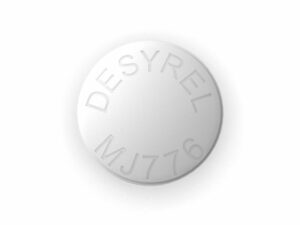

Tolterodine (Australia) – Patient-Friendly Medicine Information
Tolterodine is a medicine used to help control the symptoms of an overactive bladder (OAB). If you experience sudden urges to urinate, frequent trips to the toilet, or leaking (urge incontinence), tolterodine may help by relaxing certain bladder muscles and reducing involuntary bladder contractions.
This page provides comprehensive, easy-to-understand information about tolterodine, including how it works, typical uses, dosing, timing, food and alcohol interactions, safety considerations, and practical tips for getting the best outcomes. Information is written for patients in Australia, with a focus on general guidance.
Basic Product Information
| Category | Details |
|---|---|
| Medicine name | Tolterodine |
| Medicine class | Antimuscarinic / anticholinergic (bladder-specific activity) |
| Common forms | Immediate-release and extended-release formulations may be available (brand availability can vary) |
| Typical treatment focus | Overactive bladder symptoms (urgency, frequency, urge incontinence) |
| How it’s taken | Usually by mouth once daily for extended-release; dosing frequency depends on formulation |
Brand names and product strengths can vary. If you’re unsure which version you have (for example, extended-release), check the label on your medicine pack.
How Tolterodine Works (Mechanism of Action)
Tolterodine belongs to the antimuscarinic family. It helps treat overactive bladder symptoms by blocking certain signals in the body that cause bladder muscle tightening.
- Muscarinic receptor blockade: Tolterodine reduces unwanted bladder contractions by blocking muscarinic receptors involved in bladder muscle activity.
- Reduced urgency and frequency: By calming bladder overactivity, it can increase the time between bathroom trips and reduce sudden urges.
- Helps with urge incontinence: For some people, it reduces leaking related to urgency.
Tolterodine does not “cure” overactive bladder, but it can significantly improve symptom control when used alongside bladder training and lifestyle strategies.
Pharmacokinetics (How the Body Handles Tolterodine)
Pharmacokinetics describes what happens to a medicine in the body—how it’s absorbed, processed, and eliminated. While individual responses vary, the general pattern helps you understand timing and expectations.
Absorption
After you swallow tolterodine, it is absorbed through the gastrointestinal tract. Extended-release and immediate-release products may differ in how quickly they reach peak levels.
Distribution
Tolterodine distributes throughout the body, including reaching the bladder where it can help reduce overactive bladder activity.
Metabolism (biotransformation)
Tolterodine is metabolised mainly in the liver. One important point is that certain liver enzymes (including CYP pathways) can influence how quickly the medicine is cleared from your system.
Elimination
Tolterodine and its metabolites are eliminated primarily through the kidneys and partly through other routes. Kidney function can affect exposure in some people, which is why dose adjustments may be considered.
If you have kidney or liver impairment, your clinician may recommend a lower starting dose or extra monitoring.
Typical Use in Overactive Bladder
Tolterodine is commonly used for overactive bladder symptoms, typically including:
- Urinary urgency: a sudden, hard-to-delay need to pass urine
- Urinary frequency: passing urine more often than you find normal
- Urge urinary incontinence: leaking or inability to hold urine when urgency occurs
The exact diagnosis and treatment plan should be based on your symptoms and medical history. Sometimes, other conditions (such as urinary tract infection, prostate issues, or uncontrolled diabetes) can cause similar symptoms and should be assessed.
Indications (What It’s Used For)
Tolterodine is indicated for the management of overactive bladder with symptoms such as:
- Urgency
- Increased urinary frequency
- Urgency urinary incontinence
Availability and exact indication details may differ by formulation and jurisdiction. Always follow the instructions provided with your specific product.
Dosing and How to Take It
Dosing depends on the formulation (immediate-release vs extended-release) and your health factors (including kidney function, liver function, and interactions with other medicines). Always follow your product label directions.
Typical adult dosing overview
Common starting doses are usually once daily for extended-release products, or twice daily for some immediate-release regimens. Your clinician may adjust the dose based on symptom response and side effects.
- Extended-release tolterodine: often taken once daily at the same time each day.
- Immediate-release tolterodine: may be taken one to two times daily depending on the prescribed regimen.
If you miss a dose, do not take a double dose. Take it when you remember unless it is near the time of your next dose—then skip the missed dose and continue as scheduled.
Practical tips for taking tolterodine
- Take it regularly to maintain symptom control.
- Choose a time you can reliably remember (e.g., morning or evening).
- If you experience troublesome side effects (such as dry mouth or constipation), discuss options promptly—dose adjustments may be possible.
Timing: When Should You Expect Results?
Many people start to notice changes in urgency and frequency within the first several days to a few weeks. However, the best effect may take longer, and symptom control can vary between individuals.
If there is little benefit after an appropriate trial period, it may be worth discussing whether:
- the dose is suitable,
- another antimuscarinic may be better tolerated, or
- an alternative treatment approach is needed.
Food Interactions (Including Grapefruit and Meals)
In general, tolterodine can be taken with or without food. However, food may affect absorption for some formulations. To minimise variability, many people take tolterodine consistently the same way each day (for example, always with food or always on an empty stomach), unless your product information instructs otherwise.
- Consistency is key: take your tolterodine the same way each day to maintain stable effect.
- Grapefruit and some fruit juices: certain products may affect liver enzymes in some medicines. If your doctor or pharmacist has told you to avoid specific foods or drinks for your other medicines, follow their advice.
If you’re unsure, check the leaflet for your exact brand and strength or ask a pharmacist for formulation-specific guidance.
Alcohol Interactions
Alcohol may worsen some antimuscarinic side effects such as dizziness, blurred vision, and dry mouth. It can also contribute to dehydration, which may aggravate constipation or urinary symptoms for some people.
- Moderation is recommended: avoid heavy drinking while adjusting to tolterodine.
- Be careful with dizziness: if you feel lightheaded, avoid driving or operating machinery.
There is no universal “absolute” ban on alcohol for everyone, but your tolerance and side effects vary. If you drink alcohol, discuss safe limits with a healthcare professional, particularly if you have other medical conditions or medications.
Medicine Interactions (Important to Review)
Tolterodine can interact with other medicines, especially those with anticholinergic effects or those affecting liver enzymes that metabolise tolterodine.
Common interaction categories
- Other antimuscarinic medicines: may increase the risk of side effects such as dry mouth, constipation, blurred vision, and confusion.
- Medicines that affect liver enzymes: some medicines can change tolterodine levels, potentially increasing side effects or reducing effectiveness.
- Medicines that affect bowel or urinary function: because tolterodine affects bladder signalling, combined treatments may change symptom control.
- Medicines that cause drowsiness or dizziness: combining may increase impairment risk.
Always check before combining
Inform a pharmacist about all medicines you take, including:
- prescription medicines
- over-the-counter products
- herbal supplements
- cold/flu medicines (many contain anticholinergic ingredients)
Safety Profile: Side Effects and When to Seek Help
Like all medicines, tolterodine may cause side effects. Many are mild and improve with time, while others require medical attention. Your risk may increase if you are older, have kidney or liver problems, or take other anticholinergic medicines.
Common side effects
- Dry mouth
- Constipation
- Blurred vision
- Reduced sweating (may affect temperature regulation)
- Dizziness
- Nausea
- Headache
Less common but important risks
- Urinary retention: trouble starting to urinate or a weakened stream (risk can be higher in people with urinary obstruction).
- Worsening of certain eye conditions: antimuscarinic effects can be problematic in some glaucoma types.
- Confusion or cognitive effects: more likely in some older adults or when combined with other anticholinergic medicines.
- Severe constipation or bowel blockage symptoms: severe abdominal pain, vomiting, or inability to pass stool/gas.
Seek urgent medical help if
- you develop severe allergic symptoms (swelling of face/lips, difficulty breathing)
- you cannot urinate or have significant urinary retention symptoms
- you have severe constipation with abdominal swelling or vomiting
- you experience marked confusion, extreme drowsiness, or fainting
- you have signs of heat intolerance (not sweating, overheating), especially in hot weather
Who should take extra care
Tolterodine may not be suitable or may require monitoring in certain situations. Extra care is often needed if you have:
- glaucoma (especially narrow-angle type)
- urinary retention risk or prostate enlargement with retention symptoms
- gastrointestinal obstruction or severe constipation history
- significant kidney or liver impairment
- myasthenia gravis or certain bowel movement disorders
Practical Use Tips (Get the Best Results)
Tolterodine works best when medication is combined with practical bladder strategies. These tips can help improve comfort and reduce symptom flare-ups.
Hydration and dry mouth management
- Drink water steadily throughout the day (avoid excessive fluid late at night if it worsens night-time urination).
- Use sugar-free chewing gum or lozenges to relieve dry mouth.
- Consider saliva substitutes if dry mouth becomes bothersome.
Constipation prevention
- Maintain fibre intake (fruit, vegetables, whole grains).
- Stay active with regular movement when possible.
- If constipation occurs, consider speaking with your pharmacist about safe options such as stool softeners or fibre supplements.
Bladder training basics
- Try timed voiding (scheduled bathroom trips) to gradually increase intervals between urination.
- Use urge suppression techniques such as deep breathing and pelvic floor relaxation when urgency strikes.
- Keep track of symptoms in a simple diary (time of urges, frequency, leakage episodes) to monitor progress.
Heat safety
Because antimuscarinic medicines can reduce sweating in some people, take care in hot weather. If you notice reduced sweating, dizziness, or overheating, stop strenuous activity and seek advice.
Alternative Options for Overactive Bladder
If tolterodine isn’t the right fit (for example, due to side effects or limited benefit), there are other options. Your clinician can tailor treatment based on your symptoms and health profile.
Other medication choices
- Other antimuscarinics (examples may include solifenacin, oxybutynin, trospium, darifenacin, fesoterodine—availability varies). Some people tolerate one better than another.
- Beta-3 agonists (examples may include mirabegron). These work differently from antimuscarinics and may be considered for people who struggle with anticholinergic side effects.
- Combination therapy in selected cases, depending on symptom control and tolerance.
Non-medicine strategies
- Pelvic floor physiotherapy and bladder training
- Fluid management and reducing bladder irritants (some people respond to limiting caffeine or carbonated drinks)
- Behavioural techniques for urge suppression
- In persistent, severe cases: specialist interventions may be considered
If you’re comparing options, consider both symptom benefit and the side-effect profile that matters most to you (dry mouth, constipation, sleep impact, or dizziness).
Market and Legal Context (Australia)
Tolterodine is regulated in Australia under the Therapeutic Goods Administration (TGA) framework. Medicines are supplied according to Australian scheduling and prescribing rules.
For online pharmacy supply in Australia, products must be handled in line with relevant laws and pharmacy standards, including identity and patient safety checks, and guidance for safe use.
Availability may depend on formulation (immediate vs extended-release), pack size, and local distribution. If a specific brand is not available, your pharmacist may be able to advise on comparable alternatives where appropriate.
Recent Guidance and Clinical Review Points
Overactive bladder treatment in Australia typically follows a stepwise approach: start with lifestyle and bladder strategies, then consider medicines for persistent symptoms. Clinical recommendations may evolve as new evidence becomes available.
- Review effectiveness and side effects after an initial trial period.
- Consider comorbidities (constipation, glaucoma risk, urinary retention risk, kidney function).
- Use the lowest effective dose to reduce side effects.
- Assess ongoing need: if symptoms stabilise, a clinician may review whether continued therapy is necessary.
Guidance can vary by patient and clinician. Always rely on advice tailored to your situation.
Delivery and Availability (What to Expect)
Online availability and delivery options can vary by pharmacy and supplier. When you order tolterodine, you may be able to select:
- standard or express delivery (where available)
- delivery to a residential address or a pickup location, depending on the service
- pack size options subject to stock availability
Product availability can change due to supply chain factors. If your preferred brand or strength is unavailable, your pharmacy may offer an alternative equivalent product where appropriate, or advise when restocking is expected.
FAQ: Tolterodine for Overactive Bladder
1) How long does tolterodine take to work?
Some people notice symptom changes within days, while others may take a few weeks to experience the best effect. Consistent daily use and ongoing bladder strategies can improve outcomes.
2) Can I take tolterodine with food?
Usually yes. If your product information doesn’t specify otherwise, you can generally take tolterodine with or without food. For stable effect, take it the same way each day.
3) What should I do if I miss a dose?
Take your dose when you remember unless it is close to the next dose. Do not take a double dose to make up for a missed tablet.
4) Will tolterodine cause dry mouth?
Dry mouth is a common side effect. Drinking water regularly, sugar-free gum/lozenges, and saliva substitutes can help. If dry mouth becomes severe, speak with your pharmacist or clinician.
5) Can tolterodine cause constipation?
Yes. Constipation can occur. Increase fibre and fluids, stay active, and consider speaking with a pharmacist about safe constipation prevention options.
6) Is it safe to drink alcohol while taking tolterodine?
Alcohol may worsen dizziness and dry mouth and can increase dehydration. If you choose to drink, do so in moderation and avoid activities that require alertness if you feel impaired.
7) What interactions should I watch for?
Tell your pharmacist about all medicines, including cold/flu products and other anticholinergic medicines. Some medicines can affect how tolterodine is metabolised or increase side-effect risk.
8) Who should be extra cautious with tolterodine?
People with certain glaucoma types, urinary retention risk, significant constipation, kidney or liver impairment, or those taking other anticholinergic medicines may need extra caution and monitoring.
9) Can tolterodine affect driving or machinery?
It can cause dizziness or blurred vision in some people. If you notice these effects, avoid driving or operating machinery until you know how tolterodine affects you.
10) What if tolterodine doesn’t help?
Symptom response varies. If there’s no meaningful improvement, discuss options with your clinician—this may include adjusting dose (where appropriate), switching to another medicine, or reinforcing bladder training strategies.
Summary
Tolterodine is an antimuscarinic medicine used to manage overactive bladder symptoms such as urgency, frequency, and urge incontinence. It works by reducing unwanted bladder contractions. Many people notice benefits within weeks, though results vary. Common side effects include dry mouth and constipation, so practical strategies—hydration, fibre, bladder training, and careful attention to interactions—can help.
If you have questions about how tolterodine fits with your medicines, health conditions, or lifestyle, your pharmacist is a valuable source of guidance. Always read your product information and follow the instructions on the medicine pack.