

Trazodone (Trazodone Hydrochloride): Patient-Friendly Guide (Australia)
Trazodone (together with treatment/brand options containing trazodone hydrochloride) is a medicine used mainly for mood and sleep-related conditions. Many people know it for helping with sleep, while others use it for depression. This guide explains how it works, what to expect, how to take it safely, and important interactions and safety considerations—written for patients in Australia.
Quick overview
- Active ingredient: Trazodone hydrochloride
- Common uses: Depression; sometimes used to help with sleep in certain situations (your clinician will advise the best approach for you)
- How it works: Helps balance serotonin-related signalling and has sedating effects at lower doses
- How it’s taken: Usually by mouth, once or more times daily depending on the regimen
- Key cautions: Drowsiness, falls risk, blood pressure effects, serotonin-related interactions, alcohol/sedatives, and dose changes
Basic product information
| Category | Information |
|---|---|
| Generic name | Trazodone hydrochloride |
| Medicine type | Antidepressant (serotonin modulator) with sedating properties |
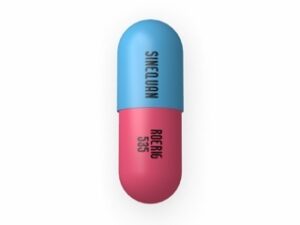
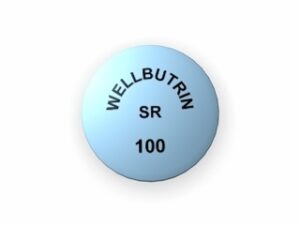
| Forms (varies by product) | Tablets/capsules depending on brand and availability |
| Typical directions | Oral dosing, often in the evening/night for sleep-related goals |
| Availability in Australia | Generally supplied through pharmacies; availability depends on brand and formulation |
How trazodone works (mechanism of action)
Trazodone is best described as a serotonin modulator. It affects serotonin pathways in several ways, which can contribute to improvements in mood and sleep. One of its key actions is to block certain serotonin receptors (including 5-HT2 receptors) while also influencing serotonin uptake and signalling through additional mechanisms.
It also has sedating and anti-anxiety effects for many people, especially when taken at lower doses or in the evening—this is one reason it may be used when sleep difficulties are part of the picture.
Importantly, medicine effects build over time. Some people notice sleep changes earlier, while mood benefits may take longer.
Pharmacokinetics: what the body does to trazodone
Pharmacokinetics describes absorption, distribution, metabolism, and elimination. While exact numbers vary by formulation and individual factors, the following concepts help patients understand typical behaviour of the medicine.
Absorption
Trazodone is absorbed after oral dosing. How quickly it begins working depends on the timing of your dose and whether it’s taken with food (see “Food interactions” below).
Distribution
The medicine spreads throughout the body and reaches the brain. This is part of why it can affect both mood and sleep.
Metabolism
Trazodone is metabolised mainly by the liver (enzymes including CYP3A4 are involved). Liver function and interactions with other medicines that affect these enzymes can change the way trazodone levels rise or fall.
Elimination
Trazodone and its metabolites are eliminated primarily via urine. Clearance is affected by age, liver function, and certain drug interactions.
What this means for patients
- If you start at a low dose, you may feel drowsy more than you expect at first—this is common.
- Dose adjustments are often slow to improve tolerability.
- Some drug interactions can substantially increase trazodone levels.
Typical use in everyday terms
Trazodone is used to treat depression and may be used to support sleep when appropriate for the person. If sleep is a goal, it’s usually taken in the evening or at night, depending on the plan and formulation.
Indications (when it may be used)
- Major depression (as an antidepressant therapy)
- Depression with associated sleep difficulties
- Sleep problems associated with psychiatric conditions where clinicians consider trazodone appropriate
When and how to take trazodone (timing)
Timing can strongly influence how you feel. Many people take trazodone in the evening because it can be sedating. If you are using it for depression symptoms, your prescriber may still choose evening dosing if it suits you.
General timing guidance
- For sleep-related goals: often taken shortly before bedtime.
- For split dosing: the day dose and night dose depend on the product and regimen.
- Keep a consistent schedule: taking it at similar times each day helps reduce variability in sleepiness and side effects.
Starting and adjusting
Clinicians frequently start at a lower dose and gradually adjust based on benefit and side effects. Do not change your dose abruptly unless advised by your healthcare professional.
Dosing: what patients should know
Dose varies widely based on the condition being treated, age, other medicines, and tolerability. The information below is educational and does not replace individual dosing instructions.
Common dosing approach
- Start low to reduce sedation, dizziness, and blood pressure effects.
- Increase slowly if needed to improve symptoms.
- Monitor for excessive drowsiness, morning hangover, or feeling faint.
How to take it
- Take tablets/capsules with water.
- Swallow whole unless the product instructions indicate otherwise.
- If you miss a dose: take it when you remember if it’s close to the next scheduled dose; otherwise skip and resume your usual schedule. Avoid doubling doses.
If you have questions about your specific tablet strength or regimen, check the label and the information supplied with your medicine.
Food interactions
Food can influence how quickly trazodone is absorbed and how sleepy you feel after taking a dose. Some people find that taking it with food reduces stomach upset. Others may notice a slower onset.
Practical food guidance
- Take with or after food if you experience nausea or stomach discomfort.
- Be consistent: if you take it with food one evening, try to follow a similar pattern each time.
- Avoid heavy alcohol use regardless of food (alcohol interactions are important).
If your medicine label provides specific instructions regarding meals, follow those instructions first.
Alcohol interactions and other medicine interactions
Alcohol: important caution
Combining trazodone with alcohol can increase sedation, dizziness, and risk of impaired coordination. This combination can also worsen sleep quality and increase the chance of accidents (including falls).
- It’s generally recommended to avoid alcohol while taking trazodone, especially when starting or adjusting the dose.
- If you choose to drink, discuss with a clinician or pharmacist for personalised advice.
Other medicines that may interact
Trazodone interacts with several medicine types. Some interactions can increase serotonin-related effects, while others can raise trazodone concentrations. Always provide your pharmacist and clinician with a complete list of medicines and supplements.
Medicines that may increase serotonin-related risk
- Other antidepressants (including SSRIs, SNRIs, MAOIs—depending on specific agents)
- Tramadol
- Linezolid (an antibiotic with MAOI activity)
- Some migraine medicines such as triptans
- Dextromethorphan (in some cough products)
- St John’s wort (herbal product)
Medicines that may increase trazodone levels
- Strong CYP3A4 inhibitors (certain antifungals, some antibiotics, and other medicines that can slow metabolism)
- Some HIV medications (depending on the specific drug)
Medicines that can increase sedation or affect coordination
- Opioid pain medicines
- Sleep medicines (hypnotics)
- Benzodiazepines and related sedatives
- Some antihistamines (particularly those that cause drowsiness)
Blood pressure and faintness considerations
Trazodone can sometimes cause dizziness or a drop in blood pressure, especially when standing quickly. This risk may be higher if combined with:
- Other blood pressure-lowering medicines
- Medicines that also cause dizziness
- Dehydration or illness
If you experience fainting, severe dizziness, or chest symptoms, seek urgent medical help.
Safety profile: common and serious side effects
Like all medicines, trazodone can cause side effects. Many are mild and improve as your body adjusts. However, some symptoms require urgent attention.
Common side effects
- Drowsiness or tiredness
- Dizziness (especially on standing)
- Dry mouth
- Nausea or stomach discomfort
- Headache
- Blurred vision (in some people)
- Constipation
Less common but important effects
- Low blood pressure (orthostatic hypotension)
- Sleep-related confusion or feeling “hung over” in the morning
- Sexual side effects may occur with some antidepressant medicines
- Changes in heart rhythm (rare, but important for people with risk factors)
Seek urgent medical help if you notice
- Signs of serotonin syndrome: agitation, confusion, sweating, fever, tremor, diarrhoea, fast heartbeat
- Severe allergic reactions: swelling of face/lips, difficulty breathing, widespread rash
- Fainting, severe dizziness, or chest pain
- Uncontrolled or persistent erection (priapism) lasting longer than expected—this is a medical emergency
- Unusual bleeding or bruising (particularly if you also take blood-thinning medicines)
Withdrawal and stopping
Stopping antidepressant medicines suddenly can lead to discontinuation symptoms in some people (such as dizziness, nausea, irritability, sleep disturbance). If you want to stop or reduce the dose, do so gradually under healthcare guidance.
Practical use tips for patients
Reduce falls risk
- Be careful when getting up at night (use a light or night-glow).
- Move slowly from lying/sitting to standing.
Manage next-day drowsiness
- Take the dose as advised (often closer to bedtime).
- Avoid driving or operating machinery until you know how it affects you.
- If you feel groggy, speak to a pharmacist/clinician—dose timing or strength may need adjustment.
Support consistent sleep hygiene
Medication can help, but sleep improvements are often stronger when paired with habits such as:
- Keeping a regular sleep/wake time
- Limiting caffeine late in the day
- Reducing screen time before bed
- Creating a cool, dark, comfortable room
What to do if you feel worse early on
If mood symptoms worsen, you develop severe anxiety, or you have thoughts of harming yourself, seek urgent help immediately. Talk to a clinician or contact emergency services in Australia.
Monitoring: what to expect over time
Many people start to notice some effects within days for sleep and within a few weeks for mood. Clinicians often reassess benefit and side effects after a period of treatment.
- Early stage: watch for drowsiness, dizziness, and blood pressure effects.
- Ongoing treatment: assess whether sleep and mood are improving.
- Longer term: review the continued need and the lowest effective dose.
Alternative options
Treatment plans are individual. If trazodone isn’t suitable—because of side effects, interactions, or preference—there are other options that clinicians may consider. Alternatives may differ depending on whether the main goal is depression, anxiety, or sleep.
For depression (examples of alternative medicine approaches)
- SSRIs (e.g., sertraline, fluoxetine, escitalopram)
- SNRIs (e.g., venlafaxine, duloxetine)
- Mirtazapine (sedating in some people)
- Other antidepressants depending on symptoms and comorbidities
For sleep problems (examples of non-medicine and medicine options)
- Sleep-focused behavioural strategies such as CBT-I (Cognitive Behavioural Therapy for Insomnia)
- Melatonin (in certain circadian rhythm situations)
- Short-term hypnotic options may be considered by clinicians in select cases
Your pharmacist can help you understand which options might be suitable based on your medical history and other medicines.
Australia: market, legal, and prescribing context (patient-friendly)
In Australia, antidepressants and other medicines are regulated under the Therapeutic Goods Administration (TGA) framework. Availability can depend on whether a medicine is listed as prescription-only or available through other channels. A pharmacy will follow Australian regulations for supply, labelling, and counselling.
When you purchase or receive trazodone-related products, you should expect:
- Clear product labelling (strength, form, directions)
- Consumer medicine information (CMI) and counselling
- Advice on side effects and interactions relevant to your medicine list
If you have a concession card or health plan, pharmacy staff can advise on applicable options where relevant.
Recent guidance and safety updates (general)
Like many antidepressant medicines, trazodone safety information is periodically updated through Australian medicines regulators and standard clinical practice updates. Clinicians remain attentive to issues such as:
- Serotonin syndrome risk when combined with serotonergic medicines
- Bleeding risk in people also taking anticoagulants/antiplatelets
- Fall risk in older adults and those on multiple sedating medicines
- Heart rhythm considerations in people with cardiac risk factors
If you’re unsure whether your combination of medicines is safe, check with your pharmacist before starting or adjusting treatment.
Delivery and availability (online pharmacy)
Availability and delivery time can vary based on stock levels, product formulation, and your location in Australia. Typically, online pharmacies can arrange:
- Home delivery within Australia
- Standard or express post options depending on location
- Packaging and labelling compliant with Australian requirements
Before ordering, review:
- The strength and form you require
- Whether it’s part of a repeat schedule or a new supply
- Estimated delivery time shown at checkout
Frequently Asked Questions (FAQ)
1) Is trazodone only for depression?
Trazodone is primarily an antidepressant medicine. However, it is also used in certain situations where sleep difficulties are part of the clinical picture. The exact reason and target symptoms depend on your healthcare plan.
2) How quickly will trazodone help?
For sleep, some people notice changes within the first few nights. For depression symptoms, noticeable improvement often takes longer—commonly several weeks. Your response may vary, so follow up with your clinician if you feel the medicine isn’t working or side effects are troublesome.
3) Can I take it with food?
Many people can take trazodone with food, which may help with nausea or stomach discomfort. Be consistent with how you take it day to day. If your product information specifies take with food/without food, follow that guidance.
4) Will trazodone make me feel drowsy the next day?
Drowsiness is a common early side effect. It may reduce as your body adjusts, but morning grogginess can still occur. Discuss dose timing and strength with your pharmacist or clinician if this affects your day activities.
5) Is it safe to drink alcohol while taking trazodone?
It’s generally best to avoid alcohol because it can increase sedation and impair coordination. This is particularly important when you’re starting treatment or adjusting the dose. If you have questions about occasional alcohol, speak to a pharmacist for personalised advice.
6) What medicines should I avoid?
Avoid or use caution with medicines that can increase serotonin effects (such as some antidepressants, tramadol, linezolid), and those that increase sedation (such as opioids, benzodiazepines, other sleep medicines). Also mention all medicines and supplements to your pharmacist, including herbal products like St John’s wort.
7) What if I feel dizzy when standing up?
Dizziness can happen due to blood pressure effects. Stand up slowly, sit if you feel faint, and avoid driving until you feel steady. If fainting or severe dizziness occurs, seek medical advice urgently.
8) Can I stop trazodone suddenly?
It’s usually safer not to stop abruptly. Stopping suddenly can cause discontinuation symptoms for some people. If you want to change or stop, do it gradually with healthcare guidance.
9) Who should be extra careful?
Extra caution may be needed if you are older, have liver disease, have a heart rhythm condition, have a history of falls, or are taking multiple sedating or interacting medicines. Your pharmacist can help review your risk based on your history.
10) Is trazodone habit-forming?
Trazodone is not typically considered a traditional dependence-forming sleeping tablet in the same way as some sedative-hypnotics, but it still requires careful use and guidance. Do not change your regimen without discussing it with a healthcare professional.
Final patient notes
Trazodone can be a helpful option for depression and sleep-related difficulties for the right person, at the right dose, and with appropriate monitoring. If you are unsure about how it fits with your health conditions or other medicines, talk to your pharmacist or clinician before starting or making changes.
Urgent help: If you experience severe allergic reactions, signs of serotonin syndrome, fainting, chest pain, or an erection that lasts longer than expected, seek urgent medical care immediately. For immediate threats to life, call emergency services in Australia.