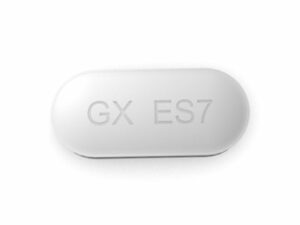


Zithromax (Azithromycin) – Patient Information (Australia)
Zithromax is a brand of azithromycin, an antibiotic used to treat certain bacterial infections. This guide is written to be patient-friendly and practical. It explains what Zithromax is, how it works, how it behaves in the body, what it is commonly used for, how to take it safely, and what to watch for—especially with food, alcohol, and other medicines.
In Australia, Zithromax products are supplied under established medicines regulations. Always follow the directions provided by your healthcare professional and the medicine label/consumer medicine information (CMI).
Key Product Facts
| Category | Information |
|---|---|
| Medicine name | Zithromax (azithromycin) |
| Medicine class | Macrolide antibiotic |
| What it treats | Bacterial infections (not viral infections like colds or flu) |
| Common forms | Tablets/extended-release tablets/suspension may be available (varies by product) |
| How it’s usually taken | Once daily in many regimens; some infections use shorter or longer schedules |
| Where it’s available | Pharmacy supply in Australia according to product status and regulations |
How Zithromax Works (Mechanism of Action)
Azithromycin is a macrolide antibiotic. It works by interfering with bacterial protein production.
- Target: Azithromycin binds to the 50S ribosomal subunit.
- Effect: It helps stop bacteria from making essential proteins needed to grow and multiply.
- Result: This action can either stop bacterial growth (bacteriostatic) or kill bacteria (bactericidal) depending on the organism and concentration.
Azithromycin also has some tissue penetration properties that contribute to its widespread use for respiratory and skin infections in appropriate patients.
Pharmacokinetics (What Happens in Your Body)
Pharmacokinetics describes how the body absorbs, distributes, metabolises, and eliminates a medicine.
- Absorption: Azithromycin is absorbed after oral administration. Effects of food can vary by formulation.
- Distribution: It concentrates in many tissues and inside immune cells. This is one reason some dosing regimens can be short.
- Metabolism: Azithromycin is metabolised partially in the liver.
- Elimination: It is eliminated mainly in bile, with a smaller portion in urine. It can remain in tissues for some time after the last dose.
- Half-life: The elimination half-life is relatively long, supporting once-daily dosing in many regimens.
Because azithromycin persists in the body and concentrates in tissues, it may continue to provide antibacterial activity even after finishing a course—when used correctly and for the right infection.
Typical Uses in Practice
Zithromax is used for infections caused by susceptible bacteria. Healthcare professionals choose antibiotics based on the most likely cause, severity, local resistance patterns, and individual patient factors.
Common infection types include:
- Respiratory tract infections: for certain bacterial causes such as some cases of sinusitis, bronchitis, or community-acquired pneumonia as clinically appropriate.
- Ear infections (otitis media) in certain situations.
- Skin and soft tissue infections caused by susceptible bacteria.
- Sexually transmitted infections in specific circumstances (e.g., when directed by guidelines and patient history). Treatment choice depends heavily on the organism and local protocols.
Important: Antibiotics do not treat viral illnesses. If you have symptoms consistent with a cold, flu, or most sore throats, Zithromax may not help.
When to Take Zithromax (Timing & Dosing Schedule)
Timing depends on the formulation and the infection being treated. Many regimens use once daily dosing, but some courses may include a higher first dose followed by lower doses, or may be prescribed for multiple days.
- Take at the same time each day to help you remember.
- Complete the full course even if you feel better. Stopping early can lead to relapse and contributes to resistance.
- If you miss a dose: Take it when you remember on the same day. If it’s close to the next dose, skip the missed dose—do not double up. If unsure, check your label or speak to a pharmacist.
Dosing (General Guidance)
Dosing must be individualised. The dose depends on the type of infection, severity, age/weight (especially for children), kidney/liver function, and whether other medicines are used. Below is general information to help you understand how dosing is commonly structured.
Typical dosing patterns you may see:
- 3–day regimens: often used for certain infections (commonly 500 mg once daily for adults in some products, or weight-based dosing in children).
- 5-day regimens: sometimes used (for example, a higher day-1 dose followed by daily doses on days 2–5, depending on infection and product).
- Extended-release / special formulations: may have different dosing instructions and food advice.
Never use someone else’s dosing schedule. If you are given Zithromax, follow the exact directions provided for your specific product.
Tablets vs suspension:
- Tablets/capsules should be taken whole unless the product instructions allow otherwise.
- Suspension should be measured carefully using the supplied measuring device.
- Shake well if directed; store according to the label (and refrigeration instructions if applicable).
Indications (When Zithromax May Be Used)
In Australia, azithromycin products may be used for a range of infections caused by susceptible organisms, including (examples):
- Community-acquired respiratory infections when bacterial infection is likely and the organism is susceptible.
- Skin/soft tissue infections where appropriate.
- Some sexually transmitted infections when it is recommended for the specific diagnosis and circumstances.
Your prescriber or pharmacist will consider your symptoms, medical history (including allergies), and local guidance before recommending azithromycin.
Food Interactions (What to Eat or Avoid)
Food effects depend on the specific Zithromax formulation.
- Most azithromycin regimens can be taken with or without food. However, taking it with food may improve stomach comfort for some people.
- Some extended-release formulations may have specific food timing instructions.
Practical tip: Check your medicine label or the CMI for your exact product. If you experience nausea or stomach upset, consider taking it with a light meal unless the label says otherwise.
Alcohol and Medicine Interactions
Alcohol
There is no universally required “no alcohol” rule for azithromycin, but alcohol can worsen side effects such as nausea, dizziness, stomach upset and may make you feel worse while you’re ill. If you choose to drink alcohol, do so in moderation and consider avoiding it while symptoms are at their worst.
Interactions with Other Medicines
Azithromycin can interact with certain medicines by affecting drug levels or heart rhythm, depending on the combination. Always tell your pharmacist or healthcare professional about all medicines you take, including over-the-counter products and herbal supplements.
Examples of medicines that may require extra caution:
- Medicines that affect heart rhythm (QT prolongation): Some antidepressants, antipsychotics, antiarrhythmics, and certain antibiotics/antifungals can raise the risk of rhythm problems when combined.
- Antacids: Some products can affect absorption if taken at the wrong time. If you use antacids, ask your pharmacist about spacing.
- Warfarin or other blood thinners: Antibiotics can influence bleeding risk in some people. Monitoring may be needed.
- Other medicines metabolised by the liver: Clinically important interactions are less frequent than with some other antibiotic classes, but medication review is still important.
- Cholesterol-lowering medicines (statins): The risk of muscle-related side effects may increase with some combinations in certain circumstances—monitor for unusual muscle pain or weakness.
Always seek advice before starting, stopping, or combining medicines.
Safety Profile (What to Watch For)
Most people tolerate azithromycin well. However, like all medicines, it can cause side effects. Some reactions require urgent medical attention.
Common Side Effects
- Nausea
- Diarrhoea
- Abdominal (stomach) pain
- Headache
- Vomiting (less common)
- Mild taste changes
Less Common but Important Risks
- Allergic reactions: rash, itching, swelling of face/lips, or breathing difficulty.
- Severe skin reactions: blistering or peeling skin, mouth sores (seek urgent care).
- Liver problems: yellowing of skin/eyes, dark urine, severe fatigue (seek medical review).
- Heart rhythm changes: palpitations, fainting, or severe dizziness—especially in people with existing rhythm conditions or who take interacting medicines.
- Antibiotic-associated diarrhoea: persistent watery diarrhoea, fever, or blood/mucus in stool may require prompt assessment.
When to Get Urgent Help
Seek urgent medical care or call emergency services if you experience:
- Difficulty breathing, swelling of the face or throat
- Severe rash or blistering skin
- Fainting, severe dizziness, or strong palpitations
- Severe or persistent diarrhoea (especially with fever or blood)
Practical Use Tips (How to Take It Well)
- Confirm the medicine: Ensure you have the correct Zithromax product and strength before taking it.
- Follow the schedule: Don’t stop early when you feel better.
- Hydrate: If you have fever or diarrhoea, drink fluids regularly.
- Manage stomach upset: Taking with food may help (unless your product label says otherwise).
- Measure liquid correctly: Use the supplied dosing syringe/cup and shake the bottle if directed.
- Keep track of other medicines: If you’re starting new medications while on azithromycin, ask a pharmacist to check for interactions.
- Do not share antibiotics: Different infections need different treatments.
What to Expect During Treatment
Many bacterial infections start improving within 24–72 hours after starting effective antibiotic therapy, though symptom relief varies by condition. If you have not improved after a few days, your healthcare professional may reassess the diagnosis, consider antibiotic resistance, or evaluate for complications.
Seek review sooner if symptoms worsen quickly, you develop severe pain, persistent high fever, trouble breathing, or dehydration.
Alternative Options (Discuss With a Pharmacist or Doctor)
Alternatives depend on the infection, likely bacteria, allergy history, and local resistance. Possible alternative antibiotic classes used for similar indications can include:
- Amoxicillin or other penicillins (for certain respiratory/ear infections when appropriate)
- Doxycycline (for some respiratory infections, depending on age/pregnancy considerations)
- Cephalosporins (for selected infections)
- Clindamycin (for some skin/soft tissue infections in certain situations)
- Other macrolides (e.g., clarithromycin) in selected cases
Non-antibiotic supportive care may also be appropriate for some conditions (for example, pain relief, hydration, and monitoring).
Market and Legal Context for Australia
In Australia, access to medicines follows the Therapeutic Goods Administration (TGA) and the Australian regulatory framework, including scheduling requirements that determine whether supply is restricted. Zithromax products are regulated based on formulation and strength.
For online pharmacy purchases, reputable suppliers follow Australian rules for:
- Providing appropriate consumer medicines information
- Ensuring correct identity of the product
- Supplying only to eligible customers under the applicable rules
- Maintaining privacy and safe handling
Product availability can vary by state/territory and supply chain. If your preferred Zithromax formulation isn’t available, your pharmacist may suggest a clinically appropriate alternative where permitted.
Recent Guidance & Antibiotic Stewardship (Australia)
Antibiotic prescribing practices increasingly emphasise antibiotic stewardship—meaning antibiotics should be used only when bacterial infection is likely and when the benefits outweigh risks.
- Right medicine: selection should match the most likely bacteria.
- Right dose and duration: taking the full course as directed reduces relapse.
- Resistance awareness: overuse increases resistance, which can reduce future effectiveness.
- Local guidance: Australian clinical guidelines (including those informed by public health advice) guide best practice.
If you’re unsure whether your illness needs an antibiotic, speak with a healthcare professional. For many viral infections, supportive care and symptom monitoring may be more appropriate.
Delivery and Availability (Online Pharmacy in Australia)
Availability of Zithromax varies by product type (for example, tablets versus suspension). Online pharmacies in Australia typically offer:
- Product listings with strength and form clearly displayed
- Secure checkout and confirmation of eligible supply requirements
- Tracked delivery where available
- Packaging suitable for medication transit
Delivery times: delivery schedules differ by location and stock status. During high demand, delays can occur.
Storage on arrival: store medicine as directed on the label/CMI (some liquids may require refrigeration).
FAQ (Frequently Asked Questions)
1) Is Zithromax the same as azithromycin?
Yes. Zithromax is a brand name for azithromycin. Different brands may contain the same active ingredient.
2) Can I take Zithromax if my illness is a cold or the flu?
Antibiotics like azithromycin are for bacterial infections. Colds and influenza are usually viral, so Zithromax generally won’t help. If you’re unsure, seek medical advice.
3) How quickly should I feel better?
Many people start to notice improvement within a couple of days. If you’re not improving after 48–72 hours (or symptoms worsen), contact a healthcare professional for reassessment.
4) What should I do if I miss a dose?
Take it when you remember if it’s still the same day. If it’s close to your next scheduled dose, skip the missed dose. Do not double up. If you’re uncertain, ask your pharmacist.
5) Should I take Zithromax with food?
Many people can take it with or without food, but it depends on the exact product/formulation. If stomach upset occurs, taking it with food may help—unless the label says otherwise.
6) Can I drink alcohol while taking Zithromax?
Moderate alcohol is not usually described as strictly prohibited, but it may worsen side effects and make you feel sicker. If possible, avoid alcohol until you feel well, and always follow your healthcare professional’s advice.
7) What medicines should I be careful with?
Pay special attention to medicines that can affect heart rhythm, blood thinning medicines, and certain antacids. Always provide your full medication list to a pharmacist to check interactions.
8) Are there any people who should not take azithromycin?
People with a history of allergy to macrolides (including azithromycin) should avoid it. Those with certain heart rhythm conditions or significant liver issues may need additional caution. Your healthcare professional can advise based on your history.
9) What side effects are normal?
Mild stomach upset, nausea, or diarrhoea can occur. Contact a clinician if diarrhoea is severe, persistent, or contains blood; or if you develop signs of allergy, severe rash, or yellowing of the skin/eyes.
10) What if I’m pregnant or breastfeeding?
Azithromycin may be used in pregnancy or breastfeeding when clearly needed, but the decision should be individualised. Discuss your situation with a healthcare professional.
Summary
Zithromax (azithromycin) is a macrolide antibiotic used for certain bacterial infections. It works by inhibiting bacterial protein production. Azithromycin concentrates in tissues and can provide sustained activity, which supports common once-daily dosing schedules. To get the best outcome, take it exactly as directed, finish the course, and be mindful of potential interactions—especially with other medicines that may affect heart rhythm or interact with antibiotic treatment.
If you have questions about your specific product strength, food timing, missed doses, side effects, or interactions, contact your local pharmacist or healthcare provider.