

Zolmitriptan (Oral) — Patient Information
Zolmitriptan is a medicine used to treat migraine attacks. It belongs to the “triptan” group, which works by narrowing certain blood vessels and reducing migraine-related signalling in the brain. This guide is written to help you understand what zolmitriptan does, how it is used, what to expect, and how to use it safely and effectively in Australia.
Always follow the specific instructions provided with your product and consult a healthcare professional if you have questions about suitability for you.
Basic Product Information
| Information | Details |
|---|---|
| Medicine name | Zolmitriptan |
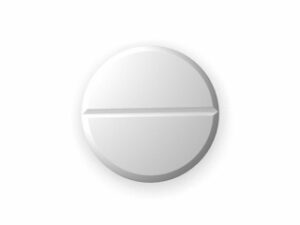
| Common form(s) | Tablet (varies by brand/strength). Some products may also be available as other formulations depending on market availability. |
| Medicine type | Triptan (5-HT1 receptor agonist) |
| Typical strengths | Varies by product (e.g., 2.5 mg and 5 mg are common tablet strengths in many markets). |
| How it helps | Reduces migraine pain and associated symptoms (e.g., nausea, sensitivity to light/sound) when taken at the right time. |
What Migraine Symptoms Can Zolmitriptan Help With
Migraine is more than a headache. During a migraine attack you may experience:
- Moderate to severe head pain (often one-sided, but can be both)
- Nausea and/or vomiting
- Sensitivity to light (photophobia) and sound (phonophobia)
- Symptoms that worsen with physical activity
- Sometimes an aura (visual changes, tingling, or other neurological symptoms) before the headache
Zolmitriptan is designed for acute treatment—meaning it’s taken to treat an attack when it starts or during the attack, not to prevent migraines long term.
Mechanism of Action (How Zolmitriptan Works)
Zolmitriptan works mainly by stimulating serotonin (5-HT) receptors in the brain—particularly the 5-HT1B and 5-HT1D receptor subtypes. These receptors are involved in migraine biology.
The medicine helps in several ways:
- Narrowing of certain blood vessels in the brain area involved in migraine (this effect may help reduce pain).
- Reducing release of migraine-related inflammatory signalling from nerves in the head and neck region.
- Interrupting migraine pathways that contribute to pain and associated symptoms.
Triptans are generally most effective when used early in the attack, though they can still help even if taken when pain is already established.
Pharmacokinetics (Absorption, Metabolism, and Elimination)
“Pharmacokinetics” describes how your body handles a medicine—how it is absorbed, processed, and removed.
- Absorption: Zolmitriptan is absorbed after oral dosing. Onset of symptom relief can vary between people.
- Peak levels: The medicine reaches peak blood levels within a few hours (typically around 1–2 hours for many people, depending on formulation and individual factors).
- Metabolism: Zolmitriptan is metabolised primarily in the liver. A key active metabolite may contribute to overall effect.
- Elimination: Metabolites are eliminated mainly through the kidneys (urine). A smaller proportion may be eliminated via bile/faeces.
- Duration of action: The “effective window” is usually several hours; some people may need a repeat dose if symptoms return.
If you have kidney or liver problems, your healthcare professional may recommend a different dosing approach or a lower dose, as drug handling may change.
Typical Use and Indications
Zolmitriptan is indicated for the acute treatment of:
- Migraine attacks with or without aura
- Cluster headache in some jurisdictions and formulations (availability and approved indications can vary by product and local regulatory decisions). If you are considering use for cluster headache, check the specific product information and local advice.
It is not intended for routine prevention of migraine. If you have frequent attacks, you may need a separate preventive plan.
Timing: When to Take Zolmitriptan
For best results, take zolmitriptan as early as possible in your migraine attack—ideally when migraine symptoms begin (head pain and/or other symptoms like nausea and sensitivity).
- During aura: If you have aura but no headache yet, some people take treatment at the start of aura; others wait until pain begins. Follow your product instructions and clinical advice.
- When pain is established: Zolmitriptan may still help if taken later, but earlier dosing generally gives better chance of relief.
- Consistency matters: Use your dose strategy each time you treat to help you learn what works best for your body.
If your migraine does not respond to the first dose, do not automatically assume it will never work—discuss with a clinician if repeated attacks are not responding.
Dosing (General Guidance)
Dosing can vary by age, strength, and individual medical factors. Always follow the dosing schedule provided with your product or by your healthcare professional.
Common adult dosing approach (general information):
- Initial dose: Often 2.5 mg at the start of a migraine attack.
- Second dose if needed: If symptoms return or don’t improve after the first dose, a second dose may be taken after a set interval.
- Time interval between doses: Many product schedules allow a repeat dose after at least 2 hours (check your specific pack instructions).
- Maximum daily dose: There is a maximum total amount in 24 hours. Do not exceed this limit.
For certain people—particularly those with significant kidney impairment, liver impairment, or those taking interacting medicines—lower doses or maximum limits may apply.
Children and adolescents: Use in younger age groups depends on the specific product’s approved indications and strength. Consult local guidance and product information for age suitability.
Practical Use Tips
- Keep your dose plan simple: If you’ve been advised on a typical approach (e.g., first dose, then repeat after a minimum interval), follow it consistently for the next few attacks to understand your response pattern.
- Take with water: Swallow tablets with a full glass of water.
- Consider timing with nausea: If nausea is severe, you may benefit from using your usual anti-nausea approach alongside migraine care (and discuss options with a clinician/pharmacist).
- Track your symptoms: If you keep a brief migraine diary (time taken, response, side effects), it can help your healthcare professional optimise treatment.
- Avoid “too frequent” use: Using acute migraine medicines too often can contribute to medication overuse headaches.
Safety Profile (What to Expect and When to Seek Help)
Like all medicines, zolmitriptan can cause side effects. Most are mild and short-lived, but it’s important to know what’s normal and what requires urgent help.
Common or likely side effects
- Unusual sensations (e.g., tingling, warmth, heaviness)
- Dizziness
- Sleepiness or fatigue
- Nausea (some people may feel it after taking a dose)
- Dry mouth
Less common but important effects
- Chest, throat, or jaw tightness or pain (usually transient, but must be taken seriously)
- Shortness of breath or wheezing
- Changes in heart rate or palpitations
- Allergic reactions (rash, swelling, difficulty breathing)
Seek urgent medical attention if you experience
- Signs of a heart problem (e.g., chest pain lasting, severe shortness of breath, fainting)
- Sudden weakness or numbness, facial droop, trouble speaking (stroke-like symptoms)
- Severe allergic reaction symptoms (swelling of face/lips/tongue, severe rash, breathing difficulty)
Food Interactions and Dietary Considerations
Zolmitriptan can generally be taken with or without food. However, a heavy meal may delay absorption for some people, potentially affecting “how soon” you feel relief.
- If you can eat lightly: Taking the tablet with a small amount of food may help if you experience stomach upset.
- If nausea is prominent: Take with water; avoid large, greasy meals during a migraine attack.
If you notice consistent delayed response when taking with heavy meals, try taking future doses with water and a lighter intake (unless your product instructions advise otherwise).
Alcohol and Medicine Interactions
Alcohol does not have a single universal interaction with zolmitriptan for every person, but alcohol can:
- Trigger migraines in some people
- Worsen dehydration, sleep quality, and nausea
- Increase side effects like dizziness or drowsiness
For safety and to reduce the risk of side effects, it’s generally recommended to avoid or limit alcohol around the time you are treating a migraine with zolmitriptan.
Important medicine interactions
Zolmitriptan can interact with medicines that affect serotonin pathways or drug metabolism enzymes. This can increase the risk of side effects or reduce effectiveness.
Some of the key interaction categories include:
- Other triptans (e.g., sumatriptan, rizatriptan): taking together may increase side-effect risk.
- Ergot medicines used for migraine (e.g., ergotamine, dihydroergotamine): combination risk may be increased; spacing rules often apply.
- MAO inhibitors (monoamine oxidase inhibitors): may significantly affect zolmitriptan levels.
- SSRIs/SNRIs and other serotonergic medicines (e.g., antidepressants): while not always contraindicated, the overall serotonin effect should be considered.
- Certain antibiotics or antifungals that affect drug metabolism: may raise zolmitriptan concentrations.
- Cimetidine (acid-reducing medicine): can increase zolmitriptan levels.
Always provide your current medication list to your pharmacist/doctor so interactions can be checked.
Safety Considerations (Who Should Be Cautious)
Zolmitriptan may not be suitable for everyone. You should discuss suitability if you have any of the following:
- Heart or blood vessel disease (including coronary artery disease, history of stroke/TIA)
- Uncontrolled high blood pressure
- Severe liver impairment
- Risk factors for cardiovascular disease (e.g., strong family history, smoking, diabetes)
- Frequent migraine attacks where medication overuse may become a concern
If you have hemiplegic or basilar migraine, the safety of triptans needs careful review—follow medical advice and local product guidance.
Medication Overuse Headache (How Often You Should Use)
Using migraine-specific (acute) medicines too frequently can sometimes lead to medication overuse headache, where headaches become more frequent and difficult to treat.
Practical guidance:
- If you find you need acute treatment very often (for example, several times a week), seek advice about a preventive strategy.
- Try to establish boundaries for acute use and track your frequency.
Your pharmacist or GP can help determine a safe personal limit based on your medication type and pattern of attacks.
Alternative Options (If Zolmitriptan Isn’t Suitable or Doesn’t Work)
If zolmitriptan is not effective enough, causes side effects, or is unsuitable for you, there are several alternative approaches:
- Other triptans: Different triptans (e.g., sumatriptan, rizatriptan, eletriptan, naratriptan) may work differently for different people.
- Non-triptan acute treatments: Some medicines target migraine biology differently (availability and suitability vary).
- Analgesics: For milder attacks, paracetamol or NSAIDs (when safe for you) may help—particularly early in the attack.
- Anti-nausea medicines: If nausea is a major problem, combining a suitable anti-nausea medicine can improve overall symptom control.
- Preventive therapies: For frequent or disabling migraine, preventive medications and non-medicine strategies (e.g., lifestyle measures, some supplements where appropriate) may reduce attack frequency.
Your best alternative depends on your migraine pattern, medical history, and what you’ve already tried.
Market and Legal Context for Australia (General Overview)
In Australia, migraine medicines are managed under the national regulatory framework for medicines and pharmacy supply. Availability may vary by product formulation and classification. Some migraine therapies are available only through prescription channels, while others may be obtainable through pharmacy supply pathways depending on local rules and packaging.
When purchasing medicines online, choose reputable Australian-registered pharmacies and ensure the product:
- Matches the intended strength and formulation
- Provides Australian-approved consumer medicine information (CMI) or equivalent
- Is supplied with correct labelling and expiry details
If you are unsure about eligibility or supply category, consult a pharmacist. This is especially important for medicines where safety screening and interaction checks are critical.
Recent Guidance (What Matters for Patients)
Recommendations for migraine care evolve over time as new evidence emerges. In recent years, emphasis has commonly included:
- Early treatment of migraine attacks
- Individualised therapy (trial and adjustment when one medicine doesn’t fully work)
- Preventing medication overuse by monitoring acute use frequency
- Checking interactions, especially with serotonergic or metabolism-related medicines
- Considering preventive approaches when attacks are frequent, disabling, or not adequately controlled
Always follow the most current product information and local health advice from Australian healthcare providers.
Delivery and Availability (Online Pharmacy Information)
Availability of zolmitriptan products can vary depending on stock levels, brand, and tablet strength. When ordering online, you can generally expect:
- Product listing with strength: Confirm you are selecting the correct strength.
- Packaging and expiry details: Medicines should include clear labelling and expiry information.
- Delivery to your address: Delivery time depends on courier service and location within Australia.
- Privacy and security: Reputable pharmacies ship in a discreet package.
If you need the medicine urgently, contact customer support to confirm dispatch cut-off times and delivery estimates. Also check any “cold chain” requirements—most tablets do not require refrigeration, but always follow the pack instructions.
Frequently Asked Questions (FAQ)
1) How quickly does zolmitriptan work?
Many people begin to feel improvement within a few hours of taking zolmitriptan. Timing can vary based on how early you take it and how your body absorbs the dose during an attack.
2) Can I take zolmitriptan with other painkillers?
Often, migraine plans include combining approaches (e.g., a triptan and a separate analgesic), but the safest combination depends on your health history and the specific products involved. Ask a pharmacist about a safe plan for you.
3) What if the first dose doesn’t work?
If you don’t get relief, you may be able to take a second dose according to the product’s instructions. If attacks repeatedly don’t respond, discuss options with a healthcare professional—different dosing strategies or alternative medicines may be considered.
4) Is zolmitriptan safe to use during an aura?
Zolmitriptan is used for migraines with or without aura. Whether to take it at the start of aura versus when headache begins may vary. Follow product instructions and your healthcare professional’s advice.
5) Can I drink alcohol after taking zolmitriptan?
Alcohol can worsen migraine symptoms and may increase dizziness or drowsiness for some people. For best results and safety, avoid or limit alcohol when you are treating a migraine.
6) Who should not take zolmitriptan?
Suitability depends on your medical history. It may be unsafe for people with certain heart and blood vessel conditions or history of stroke/TIA, and caution is needed with many interacting medicines. A pharmacist can help check safety based on your current health profile.
7) What should I do if I miss guidance on dosing intervals?
If you’re unsure how to proceed, check the consumer medicine information or speak with a pharmacist. Do not exceed the maximum dose in 24 hours.
8) Can zolmitriptan be used for prevention?
Zolmitriptan is intended for acute treatment of migraine attacks, not prevention. If you have frequent migraines, ask about preventive options and lifestyle strategies.
9) Are there storage instructions?
Store tablets according to the product label (commonly at room temperature, protect from moisture, and keep out of reach of children). Check the specific pack for details.
10) When should I talk to a doctor urgently?
Seek urgent help if you experience severe or persistent chest/throat symptoms after taking zolmitriptan, signs of stroke (facial droop, weakness, speech trouble), severe allergic reactions, or a sudden “worst headache” unlike usual patterns.
Summary
Zolmitriptan is a triptan medicine used to treat acute migraine attacks in adults, and in some cases may be used for other headache conditions depending on local indications. It works by activating serotonin receptors involved in migraine pathways, helping relieve pain and associated symptoms.
For best results: take it early in the attack when symptoms begin, follow dosing intervals carefully, and watch for interactions—especially with other serotonergic medicines, MAO inhibitors, and certain drugs that affect metabolism. If you find you need acute migraine treatment frequently, consider discussing a preventive plan to reduce the risk of medication overuse headaches.
If you have questions about whether zolmitriptan is suitable for you, consult a pharmacist or healthcare professional and review the consumer medicine information included with your product.