Zyban (Bupropion) – Patient Guide (Australia)
Zyban is a medicine containing bupropion. In Australia, it is commonly used to support smoking cessation and may also be used for other clinical purposes as determined by healthcare professionals. This guide explains how Zyban works, how it is typically taken, and important safety information to help you use it more confidently.
| Product | What to know |
|---|---|
| Zyban | Brand name for bupropion (extended-release tablets in many markets). In Australia, follow your pack instructions and clinician directions. |
| Use | Primarily to help people quit smoking by reducing cravings and withdrawal symptoms. |
| How it works | Affects brain chemicals (including dopamine and noradrenaline) and helps reduce nicotine withdrawal symptoms. |
| Typical timing | Often started before the quit date (commonly about 1–2 weeks before stopping smoking) to allow medicine levels to build. |
| Key cautions | Risk of seizures is increased in some situations. Alcohol and certain medicines may increase risk—see “Safety profile” and “Interactions.” |
Basic product information
Zyban is a branded form of bupropion. Bupropion is an antidepressant-related medicine that works through neurotransmitters involved in reward, motivation, and appetite. For smoking cessation, it is thought to help by reducing nicotine cravings and easing withdrawal effects.
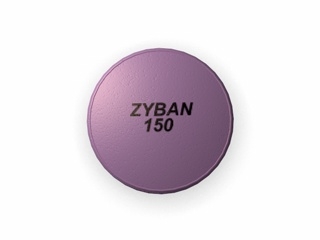
Important: If you are unsure what strength your tablets are (for example, 150 mg extended-release), check your specific pack or ask your pharmacist. Dosage instructions below are general guidance.
How Zyban works (mechanism of action)
Zyban is not a nicotine replacement product. Instead, it influences brain pathways involved in addiction:
- Dopamine and noradrenaline activity: Bupropion inhibits reuptake of these neurotransmitters, helping modulate reward and craving signals.
- Reduced withdrawal symptoms: By changing brain chemistry, it may lessen irritability, restlessness, urge-to-smoke, and other withdrawal-related feelings.
- Support for behaviour change: Many people find that pairing Zyban with a structured quit plan (trigger planning, support, and coping strategies) improves success.
Pharmacokinetics: how the body handles bupropion
“Pharmacokinetics” describes how the body absorbs, distributes, metabolises, and eliminates a medicine. For bupropion, these general points are helpful:
- Absorption: After you take a tablet, the medicine is absorbed through the gastrointestinal tract. Extended-release formulations are designed to release the medicine more gradually.
- Metabolism: Bupropion is metabolised primarily in the liver, including formation of active metabolites.
- Elimination: The medicine and its metabolites are cleared mainly via the kidneys.
- Steady levels: Because bupropion is taken regularly, blood levels build over time. This is one reason treatment often starts before the quit date.
Typical use in Australia: smoking cessation
Zyban is used as part of a quit-smoking strategy. It can be particularly useful if you have tried to quit before and found cravings or withdrawal hard to manage.
Your results are usually better when Zyban is combined with:
- a quit plan with a clear stop date
- identifying smoking triggers (e.g., after meals, stress, driving)
- behavioural support (group programs, counselling, quitline resources)
- practical coping tools for cravings (delay, distraction, breathing techniques, replacement routines)
Timing: when to start and when to stop smoking
A common approach is to begin Zyban before your quit date, so the medicine is at an effective level when you stop. A healthcare professional may advise a specific schedule, but many plans follow this pattern:
- Start date: usually about 1–2 weeks before your quit day.
- Quit date: the day you stop smoking completely.
- Continue treatment: for a recommended duration (often several weeks to months), based on your response and clinical advice.
If you miss doses or stop early, the benefits may be reduced. Always follow the instructions on your pack and clinician advice.
Indications: what Zyban may be used for
In Australia, Zyban (bupropion) is most widely known for assisting smoking cessation. Depending on your medical history and current needs, your healthcare professional may consider other appropriate uses.
This page focuses on smoking cessation support. If you are taking Zyban for another reason, consult your pharmacist for tailored guidance on timing and safety.
Dosing: general guidance
Dosing should be individualised based on your age, medical history, and other medicines. Always use the dose specified for your specific product strength and your clinician’s plan. Below is general information commonly used for smoking cessation:
- Initial period: treatment often begins with a lower dose to improve tolerability.
- Target dose: may increase after several days depending on response and side effects.
- Frequency: extended-release tablets are typically taken once or twice daily depending on the formulation and prescribed regimen.
- Daytime dosing: doses are usually taken earlier in the day to reduce the risk of insomnia.
Swallow whole: Do not crush, break, or chew extended-release tablets unless your pharmacist specifically advises it. Breaking tablets can change how the medicine is released and may increase side effects.
If you forget a dose
- If you remember soon after your usual time, take it if it’s still close to the next scheduled dose.
- If it’s nearly time for the next dose, skip the missed dose.
- Do not double doses to make up for a missed tablet.
How to take Zyban (practical use tips)
- Use a consistent schedule: take your tablet(s) at the same times each day.
- Manage insomnia risk: if Zyban affects your sleep, discuss timing adjustments with your pharmacist.
- Stay hydrated and take with water: this can help with tablet tolerance.
- Combine with behavioural support: set up your environment—remove cigarettes, lighters, and ashtrays.
- Track cravings: note what triggers urges and what strategies help you get through them.
If you stop smoking but feel persistent mood changes, anxiety, agitation, or other concerns, seek medical advice promptly.
Food interactions and taking with meals
For many people, Zyban can be taken with or without food. However, individual tolerability varies:
- If you experience nausea or stomach upset, consider taking it with a meal or snack.
- Avoid sudden changes to your eating pattern if you notice dizziness or appetite changes.
- Follow the instructions on your pack and discuss special diets with your pharmacist.
There are no commonly recommended “avoid these foods” restrictions, but interactions can occur through medicine combinations (see below).
Alcohol and medicine interactions: key safety points
One of the most important safety areas with bupropion is related to seizure risk. Alcohol can influence this risk, especially in specific situations.
Alcohol
- Limit alcohol: it’s generally recommended to keep alcohol intake low while taking Zyban.
- Avoid heavy drinking: binge drinking may increase the risk of seizures and worsen side effects.
- Alcohol withdrawal risk: abrupt stopping after heavy or regular drinking may increase seizure risk. Seek medical advice if you are concerned about withdrawal.
- Talk to your pharmacist if you drink regularly or have a history of alcohol misuse.
Medicines that may interact
Some interactions can increase side effects or affect how bupropion is metabolised. It is important to tell your pharmacist about all medicines and supplements you use, including:
- Other antidepressants and medicines affecting serotonin/noradrenaline (may increase the risk of side effects in certain combinations).
- Medicines that lower the seizure threshold, including some antipsychotics, stimulants, certain pain medicines (opioids vary), and other treatments that may increase risk.
- Some antiarrhythmics and other medicines that can affect electrical activity of the heart (risk depends on the specific drug).
- Medicines that strongly affect liver enzymes (how quickly bupropion is broken down). This can raise or lower bupropion levels.
- Other nicotine-related products (nicotine patches/gum) may be combined in some cases under professional advice. Your pharmacist can help with a safe plan.
If you start, stop, or change any medicine, recheck with your pharmacist—particularly during the first few weeks of treatment.
Safety profile: what to watch for
Most people tolerate Zyban reasonably well, but it is not suitable for everyone. Certain risks must be considered before starting and during treatment. If you have any symptoms that concern you, contact a healthcare professional promptly.
Common side effects
- Dry mouth
- Headache
- Nausea or stomach upset
- Insomnia or trouble sleeping
- Agitation, anxiety, or feeling “wired”
- Dizziness
- Constipation or changes in appetite
Serious warnings (seek urgent medical advice if these occur)
- Seizure: stop taking the medicine and seek urgent medical help if you suspect a seizure.
- Allergic reactions: swelling of the face/lips, rash with breathing difficulty, or severe skin reactions.
- Severe mood changes: new/worsening depression, unusual thoughts, or behavioural changes that feel unsafe.
- Chest pain, fainting, severe palpitations: especially if you have heart conditions or take interacting medicines.
Who should be extra cautious
Zyban may not be appropriate for some people or may require special dosing adjustments if you have certain conditions, including:
- History of seizures or a condition that increases seizure risk
- Eating disorders such as bulimia or anorexia nervosa
- Head injury or other neurological risk factors
- Heavy alcohol use or risk of alcohol withdrawal
- Use of medicines that lower seizure threshold
- Significant liver disease (may require dose changes or alternative treatment)
When to contact your pharmacist or doctor
Consider contacting a healthcare professional if you experience:
- side effects that persist or become severe (especially insomnia, agitation, or dizziness)
- unusual mood changes or worsening anxiety/depression
- symptoms of an allergic reaction
- concerns about alcohol use or interactions with other medicines
Alternatives to Zyban for quitting smoking
There are several evidence-based options for smoking cessation. The best choice depends on your preferences, medical history, and previous attempts.
Common alternative approaches
- Nicotine Replacement Therapy (NRT): patches, gum, lozenges, inhalers, or sprays. These deliver nicotine to reduce withdrawal while you break the habit.
- Combination therapy: some people use NRT together with bupropion under clinical guidance.
- Behavioural support programs: counselling, coaching, or structured quit plans.
- Other prescription options: other medicines may be considered in certain situations by clinicians, depending on suitability and availability.
If you’ve tried Zyban before and stopped due to side effects, talk to your pharmacist. Adjustments in timing, managing insomnia, or switching strategies may be possible.
Market and legal context in Australia (what you should know)
Zyban (bupropion) is regulated in Australia under the Therapeutic Goods Administration (TGA) framework and listed according to its approved therapeutic uses. Medicines in Australia are legally supplied via permitted channels, and safety information—including indications, dosing, and contraindications—must be followed.
For the most current information about eligibility, product strength, and safety warnings, always refer to the information on the product pack and to advice provided by your healthcare professional.
Recent guidance note: Over time, smoking cessation recommendations evolve and safety communications may be updated by regulators and clinical bodies. If you are starting Zyban, it’s wise to confirm you are using up-to-date pack instructions and to discuss your current medication list with your pharmacist—particularly if you have changed medicines recently.
Delivery and availability (online pharmacy considerations)
Availability of Zyban can vary by location, pharmacy stock levels, and prescribing requirements for supply in Australia. If you order online:
- Check product strength and form before confirming your order.
- Allow processing and delivery time, which may vary by state and courier service.
- Packaging should be intact on arrival, with clear label details and expiry date.
- If you have questions about suitability or interactions, contact customer support or a pharmacist.
In general, medicines should be stored as directed on the label (often at room temperature, protected from moisture and heat). Keep out of reach of children.
FAQ
1) What is Zyban used for?
Zyban (bupropion) is used to help people quit smoking. It helps reduce cravings and withdrawal symptoms when you stop cigarettes.
2) When should I start Zyban before quitting?
Many quit plans start Zyban about 1–2 weeks before the quit date. This allows the medicine to reach effective levels. Follow your personalised plan and the pack instructions.
3) Can I drink alcohol while taking Zyban?
It is usually recommended to limit alcohol. Heavy drinking and alcohol withdrawal can increase seizure risk and worsen side effects. If you drink regularly, speak with your pharmacist about a safe approach.
4) What if I miss a dose?
If you remember soon, take it if it’s still close to the next dose. Otherwise, skip it. Do not double the dose.
5) Will Zyban make me feel “high” or change my mood?
Some people may notice changes such as increased alertness, anxiety, or sleep disturbance—especially early in treatment. Significant mood changes, agitation, or thoughts that feel unsafe require prompt medical advice.
6) Are there common side effects?
Yes. Common ones include dry mouth, headache, nausea, constipation, dizziness, and insomnia. Many improve after the first week or two.
7) How long do I need to take Zyban?
Treatment duration varies by person and clinical plan. It is often continued for several weeks to months to support long-term quitting.
8) Can I combine Zyban with nicotine patches or gum?
Some people may use combination strategies under clinician guidance. Because safety and dosing depend on your situation, ask a pharmacist whether combining products is appropriate for you.
9) Who should avoid Zyban or seek extra advice?
People with a history of seizures, eating disorders such as bulimia/anorexia nervosa, significant liver disease, or those at high risk of alcohol withdrawal may need special consideration. Always review your risk factors with a pharmacist.
10) Does Zyban help with cravings the first day I stop smoking?
Some benefit may be felt early, but many people get the best support when treatment has started in advance and levels are established.
Summary
Zyban (bupropion) is a prescription medicine used to support smoking cessation by reducing cravings and withdrawal symptoms. It works by influencing brain neurotransmitters involved in addiction and reward. For many people, starting Zyban before the quit date, taking it consistently, and combining it with behavioural support improves success.
Because of important safety considerations—especially seizure risk and alcohol/medicine interactions—check your medication list with a pharmacist before starting, and seek urgent help if you experience severe symptoms such as seizures or allergic reactions.