
Clotrimazole – Patient Guide (Australia)
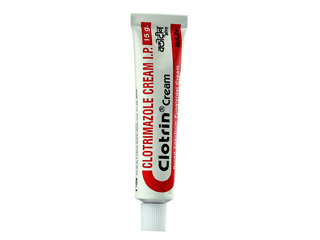
Clotrimazole is an antifungal medicine used to treat fungal infections of the skin and mucous membranes. It belongs to the imidazole group of antifungals. In Australia, clotrimazole products are commonly available as creams, ointments, pessaries, and vaginal creams, depending on the condition being treated.
This guide explains how clotrimazole works, how to use it, what to expect, and key safety considerations. If you are unsure which product strength or form is right for you, check your product packaging or speak with a pharmacist.
Basic product information
| Feature | What to know |
|---|---|
| Generic name | Clotrimazole |
| Class | Topical/Local antifungal (imidazole) |
| Common forms | Skin cream/ointment, vaginal pessary, vaginal cream (varies by brand) |
| Typical uses | Fungal skin infections and some vaginal thrush (candida) conditions |
| Prescription status in practice | Many clotrimazole products are sold over the counter in Australia, depending on form and strength |
How clotrimazole works (mechanism of action)
Clotrimazole works by interfering with fungal cell membrane production. Specifically, it inhibits an enzyme involved in making ergosterol, an essential component of the fungal cell membrane.
- Low concentrations may slow fungal growth.
- Higher antifungal effect can damage fungal cells, helping to clear the infection.
In practical terms, clotrimazole helps stop fungal multiplication, allowing your body’s natural defences to resolve the infection over time.
Pharmacokinetics (how the body handles it)
Because clotrimazole is used mainly locally, most information relates to topical/vaginal use.
- Absorption: Absorption through intact skin is generally low. Absorption may be higher if applied to broken skin, large surface areas, or under occlusion (covering the area tightly), depending on the product.
- Distribution: When absorbed, clotrimazole is metabolised in the body.
- Metabolism and elimination: Metabolites are mainly cleared via liver metabolism and excreted in urine and bile (systemic clearance is generally limited with local use).
For most people using clotrimazole as directed, systemic exposure is low—this is one reason topical clotrimazole is widely used.
Typical uses and indications
Clotrimazole is used for infections caused by fungi, most commonly Candida (yeast) and other dermatophytes/yeast organisms, depending on the product form.
Common indications (depending on product form)
- Skin fungal infections such as athlete’s foot (tinea pedis), ringworm (tinea corporis), jock itch (tinea cruris), and other superficial fungal infections.
- Yeast infections of skin, including those affecting skin folds.
- Vaginal candidiasis (thrush) for vaginal preparations, where indicated on the product label.
- Intertrigo related to yeast (red, irritated skin in folds).
Important: Product labels may differ. Always follow the specific directions for your clotrimazole preparation.
When to use clotrimazole (timing and treatment duration)
The timing depends on the condition and the product form. A general rule is to use clotrimazole for the full course even if symptoms improve early.
- Skin infections: Often treated for 2–4 weeks (depending on the product instructions and infection type). Continue for the recommended number of days.
- Vaginal candidiasis: Vaginal regimens typically follow either short courses or longer courses depending on strength and form (e.g., pessary vs cream). Use the exact schedule on the pack.
When you should start to feel better: Many people notice symptom improvement within a few days, but complete clearance can take longer. If you have no improvement after the advised time, reassess with a pharmacist or clinician.
Food interactions
For topical or vaginal clotrimazole, significant food interactions are generally not expected because it is not taken by mouth and systemic absorption is low.
- There are typically no specific dietary restrictions for topical/vaginal clotrimazole.
- If your product is intended for vaginal use, your eating habits do not usually affect its effectiveness.
Alcohol and medicine interactions
Alcohol: With clotrimazole used on the skin or vaginally, there is usually no direct alcohol interaction. However, alcohol may worsen irritation or delay healing indirectly for some people (e.g., by dehydration or by worsening immune function), especially if you are also unwell.
Other medicines: Because clotrimazole is used locally, drug interactions are uncommon. Still, consider these practical points:
- If you are using other vaginal medicines (e.g., moisturisers or antiseptics), avoid combining unless advised—some products may irritate or affect comfort and adherence.
- Tell your pharmacist if you are using other antifungals or steroid creams on the same area. Steroids can sometimes reduce symptoms while allowing infection to persist or worsen.
- If you have liver disease or take multiple medicines, ask your pharmacist if you are concerned about safety—although systemic exposure is typically low, it’s still best to personalise advice.
Dosing and how to apply clotrimazole
Correct dosing depends on:
- the product form (cream vs pessary, etc.)
- the strength (percentage)
- the condition being treated
- the age of the person using it (follow the pack instructions)
Always follow your product label or the advice provided with your medicine. Below are common, general patterns of use—please check your own pack for the exact schedule.
For clotrimazole skin cream/ointment
- Clean and dry the affected area before applying.
- Apply a thin layer to the affected area and a small margin of surrounding skin (to cover possible spread).
- Use the frequency stated on your product (often 1–2 times daily depending on strength and brand).
- Wash hands before and after use (unless treating your hands).
- Do not stop early—continue for the full recommended course.
For clotrimazole vaginal pessaries/cream
- Use at the frequency and duration stated on the pack (may involve once daily or overnight regimens).
- It can be helpful to insert before bedtime to reduce leakage.
- Follow application instructions carefully (some forms use an applicator or insertion guidance).
- Wear a feminine pad if needed to protect underwear from discharge/leakage after insertion (avoid tampons unless your product advice allows).
Missed dose: If you miss an application, apply it as soon as you remember, unless it is near the time of the next dose. Do not double up.
Safety profile and precautions
Most people tolerate clotrimazole well when used as directed. However, like all medicines, it can cause side effects in some individuals.
Common side effects
- Local irritation such as mild burning, stinging, itching, or redness
- Dryness of the treated skin
- Vaginal discomfort or mild irritation for vaginal products
- Temporary increased discharge (especially with vaginal creams/pessaries)
Less common but important reactions
- Allergic reactions (e.g., rash beyond the treated area, swelling, severe itching)
- Severe or persistent burning/pain
- Worsening symptoms rather than improvement
If you experience signs of a significant allergic reaction or severe irritation, stop using the product and seek advice urgently.
When to seek medical advice
- Symptoms do not improve within the timeframe on the pack
- Symptoms return soon after finishing treatment
- You have severe pain, fever, or spreading redness
- For vaginal symptoms: you are pregnant, have recurrent thrush, are under 16, or symptoms suggest another condition (e.g., bacterial vaginosis or an STI)
Pregnancy, breastfeeding, and children
- Pregnancy: Many clotrimazole products are used during pregnancy when appropriate, but it’s important to confirm with a pharmacist or clinician based on your specific situation and product.
- Breastfeeding: Generally compatible with local use, but follow guidance on the product and avoid applying to areas that could contact the infant’s mouth.
- Children: Use only if the product is labelled for the child’s age and follow pack directions.
Contact lenses: Not directly relevant to topical clotrimazole, but if your product is accidentally applied near the eyes or you experience eye irritation, rinse with water and seek help.
Practical use tips for best results
Fungal infections often improve with correct medicine use plus supportive care.
- Keep the area dry: Moisture encourages fungal growth. Dry thoroughly after bathing.
- Wear breathable clothing: Loose cotton underwear and breathable shoes can help.
- Change socks regularly: For athlete’s foot, change socks at least daily (more if sweaty).
- Avoid tight occlusive coverings: Unless advised, don’t tightly bandage treated skin—this can trap moisture.
- Do not share towels: Share only leads to reinfection between people.
- Replace contaminated items: Wash towels, bedding, and clothing used near the infection in hot water if possible and follow fabric instructions.
- Trim nail hygiene: For infections affecting fingers/toes, keep nails short and clean.
- Use consistently: Setting a daily routine (e.g., morning/evening) helps adherence.
Remember: “Looking better” does not always mean the fungus is fully cleared. Completing the course reduces recurrence.
Common questions about timing and symptom relief
How quickly should it work?
Improvement is often seen within 3–7 days, depending on the infection type. Persistent symptoms beyond the pack’s recommended timeframe may indicate incorrect diagnosis, resistance, reinfection, or the need for a different treatment strategy.
Can clotrimazole be used on broken skin?
It may be suitable for mild skin irritation, but clotrimazole can sting on open or severely broken skin. If you have significant cracking or sores, check with a pharmacist for the best option and to rule out other causes.
Should I stop once symptoms are gone?
No. Continue for the full course described on your product. Stopping early is a common reason infections return.
Alternative options
Depending on the infection and product availability, alternative antifungals may be considered. A pharmacist can help choose based on your symptoms and the location of the infection.
Other antifungal medicines commonly used
- Terbinafine (often used for dermatophyte skin infections, sometimes with shorter treatment durations for certain conditions)
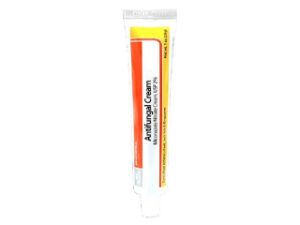
- Miconazole (imidazole antifungal; available as cream/pessary depending on local listings)
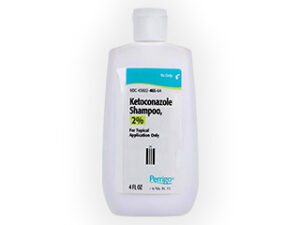
- Ketoconazole (for certain fungal skin conditions; formulation dependent)
- Nystatin (often used for candida and mouth thrush in certain formulations)
If symptoms keep returning: It may be helpful to review hygiene factors (e.g., moisture, footwear, shared items), and to check whether you might be treating the wrong condition. For example, eczema, psoriasis, contact dermatitis, and bacterial infections can sometimes resemble fungal problems.
Market and legal context in Australia
Clotrimazole is widely used in Australia and is typically available through community pharmacies and other approved retail channels. Availability varies by form, strength, and indication.
- Many topical antifungal products are sold as over-the-counter medicines in Australia.
- Vaginal antifungals may be available without prescription depending on the product’s listing and the specific pack directions.
- As with all medicines, product labelling must be followed. Pharmacists can advise on correct selection and appropriate duration.
Safety information and directions are governed by Australian regulatory requirements for medicines and consumer medicine information. Always check the packaging provided with your specific brand.
Recent guidance and practical updates (what to remember)
Across consumer health information, the consistent themes for fungal infections are:
- Confirm the condition: If symptoms are unusual or recurrent, seek advice rather than repeatedly self-treating.
- Use the full course: Early improvement does not guarantee cure.
- Address reinfection risks: Drying, hygiene, and cleaning clothing/towels are important.
- Consider coexisting skin issues: Eczema and dermatitis can mimic fungal rashes or coexist with them, affecting response.
If you have diabetes, are immunocompromised, or have frequent infections, you may need tailored guidance from a healthcare professional.
Delivery and availability (online pharmacy)
Clotrimazole products are commonly held by Australian pharmacies and may be available for delivery depending on stock availability and your location. Delivery timeframes vary by supplier and shipping service.
- Availability: Creams, ointments, and vaginal preparations may be stocked more or less depending on local demand.
- Packaging: Items are usually dispatched in manufacturer-approved packaging to maintain product integrity.
- Storage: Store at room temperature as directed on the label. Keep out of reach of children.
If a specific formulation (e.g., vaginal pessary vs cream) is temporarily out of stock, the pharmacy may offer an alternative brand or a different formulation after advising you of equivalence where appropriate.
How to use clotrimazole correctly (step-by-step)
- Check the product label to ensure it matches your condition and body area.
- Clean gently with water (or mild cleanser if advised) and pat dry.
- Apply as directed: a thin layer for skin infections; follow insertion instructions for vaginal preparations.
- Wash your hands after application (unless treating your hands).
- Continue the full course, even if symptoms improve.
- Monitor response. If there is no improvement within the expected time, seek advice.
FAQ – Clotrimazole
Can I use clotrimazole for athlete’s foot?
Yes, clotrimazole skin creams/ointments are often used for athlete’s foot (tinea pedis), depending on the exact product and pack instructions. Apply to the affected skin and a small surrounding area, and continue for the full recommended duration.
How long should I use it?
Treatment length depends on the product and infection. Follow the pack instructions carefully. Many skin fungal infections require up to several weeks to fully clear.
What if it’s not getting better?
If you don’t notice improvement within the timeframe stated on the packaging (or symptoms worsen), seek advice. Possible reasons include an incorrect diagnosis, reinfection, or a condition that needs a different treatment.
Is clotrimazole safe with other medicines?
Local clotrimazole is associated with few interactions for most people. Still, let a pharmacist know about any other products you’re using on the same area and any regular medications, especially if you have complex medical conditions.
Can I drink alcohol while using clotrimazole?
Generally, there is no direct alcohol interaction with topical/vaginal clotrimazole. If you feel unwell, focus on hydration and follow overall health advice.
Will clotrimazole affect contraception?
If you are using condoms or other barrier contraception, some vaginal formulations may affect latex products. Check the specific product information. If you are unsure, use a barrier method that is compatible with the product and ask your pharmacist.
Can I use clotrimazole if I’m pregnant?
Some antifungal treatments are commonly used during pregnancy, but it’s important to confirm suitability for your specific situation and product. Check with a pharmacist or clinician if you are pregnant.
Should I treat both partners for vaginal thrush?
Often, treating partners isn’t necessary for uncomplicated thrush, but advice can vary based on symptoms and recurrence. If you have recurrent infections or partner symptoms, ask a healthcare professional for personalised guidance.
Is clotrimazole the same as steroid creams?
No. Steroid creams reduce inflammation, but they do not treat fungal infections directly. Using a steroid alone can mask symptoms and may allow the fungal infection to persist.
How should I store clotrimazole?
Store at room temperature in a safe place away from children, following the instructions on the label.
Final reminder: Clotrimazole is effective when used correctly for the right type of fungal infection. If symptoms are unclear, severe, recurrent, or not improving, getting tailored advice can help you choose the safest and most effective next step.