Miconazole – Patient-Friendly Guide (Australia)
Miconazole is a medicine used to treat fungal infections of the skin and, in some forms, the mouth and vagina. It belongs to the class of medicines called imidazole antifungals. Miconazole products are available in a variety of forms, including creams, ointments, powders, sprays, vaginal treatments, and oral preparations (depending on the specific product strength and brand).
This guide explains how miconazole works, typical uses, how to use it, timing, interactions (including with food, alcohol and other medicines), safety considerations, and practical tips. It also includes information relevant to customers in Australia.
Quick Product Overview
| Feature | What to know |
|---|---|
| Generic name | Miconazole |
| Type | Antifungal (imidazole) |
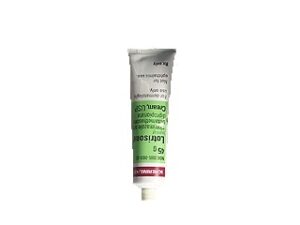
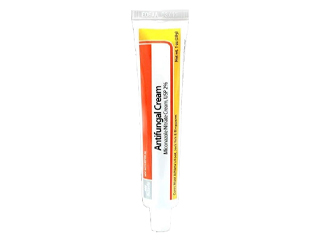
| Common forms | Skin cream/ointment/powder/spray; vaginal creams/ovules; oral gel (varies by product) |
| Common indications | Fungal skin infections (e.g., athlete’s foot, jock itch, ringworm); vaginal thrush; oral thrush (for oral forms) |
| Where it acts | Local antifungal action at the site of infection (most skin and vaginal products); oral products act in the mouth |
| Typical start of improvement | Often within a few days; full clearing may take 1–4 weeks depending on the infection |
| Important tip | Continue treatment for the full course and a short time after symptoms improve (as advised on the product label) |
How Miconazole Works (Mechanism of Action)
Miconazole works by disrupting fungal cell growth. It inhibits key fungal enzymes needed to make ergosterol—an essential component of fungal cell membranes.
Without adequate ergosterol, fungal cells become unable to maintain their structure and function. This leads to reduced fungal growth and, depending on concentration and the specific fungus, can result in fungicidal effects (killing) or fungistatic effects (stopping growth).
What this means for you
- Symptoms such as itching, redness, scaling or burning may improve as the fungus is controlled.
- Even after symptoms improve, the fungus may still be present—so completing the recommended course is important.
- For skin infections in warm, sweaty areas, prevention strategies can help reduce recurrence.
Pharmacokinetics (Absorption, Distribution, Metabolism, Excretion)
Pharmacokinetics refers to how the body handles a medicine. For miconazole, the level of absorption depends strongly on the form and site of application.
Skin products
- When applied to the skin, miconazole is generally absorbed to a limited extent. Most of the medicine remains localized to the treatment area.
- Absorption may increase slightly if the skin barrier is damaged (e.g., severe inflammation) or if used on larger areas.
Vaginal products
- Vaginal miconazole products are designed for local action in the vaginal tissues.
- Only small amounts are typically expected to reach the bloodstream, although exact levels vary by product and patient factors.
Oral products (mouth)
- Oral preparations (e.g., gel) are intended to treat thrush in the mouth.
- Absorption through the mouth can be limited, but follow product directions carefully.
Metabolism and elimination
Miconazole is metabolised mainly in the liver if absorbed systemically. Any absorbed portion is eliminated through normal bodily pathways (including via urine). For most topical users, systemic absorption is low.
Typical Uses and Indications
The correct use of miconazole depends on the product form and the infection being treated. Common uses include:
Skin fungal infections
- Athlete’s foot (tinea pedis)
- Jock itch (tinea cruris)
- Ringworm (tinea corporis)
- Fungal infections of the skin where indicated on the specific product label
Vaginal thrush (vulvovaginal candidiasis)
- Treatment of symptoms associated with yeast overgrowth in the vagina and surrounding vulvar area (as directed for the specific product)
Oral thrush (oral candidiasis)
- For oral forms: treatment of thrush in the mouth (e.g., white patches and soreness)
If your symptoms don’t match the typical pattern (for example, if there is severe pain, fever, or spreading infection), seek medical advice for the correct diagnosis.
When to Start and How Long to Use It (Timing)
Starting early can help shorten the course. The timing for applying miconazole depends on the product, severity and location of infection. Always follow the instructions on the specific product label.
General timing guidance
- Start as soon as you notice symptoms consistent with a fungal infection.
- Continue regularly (e.g., once or twice daily as instructed) and do not stop early just because symptoms improve.
- Allow time for improvement: many people notice less itching and redness within a few days, but clearing can take longer.
Practical timing tips
- Apply to clean, dry skin unless the product instructions say otherwise.
- Wash hands before and after use (unless treating hands only).
- Use the treatment at the same times each day to maintain consistent dosing.
Food Interactions
For most topical and vaginal miconazole products, food interactions are unlikely because absorption into the bloodstream is generally low.
For oral miconazole products used in the mouth, avoid eating or drinking immediately after applying the gel or oral product—follow the label directions to ensure the medicine stays in contact with affected areas.
When food may matter
- Oral preparations: eating/drinking right away can reduce contact time.
- If using any medicine that changes stomach/intestinal function, it’s still best to follow the specific product directions; systemic interactions are less common with topical use.
Alcohol and Medicine Interactions
For topical skin and vaginal miconazole products, alcohol is not known to cause a direct interaction in the way it might with some medicines taken by mouth. However, the best approach is to consider the overall situation:
- If you are using an oral miconazole preparation, avoid behaviours that reduce contact time after applying the product.
- If you are concerned about alcohol use due to liver disease or other medications, discuss with a healthcare professional.
Medicine interactions (important)
Miconazole can interact with certain medicines, particularly when enough is absorbed to have systemic effects. While this is less likely with topical use, it can be relevant for people using multiple treatments or applying to large areas.
One well-known interaction involves certain oral anticoagulants (blood thinners) (for example, warfarin). If you take a blood thinner, extra caution is needed—ask a pharmacist before using miconazole, especially if absorption might be significant.
- Warfarin and other anticoagulants: miconazole may affect drug levels and increase bleeding risk in some situations.
- Other medicines with metabolism in the liver: interactions are more likely if systemic absorption occurs (more likely with certain oral forms and larger treated areas).
- Concurrent antifungals or steroid creams: do not combine products unless advised. Some combinations may mask symptoms or change healing time.
If you are unsure, provide your pharmacist or doctor with a list of all medicines and supplements you are using.
Dosing (How to Use Miconazole Safely and Effectively)
The exact dose depends on the product type (cream vs vaginal treatment vs oral gel) and the strength and brand. Use only the dosage instructions printed on your specific product packaging.
Common dosing patterns for skin infections (general)
- Often applied once or twice daily to the affected area and a small margin around it.
- Continue for the full recommended course, commonly 1–4 weeks depending on infection type and severity.
Vaginal thrush (general)
- Use the applicator/insert as directed on the product.
- Regimens vary (some are short-course, others longer). Follow the label exactly.
Oral thrush (general)
- Oral gels are typically applied several times daily for a set number of days.
- Follow instructions about not eating/drinking immediately after application.
How much to apply: apply a thin to moderate layer as directed; there is usually no benefit in using extra. For skin infections, covering the affected area and surrounding skin helps prevent spread.
Missed dose
- If you miss a dose, apply it when you remember unless it’s close to the next dose.
- Do not double up.
Safety Profile: Side Effects and When to Seek Help
Like all medicines, miconazole can cause side effects, though many people have none or experience only mild, temporary effects.
Common mild side effects
- Local skin irritation (burning, stinging, redness)
- Itching or mild discomfort at the application site
- Dryness or mild rash
Less common but important reactions
- Allergic reactions (swelling, hives, severe rash, trouble breathing)
- Severe local irritation (significant blistering, worsening pain)
Get urgent help if
- You develop signs of an allergic reaction (e.g., facial swelling, wheezing, difficulty breathing).
- The treated area becomes rapidly worse, very painful, or starts oozing pus.
- Symptoms suggest a serious skin infection (for example, fever or rapid spreading redness).
Who should be extra cautious
- People with a history of sensitivity to antifungal medicines
- Those treating large body areas or using occlusive dressings unless advised
- People taking blood thinners or multiple medications (check interactions with a pharmacist)
Practical Use Tips (How to Get the Best Results)
For skin infections
- Clean and dry first: wash gently, then pat dry thoroughly.
- Cover the margin: apply to the rash and a small border around it.
- Change socks and underwear regularly: keep the area dry and reduce recurrence.
- Don’t share towels and avoid tight, non-breathable clothing during treatment.
- Trim nails: if itching leads to scratching, trim nails to reduce spread.
For vaginal thrush
- Follow the insertion instructions carefully (including hand washing).
- Keep the area clean and wear breathable underwear.
- If symptoms persist after completing the course, seek further advice (other causes can mimic thrush).
For oral thrush
- Use as directed and avoid eating/drinking immediately after application.
- Clean dentures (if used) and follow denture hygiene guidance.
- Check for dry mouth or underlying factors (e.g., inhaled steroids, diabetes) with your pharmacist or GP if thrush is recurrent.
Alternative Options (Other Antifungals)
Miconazole is one option for fungal infections. Depending on the site and the exact fungus, other antifungals may be suitable.
Common alternatives you may see in Australia
- Clotrimazole (cream, pessaries/ovules for vaginal use)
- Terbinafine (often for athlete’s foot/ringworm; may have shorter courses depending on formulation)
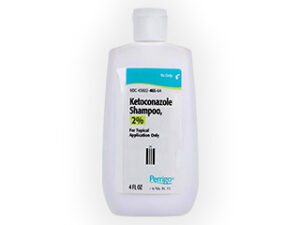
- Ketoconazole (some products for skin; occasionally oral in specific contexts under medical supervision)
- Nystatin (commonly for oral thrush in certain formulations)
If you’ve tried one antifungal and the infection returns quickly, it may be due to incorrect diagnosis, reinfection from shared items (towels, footwear), or an underlying condition that needs addressing.
Market and Legal Context for Australia
In Australia, medicines are regulated by the Therapeutic Goods Administration (TGA). Many antifungal products containing miconazole are supplied as listed or registered medicines depending on their exact product and indications. Availability may vary between brands and forms.
The way a product is sold (including whether it is available on pharmacy shelves or via a pharmacist) depends on its formulation and intended use.
How to choose the right product
- Select the correct form for the body site (skin vs vagina vs mouth).
- Match symptoms with the product indication on the label.
- Check strength and active ingredient concentration (different brands may vary).
Recent Guidance and Important Updates (General Health Advice)
While guidance can evolve, current best-practice principles for antifungal use generally include:
- Confirm correct diagnosis: fungal infections can resemble eczema, bacterial infections, dermatitis, or other conditions.
- Use the full course to reduce recurrence and treatment failure.
- Seek further advice if symptoms do not improve within the expected timeframe, if infections recur frequently, or if there are warning signs (spreading redness, fever, significant pain).
- Consider underlying factors such as diabetes, immunosuppression, skin conditions, moisture/friction, or denture hygiene for oral thrush.
Your pharmacist can help identify the most appropriate product for your symptoms and provide information about when to see a GP.
Delivery and Availability (Online Pharmacy in Australia)
Miconazole products are commonly available through online pharmacies in Australia. Stock may vary by brand and form (skin vs vaginal vs oral), so availability can change.
What to expect when ordering
- Product selection: choose the correct form and strength for the affected area.
- Delivery options: delivery timeframes depend on your location and the courier service used by the pharmacy.
- Packaging: medicines are generally packed securely and discreetly for safe transit.
- Order checks: some orders may be reviewed to confirm suitability and correct product choice.
FAQ – Frequently Asked Questions
1. Is miconazole only for “yeast” infections?
Miconazole is an antifungal and can treat infections caused by fungi, including yeast-related infections. Depending on the product, it may be used for skin fungal infections, vaginal thrush, and oral thrush.
2. How quickly will I feel better?
Many people notice symptom improvement within a few days (less itching/redness or reduced soreness). Complete clearance can take longer, often several weeks for skin infections depending on severity and the fungus.
3. Can I stop when symptoms improve?
It’s usually best to finish the full course specified on the product label. Stopping early can allow the fungus to persist and the infection may return.
4. Can I use miconazole on broken or very inflamed skin?
Avoid excessive use on severely damaged skin unless the product instructions permit it. If the area is very raw, painful, or shows signs of infection beyond simple fungal disease, seek advice from a pharmacist or doctor.
5. Is miconazole safe for everyone?
Most people tolerate topical miconazole well. However, you should use caution if you have a history of allergic reactions to antifungal medicines, treat very large areas, or take medicines that may interact (e.g., blood thinners). If you are unsure, ask your pharmacist.
6. Does miconazole interact with other medicines?
Interactions are more likely when miconazole is absorbed systemically. For topical or vaginal use, systemic absorption is usually limited, but checking is still wise—especially if you take warfarin or other anticoagulants.
7. Can I drink alcohol while using miconazole?
There is generally no direct alcohol interaction with topical or vaginal miconazole. If you are using an oral form or have concerns about your liver or other medicines, ask a pharmacist for personalised advice.
8. What if my symptoms don’t improve?
If you do not see improvement within the timeframe stated on the package, or if symptoms worsen, stop and seek further advice. The diagnosis may be different (or mixed infections may be present).
9. How can I prevent the infection coming back?
- Keep the area dry (especially between toes and in skin folds).
- Change socks/underwear regularly.
- Use breathable footwear and clothing.
- Don’t share towels; wash bedding/clothing regularly if advised.
- If recurrent vaginal thrush occurs, discuss triggers and underlying causes with your healthcare professional.
10. Are there alternatives if I can’t use miconazole?
Yes. Depending on the infection site and cause, alternatives like clotrimazole, terbinafine, or nystatin (for certain oral thrush cases) may be used. Your pharmacist can recommend the most suitable option.
Important Reminder
This information is intended to help you understand miconazole and use it safely. Always read the product label and follow the instructions provided with your specific miconazole medicine. If you are uncertain about symptoms, appropriate product choice, or potential interactions with your other medicines, consult a pharmacist.