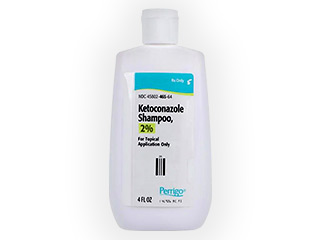
Nizoral Shampoo (Ketoconazole 2%) — Patient-Friendly Guide
Nizoral Shampoo contains ketoconazole 2%, an antifungal medicine used to treat and help control certain fungal conditions of the scalp. This guide is designed to be clear and practical for customers in Australia, including how it works, when to use it, how to apply it correctly, and important safety information.
| Product | Nizoral Shampoo |
|---|---|
| Active ingredient | Ketoconazole 2% |
| What it treats (common use) | Fungal scalp conditions such as dandruff (seborrhoeic dermatitis) and related disorders |
| Typical form | Shampoo |
| Strength | 2% (20 mg/mL) |
| Availability (Australia) | May be available through pharmacies and online pharmacy retailers depending on current supply |
Key points at a glance
- Used on the scalp: Nizoral Shampoo is applied to affected scalp areas, left on briefly, then rinsed.
- Works against fungi: It targets fungi involved in dandruff and some scalp infections.
- Timing matters: For best results, follow the recommended “leave-on” time and treatment schedule.
- Usually well tolerated: Side effects are typically mild and local (e.g., dryness or irritation).
- Not the same as a daily wash: Treatment schedules typically involve periodic use, not continuous daily use for long periods.
What is Nizoral Shampoo?
Nizoral Shampoo is a medicated shampoo containing ketoconazole 2%. It is used for scalp conditions where a fungus (such as Malassezia) may play a role. Ketoconazole is an antifungal agent that helps reduce the growth of the fungus and helps improve symptoms such as flaking, scaling, itching and redness.
How Nizoral Shampoo works (mechanism of action)
Ketoconazole is an antifungal medicine that works by interfering with the fungus’s ability to produce certain key components needed for its cell membrane and growth.
- Inhibits fungal growth: By blocking steps in fungal sterol synthesis (which helps maintain fungal cell membrane integrity), ketoconazole reduces the fungus’s survival.
- Helps reduce inflammation: In dandruff and seborrhoeic dermatitis, fungal activity can contribute to scalp inflammation. Reducing fungal load can help relieve symptoms.
- Targets common scalp yeasts: It is particularly used where Malassezia species are suspected or confirmed contributors.
Pharmacokinetics (how the medicine behaves in the body)
Because Nizoral Shampoo is applied to the scalp and the medication is intended mainly for local action, systemic absorption is generally low when used as directed.
- Absorption: Ketoconazole absorption through intact scalp skin is typically limited. Absorption may be greater if the scalp is inflamed, irritated, or damaged.
- Distribution and metabolism: The small amount absorbed may be metabolised in the body, though systemic exposure from shampoo use is generally low compared with oral ketoconazole.
- Elimination: Any absorbed ketoconazole would be eliminated through normal body processes.
Clinical takeaway: While systemic effects are unlikely with proper topical use, it is still important to follow directions and avoid use on large areas or for prolonged periods beyond advice.
What is it used for? (indications)
Nizoral Shampoo is used to treat scalp conditions where an antifungal approach is appropriate. It is commonly used for:
- Dandruff (including flaking/scaling associated with seborrhoeic dermatitis)
- Seborrhoeic dermatitis of the scalp
- Fungal-related scalp issues as guided by a healthcare professional or product guidance
Symptoms that may improve include:
- Itching
- Flaking and scaling
- Redness or irritation
- Scalp discomfort related to dandruff
Dosing and treatment schedules (how much and how often)
Actual schedules can vary based on the condition being treated and your clinician’s advice. The information below reflects common treatment approaches for ketoconazole 2% shampoo.
Typical adult and adolescent dosing
- Apply to the scalp in sufficient amount to cover affected areas.
- Massage gently into the scalp.
- Leave on for about 3–5 minutes (or per the product instructions).
- Rinse thoroughly with water.
Common frequency (typical approach)
- For active dandruff/seborrhoeic dermatitis: often 2 times per week for a few weeks.
- For maintenance: when symptoms improve, use less frequently (often once per week or as needed) to help prevent recurrence.
Children
For children, the best schedule depends on age, scalp sensitivity, and the condition being treated. Always use product guidance and seek advice if you are unsure.
When to use it (timing and “leave-on” instructions)
Correct timing helps ketoconazole contact the scalp long enough to work.
- Shampoo timing: Apply to a wet scalp.
- Leave-on time: Leave the lather on for 3–5 minutes, then rinse.
- Consistency: Use regularly according to the schedule. Improvements often take more than a single wash.
- After it rinses: You may style your hair as usual, but avoid heavy scalp irritation right after treatment if you notice sensitivity.
Food interactions
Food interactions are not expected with ketoconazole 2% shampoo because it is applied to the scalp and systemic absorption is generally low. This product is not taken by mouth.
Alcohol interactions
No direct alcohol interaction is expected with topical Nizoral Shampoo. However:
- If you are applying other medicines on the scalp or using alcohol-containing scalp products (e.g., certain tonics), these may increase dryness or irritation.
- For alcohol you consume orally: there are no typical direct interactions expected from shampoo use, but if you have concerns due to other medicines or liver health, discuss with a pharmacist.
Medicine interactions (what to watch for)
Because ketoconazole in shampoo is mainly local, interaction risk is lower than with oral ketoconazole. Still, it’s helpful to consider the following:
- Other scalp medications: If using other medicated products (e.g., corticosteroid scalp solutions, antibacterial washes), ask a pharmacist about sequencing. You may need to space products to reduce irritation.
- Strong irritants or frequent exfoliants: Avoid combining with harsh scalp scrubs or frequent alcohol/perfume-heavy products that may worsen irritation.
- Contact with eyes: Not an interaction, but important for safety. Rinse eyes thoroughly if accidentally exposed.
Practical tip: If you are using multiple hair/scalp products, apply one medicated product at a time where possible and follow each product’s instructions.
Safety profile and side effects
Most people tolerate Nizoral Shampoo well. Side effects—when they occur—are usually local and mild, such as dryness or irritation of the scalp.
Common side effects
- Scalp irritation
- Dryness or tightness
- Itching
- Redness
- Hair texture changes (e.g., slight changes in feel or appearance) in some users
Less common or allergic-type reactions
- Rash
- Hives
- Swelling of the face/scalp
- Severe burning or worsening irritation
When to seek urgent medical help
Seek urgent advice if you develop signs of a serious allergic reaction, such as:
- Difficulty breathing
- Swelling of lips, tongue, or throat
- Widespread hives
Who should be extra cautious?
- Sensitive skin: If you have eczema or a very reactive scalp, you may need gentle care and shorter contact times initially (follow product direction).
- Damaged scalp: Avoid use on broken or severely inflamed skin unless directed. Absorption may be increased.
- Children: Use only as directed and monitor for irritation.
Practical use tips (how to get the best results)
Step-by-step application
- Wet hair and scalp thoroughly with water.
- Apply Nizoral Shampoo to the scalp (not just the hair). Use enough to cover affected areas.
- Massage gently with your fingertips to work the lather into the scalp.
- Leave on for 3–5 minutes (or per the label).
- Rinse thoroughly until the shampoo is removed.
- Use conditioner if needed—but try to avoid applying conditioner directly to the treated scalp if it triggers irritation.
How long until results?
- Some people notice improvement in 1–2 weeks.
- For others, it may take several weeks of regular use to fully control symptoms.
- If you see no improvement after a reasonable trial, reassess the diagnosis or discuss next steps with a healthcare professional.
Do’s and don’ts
- Do: follow the recommended schedule.
- Do: keep consistent with leave-on time.
- Do: rinse well to reduce irritation.
- Don’t: use larger amounts or leave it on longer than directed.
- Don’t: use on eyes or broken skin.
Alternative options (if Nizoral Shampoo isn’t suitable)
If ketoconazole shampoo doesn’t suit you, or if symptoms don’t improve, there are other approaches commonly used for dandruff and seborrhoeic dermatitis.
Other antifungal shampoos
- Zinc pyrithione shampoos (often for dandruff control)
- Selenium sulfide shampoos (helps reduce fungal growth and scaling)
- Antifungal agents such as ciclopirox (where available)
Non-antifungal and supportive options
- Gentle moisturising scalp care to reduce dryness
- Anti-inflammatory approaches for significant inflammation (as advised by a clinician)
- Behavioural steps: avoid harsh hair products, maintain gentle hygiene, and reduce triggers that worsen symptoms
Important: If your scalp has thick plaques, severe redness, oozing, or hair loss, it may not be simple dandruff. Medical review can help confirm the cause.
Market and legal context for Australia (consumer-friendly overview)
In Australia, medicines and consumer health products are regulated to support safe access and appropriate use. Ketoconazole 2% shampoo is intended for treatment of scalp conditions and should be used according to the directions provided on the packaging or by healthcare professionals.
- Product availability: Online retailers may carry Nizoral Shampoo depending on current supply and regulatory status.
- Brand and formulation: Check the label for active ingredient and strength to ensure it is ketoconazole 2%.
- Safety messaging: Packaging includes directions and precautions that you should follow.
Recent guidance and practical updates (what to keep in mind)
For scalp conditions like dandruff and seborrhoeic dermatitis, current patient guidance generally emphasises:
- Use as directed: follow the leave-on time and treatment frequency.
- Maintenance helps: symptoms often recur, and periodic use may be needed.
- Rule out other causes: persistent symptoms, treatment failure, or unusual features should prompt reassessment.
- Skin-care compatibility: avoid over-aggressive scalp routines that increase irritation.
If you are unsure whether your symptoms fit dandruff/seborrhoeic dermatitis, a pharmacist or GP can help assess and recommend the best approach.
Delivery and availability in Australia
Online pharmacies typically aim to provide convenient delivery across Australia. Availability of Nizoral Shampoo may vary due to stock levels, supplier schedules, and demand. When ordering, consider:
- Check stock status: “In stock” items are usually dispatched sooner.
- Delivery timeframes: delivery estimates may vary by location and courier service.
- Packaging: medicines are generally shipped in protective packaging to help prevent damage.
- Expiry dates: reputable retailers provide products with suitable remaining shelf life.
Tip: For best outcomes, order enough for your planned treatment period so you don’t miss doses while symptoms improve or recur.
FAQ (Frequently Asked Questions)
1) How do I use Nizoral Shampoo for dandruff?
Wet your scalp, apply Nizoral Shampoo, massage gently, leave the lather on for about 3–5 minutes, then rinse thoroughly. Many people use it twice weekly for active symptoms, then less often for maintenance, depending on results.
2) Can I use it every day?
Most dandruff treatment schedules do not require daily use. Follow the label or pharmacist guidance. Overuse may increase scalp irritation.
3) Will it stop the itch and flakes quickly?
Some improvement may occur within days, but for many people it takes several weeks of consistent use to control symptoms fully. Maintenance use can help prevent recurrence.
4) Is it safe for sensitive scalps?
Many people tolerate ketoconazole shampoo, but sensitive scalps may react with dryness or irritation. Consider starting carefully and discontinuing if symptoms worsen significantly. Seek advice if irritation persists.
5) Can I colour or style my hair after using it?
Usually yes, but avoid additional scalp irritation right after washing—especially if you notice sensitivity. If you use chemical hair treatments, consider timing them away from medicated washes.
6) What if I accidentally get it in my eyes?
Rinse eyes thoroughly with water immediately and seek medical advice if you experience ongoing irritation or pain.
7) Are there any food interactions?
No meaningful food interactions are expected with ketoconazole 2% shampoo, since it is applied to the scalp and systemic absorption is generally low.
8) Can I drink alcohol while using it?
No direct alcohol interaction is expected with topical Nizoral Shampoo. If you have concerns due to other medications or medical conditions, ask a pharmacist.
9) Can I use it with other scalp products?
Often you can, but avoid combining it with harsh or strongly irritating products. If you use other medicated scalp treatments, consider spacing them and seek pharmacist advice on the best routine.
10) What if my symptoms don’t improve?
If you don’t notice improvement after a reasonable course, you may need a reassessment of the cause (for example, psoriasis, eczema, contact dermatitis, or another scalp condition). A pharmacist or GP can help guide next steps.
Summary
Nizoral Shampoo (ketoconazole 2%) is an antifungal shampoo used to help control dandruff and seborrhoeic dermatitis of the scalp. By targeting fungal activity, it can reduce flaking, itching and irritation. Results usually improve with consistent use, correct leave-on timing, and an appropriate treatment schedule. If you experience persistent symptoms, severe irritation, or signs of allergy, stop use and seek professional advice.
Always read the product label and follow the directions provided with your specific Nizoral Shampoo pack. If you have questions about suitability for your situation, speak with a pharmacist.