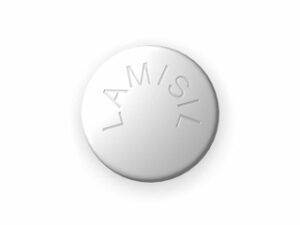
Grifulvin V (Griseofulvin) – Patient Information
Grifulvin V is a medicine containing griseofulvin. It is used to treat certain fungal infections of the skin, nails, and (in some cases) hair. This guide is written to help you understand what Grifulvin V does, how it works, how to take it safely, and what to expect during treatment.
If you are unsure about the best way to take your medicine, ask your pharmacist or doctor. Always follow the instructions on your medicine label.
Basic product information
| Product | Active ingredient | Common form | Who it may be for |
|---|---|---|---|
| Grifulvin V | Griseofulvin | Oral medicine (tablets; product strength varies by brand/market) | People with susceptible fungal infections of skin, nails and sometimes hair |
How Grifulvin V works (mechanism of action)
Griseofulvin works by interfering with how fungi build and maintain their cells. Specifically, it affects the fungus’s ability to form correctly structured microtubules, which are part of the fungal cell’s internal machinery for growth and replication.
Over time, as new healthy cells replace infected ones, symptoms improve. Because infected skin or nails may not “turn over” quickly, treatment often needs to continue for weeks (and sometimes longer for nail infections) even after you start feeling better.
Pharmacokinetics (how your body handles it)
Absorption: Griseofulvin is absorbed from the gastrointestinal tract. Absorption can vary between individuals. Taking griseofulvin with fat-containing food can increase absorption in many people.
Distribution: It tends to concentrate in tissues such as skin and keratin-containing structures (like nails and hair), where fungal infection occurs.
Metabolism and elimination: Griseofulvin is metabolised mainly in the liver and eliminated from the body over time. Your liver plays an important role in how safely the medicine is processed, so liver health is a key consideration.
Typical use: what it treats
Grifulvin V is used for dermatophyte fungal infections. These are infections caused by fungi such as Trichophyton, Microsporum, and Epidermophyton.
Depending on the location of the infection, your clinician may use different treatments. Griseofulvin is often considered when:
- Skin (tinea) infections need systemic treatment (for example, widespread or extensive disease)
- Nail infections (onychomycosis) require oral therapy in some cases
- Hair/scalp infections require systemic therapy
It is generally not the first choice for all types of fungal infections (for example, some yeast infections), because effectiveness depends on the organism.
Indications (when doctors may use it)
In practice, Grifulvin V is indicated for susceptible fungal infections that respond to griseofulvin, including:
- Dermatophyte infections of the skin (tinea corporis, tinea cruris, tinea pedis and related forms, when systemic treatment is appropriate)
- Infections of hair/scalp due to susceptible dermatophytes
- Nail infections (onychomycosis) due to susceptible dermatophytes
Diagnosis matters. If you have a fungal rash but the cause is something else (eczema, psoriasis, bacterial infection, or another condition), griseofulvin may not help.
Dosing: how it’s usually taken
Dosing varies based on the type of infection, the area affected, and patient factors (including age and weight). Follow your clinician’s dosing instructions exactly and read your medicine label carefully.
Common patterns include once or multiple times daily, depending on the prescribed regimen and the product strength. Many griseofulvin regimens are designed to maintain blood levels that support fungal clearance.
Key practical points about timing
- Take it at the same time(s) each day to maintain consistent levels.
- Take with food, especially if your instructions indicate this (see Food Interactions below).
- Do not stop early just because symptoms improve. Treatment duration often continues until enough new, healthy tissue grows out.
How long treatment may take
Duration depends on the infection site:
- Skin infections: may require several weeks.
- Nail infections: typically require longer courses because nails grow slowly.
- Scalp/hair infections: may require weeks, sometimes with additional topical treatment.
Your clinician may re-check improvement and may request mycological testing (for example, skin/nail scraping) if the diagnosis is uncertain or if response is slow.
Food interactions: what to know
Griseofulvin absorption can be improved when taken with food, particularly fat-containing meals. For best results, many patients are advised to take it with or after a meal.
- Take with a meal (or a snack) as directed.
- If you miss a dose, take it when you remember
If you have a restricted diet or gastrointestinal conditions, talk to your pharmacist about practical ways to take the medicine with suitable food.
Alcohol and medicine interactions
Alcohol
Alcohol may increase the risk of liver strain and can worsen side effects such as dizziness or fatigue. It’s best to avoid or minimise alcohol during treatment.
Other medicines that may interact
Griseofulvin can interact with other medicines, particularly those affected by liver enzyme activity. Always tell your pharmacist or doctor about all medicines you use, including:
- Prescription medicines
- Over-the-counter products
- Herbal supplements (for example, St John’s wort)
- Vitamins/minerals
Some interactions can affect how well treatments work or increase the risk of side effects. Examples of medicine categories that may be relevant include:
- Oral contraceptives: enzyme-inducing effects may affect contraceptive reliability. Discuss contraception advice with your clinician.
- Warfarin and other anticoagulants: interaction can alter bleeding risk. Close monitoring may be required.
- Other medicines metabolised in the liver: levels can change for either griseofulvin or co-administered drugs.
Because interaction profiles can vary, the safest approach is to use a medication review with your pharmacist—bring your medication list or pictures of labels.
Safety profile: common side effects and when to get help
Common side effects
Many people tolerate griseofulvin well. Possible side effects include:
- Headache
- Gastrointestinal upset (nausea, stomach discomfort, diarrhoea)
- Dizziness
- Fatigue
- Skin sensitivity or rash (less common)
- Sun sensitivity (some people may burn more easily)
Serious side effects: seek urgent medical advice
Contact a doctor promptly or seek urgent help if you experience any signs of serious reactions, such as:
- Severe allergic reaction (swelling of face/lips, trouble breathing, severe rash)
- Signs of liver problems (yellowing of eyes/skin, dark urine, severe upper abdominal pain, persistent vomiting, unusual tiredness)
- Unexplained bruising or bleeding
- Severe skin reactions (blistering, peeling, painful sores)
- Vision changes or severe neurologic symptoms
If you are concerned, it’s always better to get medical advice early.
Who should take extra care
Griseofulvin may not be suitable for everyone. Extra caution is needed if you have:
- Liver disease or abnormal liver function tests
- History of significant drug reactions
- Pregnancy or planning pregnancy (discuss risks and alternatives with your clinician)
- Breastfeeding (ask for personalised advice)
Your clinician may decide whether monitoring (such as liver tests) is appropriate based on your risk factors and treatment duration.
Practical use tips for best outcomes
- Confirm the diagnosis: fungal rashes can mimic other conditions. If you’re not improving, your clinician may re-check the diagnosis.
- Keep taking it: griseofulvin works by allowing healthy tissue to replace infected tissue—this takes time.
- Don’t skip doses: consistent dosing supports effective clearance.
- Use hygiene measures: wash hands after treating affected areas and avoid sharing towels. For athlete’s foot, keep feet dry and change socks daily.
- Consider topical therapy: for some infections, a combination of oral and topical treatments may be recommended to improve outcomes.
- Protect your nails and skin: trim nails carefully (if advised) and avoid trauma to infected areas.
- Sun protection: consider using sunscreen and protective clothing if you notice increased sun sensitivity.
Alternative options (discuss with your clinician)
Treatment choice depends on the type of fungus, site, severity, and personal factors. Other antifungal options may include:
- Topical antifungals (for many limited skin infections)
- Oral antifungals such as terbinafine or itraconazole for certain dermatophyte infections and nail disease (depending on organism and local guidance)
- Specialist regimens for complex or recurrent cases
Your clinician can explain which option fits your infection and your medical history. If you have not improved after a reasonable time, alternatives or reassessment of diagnosis may be considered.
Market and legal context for Australia (overview)
Medicines like Grifulvin V are regulated within Australia through the national medicines framework, including requirements for prescribing, labelling, supply, and safety monitoring. Availability through pharmacies may depend on the specific product presentation and regulatory schedule at the time of purchase.
For online pharmacies, supply should follow Australian requirements for lawful distribution and appropriate patient counselling. Your pharmacy may ask about allergies, liver disease, current medicines, and treatment history to support safe supply.
Recent guidance and clinical practice considerations
Clinical guidance for fungal infections continues to emphasise:
- Correct identification of the causative organism (especially for nail disease)
- Adherence to full treatment duration to reduce relapse
- Assessment of liver safety when using oral antifungals
- Managing interactions with other medicines
Your clinician may adjust the plan based on response, side effects, and any test results. If your symptoms worsen or do not improve, follow up is important.
Delivery and availability
Availability can vary by region and stock levels. If your chosen product is not immediately available, your online pharmacy may offer:
- Order scheduling once stock arrives
- Substitution options only when permitted and clinically appropriate
- Delivery tracking once dispatched
Delivery times depend on location and courier service. For time-sensitive needs, check the estimated delivery window at checkout.
FAQ
1) When will I start to feel better?
Some skin symptoms may improve within a few weeks, but complete clearance can take longer. Nail infections often require much longer because nails grow slowly. Even if symptoms look better, continue the course unless your clinician tells you to stop.
2) What if the rash looks worse at first?
It can be difficult to judge early response. If the infection is not improving or you develop new symptoms, contact your pharmacist or doctor. A reassessment of diagnosis and treatment plan may be needed.
3) Can I take Grifulvin V with food?
Usually, taking griseofulvin with food (particularly fat-containing meals) can improve absorption. Follow your label instructions. If your regimen is “with meals,” take it at or right after eating.
4) Is it safe to drink alcohol while taking Grifulvin V?
Alcohol can increase strain on the liver and may worsen dizziness or fatigue. It’s best to avoid or minimise alcohol during treatment. If you drink regularly, talk to a healthcare professional before starting.
5) What medicines should I avoid?
Interaction risk depends on your specific medicines. Tell your pharmacist about all products you take, including contraceptives, anticoagulants, and herbal supplements. This helps check for potential interactions and whether monitoring or dose adjustments are required.
6) Can I use topical antifungals as well?
Often, topical treatment is used alongside oral therapy for certain infections. Use products as directed by your clinician, and avoid doubling up on conflicting treatments without advice.
7) What should I do if I miss a dose?
Take it as soon as you remember unless it is close to the next dose. Do not take two doses at the same time to make up for a missed dose.
8) How will I know if the medicine is working for nail fungus?
For nail infections, improvement is usually judged by the growth of healthier nail from the base. Repeat clinical assessment and sometimes testing may be considered, especially if there is no visible improvement over time.
9) Are there any special precautions at school/work or with driving?
Some people may feel dizzy or tired. If you experience these effects, avoid driving or operating machinery and speak to your pharmacist for advice.
10) When should I seek urgent help?
Seek urgent medical advice for signs of serious allergic reactions, severe skin reactions, or possible liver problems (yellowing eyes/skin, dark urine, severe upper abdominal pain, persistent vomiting).
Summary
Grifulvin V (griseofulvin) is an oral antifungal medicine used for susceptible dermatophyte infections, including many cases of tinea and some nail or scalp infections. It works by disrupting fungal cell processes and allows infected tissue to be replaced by healthy new growth. Because treatment can be prolonged—especially for nail disease—consistent dosing and full course completion are important for success. Take it with food as directed, and speak to your pharmacist about interactions, liver health, and any concerns.