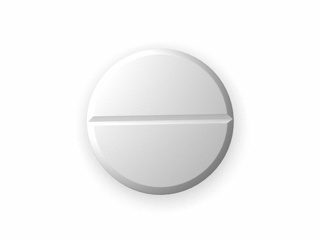

Grifulvin (Griseofulvin) — Patient Guide (Australia)
Grifulvin is a medicine containing griseofulvin, an antifungal used to treat certain fungal infections of the skin, hair, and nails. This guide explains how it works, how to take it, key safety information, and what to expect during treatment.
If you have questions about your condition or how to take Grifulvin, speak with a pharmacist or healthcare professional.
1) Basic product information
- Medicine name: Grifulvin (griseofulvin)
- Medicinal type: Antifungal medicine
- Typical forms: Oral tablets/suspension depending on product availability
- Common uses: Certain dermatophyte (ringworm) infections affecting skin, scalp/hair, or nails
- How it’s used: Usually taken by mouth over weeks to months, depending on the infection site and severity
- Audience: People in Australia receiving treatment for fungal infections
2) How Grifulvin works (mechanism of action)
Griseofulvin is an oral antifungal that targets fungal cells (especially dermatophytes such as Trichophyton, Microsporum, and Epidermophyton).
It works primarily by interfering with how fungi build their cell structures during growth. As fungal cells develop, griseofulvin helps stop them from multiplying effectively. Over time, infected keratin-containing tissues (like skin, hair, and nails) can grow out normally while treatment continues.
3) Pharmacokinetics (what the body does to the medicine)
Understanding how griseofulvin is absorbed and processed can help explain why food matters and why treatment needs to continue long enough.
- Absorption: Griseofulvin absorption can be improved when taken with fatty foods. Taking it with meals may increase how much of the medicine enters the bloodstream.
- Distribution: It reaches keratin-containing tissues. This is important because dermatophyte infections often affect skin, hair, and nails.
- Metabolism: Griseofulvin is processed by the liver.
- Elimination: It is eventually cleared from the body through metabolic pathways and excretion. Treatment duration is often longer for nail infections because nails grow slowly.
4) Typical use — what it treats
Grifulvin is used for infections caused by dermatophyte fungi (sometimes called “tinea” or “ringworm”). It is commonly considered when infection involves deeper keratin layers or when topical treatment alone may not be enough.
Common indications (examples)
- Scalp infections (tinea capitis): fungal infection of the scalp and hair
- Body infections (tinea corporis): fungal infection of the trunk/limbs
- Groin infections (tinea cruris): fungal infection of the groin
- Foot infections (tinea pedis): fungal infection of the feet
- Hand infections (tinea manuum): fungal infection of the hands
- Nail infections (onychomycosis): fungal nail infections in selected cases
Griseofulvin is not typically used for yeast infections (e.g., some Candida infections) or many non-dermatophyte fungal infections. Your healthcare professional may confirm the type of fungus before choosing treatment.
5) Timing and duration — how long treatment may take
Treatment length depends on where the infection is and how severe it is. Because fungi live in keratin, it often takes time for healthy keratin to replace infected areas.
Practical expectations
- Skin (tinea corporis/cruris/pedis): Often improves in weeks, but complete clearance may still take time.
- Scalp (tinea capitis): Usually requires longer therapy than skin infections.
- Nails (onychomycosis): Often requires the longest treatment duration, sometimes for months.
When to start seeing results
Some people notice improvement after a few weeks, but the medication must continue for the recommended period to reduce the chance of relapse. Stopping early can lead to persistent infection.
6) Food interactions — what to eat with Grifulvin
Food can influence how much griseofulvin is absorbed. In general, taking Grifulvin with meals or with fatty foods may improve absorption and effectiveness.
Consider the following tips:
- Take each dose with a meal when possible.
- If your product label instructs timing with food, follow those directions carefully.
- If you miss a dose, do not double up—ask your pharmacist for advice on timing.
If you have nausea or poor appetite, ask a healthcare professional how to manage this while still taking the medicine reliably.
7) Alcohol and medicine interactions
Alcohol
Because griseofulvin is processed by the liver, alcohol should be limited during treatment. Excess alcohol may increase the risk of liver-related side effects.
If you have liver disease, hepatitis, heavy alcohol use, or you’re unsure, discuss it with a pharmacist or clinician before starting.
Medicines that may interact
Griseofulvin may interact with other medicines, particularly those affected by liver enzymes. It can affect how some medicines work, and some medicines can affect how griseofulvin works.
Tell your healthcare professional about all medicines you take, including:
- Prescription medicines
- Over-the-counter medicines
- Herbal products (e.g., St John’s wort)
- Vitamins/supplements
Of particular importance are interactions with:
- Oral contraceptives (the pill): griseofulvin may reduce effectiveness in some situations.
- Warfarin and blood thinners: changes in levels may affect clotting control.
- Seizure medicines (anti-epileptics): liver metabolism can lead to changes in drug levels.
- Other medicines processed by the liver: enzyme changes may alter effectiveness or side effects.
Your pharmacist can check your current medicines for interaction risk and advise on safe timing or monitoring.
8) Dosing — general guidance
Dosing depends on the infection type, age, body weight, and other factors (including liver health). Your product label and the directions provided by your healthcare professional are the most important reference.
How dosing is usually described
- Oral dosing is taken at specific intervals (commonly once or twice daily, depending on the product and condition).
- Higher doses may be required for certain infections, such as scalp or nail disease, under clinician guidance.
- Children: dosing is often weight-based for appropriate safety and effectiveness.
What to do if you forget a dose
- Take it as soon as you remember if it is close to the scheduled time.
- If it is nearly time for the next dose, skip the missed dose and continue the regular schedule.
- Do not take extra doses to make up for a missed one.
If you’re unsure, contact your pharmacist for advice specific to your dosing schedule.
9) Safety profile — who should take extra care
Like all medicines, Grifulvin may cause side effects. Many are mild, but some can be serious. It’s important to know what to watch for and when to get medical advice.
Common side effects
- Gastrointestinal symptoms: nausea, stomach discomfort, diarrhoea
- Headache
- Dizziness
- Rash or mild skin reactions
- Fatigue
Serious side effects — seek urgent medical help
Stop and seek urgent medical advice if you develop:
- Signs of liver problems: yellowing of the skin/eyes (jaundice), dark urine, severe fatigue, persistent vomiting
- Severe allergic reaction: swelling of face/lips, trouble breathing, widespread rash with fever
- Severe skin reactions: blistering, peeling skin, or sores in the mouth
- Unexplained bruising or bleeding (may indicate blood cell issues)
Who may need monitoring
- People with liver disease or a history of abnormal liver tests
- Those taking medicines with known interaction risks
- Older adults or anyone with multiple medical conditions
- People with a history of drug allergies
Driving and operating machinery
Some people experience dizziness or other effects that could affect concentration. Until you know how Grifulvin affects you, use caution when driving or operating machinery.
10) Practical use tips (to help the treatment work)
- Take it with food: Follow product instructions. Taking Grifulvin with meals may improve absorption.
- Keep taking it for the full course: Fungal infections can relapse if treatment stops early.
- Don’t share towels or bedding: Hygiene helps prevent reinfection.
- Cover and treat contact areas: If multiple family members are affected, ask for advice on treatment to reduce spread.
- Continue basic skin care: Keep the affected area clean and dry, especially for foot and groin infections.
- Use topical treatments if recommended: Some fungal conditions benefit from combining oral and topical therapy, depending on diagnosis and severity.
- Monitor response: Improvement is usually gradual. If the rash worsens, spreads, or no improvement occurs, seek advice.
11) Alternative treatment options
Depending on the type of fungal infection, severity, location, and your medical history, alternative antifungal medicines may be considered. Your pharmacist or healthcare professional can guide you toward the most appropriate option.
Common alternatives (examples)
- Terbinafine: often used for dermatophyte infections; may be offered as oral or topical depending on the case.
- Itraconazole: oral antifungal sometimes used for nail or difficult fungal infections.
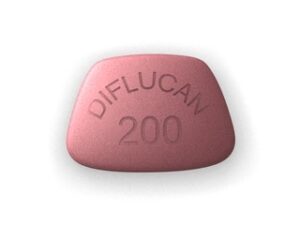
- Fluconazole: may be used in selected fungal infections depending on organism and location.
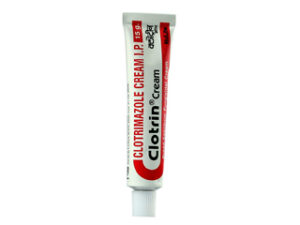
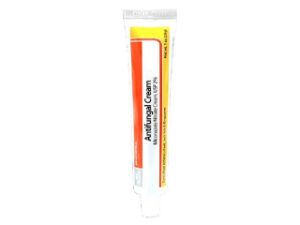
- Topical antifungals: creams/ointments/shampoos for certain skin/scalp infections (e.g., clotrimazole, terbinafine topical).
Choice of alternative depends on:
- Whether the fungus is a dermatophyte
- Infection site (scalp vs nails vs skin)
- Expected duration and adherence considerations
- Potential drug interactions and liver safety
12) Grifulvin in Australia — market and legal context
In Australia, medicines are regulated under national health and medicines frameworks. Availability can vary by brand and form, and some antifungal medicines may be supplied under specific prescribing or dispensing pathways depending on regulatory status.
When buying online, the safest approach is to use a registered Australian pharmacy and ensure you receive:
- Accurate product information (strength, form, expiry date)
- Clear dosing instructions consistent with Australian guidance
- Safety advice regarding interactions and monitoring
Your healthcare professional or pharmacist can provide updates about best practice for fungal infections, including whether oral therapy like griseofulvin remains appropriate compared with other options.
13) Recent guidance and evolving practice (what to know)
Fungal infection management can evolve as newer antifungal medicines and updated clinical guidance become available. In clinical practice, choice of treatment often considers:
- Confirmation of organism: diagnosis may use clinical assessment and, in some cases, lab testing.
- Local resistance patterns: while dermatophytes have remained broadly responsive, treatment choice may still vary.
- Safety and interaction profiles: griseofulvin has specific interaction considerations, particularly with liver metabolism.
- Convenience and duration: adherence can be improved with regimens that fit the patient’s routine.
If you were advised to use Grifulvin, it may be because your condition fits well with the medicine’s strengths, such as certain dermatophyte infections affecting keratin.
14) Delivery and availability (online pharmacy)
Grifulvin availability can differ by formulation (e.g., tablet vs suspension) and brand stock. Reliable online pharmacies typically:
- Display product strength and form clearly
- Provide estimated delivery times based on your location in Australia
- Offer secure payment and tracking options
- Ensure products are within expiry and stored appropriately
To avoid delays, ensure your delivery address is correct and allow time for processing and dispatch. If you’re taking multiple medicines, consider reviewing your full medication list with a pharmacist to reduce interaction risks.
15) FAQ — common questions about Grifulvin
How long does it take for Grifulvin to work?
Improvement can begin after a few weeks, but complete clearance depends on the infection site. Skin infections may improve faster than scalp or nail infections. Nails often require the longest treatment duration.
Should I take Grifulvin with food?
Often, yes—food (especially meals containing fat) can improve absorption. Follow the exact instructions provided on your product label or by your pharmacist.
Can I drink alcohol while taking Grifulvin?
It’s best to limit alcohol during treatment. Because griseofulvin is processed by the liver, heavy alcohol intake may increase risk of liver-related side effects. If you have liver problems or drink heavily, discuss with a pharmacist or clinician.
Are there interactions with other medicines?
Yes. Griseofulvin can interact with medicines processed in the liver and may affect effectiveness of some treatments. Tell your pharmacist about all medicines, including herbal products and over-the-counter medications.
What if I forget a dose?
Take it when you remember if it’s close to your scheduled dose. If it’s near the next dose, skip the missed one. Do not double the dose.
What side effects should I watch for?
Common side effects include nausea, stomach discomfort, headache, dizziness, and rash. Seek urgent medical advice for signs of allergic reaction or possible liver problems (such as jaundice or dark urine).
Is Grifulvin used for all fungal infections?
Griseofulvin is mainly used for dermatophyte infections (tinea/ringworm types). Other fungal infections (e.g., certain yeast infections) may need different antifungals.
Can I use topical antifungal creams at the same time?
Sometimes yes. Combining oral and topical treatments may be recommended depending on diagnosis and severity. Ask your pharmacist what is appropriate for your specific infection.
When should I contact my pharmacist or doctor?
Contact your healthcare professional if symptoms worsen, you develop a new rash, you have persistent vomiting, or you notice signs that may suggest liver issues or an allergic reaction.
Summary
Grifulvin (griseofulvin) is an oral antifungal used for certain dermatophyte fungal infections affecting skin, scalp/hair, and nails. It works by disrupting fungal growth, and because infected keratin must be replaced over time, treatment can last weeks to months depending on the infection site. Taking it with meals may improve absorption, and careful attention to safety—especially liver health and medicine interactions—is important.
If you’re unsure whether Grifulvin is suitable for your condition, or if you want to review interactions and dosing, speak with a pharmacist.