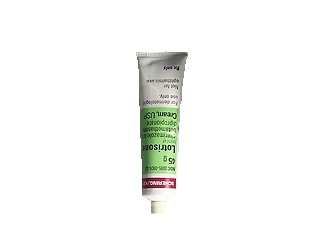
Lotrisone (Betamethasone / Clotrimazole) Cream — Patient Guide (Australia)
Lotrisone is a combination medicine used on the skin for certain fungal (yeast/mould) infections, often when there is also significant inflammation. It contains: betamethasone (a corticosteroid that reduces inflammation) and clotrimazole (an antifungal that kills or stops the growth of fungi).
This page explains how Lotrisone works, what it’s used for, how to use it safely and effectively, and what to watch for. Always follow the directions on the label and any clinician guidance you’ve been given.
Basic product information
| Feature | What it means |
|---|---|
| Medicine name | Lotrisone (Betamethasone / Clotrimazole) |
| Active ingredients | Betamethasone (corticosteroid) + Clotrimazole (antifungal) |
| Form | Cream (topical, applied to the skin) |
| Where it’s used | Skin areas affected by fungal infection with inflammation |
| Common benefit | Reduces redness/itching and treats the fungus |
How Lotrisone works (mechanism of action)
Lotrisone combines two actions:
- Clotrimazole (antifungal): interferes with the fungus’s cell membrane by affecting ergosterol, a key component of fungal cell walls. This disrupts fungal growth and helps clear the infection.
- Betamethasone (corticosteroid): reduces inflammatory responses such as swelling, redness, itching, and irritation. This can rapidly improve the “symptoms on the surface,” while the antifungal treats the underlying cause.
Because betamethasone is an anti-inflammatory steroid, it can make fungal skin infections feel better sooner. However, it’s important to keep using the medicine for the recommended time so the fungus is fully treated.
Pharmacokinetics (what happens in the body)
Lotrisone is applied to the skin. In general, topical corticosteroids and antifungals are absorbed through the skin to varying degrees depending on: the condition of the skin (for example, whether it is inflamed or broken), the size of the area treated, and whether the area is covered with dressings or occlusive bandages.
- Absorption: Lower with intact skin; higher with damaged skin and when used over larger areas or under occlusion.
- Distribution and metabolism: Like many topical medicines, small amounts that are absorbed can be metabolised by the body.
- Elimination: Metabolites are removed primarily through normal body processes (e.g., via the liver and kidneys), depending on the specific medicine and level of absorption.
While systemic absorption from typical, limited topical use is usually low, the risk increases with long-term use, large treatment areas, or use under occlusion. This is why proper dosing and duration are important.
Typical uses (indications)
Lotrisone is used for fungal skin infections where there is also inflammation. It’s commonly considered for areas where fungus and dermatitis-like symptoms occur together, for example:
- Jock itch (tinea cruris) when marked inflammation and irritation are present
- Ringworm in some inflamed fungal rashes (tinea corporis) when appropriately indicated
- Intertrigo-like fungal irritation in skin folds where clotrimazole may be needed alongside anti-inflammatory treatment
Important: Lotrisone is a strong combination and is not suitable for every rash. If symptoms are unclear, involve the face, scalp, or groin with severe irritation, or you’re unsure whether it is fungal, seek advice from a pharmacist or clinician.
When to expect results (timing)
Many people notice symptom relief—such as reduced redness, itch, and discomfort—within a few days. However, the fungal infection may take longer to fully clear.
- First 3–5 days: itching and redness may start to settle
- About 1–2 weeks: visible rash may significantly improve
- After the course: continue to avoid re-exposure factors (sweat, poor drying, tight clothing) to prevent recurrence
If there is no improvement after the recommended treatment period, or symptoms worsen, the diagnosis may be incorrect and medical advice is recommended.
Dosing and how to apply Lotrisone
Follow the instructions provided on the product packaging or by your healthcare professional. The usual approach is to apply a thin layer to the affected skin.
Typical dosing schedule (general guidance)
- Adults and children (as directed): often applied twice daily to the affected area and a small margin around it.
- Duration: typically for a short course (commonly around 1–2 weeks, depending on response and indication).
Because betamethasone is a corticosteroid, prolonged use can increase the risk of side effects. Use only for the time period recommended for your condition.
Step-by-step practical application tips
- Clean and dry the affected area gently. Avoid harsh soaps or scrubbing that may worsen irritation.
- Wash your hands before and after applying the cream (unless the hands are the treatment area).
- Apply a thin layer—enough to cover the rash area evenly. Do not over-apply.
- Avoid occlusive dressings (covering with airtight wrap) unless a clinician specifically instructs you.
- Wear loose, breathable clothing where relevant, especially in the groin or underarms.
- If the area is in a skin fold, keep the area dry and consider using gentle drying measures after bathing.
Missed dose
If you forget an application, apply it when you remember, then continue as directed. Do not apply extra amounts to make up for a missed dose.
Food interactions
Lotrisone is applied to the skin, so food interactions are not typically expected. No specific dietary restrictions are usually required.
Alcohol and medicine interactions
There are typically no direct alcohol interactions expected with Lotrisone because it is a topical skin treatment. However, practical cautions still apply:
- Avoid alcohol if you notice it worsens skin irritation or delays healing for you personally.
- Inform a pharmacist or clinician about all medicines you use (including other skin products, steroid creams, or antifungals) to prevent duplication or unintended steroid exposure.
Additional note: Do not apply other corticosteroid or antifungal creams to the same area unless directed, as this may increase side effects or complicate treatment.
Safety profile and warnings
Most people tolerate Lotrisone well when used correctly and for the right length of time. Because it contains a steroid, extra caution is needed in children and in sensitive areas.
Common side effects
- Burning, stinging, or mild irritation at the application site
- Dryness or mild redness
- Itch may improve but sometimes may temporarily flare as the rash changes
Less common but important side effects
- Skin thinning (atrophy), especially with prolonged use
- Stretch marks (striae), discoloration, or visible blood vessels (telangiectasia)
- Worsening or spread of infection if the diagnosis is incorrect or if treatment is inadequate
- Allergic contact dermatitis (increased redness, swelling, blistering, or worsening rash after application)
When to seek advice promptly
Contact a pharmacist or clinician urgently if you experience:
- Rapid worsening of redness, pain, swelling, or blistering
- Signs of skin infection (pus, oozing, fever, spreading warmth)
- Rash extending beyond the original area despite treatment
- Severe irritation, facial swelling, or breathing difficulties (seek emergency help)
Do not use in certain circumstances
- Do not use on the eyes or inside the mouth
- Do not use on broken skin or open wounds unless directed
- Avoid using on the face unless a clinician advises it
- Do not use on large body areas or for long periods without medical guidance
- Not for conditions that are not fungal (for example, some eczema/psoriasis patterns may worsen with inappropriate steroid use)
Special precautions (children, pregnancy, breastfeeding)
- Children: Use with extra caution. Children have a higher risk of steroid-related side effects from topical products, especially if used over larger areas or under occlusion.
- Pregnancy: If pregnant, use only if advised and generally for the shortest time and smallest area necessary.
- Breastfeeding: Avoid applying to the nipple/areola area and use only as advised. Prevent contact with the baby’s skin unless directed.
Practical use tips to improve outcomes
Good skin care and hygiene can make a big difference, especially for fungal infections that recur.
- Keep the area dry: Fungi thrive in warm, moist environments.
- Change underwear/socks regularly: particularly after sweating.
- Avoid tight clothing: wear loose, breathable fabrics.
- Don’t share towels: reduce the chance of spreading fungus.
- Consider foot care: if you have athlete’s foot, treat it as well, as it can re-seed the infection to other areas (e.g., groin).
- Complete the course: even if symptoms improve early.
If you have recurrent symptoms, it may be helpful to identify triggers such as ongoing moisture, friction, or other underlying skin conditions.
Alternative options (depending on the diagnosis)
Because Lotrisone includes a steroid, it may not be the best first choice for every fungal condition. Alternatives include:
- Antifungal-only creams (without steroid), such as: clotrimazole, terbinafine, or miconazole preparations depending on availability and indication. These can be useful when inflammation is mild or when you want to avoid steroid exposure.
- Different antifungal strengths or formulations (e.g., lotions, sprays, powders) which may suit hair-bearing areas or areas that need less greasy treatment.
- Non-medicated skin care measures for mild irritation: barrier protection, drying strategies, and avoiding friction. These do not treat fungus by themselves but can support healing.
If your rash is not responding, you may need a different antifungal, a different diagnosis, or additional evaluation (for example, bacterial infection, eczema, contact dermatitis, or other skin conditions can mimic fungal rashes).
Delivery and availability (Australia)
Lotrisone (Betamethasone / Clotrimazole) may be available through pharmacies and online pharmacy services in Australia, depending on local supply arrangements. Online ordering usually allows delivery to residential addresses and selected parcel locations where permitted.
Availability can vary due to:
- Current stock levels
- Product size (tube/pack quantity)
- Regional delivery schedules
When ordering online, check:
- Expiry date on the packaged product
- Correct strength and formulation (cream)
- Delivery timeframe and return/refund policy
Market and legal context for Australia (general)
In Australia, medicines are regulated under the Australian regulatory framework. Topical products containing corticosteroids and antifungals are subject to rules around classification, supply, labelling, and consumer information.
Online pharmacies typically provide products in accordance with Australian laws and regulatory requirements, including ensuring appropriate consumer information and safe supply practices. Requirements may vary based on the product classification and local pharmacy policies.
Recent guidance and clinical considerations
Dermatology and general clinical guidance commonly emphasises:
- Confirming the diagnosis when rashes persist or recur, to avoid masking infection with steroid-containing products.
- Avoiding prolonged steroid use on the skin, particularly in sensitive areas and in children.
- Using antifungal treatment appropriately, including adequate duration to clear infection and reduce recurrence.
- Managing contributing factors (moisture, friction, hygiene) to prevent re-infection.
If your condition is uncertain, a healthcare professional may recommend an examination or testing. This is especially relevant for recurrent groin rashes, widespread lesions, or symptoms that do not improve.
FAQ
Is Lotrisone safe for everyone?
Lotrisone is generally tolerated when used correctly, but it isn’t suitable for every skin condition. Avoid use in the eyes, mouth, and on broken skin unless directed. Extra caution is needed for children, pregnancy, and breastfeeding. If you have any concerns, speak with a pharmacist.
How long should I use Lotrisone?
Typical courses are short and depend on the skin condition and your response. Because betamethasone is a steroid, avoid using it longer than recommended on the label or by your clinician. If there’s no improvement after the expected timeframe, get advice rather than continuing indefinitely.
Can I use Lotrisone on the groin or underarms?
Lotrisone is often used for inflamed fungal rashes in areas such as the groin where appropriate. However, these areas are more sensitive and prone to steroid side effects if used improperly. Use a thin layer, avoid occlusive coverage, and follow the recommended course.
What if my rash gets worse after starting?
If symptoms rapidly worsen, if there is significant burning, blistering, oozing, or spreading redness, stop and seek advice. A worse reaction can mean the diagnosis is incorrect or you may have an allergy or another type of infection.
Can I wear underwear or a bandage over the cream?
You can cover with regular clothing, but avoid airtight or occlusive dressings unless instructed by a clinician. Use loose, breathable garments to reduce moisture and friction.
Should I avoid showering or swimming while using it?
You can shower normally. Gently clean and pat dry before applying the cream. Swimming may increase moisture and friction; after swimming, dry thoroughly and apply if still within your dosing schedule.
Will Lotrisone stain clothes or skin?
Creams can sometimes transfer slightly, especially if thickly applied. Applying a thin layer reduces the chance of transfer. Allow the cream to absorb before dressing.
Can I use other creams at the same time?
Avoid combining multiple steroid or antifungal products on the same spot unless advised. If you use moisturisers or barrier creams, separate application times as needed and ensure the treated area is clean and dry first.
What should I do if it keeps coming back?
Recurrence is common when underlying factors persist—such as moisture, tight clothing, or untreated athlete’s foot. Address contributing issues, and treat other fungal areas if present. If it repeatedly returns, consider a medical review to confirm the diagnosis and rule out alternatives.
Are there food or alcohol restrictions?
No specific food restrictions are typically required for a topical skin cream like Lotrisone. Direct alcohol interactions are not expected, but if you notice alcohol worsens irritation for you, consider reducing intake while your skin heals.
Quick checklist before you start
- Confirm the rash is consistent with a fungal infection (and inflamed)
- Apply a thin layer only to the affected area
- Use the recommended frequency (often twice daily) and do not extend treatment unnecessarily
- Keep the area clean and dry
- Seek advice if there is no improvement, or if symptoms worsen