Itraconazole
Itraconazole is an antifungal medicine used to treat a range of fungal infections. It works by stopping fungi from making the substances they need to survive and multiply. This page explains what itraconazole is, how it works, how the body processes it, how it is usually taken, important food and medicine interactions, and practical tips to help you use it safely.
Important: Fungal infections can range from mild to serious. The right choice of antifungal (and the duration of treatment) depends on the type and location of the infection. Always follow the dosing schedule provided by your healthcare professional.
At a Glance
- Medicine: Itraconazole
- Class: Antifungal (azole)
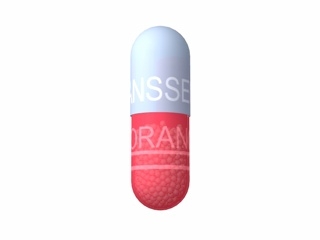
- Common forms: Capsules and oral solution (different formulations may be used for different infections)
- Key strengths: Effective against many clinically relevant fungi; requires attention to interactions and absorption
- Most important practical point: Interactions with other medicines (and stomach acid changes) can significantly affect levels
Basic Product Information
| Category | Details |
|---|---|
| Generic name | Itraconazole |
| Medicine type | Systemic antifungal (triazole/azole class) |
| Common conditions | Fungal infections of skin, nails, lungs, and other organs (depends on formulation and infection) |
| Forms you may see | Capsules and oral solution (formulation affects absorption and timing with food/acid) |
| Typical action | Blocks fungal ergosterol synthesis |
How Itraconazole Works (Mechanism of Action)
Fungi need a key membrane component called ergosterol to maintain their cell structure and function. Itraconazole belongs to the azole family and works by inhibiting an enzyme involved in ergosterol production (commonly described as inhibition of lanosterol 14α-demethylase).
By blocking ergosterol formation, itraconazole disrupts the fungal cell membrane, leading to impaired growth and death of the fungus. The medicine’s effect can be time-dependent—some infections require weeks to improve, and nails can take longer because of nail growth cycles.
Pharmacokinetics (How the Body Handles Itraconazole)
Absorption
Itraconazole absorption varies between formulations:
- Capsules: Absorption depends on stomach conditions and may be affected by acid-reducing medicines.
- Oral solution: Typically absorbed more readily and may require different timing with food. (Always follow the specific instructions for your product.)
Distribution
After absorption, itraconazole distributes into tissues. It can remain at therapeutic levels in skin and some body compartments for some time, which is one reason it may be used in “pulse” strategies for certain skin/nail infections (depending on local guidance and formulation).
Metabolism
Itraconazole is metabolised in the liver to active and inactive metabolites. This is one reason it may be affected by other medicines that influence liver enzymes (especially CYP3A4).
Elimination
Itraconazole leaves the body slowly. Even after stopping treatment, antifungal activity in some tissues may persist, and drug levels can decline gradually. This matters when you change or add other medicines.
Typical Use and Timing
Itraconazole is used to treat susceptible fungal infections, such as:
- Dermatophyte infections (e.g., some nail/skin fungal infections)
- Yeast infections (including certain cases of Candida, depending on site and severity)
- Systemic and opportunistic fungal infections (more serious infections involving organs such as lungs)
- Endemic mycoses (in regions where specific fungi are common—clinician-led decisions)
Timing expectations: Improvement may not be immediate. Skin symptoms may improve over weeks, while nails often take months due to growth. If symptoms worsen, spread quickly, or fever develops, seek urgent medical advice.
Food Interactions and Stomach Acid Effects
Food and stomach acid can strongly influence how much itraconazole you absorb—particularly with capsule formulations. This can change how well the medicine works.
General guidance
- Capsules: Often require taking with food (frequently described as taken with a full meal). Follow the product instructions for your specific formulation.
- Oral solution: May have different instructions (commonly taken on an empty stomach or with specific timing). Always confirm with your pharmacist or the label for your product.
Acid-reducing medicines (major issue)
Medicines that reduce stomach acid (for example some antacids, proton pump inhibitors, and H2 blockers) can reduce itraconazole absorption. Lower absorption may lead to treatment failure.
Examples of medicines that may interact include:
- Proton pump inhibitors (e.g., omeprazole, esomeprazole)
- H2 antagonists (e.g., famotidine)
- Antacids (e.g., aluminium or magnesium-containing antacids)
If you use acid-reducing medicines, discuss timing and alternatives with your healthcare professional. In some cases, switching antifungal or acid therapy may be needed.
Alcohol and Medicine Interactions
Alcohol
Alcohol is not always strictly prohibited with itraconazole, but it may increase the risk of side effects such as nausea, dizziness, and may add stress to the liver. Because itraconazole is metabolised in the liver, it is best to:
- Use alcohol sparingly, if at all, during treatment
- Avoid heavy drinking
- Seek medical advice if you notice yellowing of the skin/eyes, dark urine, severe fatigue, or persistent abdominal pain
Major medicine interactions (CYP3A4 and transport effects)
Itraconazole interacts with many medicines, particularly through effects on CYP3A4 enzymes and drug transporters. Some interactions can raise itraconazole levels, while others can significantly reduce them.
It is especially important to tell your pharmacist/doctor if you take any of the following categories:
- Some antibiotics/antivirals (e.g., certain macrolides, some HIV medicines)
- Anticoagulants (e.g., warfarin—requires close monitoring)
- Statins (cholesterol-lowering medicines; interaction risk varies by statin)
- Heart rhythm medicines (some can increase risk of rhythm problems)
- Immunosuppressants (e.g., certain transplant medications)
- Other antifungals
- Rifampicin/rifabutin and certain anticonvulsants (can reduce antifungal effectiveness)
Examples of common interaction concerns
- Level reductions: Some medicines can lower itraconazole exposure and cause poor outcomes.
- Level increases: Other medicines can increase itraconazole exposure and side effect risk.
- QT prolongation risk: Some medicines plus itraconazole may increase the risk of an abnormal heart rhythm in susceptible individuals.
Always provide a complete list of your medicines (including herbal products and over-the-counter products) before starting itraconazole. If you begin or stop another medicine while on itraconazole, re-check for interaction risk.
Indications (What Itraconazole Is Used For)
The specific indication depends on the infection type, site, severity, and your medical history. Clinicians may choose itraconazole for:
- Fungal infections of skin and nails, including dermatophyte-related infections
- Vaginal yeast infections are usually treated with other options, but systemic itraconazole may be considered in select cases
- Respiratory or systemic fungal infections, particularly when the fungus is susceptible and treatment needs to reach deeper tissues
- Endemic mycoses depending on local fungal exposure and susceptibility patterns
If your infection has not improved, itraconazole may not be appropriate (e.g., the fungus may be resistant or the infection may be non-fungal). Seek medical advice rather than extending treatment indefinitely on your own.
Dosing (How Much and How Often)
Itraconazole dosing varies significantly by infection type, formulation (capsules vs oral solution), severity, and individual factors such as liver function and interacting medicines. The information below provides general context; always follow the dosing instructions on your product and/or from your healthcare professional.
Typical dosing approaches (general information)
- Daily dosing: For many systemic infections, dosing is commonly given once or twice daily depending on the condition.
- Pulse therapy: Some skin and nail conditions may use intermittent courses with breaks (pulse strategies depend on formulation and local protocols).
- Treatment duration: Can range from a short course for some infections to longer courses for systemic mycoses.
Practical timing tips
- Take doses at the same times each day to maintain consistent drug levels.
- For capsules, take with food if the product instructions specify this for your formulation. If you miss a dose, do not double up—follow the label or ask your pharmacist what to do.
- Do not stop early just because symptoms improve.
Renal impairment and liver considerations
Itraconazole is primarily processed by the liver. If you have liver disease, dosage and monitoring may need adjustment. Inform your clinician if you have a history of liver problems or abnormal liver blood tests.
Safety Profile
Common side effects
- Nausea, vomiting, diarrhoea or stomach discomfort
- Headache
- Dizziness
- Rash or itching
- Changes in taste
Less common but important risks
- Liver effects: itraconazole can rarely cause serious liver injury. Risk may be higher with long treatment or existing liver disease.
- Heart-related issues: caution is advised in people with certain heart conditions. If you experience worsening shortness of breath, sudden weight gain, or swelling of ankles/legs, seek urgent advice.
- Allergic reactions: symptoms may include swelling of the face/lips, severe rash, or difficulty breathing. Seek urgent care if these occur.
- Skin reactions: severe or blistering rashes require urgent assessment.
When to seek urgent medical help
- Yellowing of skin or eyes (jaundice)
- Dark urine, severe fatigue, persistent upper abdominal pain
- Chest pain, fainting, severe palpitations, sudden breathlessness
- Severe allergic reaction (swelling, breathing difficulty)
- Severe rash or blistering skin
Who should use caution
Discuss itraconazole carefully if you:
- Have liver disease or elevated liver enzymes
- Have a history of heart failure or significant cardiac problems
- Take multiple interacting medicines (especially heart rhythm medicines or anticoagulants)
- Are pregnant, trying to conceive, or breastfeeding (use requires medical advice)
- Have a history of serious drug allergies
Practical Use Tips
- Confirm your formulation: Instructions may differ between capsules and oral solution. If your product label differs from the general guidance, follow the label for your specific product.
- Use with consistent timing: Taking doses at regular times helps maintain antifungal activity.
- Manage stomach acid appropriately: If you use antacids or acid reducers, ask how to time them. Do not assume “over-the-counter” products won’t interact.
- Keep a medicine list: Include herbal products and supplements. Many “natural” products can still interact.
- Complete the course: Stop only when your clinician advises. Stopping early can increase relapse risk.
- Know what improvement looks like: For nail infections, improvement takes time (months). For skin infections, signs should gradually improve. If no improvement occurs, reassessment may be needed.
Alternative Options
Alternatives depend on the infection and the likely fungus. Your clinician may consider other antifungals such as:
- Terbinafine: often used for dermatophyte skin and nail infections
- Fluconazole: commonly used for certain yeast infections; not always suitable for all fungi
- Voriconazole or posaconazole: used for specific severe systemic fungal infections
- Topical antifungals: creams, gels, or nail lacquers for selected localized infections
- In some cases: procedures or supportive care may be needed alongside antifungal therapy
Switching options should consider drug interactions, severity, infection site, and susceptibility. If itraconazole is not suitable, your healthcare team can help select the best alternative.
Market and Legal Context for Australia
In Australia, antifungal medicines are regulated through the Therapeutic Goods Administration (TGA) and are supplied according to their classification (for example, depending on strength, formulation, and intended indication).
Online pharmacies in Australia must follow applicable laws and standards for supply, including identity verification requirements, safe dispensing practices, and maintaining appropriate storage and handling. Availability can vary by product form and strength.
If you are unsure whether a specific itraconazole product is appropriate for you, speak with a pharmacist. They can also help assess interaction risks with your existing medicines.
Recent Guidance (What to Expect in Clinical Practice)
Clinical guidance for azole antifungals (including itraconazole) commonly emphasises:
- Careful medicine review: checking interactions, particularly with CYP3A4 inhibitors/inducers and medicines that affect heart rhythm
- Formulation-specific absorption considerations: taking capsules with food as directed and accounting for acid-reducing medicines
- Monitoring in higher-risk patients: liver function and overall safety in those receiving longer courses or at higher risk
- Confirming diagnosis: ensuring the infection is truly fungal before prolonged systemic treatment
Guidance may be updated over time based on new safety data and evolving fungal resistance patterns. Your pharmacist or clinician can provide the most current advice for your situation.
Delivery and Availability (Australia)
Availability of itraconazole products can vary by formulation (capsules versus oral solution) and strength. Many online pharmacies in Australia offer delivery to eligible addresses across states and territories, subject to stock and regulatory requirements.
- Dispatch times: often depend on whether the item is in local stock.
- Packaging: medicines are typically delivered in protective packaging with the required product label information.
- Storage: keep the medicine in a cool, dry place and away from moisture, following the label instructions.
- Cold-chain: itraconazole is not typically a cold-chain medication, but always follow label directions.
If you need itraconazole for a longer course, consider timing your order early to avoid running out. Check delivery estimates during checkout where available.
FAQ
1) What is itraconazole used for?
Itraconazole is used to treat fungal infections. Depending on the condition, it may be used for skin or nail fungal infections, and in some cases for more serious infections affecting internal organs or specific endemic fungi.
2) How long does it take to work?
You may notice some improvement within days to weeks for skin infections, but complete resolution often takes longer. Nail infections can take months because the nail must grow out. If there is no improvement, speak with your clinician.
3) Do I need to take itraconazole with food?
This depends on the specific product formulation. Capsules commonly need to be taken with food to improve absorption. Oral solution may have different instructions. Always follow the label or pharmacist advice for your exact product.
4) Can I take itraconazole with antacids or acid reducers?
Often this requires careful timing because reducing stomach acid can lower itraconazole absorption, especially for capsules. Talk to a pharmacist before combining itraconazole with proton pump inhibitors, H2 blockers, or antacids.
5) What medicines commonly interact with itraconazole?
Many medicines can interact due to liver enzyme effects. Examples include some antibiotics, antivirals, anticoagulants, statins, immunosuppressants, and certain heart rhythm medicines. Provide your full medication list to your pharmacist.
6) Is alcohol allowed?
Alcohol is not always strictly forbidden, but it may increase side effects and may be risky for the liver. It’s best to avoid heavy drinking and seek medical advice if you have liver problems or develop concerning symptoms.
7) What should I do if I miss a dose?
Follow the instructions on your product label. In many cases, you should take it when you remember unless it is close to the next dose. Do not double the dose unless instructed by a pharmacist or healthcare professional.
8) Are there any signs of serious side effects?
Seek urgent medical care if you experience jaundice, dark urine, severe fatigue, severe abdominal pain, chest pain or fainting, sudden breathlessness, severe allergic reactions, or blistering/severe rash.
9) Can itraconazole be used in pregnancy or breastfeeding?
Use during pregnancy or breastfeeding requires careful risk-benefit assessment and clinical advice. Discuss your situation with your healthcare professional.
10) What are the common alternative treatments?
Alternatives depend on the infection site and fungus type. Options may include terbinafine, fluconazole, other specialist antifungals, or topical treatments in suitable cases.
Disclaimer
This information is intended to help you understand itraconazole and its common considerations. It does not replace professional medical advice. If you have questions about interactions, dosing, or suitability for your infection, speak with a pharmacist or healthcare professional.