Lamisil (Terbinafine) — Patient Guide (Australia)
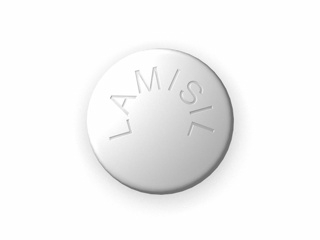
Lamisil is a medicine containing terbinafine. It is used to treat fungal infections of the skin and, depending on the product strength and form, some fungal infections of the nails and feet. This guide explains how Lamisil works, how it’s used, common timing tips, food and medicine interactions, safety considerations, and practical advice to help you get the best results.
Basic product information
- Active ingredient: Terbinafine
- Brand name: Lamisil
- Common forms (availability varies):
- Oral tablets (for certain nail and skin fungal infections)
- Topical cream/spray (for athlete’s foot, ringworm, and other skin fungal infections)
- Medicine type: Antifungal
- Who it’s for: People with confirmed or strongly suspected fungal infections
Important: Always check your specific product pack (tablet vs cream/spray, and the strength) and follow the directions on the label. Different strengths and formulations have different dosing schedules.
How Lamisil works (mechanism of action)
Terbinafine belongs to the allylamine group of antifungals. It works by interfering with the way fungi build their cell membranes.
Key mechanism:
- Terbinafine inhibits an enzyme called squalene epoxidase (a key step in the fungal production of ergosterol).
- This leads to ergosterol depletion and an accumulation of squalene inside fungal cells.
- The fungal cell becomes unstable and is unable to grow effectively, which helps clear the infection.
Because terbinafine targets fungal cell membrane formation, it is specifically useful for common dermatophyte fungi (the organisms behind athlete’s foot and ringworm).
Pharmacokinetics (how the body handles terbinafine)
Pharmacokinetics describes absorption, distribution, metabolism, and elimination. (Details can vary by formulation, and not all of the below applies to topical products.)
Oral terbinafine (tablets)
- Absorption: Terbinafine is absorbed after swallowing. It can be taken with or without food (see food section for practical guidance).
- Distribution: Terbinafine distributes into skin and nail tissues. It can persist in target tissues even after the dosing period ends.
- Metabolism: Mostly metabolised by the liver (primarily via CYP enzyme pathways).
- Elimination: Metabolites are excreted mainly via the kidneys.
Topical terbinafine (cream/spray)
- Absorption: Only small amounts typically enter the bloodstream when applied to intact skin. Absorption may be higher if applied to large areas or broken/irritated skin.
- Local action: The primary effect is at the site of infection.
If you have liver disease, kidney problems, or you’re older, the oral tablet experience may differ; speak with a healthcare professional before starting.
Typical uses (indications)
Lamisil is used to treat fungal infections, including:
- Tinea (ringworm) of the skin (e.g., tinea corporis, tinea cruris)
- Athlete’s foot (tinea pedis), including between the toes and on the soles
- Jock itch (tinea cruris)
- Fungal nail infection (onychomycosis)—commonly treated with oral terbinafine tablets in appropriate cases
- Other superficial fungal infections depending on product indication and local guidance
Not for: Lamisil treats fungus. It is not an antibacterial medicine and won’t help with bacterial skin infections. If symptoms are painful, spreading rapidly, oozing pus, or accompanied by fever, get medical advice promptly.
Dosing and timing (general patient guidance)
Dosing depends on whether you are using oral tablets or a topical product, as well as the site and severity of infection. Below are common schedules used for terbinafine in practice. Always follow your product label or healthcare guidance.
Oral tablets (common schedules)
- Fungal nail infection: Often taken once daily for a defined course length. Treatment duration may be weeks for finger nails and longer for toenails.
- Skin fungal infection: Sometimes treated with an oral course depending on extent and diagnosis.
Why nail treatment takes time: Nails grow slowly. Even after fungus is stopped, it takes months to see clear regrowth. You may notice improvement gradually rather than immediately.
Topical cream/spray (common schedules)
- Once or twice daily application is common depending on the exact product and the infection site.
- Treatment is typically continued for a full course (often about 1–2 weeks for many skin infections) even if symptoms improve earlier.
Timing tip: Apply to clean, dry skin. If using at night, wash and dry the area before applying. If it’s daytime, try to avoid getting the area sweaty or wet right after application.
If you miss a dose
- Topical: Apply as soon as you remember, unless it’s near the next dose. Don’t double up.
- Oral: Take when you remember unless it’s close to the next dose. Follow label instructions and avoid doubling.
Food interactions
Oral terbinafine can generally be taken with or without food. However, some people find that taking it with a meal reduces stomach upset.
- If your stomach feels sensitive, try taking tablets after a meal.
- Follow the pack instructions for your exact product.
Topical products have no direct food interaction, since absorption is minimal when used correctly.
Alcohol and medicine interactions
Alcohol
While there is no single “universal” rule for all patients, caution is advised with oral terbinafine because the medicine is processed by the liver.
- If you drink alcohol, keep intake moderate and avoid heavy drinking while you’re taking oral terbinafine.
- Avoid alcohol and seek advice immediately if you develop signs that may suggest liver problems (see safety section).
Medicine interactions (important)
Terbinafine may interact with other medicines because it is metabolised through liver enzyme pathways and can affect metabolism of certain drugs.
Tell your pharmacist or healthcare professional if you use:
- Medicines that affect liver enzymes or are also metabolised by the liver
- Certain antidepressants (some types can interact)
- Medicines for arrhythmias and other heart conditions
- Some medicines for infection or fungus (including other antifungals)
- Any medicine that lists known interactions with terbinafine
- Herbal supplements (especially those that claim liver support or strong enzyme effects)
Practical advice: When purchasing or starting treatment, bring a list of all your medicines and supplements. This includes occasional or “as needed” products.
Safety profile and when to seek help
Most people tolerate terbinafine well. However, as with all medicines, side effects can occur. The likelihood and type of side effects can depend on whether you’re using tablets or topical products.
Common side effects
- Oral terbinafine: headache, taste disturbances (including reduced taste), mild stomach upset, diarrhoea, rash
- Topical terbinafine: mild itching, burning, redness, or skin irritation at the application site
Less common but important warnings (oral tablets especially)
Because oral terbinafine can affect the liver, watch for symptoms such as:
- Yellowing of the skin or eyes (jaundice)
- Dark urine
- Unusual fatigue or severe weakness
- Persistent nausea or vomiting
- Right upper belly discomfort
- Severe loss of appetite
Seek urgent medical help if these occur while taking oral terbinafine.
Allergic reactions
Get medical assistance promptly if you develop:
- Swelling of the face, lips, tongue, or throat
- Widespread rash, blisters, or difficulty breathing
Precautions
- Liver disease: Oral terbinafine may require extra caution or avoidance depending on severity. Discuss with a healthcare professional.
- Skin conditions: If the area is very inflamed, infected with bacteria, or the appearance is atypical, confirm diagnosis before prolonged use.
- Pregnancy and breastfeeding: Safety depends on the situation and formulation; discuss with a clinician.
- Children: Age and weight-based dosing may apply. Follow product instructions and professional advice.
Practical use tips (how to get the best results)
Antifungal treatment often fails due to incorrect application, not finishing the course, reinfection, or misdiagnosis. These tips can improve outcomes:
For topical Lamisil cream/spray
- Clean and dry first: Wash with mild soap and water, dry thoroughly.
- Apply beyond the edge: Fungi can spread beyond visible redness—apply a small margin around the affected area.
- Use regularly: Don’t stop when symptoms improve. Continue for the full course on the label.
- Wash hands after application: Prevent spreading to other areas and avoid eye contact.
- Keep skin dry: In athlete’s foot, moisture promotes fungal growth—use breathable socks and change them daily.
- Footwear hygiene: Rotate shoes, let them dry, and consider antifungal powders or sprays in shoes.
For nail fungal infection treated with oral terbinafine tablets
- Expect slow improvement: It often takes many weeks to months for nail appearance to improve due to nail growth rate.
- Be consistent with dosing: Missing doses can reduce effectiveness.
- Long-term prevention: Keep feet clean and dry, treat athlete’s foot promptly, and avoid shared nail tools.
- Consider confirmation: Toenail fungus can resemble other nail disorders. If response is poor, ask about diagnosis (for example, fungal testing).
When to review treatment
- If there’s no improvement after a reasonable period (for topical treatments, often within about 1–2 weeks depending on the site), consider review.
- If symptoms worsen, spread quickly, or become painful with swelling, consult a clinician.
Alternative options for fungal infections
The best alternative depends on the infection type (skin vs nail), which fungus is involved, and your health profile.
Topical alternatives
- Azole antifungals (e.g., clotrimazole, miconazole): often used for skin fungal infections.
- Other antifungal creams/sprays depending on availability and indications.
Oral alternatives
- Itraconazole: sometimes considered for nail fungal infections.
- Fluconazole: used in certain fungal conditions (dose varies by diagnosis).
Important: Different medicines have different interaction profiles and dosing schedules. If you’ve previously used terbinafine without success, it may be worth confirming the diagnosis or discussing an alternative plan with a healthcare professional.
Market and legal context in Australia (patient-friendly overview)
In Australia, antifungal products may be supplied through different access pathways depending on the form and strength.
- Topical antifungal products are commonly available via pharmacies and may be accessible without prescription depending on the specific product.
- Oral medicines are subject to Australian regulatory requirements and the product’s scheduling category.
- Pharmacists may advise on suitability, dosing, duration, and safety based on your symptoms and medical history.
Always: Read the label carefully, check expiry dates, and use only for the condition described.
Recent guidance and best-practice considerations
In recent years, clinical emphasis has generally included:
- Confirming diagnosis when treatment fails or when appearance is atypical (especially for nail fungus).
- Preventing reinfection by treating athlete’s foot early, keeping feet dry, and maintaining footwear hygiene.
- Adherence to full treatment courses for topical therapy to reduce relapse.
- Monitoring for safety with oral antifungals, particularly liver-related symptoms and relevant drug interactions.
If you are unsure whether your symptoms are fungal, it’s reasonable to seek advice rather than repeatedly trying antifungals.
Delivery and availability (Australia)
Lamisil products are commonly stocked through pharmacy networks and online pharmacy services where available. Delivery options can vary by provider and location within Australia.
- Availability: depends on formulation (cream/spray/tablets) and stock levels
- Delivery: typically delivered to your nominated address; delivery times vary by courier and dispatch day
- Storage: keep the product at room temperature, away from moisture and direct sunlight
- Check packaging: ensure the seal is intact and the expiry date is valid
For the most accurate delivery estimate and current stock status, check the product page at the time of order.
FAQ — Frequently asked questions
1) How long does Lamisil take to work?
Topical treatment often improves symptoms within a few days, but you should continue the full course to reduce recurrence. Nail fungus improves slowly because nails grow gradually; visible improvement may take several months.
2) Can I use Lamisil if I’m not sure it’s fungus?
If symptoms are mild and resemble a typical fungal rash, a short course may be reasonable. However, if the rash is widespread, not improving, very painful, or looks unusual, it’s better to get advice and confirm the diagnosis.
3) What’s the difference between athlete’s foot and ringworm?
Athlete’s foot refers to fungal infection of the feet, usually the soles and between toes. Ringworm is a fungal infection on the skin of the body or groin (tinea corporis/cruris). Terbinafine can be used for many of these fungal patterns.
4) Should I stop if the redness goes away?
No. For topical infections, complete the full course indicated on the product label. Stopping early increases the chance of the fungus coming back.
5) Is terbinafine safe to use with other medications?
Some medicines can interact with terbinafine, especially with oral treatment. Provide your medication list to a pharmacist and check for possible interactions, including over-the-counter and herbal products.
6) Can I drink alcohol while taking oral Lamisil?
Moderation is advised, and heavy drinking should be avoided. Because oral terbinafine can affect the liver, alcohol should be treated cautiously. If you develop liver-related symptoms, seek medical help immediately.
7) What if my skin is cracked or very inflamed?
Fungal areas with broken skin may absorb more topical medicine and may also indicate an additional skin problem. If there is severe irritation, oozing, or signs of bacterial infection, get advice before continuing.
8) Will Lamisil cure nail fungus completely?
Nail fungus can be difficult to eradicate. Terbinafine can be effective for many people, but results vary. Continued foot hygiene and treating any concurrent athlete’s foot can improve outcomes. If nails don’t improve, ask about testing or alternative treatment strategies.
9) Can I use Lamisil on both feet or multiple areas?
For topical products, you can treat affected areas as directed by the label. Avoid applying more than recommended, and wash hands after use. If multiple areas are involved, review with a healthcare professional.
10) When should I seek urgent medical help?
Seek urgent help if you have signs of an allergic reaction (swelling, trouble breathing, severe rash) or, especially with oral therapy, symptoms suggesting liver problems (yellowing eyes/skin, dark urine, severe fatigue, persistent nausea/vomiting).
Quick reference table (patient-friendly)
| Topic | What to know |
|---|---|
| Active ingredient | Terbinafine (allylamine antifungal) |
| What it treats | Common fungal infections of skin (e.g., athlete’s foot, ringworm) and—depending on form—fungal nail infections |
| How it works | Blocks fungal ergosterol production (via squalene epoxidase inhibition), harming the fungus’ cell membranes |
| Typical timing | Skin may improve in days; nails improve gradually over months due to slow regrowth |
| Food interaction | Oral terbinafine is generally taken with or without food; taking after meals may help stomach comfort |
| Alcohol | Use caution with oral therapy due to liver metabolism; avoid heavy drinking |
| Medication interactions | Possible liver-related interactions with some medicines—provide a complete list to your pharmacist |
| Topical tips | Use on clean, dry skin; continue the full course; apply slightly beyond the visible edge |
| When to get help | No improvement after a reasonable period; worsening symptoms; allergic reaction; or liver warning signs (oral) |
Disclaimer: This information is provided for general education and does not replace individual medical advice. If you are unsure about your symptoms, have a complex medical history, or are taking multiple medicines, consult a healthcare professional or pharmacist.