Sporanox (Itraconazole) – Patient-Friendly Guide
Sporanox contains itraconazole, an antifungal medicine used to treat a range of fungal infections. This guide explains how it works, how it is taken, key interactions (including food, alcohol, and other medicines), safety considerations, and practical tips to help you get the most from your treatment.
In Australia, itraconazole products are supplied through pharmacies in line with health professional guidance and regulatory requirements. Always follow the dosing instructions provided by your clinician and the medicine label.
Quick Facts
- Active ingredient: Itraconazole
- Medicine type: Antifungal (triazole)
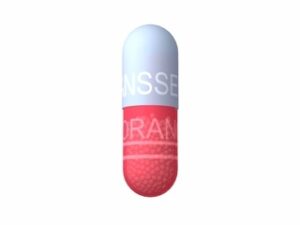
- Common forms: Capsules and oral solution (brand formulations may vary by product availability)
- Typical uses: Treatment of certain fungal infections of the skin, nails, lungs, and other body sites
- Key considerations: Interactions with many medicines; absorption depends on food/formulation; potential liver monitoring
Basic Product Information
Sporanox is a branded product name for itraconazole. Itraconazole belongs to a class of medicines called triazole antifungals. It is designed to stop fungal growth and, in many cases, clear the infection.
What it is used for depends on the type and location of the fungal infection. Some infections require longer courses or specific dosing strategies.
How Itraconazole Works (Mechanism of Action)
Fungi need a substance called ergosterol to build and maintain their cell membranes. Itraconazole works by blocking a key step in ergosterol production.
More specifically, itraconazole inhibits the fungal enzyme lanosterol 14α-demethylase (often described as part of the cytochrome P450 pathway). As ergosterol declines, the fungal cell membrane becomes unstable, leading to fungal growth inhibition and, over time, fungal death in susceptible organisms.
Pharmacokinetics (How the Body Handles It)
“Pharmacokinetics” describes absorption, distribution, metabolism, and elimination. These factors help explain why food, formulation, and interactions matter.
Absorption
- Capsules vs oral solution: Absorption differs by formulation. Some itraconazole products rely on an acidic stomach environment for optimal absorption, which is why acid-reducing medicines (and sometimes antacids) can reduce effectiveness.
- Food effects: Taking itraconazole capsules with food may improve absorption compared with taking them on an empty stomach (depending on the specific formulation and product instructions).
Distribution
Itraconazole distributes into tissues, including skin and certain areas of the body where fungal infections occur. Levels may persist for some time, which is part of why it can be used in pulse or extended schedules for some conditions.
Metabolism
Itraconazole is metabolised primarily in the liver via cytochrome P450 enzymes (notably CYP3A4). This is a major reason it has many medicine interactions.
Elimination
Itraconazole and its metabolites are eliminated through the liver and bile and to a lesser extent via the kidneys. Clearance can vary among individuals, especially if liver function is reduced.
Typical Use and Indications
Itraconazole is used for medically significant fungal infections. A clinician may choose it when the infection requires a systemic antifungal (taken by mouth) and when the likely fungus is susceptible.
Common categories of fungal infections
- Onychomycosis (fungal nail infections) caused by susceptible dermatophytes and/or other fungi
- Dermatophytosis (tinea infections) and other superficial fungal infections in selected cases
- Systemic fungal infections, including some infections affecting the lungs, or other deep sites, depending on local guidance and organism
- Candidiasis (thrush and related infections) in specific circumstances
- Other mould infections where itraconazole is an appropriate option
The exact indication and duration depend on your diagnosis, severity, and response to therapy. If your symptoms do not improve, do not increase the dose yourself—check back with your healthcare professional.
Timing: How to Take Sporanox
Consistent timing helps maintain antifungal effectiveness. Your exact dosing schedule depends on the formulation (capsules vs oral solution) and the infection being treated.
General timing tips
- Take at the same times each day to keep levels stable.
- With food if advised for your product: Many itraconazole capsule regimens are taken with a meal to improve absorption. Follow the directions on your specific pack.
- Swallow whole: Do not crush or open capsules unless your product instructions explicitly say it can be done (many should be swallowed whole).
- Finish the full course: Fungal infections often take longer to clear than bacterial infections.
Food Interactions: What to Know
Food can affect how much itraconazole your body absorbs, particularly for capsule formulations.
Practical guidance
- Follow “with food” instructions: If your label says to take with food, aim to take your dose during or immediately after a meal.
- Acid-reducing medicines may reduce absorption: Medicines that reduce stomach acid (such as some proton pump inhibitors and H2 blockers) may lower itraconazole absorption and reduce effectiveness.
- Antacids: Some antacids may interfere. If you need them, ask your pharmacist about timing separation.
If you are unsure whether your specific stomach medications affect itraconazole, speak with a pharmacist before starting.
Alcohol and Medicine Interactions
Alcohol
Alcohol can affect the liver and may worsen side effects such as nausea or dizziness. While occasional alcohol may not be strictly forbidden for everyone, itraconazole can rarely cause liver issues, so it is best to:
- Avoid heavy or binge drinking during treatment
- Use caution if you have a history of liver disease
- Seek advice if you notice symptoms of liver problems (see “Safety profile”)
Medicine interactions (including common classes)
Itraconazole can interact with many medicines because it affects metabolism through CYP3A4. Some interactions can be dangerous (for example, lowering levels of important medicines or increasing levels of itraconazole or other drugs).
Important: Tell your pharmacist about all medicines you take, including non-prescription products, herbal supplements, and vitamins.
Medicines that may be significantly affected
| Medicine/Drug group | Why it matters | What to do |
|---|---|---|
| Some antiarrhythmics (e.g., certain rhythm medicines) | Risk of heart rhythm changes can increase if drug levels rise. | Ask your pharmacist/doctor for interaction advice. |
| Some statins (cholesterol-lowering medicines) | Itraconazole may increase statin levels, raising risk of muscle-related side effects. | May require dose adjustment or a different statin. |
| Anticoagulants (blood thinners) | Interaction may affect bleeding risk. | Monitoring may be required. |
| HIV antivirals / anti-TB medicines | Complex interactions may reduce antifungal effect or increase toxicity. | Close review by a clinician/pharmacist is essential. |
| Certain antihistamines and sedatives | Some may have increased levels leading to drowsiness or other effects. | Confirm safe combinations. |
| Stomach acid reducers (some PPIs and H2 blockers) | Reduced stomach acidity can lower itraconazole absorption. | May need alternative timing, regimen, or an alternative antifungal. |
| Rifampicin / rifabutin | May strongly decrease itraconazole levels. | Usually avoided or handled by specialist regimens. |
| Herbal products such as St John’s wort | May decrease antifungal effectiveness. | Avoid without professional advice. |
This is not an exhaustive list. Interactions can vary based on dose, formulation, and individual health factors.
Dosing (General Information)
The correct itraconazole dose depends on your diagnosis, severity, and where the infection is located. Different conditions may use different strategies such as continuous dosing or intermittent “pulse” schedules.
How dosing is decided
- Type of fungal infection: nails vs skin vs systemic infection
- Body area affected: localised vs widespread
- Expected duration of therapy: skin/nail infections often require longer
- Liver function and other health conditions
- Potential interactions: dose may be adjusted if interacting medicines cannot be avoided
Important: Do not change the dose or stop early just because you feel better. Fungal infections may improve before complete clearance.
Examples of common approaches (for understanding)
Depending on local prescribing practices and the specific itraconazole product, dosing regimens may include:
- Continuous daily dosing for some infections
- Pulse dosing for some nail infections (periods on medication followed by medication-free intervals)
- Longer courses when infection is deep, extensive, or slow to respond
Your pharmacy label and clinical plan will provide the exact dose schedule for your situation.
Practical Use Tips (Getting the Best Results)
- Confirm your formulation: Capsules and oral solution may have different instructions. Make sure your directions match your product.
- Take with food if instructed: This can materially affect effectiveness for some itraconazole capsule regimens.
- Separate from antacids/stomach medicines if advised: Ask your pharmacist about specific timing.
- Use consistent routine: A fixed time with meals can help you avoid missed doses.
- Don’t double up: If you miss a dose, follow your label instructions or ask your pharmacist—generally you should not take two doses at once unless told.
- Track improvement: Nail infections can take months to look better because nails grow slowly. Skin improvement is often gradual.
- Seek review if no improvement: If symptoms do not improve after a reasonable period, reassess the diagnosis or treatment plan.
Safety Profile and Side Effects
Like all medicines, itraconazole can cause side effects. Many people tolerate it well, but it is important to know what to watch for.
Common side effects
- Nausea, stomach discomfort
- Headache
- Dizziness
- Diarrhoea or constipation
- Rash or mild skin reactions
Serious side effects (seek urgent medical advice)
Contact urgent care or seek immediate medical attention if you develop:
- Signs of liver problems: yellowing of the eyes/skin (jaundice), dark urine, severe fatigue, persistent vomiting, or upper right abdominal pain
- Severe allergic reaction: swelling of face/lips, difficulty breathing, widespread rash with fever
- Severe skin reactions: blistering, skin peeling, painful sores
- Breathing difficulties or worsening shortness of breath
Heart-related considerations
Itraconazole has been associated with reports of heart failure in some cases. If you have a history of heart failure or unexplained shortness of breath, discuss this with your clinician before or during treatment.
Children and pregnancy/breastfeeding
- Children: Use in children should be based on clinician assessment and product-specific guidance.
- Pregnancy/breastfeeding: Fungal infection treatment in these situations needs careful benefit–risk consideration. Discuss with a clinician for individual advice.
When extra caution is needed
- Existing liver disease or previous abnormal liver tests
- Existing heart problems
- Taking multiple medications (higher interaction risk)
- Older adults, where monitoring may be more important
Monitoring
Your clinician may recommend liver function tests or other monitoring, especially with longer courses or higher-risk situations. If you develop symptoms suggestive of liver injury, monitoring may be needed promptly.
Alternative Options (Depending on the Infection)
Alternative antifungal treatments may be appropriate depending on the type of fungus, location, severity, and your personal risk factors. Options your clinician may consider include:
Common alternatives
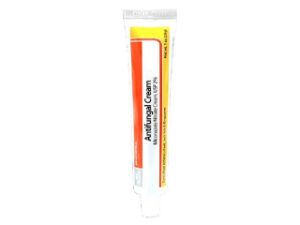
- Topical antifungals (for some skin infections): creams, gels, sprays, and nail preparations, depending on the site
- Other oral antifungals: depending on organism and clinical situation, options may include medicines from different antifungal classes
- Different systemic antifungals for deep or invasive fungal disease
The best alternative varies. If you are experiencing side effects, treatment failure, or have important interactions, ask your pharmacist or clinician about options.
Market and Legal/Regulatory Context in Australia
In Australia, medicines like itraconazole are regulated under the TGA (Therapeutic Goods Administration). Availability, prescribing pathways, and supply conditions depend on the product formulation and classification at the time of supply.
Online pharmacy services operate within applicable Australian rules for safe supply, including identity and suitability checks where required. If you are purchasing through an online platform, you should expect:
- Pharmacy verification processes
- Supply only when it is appropriate and safe
- Advice around interactions and correct use
- Delivery arrangements that comply with regulatory expectations
Recent Guidance and Clinical Considerations (Australia)
Fungal infection management evolves as new resistance patterns and evidence emerge. In general, current clinical practice emphasises:
- Accurate diagnosis (confirming fungal infection and, where possible, the organism)
- Choosing the right antifungal for the infection site and pathogen
- Checking interactions before starting itraconazole
- Monitoring liver safety, particularly with longer courses or higher-risk patients
- Adherence to ensure therapeutic effectiveness
Local formularies and guidelines may update over time. Your healthcare professional can advise on the most current recommendations for your condition.
Delivery and Availability
Availability of Sporanox/itraconazole formulations can vary depending on pharmacy stock and manufacturer supply. If you order online, delivery timing depends on:
- Your location (metro vs regional areas)
- Dispensing and fulfilment time
- Stock availability for the specific formulation (capsules or oral solution)
Many pharmacies provide tracking details and packaging that protects the product. If you need your medicine urgently, check estimated dispatch times before ordering.
FAQ (Frequently Asked Questions)
1) What is Sporanox used for?
Sporanox (itraconazole) is used to treat certain fungal infections. The exact infection type determines the dose and duration (for example, some nail infections, skin infections, and certain deeper or systemic fungal infections).
2) How long does it take to work?
Improvement timing depends on the infection. Skin symptoms may improve gradually, but fungal nail infections can take months because nails grow slowly. It’s important to complete the course even if you feel better earlier.
3) Should I take it with food?
Many itraconazole capsule regimens work best when taken with food. Always follow the instructions on your specific pack and the advice provided by your pharmacist.
4) Can I take antacids with itraconazole?
Some antacids can affect absorption. Ask your pharmacist about the best timing separation based on your specific products.
5) What about stomach acid medicines like omeprazole?
Acid-reducing medicines may reduce itraconazole absorption for some formulations. This interaction can affect effectiveness. Discuss all stomach medications with your pharmacist before starting.
6) Can I drink alcohol while taking Sporanox?
Alcohol should be used cautiously. Because itraconazole can affect the liver in rare cases, it’s best to avoid heavy drinking and seek medical advice if you have liver problems or notice liver-related symptoms.
7) What medicines should I avoid?
Itraconazole interacts with many medicines, particularly those metabolised through CYP3A4. Examples of interaction categories include certain antiarrhythmics, some statins, anticoagulants, some sedatives/antihistamines, and several infection or stomach medicines. Provide your full medication list to your pharmacist.
8) What side effects are most concerning?
Seek urgent help for signs of liver problems (jaundice, dark urine, severe fatigue), severe allergic reactions, or severe skin reactions. Also speak promptly if you experience new/worsening shortness of breath.
9) Can itraconazole be used if I have liver disease?
Use in liver disease requires caution and clinician review. Your healthcare professional may recommend monitoring or alternative treatment depending on your liver function and risk factors.
10) If I miss a dose, what should I do?
Follow your medicine label or pharmacist instructions. In general, don’t take a double dose to make up for a missed one unless specifically directed.
11) Are there alternatives if I can’t tolerate itraconazole?
Yes—depending on the infection, alternatives may include topical antifungals or other systemic antifungal options. Discuss your situation with a clinician or pharmacist.
12) Where can I get the medicine?
Sporanox/itraconazole is available via Australian pharmacies. Delivery options vary by service and stock availability for the specific formulation.
Important Reminder
Fungal infections can be stubborn and require careful treatment. Take itraconazole exactly as directed, review interactions with your pharmacist, and monitor for any concerning symptoms—especially those related to the liver or allergic reactions.
If you have questions about your particular infection, dosing schedule, or medication combinations, consult your pharmacist or healthcare provider.