Fulvicin (Griseofulvin) – Patient Guide for Australia
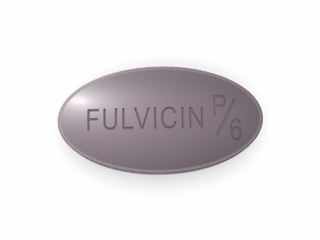
Fulvicin (active ingredient: griseofulvin) is an antifungal medicine used to treat certain fungal infections, particularly those affecting skin, hair, and nails. This guide explains how it works, how it’s used, what to watch for, and practical tips to help you get the best outcome.
Note: Medicine information can vary slightly between products and brands. Always check the specific pack for your strength and instructions. If you have questions about suitability for you, speak with a doctor or pharmacist.
Basic product information
| Product name | Active ingredient | Use | Common form | Typical dosing frequency* |
|---|---|---|---|---|
| Fulvicin | Griseofulvin | Antifungal treatment | Tablets or capsules (varies by product) | Usually once or multiple times daily depending on regimen* |
*Dosing frequency: Your schedule may depend on the site of infection, the product strength, and treatment plan. Follow your health professional’s instructions and the package directions.
How Fulvicin works (mechanism of action)
Fungal cells are different from human cells, and griseofulvin targets fungal growth pathways. It works by:
- Disrupting fungal cell division: Griseofulvin interferes with fungal mitosis (cell replication), slowing or stopping the growth of the fungus.
- Binding to fungal structures: It binds to fungal microtubules, preventing proper formation of the structures needed for the fungus to multiply.
- Helping eliminate infection gradually: Because griseofulvin affects the fungus during its growth phase, treatment often continues until healthy skin, hair, or nail tissue replaces infected areas.
Griseofulvin is most effective for dermatophyte infections (commonly ringworm-type organisms). It is not usually the preferred choice for some other fungal types such as Candida or Cryptococcus, unless specifically indicated.
Typical use in Australia
Fulvicin is used to treat certain fungal infections, especially those that involve:
- Skin (tinea/ringworm): e.g., tinea corporis (body), tinea cruris (groin), and tinea capitis (scalp)
- Hair/scalp infections: especially tinea capitis
- Nail infections: onychomycosis (sometimes as part of a longer treatment plan)
It may be considered when:
- Infection is widespread or involves hair and nails
- Topical treatments alone are unlikely to reach the infected area adequately
- Other options are unsuitable due to tolerability, availability, or infection type
Timing and duration of treatment
Fungal infections take time to clear because affected tissues (especially nails and hair) grow slowly. A common approach is to continue treatment for a period that allows replacement of infected tissue with healthy tissue.
- Skin infections: often improve within a few weeks, but complete clearing may take longer.
- Scalp infections: usually require longer courses and careful follow-up.
- Nail infections: may require months of treatment due to nail growth rate.
Practical timing tips:
- Try to take it at the same time each day.
- If treatment feels slow, remember that improvement typically occurs as infected tissue is replaced.
- Continue the full course even if symptoms ease early, unless your clinician advises stopping.
Pharmacokinetics (how the body handles Fulvicin)
Understanding pharmacokinetics can help explain why taking griseofulvin correctly matters.
- Absorption: Griseofulvin is absorbed from the gastrointestinal tract. Absorption can be improved by taking it with food, particularly meals containing fat.
- Distribution: The medicine is distributed to tissues where fungi are present, including skin and appendages like hair and nails.
- Metabolism: It is metabolised in the liver (primarily via drug-metabolising enzyme pathways).
- Elimination: Metabolites and drug residues are eliminated mainly through the body’s normal clearance processes (including via bile and urine).
- Onset vs clearance: Symptoms may improve before full clearance, but continuing treatment supports full eradication.
Why food matters: Because absorption can vary, consistent administration with meals can improve the likelihood of effective blood levels.
Food interactions and what to eat
Take with food (often recommended): Many griseofulvin regimens work better when taken with a meal, particularly one that includes some fat. This may enhance absorption.
What this means for you:
- Take Fulvicin with or just after a meal, unless your specific instructions say otherwise.
- If you have poor appetite or nausea, discuss strategies with your pharmacist.
General nutrition: No special “antifungal diet” is required, but maintaining hydration and normal meals can help your body tolerate the medicine.
Alcohol and medicine interactions
Alcohol: It’s best to limit alcohol while taking griseofulvin. This is mainly because griseofulvin is processed through the liver and alcohol can also affect the liver. If you plan to drink alcohol, discuss the safest approach with a clinician or pharmacist.
Important medicine interactions: Griseofulvin can interact with several medicines due to how it affects liver enzymes. Interactions can change drug levels, increasing side effects or reducing effectiveness of other medicines.
Potential interaction categories include:
- Hormonal contraception (including the pill): Griseofulvin may reduce effectiveness of some hormonal contraceptives by altering metabolism.
- Warfarin and other anticoagulants: Changes in metabolism can affect bleeding risk; monitoring may be needed.
- Certain seizure medicines: Some anti-epileptics can alter antifungal effectiveness and vice versa.
- Other medicines metabolised by the liver: Drug levels may rise or fall.
Always do this before starting:
- Tell your pharmacist about all current medicines, including over-the-counter products, vitamins, herbal supplements, and topical products you swallow.
- Be especially careful with medicines that affect coagulation, hormones, epilepsy, or long-term conditions.
Indications (when Fulvicin is used)
Fulvicin is indicated for fungal infections caused by dermatophytes. Common clinical indications include:
- Tinea capitis (scalp ringworm)
- Tinea corporis (body ringworm)
- Tinea cruris (groin ringworm)
- Onychomycosis (nail fungal infection), depending on organism and clinical situation
Your clinician may confirm infection using examination and, in some cases, laboratory testing (for example, microscopy or culture) to ensure the fungus is likely to respond to griseofulvin.
Dosing (general guidance)
Important: Dosing depends on the specific formulation, your age/weight, and the type and location of infection. Use the dose prescribed for you.
In general terms, griseofulvin dosing is often calculated based on body weight for children and may be adjusted for different infection sites. Treatment for hair and nails typically requires longer and sometimes different dosing strategies compared with skin infections.
How to take your dose:
- Swallow tablets/capsules with water.
- Take with food (often after a meal) to support absorption.
- If you miss a dose, take it when you remember unless it’s close to the next dose. Do not double up.
- If you vomit soon after a dose, ask your pharmacist for advice on whether another dose is needed.
Duration: Finish the course recommended for your infection. For nails and scalp infections, it can take many weeks to months.
Safety profile and side effects
Most people tolerate griseofulvin reasonably well. Side effects are usually mild to moderate, but some require prompt medical attention.
Common side effects
- Headache
- Stomach upset, nausea
- Dizziness or tiredness
- Skin sensitivity (sometimes photosensitivity—sunlight may cause irritation)
- Rashes or mild allergic-type reactions
Less common but serious risks
- Liver problems: Watch for signs such as yellowing of the skin/eyes (jaundice), dark urine, unusual fatigue, or severe abdominal pain.
- Severe skin reactions: Seek urgent care for blistering, peeling, mouth sores, or widespread rash with fever.
- Blood count changes: Rarely, griseofulvin can affect blood cells. Report persistent sore throat, fever, bruising, or unusual infections.
- Allergic reactions: Facial swelling, breathing difficulty, or severe rash require urgent medical help.
When to seek urgent help
Contact emergency services or urgent care if you develop:
- Difficulty breathing or swelling of the lips/face
- Severe widespread rash, blistering, or skin peeling
- Signs of liver injury (jaundice, severe right upper abdominal pain, dark urine)
Practical use tips (to improve success)
Fungal infections can be stubborn, and small changes in daily habits can make a big difference.
Tips for skin infections
- Keep the area clean and dry.
- Wear breathable clothing (e.g., cotton) and change underwear/socks daily.
- Avoid sharing towels, hats, hair brushes, or clothing.
Tips for scalp infections
- Use antifungal shampoos or topical treatments if your clinician recommends them (these may complement oral therapy).
- Wash bedding and scalp-contact items regularly.
- Check close household contacts if advised—scalp infections can spread.
Tips for nail infections
- Be patient: nails grow slowly and may appear worse before improving.
- Trim and file nails to reduce thickness if recommended.
- Avoid trauma to the nails (e.g., tight shoes or aggressive manicures).
Sun protection
- If you experience redness or rash after sun exposure, consider sun-protective clothing and sunscreen.
Alternative antifungal options
The best alternative depends on the fungus type, infection site, severity, and your health history. Common alternatives include:
- Terbinafine (often used for many dermatophyte infections, particularly skin and nail in appropriate cases)
- Itraconazole (sometimes for nail and other fungal infections depending on organism)
- Fluconazole (more common for certain non-dermatophyte or Candida-related infections)
- Topical antifungals (for limited skin infections), such as terbinafine or azole creams/solutions
Your clinician may select an alternative if:
- Griseofulvin is not suitable due to side effects, liver issues, or interactions
- The infection is caused by a fungus unlikely to respond
- There’s a need to shorten treatment duration for nails (depending on case)
Important: Don’t switch treatments without advice, because the correct choice depends on the suspected organism and site.
Market and legal context for Australia (general information)
In Australia, medicines are regulated through the TGA (Therapeutic Goods Administration). Availability of griseofulvin products can vary by formulation and brand. Fulvicin is used in clinical practice for relevant fungal infections.
Supply and purchasing:
- In many cases, oral antifungal medicines may be available through pharmacy channels under appropriate healthcare pathways.
- Online pharmacy availability can depend on your location, product listing, and required professional review processes.
What this means for you: If you can’t find the specific product you want, a pharmacist can often advise whether another griseofulvin brand or an alternative antifungal is appropriate.
Recent guidance and best-practice points
While local clinical recommendations can evolve, key ongoing best-practice principles for dermatophyte infections include:
- Accurate diagnosis: Confirming whether the infection is dermatophyte, yeast, or another cause improves treatment success.
- Completing courses: Partial treatment increases the risk of relapse.
- Reducing reinfection: Address household sources (hats, bedding, gym mats), and treat close contacts if advised.
- Monitoring safety: For longer courses, healthcare providers may consider blood tests (particularly for liver function) depending on risk factors and duration.
For nail infections, relapse and reinfection are common, so follow-up may be important even after symptoms improve.
Delivery and availability (online pharmacy)
Availability for Fulvicin may vary. When ordering online in Australia, typical delivery expectations include:
- Dispatch times: Often within 1–2 business days after verification and payment (varies by supplier).
- Shipping: Usually via standard courier or express options.
- Cold-chain: Not generally required for griseofulvin tablet/capsule formulations.
Packaging and storage:
- Store at controlled room temperature as directed on the pack.
- Keep in the original packaging to protect from moisture and to identify the product strength.
If your order is delayed or the product is unavailable, customer support can advise options such as alternative strengths or equivalent antifungal treatments.
FAQ – Fulvicin (Griseofulvin)
1) What infections does Fulvicin treat?
Fulvicin (griseofulvin) is commonly used for dermatophyte fungal infections, including ringworm of the skin and scalp (tinea) and, in some cases, nail fungal infections.
2) How long does it take to work?
Skin infections may start improving within weeks, but hair and nail infections often require much longer because affected tissue grows slowly. Improvement is often gradual rather than immediate.
3) Should I take Fulvicin with food?
Often, taking griseofulvin with or after a meal improves absorption. Follow the specific instructions on your product packaging or as advised by a healthcare professional.
4) Can I drink alcohol while taking Fulvicin?
It’s generally best to limit alcohol because both alcohol and griseofulvin can involve the liver. If you have liver disease or drink regularly, seek advice from a pharmacist or doctor before using Fulvicin.
5) Will Fulvicin interact with the contraceptive pill?
Griseofulvin may reduce the effectiveness of some hormonal contraceptives. If pregnancy prevention is needed, ask your pharmacist or clinician about using reliable non-hormonal contraception during treatment and for a short time after.
6) What should I do if I miss a dose?
Take it when you remember unless it’s nearly time for your next dose. Do not double up. If you’re unsure, ask your pharmacist.
7) What side effects are most common?
Common side effects include headache, nausea or stomach upset, dizziness, and sometimes skin rash or sensitivity to sunlight.
8) When should I stop and get medical help?
Stop and seek urgent medical help if you develop signs of a severe allergic reaction (breathing trouble, facial swelling) or serious skin reactions (blistering/peeling). Also seek urgent review for symptoms suggesting liver injury such as jaundice or dark urine.
9) Can I use topical treatments at the same time?
Often, topical antifungals or medicated shampoos are used alongside oral therapy for better control, especially for scalp infections. Use them as recommended and avoid applying additional products that irritate the skin.
10) If symptoms improve, can I stop early?
It’s usually important to complete the recommended course to reduce the risk of relapse. If you’re considering stopping early, discuss it with a pharmacist or doctor first.
Summary
Fulvicin (griseofulvin) is an antifungal medicine used for certain dermatophyte infections, including tinea of the skin and scalp and sometimes nail fungal infections. It works by disrupting fungal cell division and is often taken with food to support absorption. Treatment can be slow, especially for nails and hair, but completing the course and reducing reinfection risk can improve outcomes. As with all medicines, be mindful of possible side effects and interactions—particularly with liver-impacting substances and certain other medications.