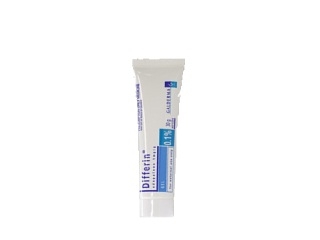
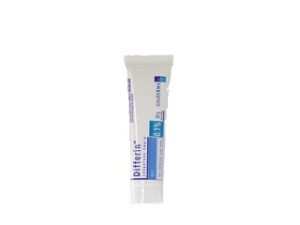
Differin (Adapalene) — Patient-Friendly Guide for Australia
Differin contains adapalene, a topical medicine used to improve the appearance of acne and support skin renewal. This guide explains how Differin works, how to use it safely and effectively, what to expect in the first weeks, and important safety and interaction information for use in Australia.
Note: Always follow the directions on your product label or instructions provided by your healthcare professional. Skin responses vary from person to person.
Basic Product Information
- Active ingredient: Adapalene
- Product name: Differin
- Dosage forms: Typically available as a topical gel/cream in different strengths depending on the market and specific product line.
- Where it’s used: On the skin (topical)
- Common targets: Comedones (clogged pores), inflammatory acne spots, rough/bumpy texture associated with acne
Who it’s for: People with mild to moderate acne who want a longer-term topical approach to reduce breakouts and support clearer-looking skin.
How Adapalene Works (Mechanism of Action)
Adapalene is a topical retinoid. It works mainly by normalising skin cell turnover inside the pores and reducing the formation of new acne lesions.
- Prevents pore clogging: Helps stop dead skin cells from building up inside hair follicles (a key step in acne formation).
- Reduces inflammation: Adapalene has anti-inflammatory properties that can calm redness and swelling.
- Improves skin texture over time: Supports more even skin renewal, which can reduce the rough feel associated with acne.
Important: Differin typically helps prevent new lesions and gradually improves existing acne. It is not an “instant” treatment for overnight clearing.
Pharmacokinetics (What the Body Does With It)
Because Differin is applied to the skin, only small amounts enter the body.
- Absorption: Adapalene is absorbed through the skin to a limited extent.
- Systemic exposure: Systemic levels are generally low when used as directed.
- Metabolism & elimination: The body metabolises and clears absorbed adapalene through normal processes. The clinical relevance is that for most people, whole-body side effects are uncommon with appropriate topical use.
Practical meaning: The most common side effects are local (skin dryness, irritation), not systemic effects.
Typical Uses and Indications
In Australia, Differin (adapalene) is generally used for:
- Acne vulgaris (commonly mild to moderate acne)
- Comedonal acne (blackheads/whiteheads)
- Inflammatory acne (red pimples, papules)
What it can’t do as well: It may take longer to improve acne that is dominated by severe, cystic lesions. Those situations often require assessment and a tailored treatment plan.
When to Use It (Timing and Schedule)
Adapalene is usually applied once daily in the evening because it is less exposed to sunlight and many people tolerate it better overnight.
Starting schedule (recommended for many users)
- Week 1–2: Apply a pea-sized amount to the whole acne-prone area every other night (or less frequently if your skin is very sensitive).
- Week 3 onward: If well tolerated, switch to once nightly.
How long it takes to see results
- 2–4 weeks: Some improvement may begin, but irritation or “initial worsening” can also occur.
- 6–12 weeks: More noticeable improvement in lesion count and skin texture is typical.
- 3–6 months: Continued benefits can occur with consistent use.
Tip: If you stop too early, acne may return. Differin helps manage acne as part of a longer-term skin routine.
How to Use Differin Correctly (Practical Application Tips)
Good technique can significantly reduce irritation and improve outcomes.
- Cleanse: Wash with a gentle cleanser. Avoid harsh scrubs.
- Dry skin: Let skin dry fully before applying (this can reduce stinging).
- Use the right amount: A pea-sized amount is often enough for the whole face. More is not better.
- Apply thinly: Spread evenly over acne-prone areas, not only on individual spots.
- Avoid sensitive areas: Keep away from eyes, eyelids, lips, corners of the nose, and any cuts or eczema patches.
- Moisturise: Use a non-comedogenic moisturiser to help reduce dryness.
“Pea-sized” amount guidance
- Think of covering the entire affected region (for example, the whole face or the full acne area on the chest/back), not individual pimples.
- Using less usually improves comfort without harming effectiveness.
Food Interactions
No specific food interactions are typically expected with topical adapalene because systemic absorption is limited. You can usually use Differin as part of your normal diet.
However: If you notice acne flare-ups linked to certain foods, consider discussing dietary strategies with a clinician.
Alcohol and Medicine Interactions
Alcohol
There is no known direct interaction between topical adapalene and alcohol. That said, alcohol can contribute to dryness or irritation in some people and may worsen dehydration, which can indirectly affect skin comfort.
Other topical products (important)
Combining certain products may increase irritation. Use caution with:
- Other retinoids (including prescription or cosmetic retinol products)
- Strong exfoliants such as scrubs, chemical peels, or high-strength acids
- Medicated acne treatments like benzoyl peroxide when irritation is an issue (some routines combine them, but tolerance should guide the approach)
- Waxes/harsh cleansers and alcohol-based toners
Practical approach: Introduce one new product at a time, start slowly, and moisturise.
Oral medicines
Because systemic exposure is low, clinically meaningful interactions with oral medicines are uncommon. If you take medicines that affect skin (for example, other acne therapies), it’s still wise to discuss your regimen with a healthcare professional.
Safety Profile and Side Effects
Differin is generally well tolerated when used correctly, but the skin may react—especially when you start.
Common local side effects
- Dryness or peeling
- Redness
- Stinging or burning (especially in the first days)
- Itching
- Sensitivity to sunlight (skin may be more reactive)
Less common
- Worsening irritation from using too much or too often
- Contact dermatitis (skin allergy-like reaction) in a small number of people
When to stop and seek advice
Get medical or pharmacist advice promptly if you experience:
- Severe burning, swelling, blistering, or rash
- Eye irritation or accidental transfer to the eyes
- Signs of a serious skin reaction
Pregnancy and breastfeeding considerations
Topical retinoids are a special consideration in pregnancy. If you are pregnant, planning pregnancy, or breastfeeding, discuss use with a healthcare professional before starting. Many clinicians recommend avoiding retinoid products during pregnancy.
Sun exposure and UV sensitivity
Adapalene can make skin more sensitive. Reduce risk by using:
- Sunscreen daily (broad spectrum)
- Protective clothing (hat, shade)
- Extra care on windy, sunny days
Dosing (How Much to Apply)
Dosing should be based on the product strength and label directions. The typical regimen for acne is:
- Frequency: Usually once daily in the evening
- Amount: A pea-sized amount for the whole face (or the acne-prone area)
- Application: Thin, even layer
For sensitive skin: start with every other night, then increase as tolerated.
Do not: apply twice daily to “speed up” results. Overuse commonly increases irritation and can delay improvement.
Food and Routine Compatibility (A Simple Acne Routine)
To improve tolerance and results, many people do well with a straightforward routine:
- Gentle cleanser (morning and/or evening)
- Moisturiser (non-comedogenic)
- Adapalene at night (thin layer to acne-prone areas)
- Sunscreen in the morning
Optional additions (only if tolerated): a gentle benzoyl peroxide wash or spot treatment in the morning for inflammatory acne—introduce gradually to reduce irritation.
Alcohol and “Skin-Friendliness” Considerations
Because topical Differin may increase dryness in some users, lifestyle choices that dry or irritate skin (including frequent alcohol-containing skincare products) can make adapalene feel harsher. Consider:
- Avoiding alcohol-based toners/aftershaves on days you use Differin
- Choosing fragrance-free, non-comedogenic moisturisers and cleansers
- Staying consistent—irregular use can make skin feel more reactive
Practical Use Tips to Reduce Irritation
- Start slowly: every other night during the first 1–2 weeks.
- Moisturiser sandwich: If you’re sensitive, apply moisturiser first, then adapalene (or apply moisturiser after—depending on what your skin tolerates).
- Use gentle cleanser: avoid foaming cleansers that feel “squeaky clean.”
- Don’t scrub: mechanical exfoliation can worsen irritation.
- Watch the corners: keep away from nose folds, lips, and around the eyes.
- Temporary dryness is common: it often improves after the initial adjustment period.
- If irritation is strong: reduce frequency (for example, 2–3 nights per week) and build up again.
Alternative Options for Acne
Acne treatment depends on your skin type, acne pattern, and severity. Possible alternatives (to discuss with a pharmacist or healthcare professional) include:
Topical options
- Other topical retinoids (similar purpose: comedone prevention)
- Benzoyl peroxide (helps reduce acne bacteria and inflammation)
- Salicylic acid (beta-hydroxy acid) (helps unclog pores; may help comedonal acne)
- Azelaic acid (targets inflammation and may help marks)
Oral options (for more severe cases)
- Oral antibiotics (usually for inflammatory acne, typically limited duration)
- Hormonal options (for some individuals, particularly certain acne patterns)
- Isotretinoin (for severe acne under specialist care)
Why alternatives matter: If Differin irritates your skin or doesn’t match your acne pattern, an alternative may provide better comfort or results.
Market and Legal Context in Australia (General Overview)
In Australia, acne products and topical dermatology medicines are regulated through the Therapeutic Goods Administration (TGA) framework and related policies. Availability can vary by product strength and whether it is classified as an over-the-counter (OTC) medicine or another category.
What this means for customers:
- Choose products that match your required strength and formulation.
- Follow label directions for age, frequency, and application area.
- If you’re unsure, ask a pharmacist—particularly if you have eczema, very sensitive skin, or are using other acne medicines.
Recent guidance (practical takeaways): Current dermatology practice commonly emphasises:
- Gradual introduction to reduce irritation
- Daily sun protection
- Consistent use for several weeks to judge effectiveness
- Patient-friendly “tolerability first” strategies such as moisturisers and reduced frequency when needed
Delivery and Availability
Availability of Differin (adapalene) may vary across strengths and formulations depending on supply. Many online pharmacies in Australia can deliver to eligible locations with standard postal and tracked options.
- Check stock status: availability may change.
- Delivery timeframe: depends on your location and courier service.
- Cold chain: Differin topical products typically do not require refrigeration (follow the label storage instructions).
- Packaging: keep in original packaging to protect from light and to read expiry information.
Storage: Store as directed on the pack, typically at room temperature and away from excessive heat and direct sunlight.
FAQ — Common Questions About Differin (Adapalene)
1) Can I use Differin every day?
Many people work up to once-daily use in the evening. However, if your skin is sensitive, start every other night and increase gradually as tolerated.
2) Will Differin make my acne worse at first?
Some people experience mild flare or irritation early on. This often improves as the skin adjusts. If redness or discomfort is significant, reduce frequency and moisturise. If symptoms are severe, seek advice.
3) How long until I see results?
Improvements are often seen after 6–12 weeks. Clearer results typically continue over several months with consistent use.
4) What moisturiser can I use with Differin?
Choose a non-comedogenic, fragrance-free moisturiser. If you’re unsure, ask a pharmacist for a gentle option suitable for acne-prone or sensitive skin.
5) Can I use sunscreen with Differin?
Yes—and it’s strongly recommended. Differin can increase skin sensitivity to sunlight, so daily broad-spectrum sunscreen helps protect and improves comfort.
6) Can Differin be used with benzoyl peroxide?
Some acne routines combine them, but this can increase dryness for certain people. Introduce products carefully and adjust the schedule if irritation occurs.
7) Should I apply Differin to the whole face or just pimples?
For many acne types, apply a thin layer to acne-prone areas. A spot-only approach may not prevent new pore clogs across the whole affected region.
8) Is it safe to drink alcohol while using Differin?
There’s no direct interaction expected. However, alcohol may contribute to dryness or dehydration, which can make skin feel more irritated. Hydrate and avoid harsh, alcohol-based skincare products.
9) What should I do if I get stinging or redness?
Reduce frequency (for example, to every other night), ensure skin is fully dry before application, use moisturiser, and avoid other irritating skincare products. If severe symptoms occur, stop and seek advice.
10) Can I use Differin on other areas like my back or chest?
It may be used on areas affected by acne, but follow your product label instructions and apply a thin, even layer—again starting slowly to reduce irritation.
11) Can Differin be used with exfoliating acids or peels?
Often it’s best to avoid or pause strong exfoliants while starting Differin, as combined irritation is common. If you want to include acids, do so gradually and with guidance.
12) What if I’m pregnant or planning pregnancy?
Discuss adapalene with a healthcare professional before use. Retinoid use during pregnancy is an important consideration.
Summary Table
| Topic | What to know |
|---|---|
| Active ingredient | Adapalene (topical retinoid) |
| Main benefit | Reduces acne by normalising pore lining and calming inflammation |
| Typical timing | Once daily in the evening (start every other night if sensitive) |
| How much | Pea-sized amount for the whole acne-prone area |
| Expected results | Improvement often starts in weeks; full effect may take months |
| Common side effects | Dryness, redness, peeling, stinging (usually improves with adjustment) |
| Sun care | Use daily sunscreen and protect from UV |
| Food interactions | No specific food interactions expected (topical use) |
| Alcohol interactions | No direct interaction expected; avoid dryness/irritation triggers |
Final Notes
Differin (adapalene) is a widely used acne treatment that supports clearer-looking skin by targeting pore clogging and inflammation. Success usually depends on consistent use, starting slowly, moisturising, and wearing sunscreen.
If your acne is severe, scarring, or not improving after a reasonable trial period, consider seeking tailored advice from a healthcare professional.