Adapalen (Topical) — Patient-Friendly Guide (Australia)
Adapalen is a widely used skin medicine for acne. It helps prevent clogged pores and can reduce inflammation associated with acne. This guide explains what Adapalen does, how to use it safely and effectively, and what to expect while your skin adjusts. It’s written for people in Australia who are choosing a topical acne treatment and want practical, reliable information.
Basic product information
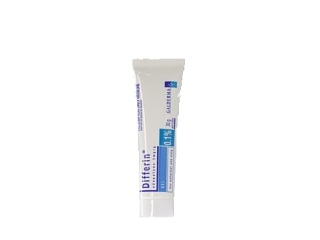
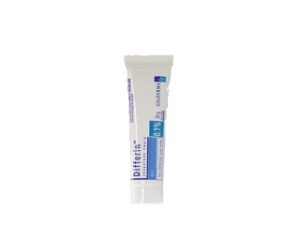
Adapalen is a topical retinoid. Common strengths you may see in Australia include 0.1% gel and 0.1% cream (availability can vary by brand and retailer). It is applied to the skin as a thin layer.
- Active ingredient: Adapalene
- Type: Topical retinoid (acne medicine)
- Common forms: Gel or cream
- Typical use: Acne treatment (comedones and inflammatory lesions)
- Skin area: Usually the face, but may be used as directed on other acne-prone areas
Always check the pack for the exact strength and form you are buying, and follow the directions provided with the product.
How Adapalen works (mechanism of action)
Acne develops when hair follicles and pores become blocked with dead skin cells and sebum (oil). Adapalen helps correct several steps in this process:
- Normalises cell turnover: It encourages more regular shedding of skin cells inside the follicle, reducing the formation of plugs.
- Prevents comedones: By reducing microcomedone formation, it helps prevent “blackheads” and “whiteheads” from developing.
- Reduces inflammation: Adapalene has anti-inflammatory activity that may lessen redness and swelling from acne.
Adapalene is designed to act directly in the skin. Over time, this can lead to fewer spots and a smoother texture.
Pharmacokinetics (what happens in the body)
Because Adapalen is applied to the skin, only small amounts typically enter the bloodstream. The medicine’s clinical effects come mainly from its action in the skin layers where acne forms.
- Absorption: Low systemic absorption through intact skin is expected.
- Distribution: With minimal absorption, systemic distribution is limited compared with oral medicines.
- Metabolism & elimination: Any absorbed fraction is processed by the body and cleared, though levels are usually very low after topical use.
Practical takeaway: you should focus on applying the product correctly and avoiding overuse, rather than worrying about large body exposure.
Typical use and indications
What Adapalen is used for
Adapalen is commonly used to treat acne vulgaris, including:
- Blackheads and whiteheads (comedonal acne)
- Inflammatory acne such as red pimples and pustules
- Mixed acne (both comedones and inflammatory lesions)
It’s also used in some routines for maintenance to help prevent new breakouts once acne is controlled, depending on individual needs.
When it may not be suitable
- If you have eczema, severe skin irritation, or broken skin in the area to be treated, you should be cautious.
- If you have a history of significant sensitivity to topical retinoids, discuss alternatives.
- If your acne is mainly nodular/cystic and painful or scarring, you may need a more intensive plan.
How to start: timing and expected results
Adapalen isn’t an instant “spot treatment.” It works gradually as it changes how pores form and shed skin cells.
Typical timeline
| Time since starting | What you may notice |
|---|---|
| Week 1–2 | Skin may feel dry, slightly tight, or mildly irritated. Some breakouts can continue. |
| Week 3–6 | Gradual reduction in new clogged pores for many people. Ongoing dryness may occur if you overapply. |
| Week 8–12 | More noticeable improvement in overall acne and fewer new lesions. |
| After 12 weeks | Best results often continue to build. Many users continue maintenance with a consistent routine. |
Use it consistently
If you stop early due to irritation or lack of rapid results, acne often returns. Consider giving the product a fair trial while using moisturiser and a gradual schedule.
Dosing and how to apply
Dosing depends on your skin tolerance and the area being treated. A common approach is:
- Frequency: Usually applied (often in the evening). Some people start less frequently to reduce irritation.
- Amount: Use a pea-sized amount to cover the face (or the acne-prone area). Do not apply thick layers.
- Technique: Apply to clean, dry skin.
- Eyes and lips: Avoid the corners of the nose, mouth, eyes, and any broken skin.
Getting started with a “low irritation” routine
- Week 1–2: apply every other night
- Week 3–4: if tolerated, switch to nightly
- If irritation builds: reduce frequency again and focus on moisturising
Important: Do not apply more than directed to speed up results. Overuse increases the risk of irritation without improving acne outcomes.
Food interactions
There are no known clinically relevant food interactions with adapalene because it is applied to the skin and systemic absorption is minimal. Your acne treatment routine is mainly affected by what you put on your skin, not what you eat.
Alcohol and medicine interactions
Since adapalene is topical with low systemic absorption, there are typically no direct alcohol interactions reported for the medicine itself. However, alcohol may indirectly affect your skin through dehydration or irritation in some people.
Also, be cautious with other topical acne products used at the same time, since the combination may increase dryness and peeling. Examples of ingredients that may worsen irritation if used aggressively include:
- Strong exfoliants (high-strength acids)
- Harsh scrubs
- Topical products containing high concentrations of irritating actives
- Other retinoid products
If you use other acne treatments, consider sequencing (for example, using one product in the morning and the other in the evening) or starting slowly. Ask a pharmacist if you are unsure how to combine products safely.
Safety profile: side effects and when to seek help
Common skin-related side effects
The most frequent effects are local irritation changes, particularly during the first weeks:
- Dryness or peeling
- Redness (erythema)
- Stinging or burning sensation
- Skin tightness
- Scaling or mild itching
Less common but important reactions
- Severe irritation or worsening rash
- Allergic-type reactions (rare), such as swelling or widespread hives
- Intense discomfort beyond mild dryness and redness
Seek medical advice urgently if
- You develop significant facial swelling
- You have blistering, widespread rash, or severe pain
- Your eyes are affected (severe burning, redness, or vision changes)
Precautions
- Sun sensitivity: Retinoid-treated skin may be more sensitive to sunburn. Use daily sunscreen and consider protective clothing.
- Weather effects: Wind and cold can worsen dryness; moisturise accordingly.
- Skin barrier care: Avoid over-washing and choose gentle cleansers.
Practical use tips for best results
The key to success with Adapalen is balancing effectiveness with skin comfort. Many users experience irritation early on; how you manage the routine often determines whether you can continue.
- Use a gentle cleanser: Wash with a mild, fragrance-free cleanser. Avoid harsh scrubs.
- Apply to fully dry skin: Wait about 10–20 minutes after washing before applying.
- Moisturise: A moisturiser can reduce dryness and peeling. You may apply moisturiser before or after adapalene depending on sensitivity.
- Consider the “sandwich method”: For sensitive skin, apply moisturiser, then adapalene, then moisturiser again.
- Use sunscreen daily: At least SPF 30, reapply if outdoors for extended periods.
- Avoid other irritants: Limit strong exfoliants and waxing/chemical peels during initial adapalene use unless advised.
- Be patient with purging: Some people notice temporary worsening as clogged pores surface. Usually improves with continued use.
- Don’t share: Adapalene is formulated for individual use.
Interactions with other skincare and medicines
While systemic interactions are unlikely, combining topical products can be a common cause of excessive irritation. Consider the following:
- Other acne actives: Benzoyl peroxide is often used alongside topical retinoids in acne care plans, but start gradually and monitor irritation.
- Topical antibiotics: May be used with acne regimens depending on severity and local practice; follow clinician or pharmacist guidance.
- Exfoliants and acids: Products such as salicylic acid, glycolic acid, or high-strength exfoliants can increase dryness. If used, consider lower frequency and patch testing.
- Hair and grooming products: Avoid getting the medicine into hairlines excessively; it may irritate and contribute to dryness around facial hair areas.
If you are using multiple acne products, ask a pharmacist for a simple routine that minimises irritation.
Alternative options to consider
If Adapalen is not suitable or you experience difficult side effects, there are other acne treatments commonly available in Australia. The best choice depends on acne type, skin sensitivity, and how quickly you want results.
Common alternatives
- Benzoyl peroxide: Helps reduce acne bacteria and inflammation; useful for inflammatory acne.
- Salicylic acid (BHA): Helps unclog pores; can be helpful for blackheads and oily skin.
- Azelaic acid: Offers comedone and mild anti-inflammatory effects and may suit sensitive skin.
- Topical antibiotics: Sometimes used short-term in acne plans (often with other agents to reduce resistance concerns).
- Oral treatments: For moderate to severe acne, clinicians may consider oral options as part of a broader plan.
If you’re unsure what to choose, a pharmacist can help you compare product types and suggest a starting routine.
Market and legal context for Australia
Acne treatments and retinoid medicines are regulated in Australia under medicines and scheduling frameworks. Availability can differ between:
- Pharmacy-only products
- General sale / over-the-counter options (where permitted)
Because product classification may change and brands differ by formulation, always verify the exact status and indications on the specific product label and the pharmacy listing. Online pharmacies in Australia typically supply medicines that comply with Australian requirements and expect customers to follow the directions provided.
Recent guidance and practical trends
Current acne care in Australia commonly emphasises:
- Early prevention of clogged pores using retinoids
- Barrier-friendly routines to reduce treatment-related irritation
- Sun protection during retinoid therapy
- Realistic timelines (improvement often takes weeks)
For personal medical advice, Australian health professionals generally recommend tailoring treatment intensity based on skin tolerance and acne severity.
Delivery and availability (online pharmacy)
Availability for Adapalen can vary by brand and strength. Many online pharmacies in Australia can deliver to eligible areas, with dispatch and courier times depending on your location.
- Typical delivery: Often within a few business days, depending on stock and your postcode.
- Stock levels: May change quickly; check product pages for “in stock” status.
- Packaging: Medicines are usually dispatched in protective packaging to prevent damage.
For the most accurate estimate, review the shipping details shown at checkout. If the product is temporarily unavailable, some pharmacies offer restock notifications or alternatives.
How to store Adapalen
- Store below 25°C (or as shown on your pack)
- Keep tightly closed to prevent drying of gel/cream formulations
- Protect from light and moisture as directed
- Keep out of reach of children
FAQ — Adapalen for acne (Australia)
1) Is Adapalen suitable for all acne types?
It’s especially useful for comedonal acne (blackheads/whiteheads) and mixed acne. If you have severe cystic acne, you may need additional or different treatment approaches.
2) When should I apply Adapalen?
Many people apply it in the evening. Use it once daily or follow a gradual schedule (for example, every other night at first) based on how your skin responds.
3) Will Adapalen make my acne worse at first?
Some users notice temporary worsening or irritation early on. This can happen as clogged pores come to the surface. If severe irritation occurs, reduce frequency and moisturise; consider speaking with a pharmacist if symptoms don’t settle.
4) What moisturiser should I use with Adapalen?
Choose a gentle, non-comedogenic moisturiser if possible and avoid very fragranced or highly exfoliating products. If you’re unsure, ask a pharmacist for a barrier-support moisturiser option.
5) Can I use sunscreen with Adapalen?
Yes—sunscreen is strongly recommended. Daily sunscreen helps reduce sun sensitivity and supports comfort while using retinoids.
6) Can I use other acne products at the same time?
Sometimes, but it depends on the product and your skin tolerance. Avoid combining multiple irritants immediately (for example, strong exfoliants plus retinoid). If you want to use benzoyl peroxide or other actives, start slowly and consider alternating times of day.
7) Does Adapalen interact with alcohol?
There are typically no direct alcohol interactions with topical adapalene due to low systemic absorption. However, alcohol may affect hydration and skin sensitivity, and you should avoid irritating skin practices.
8) Can I use Adapalen if I have sensitive skin?
Many people with sensitive skin can use Adapalen, but they often need a slower start (every other night), moisturiser support, and careful avoidance of additional irritants. If you develop significant rash or burning, stop and seek advice.
9) How long until results are visible?
Improvement often appears after 8–12 weeks. Acne treatment usually requires consistent use over time for best results.
10) What should I do if I forget a dose?
Apply it when you remember unless it’s close to the next dose. Don’t double up.
11) What if I apply too much?
Overapplying can increase redness and peeling. Use only the recommended amount in a thin layer, and moisturise. If irritation becomes severe, stop and seek advice.
12) Is Adapalen safe to use alongside other retinoids?
Using multiple retinoid products together can raise irritation risk. Avoid other retinoids unless directed by a healthcare professional.
Summary
Adapalen is a topical retinoid acne medicine used to help prevent clogged pores and reduce acne inflammation. It works gradually, typically over 8–12 weeks, and early dryness or redness is common. The best outcomes usually come from consistent nightly (or gradually increased) application to clean, dry skin, careful moisturiser support, and daily sunscreen.
If you’re unsure whether Adapalen is the right fit for your acne type or how to combine it with other skin products, a pharmacist can help you build a practical routine that balances effectiveness and comfort.