Contrave (Bupropion + Naltrexone) – Patient Guide (Australia)
Contrave is a combination medicine containing two active ingredients: bupropion and naltrexone. It is used to support weight management in adults who have weight-related health risks, alongside a reduced-calorie diet and increased physical activity.
This guide explains how Contrave works, how it’s usually taken, common interactions and safety considerations, and practical tips to help you use the medicine effectively in everyday life across Australia.
Quick Facts
- Active ingredients: Bupropion + Naltrexone
- Use: Weight management support in adults
- Typical approach: Gradual “titration” to reduce side effects
- How it’s taken: Usually by mouth, in divided daily doses
- Common considerations: Food timing, alcohol, and interactions with other medicines
Basic Product Information
Brand: Contrave
Composition: Bupropion hydrochloride + Naltrexone hydrochloride
Form: Tablet (fixed-dose combination)
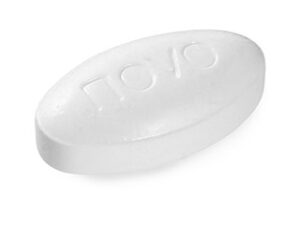
Note: Strengths and tablet appearance can vary by local packaging. Always check your specific pack label and follow the dosing schedule provided by your healthcare professional.
What Contrave Is Intended to Help With
Contrave is used as part of a comprehensive program for weight management for adults who:
- Have obesity or overweight with related health conditions; and
- Are able to adopt lifestyle changes (diet and physical activity) as a long-term plan.
Contrave is not intended as a short-term “quick fix.” It works best when combined with consistent behaviour change.
How Contrave Works (Mechanism of Action)
Contrave combines two complementary mechanisms that affect appetite and reward pathways in the brain:
- Bupropion: Helps reduce appetite and cravings by influencing neurotransmitters involved in appetite regulation (including pathways related to dopamine and noradrenaline).
- Naltrexone: Helps modulate reward-related signalling by blocking opioid receptors. This may reduce the reinforcing effects of eating and cravings.
Together, the combination aims to support:
- Reduced hunger
- Lower food cravings
- Less “reward-driven” eating
- Improved ability to follow a reduced-calorie eating plan
Pharmacokinetics (How the Body Processes It)
Pharmacokinetics describe what the body does to the medicine: how it’s absorbed, distributed, metabolised and eliminated.
Absorption
After oral dosing, the medicine is absorbed through the gastrointestinal tract. Food can influence how quickly and to what extent it’s absorbed (see “Food Interactions & Timing” below).
Metabolism
Bupropion is metabolised in the liver to active metabolites (including hydroxybupropion and others). Naltrexone is also metabolised primarily in the liver.
Elimination
Metabolites are eliminated mainly via the kidneys (urine) and to a lesser extent via other routes. Individual clearance can vary with factors such as age, liver function, kidney function, and drug interactions.
Why this matters for dosing
Because both components undergo metabolism and have active effects, Contrave is taken in a structured schedule and often increased gradually. This can help your body adjust and reduce side effects.
Typical Use and Treatment Goals
Contrave is used to support ongoing weight management rather than immediate weight loss alone. Treatment typically involves:
- A calorie-reduced diet
- Regular physical activity
- Behaviour strategies (e.g., portion planning, managing triggers, sleep and stress support)
- Ongoing monitoring of progress and side effects
Your healthcare professional will typically assess progress after a period of treatment. If goals are not being met, your plan may be adjusted.
Dosing: How to Take Contrave
Important: The exact dosing schedule should follow your specific prescription instructions and local product guidance. Below is a general titration approach commonly used to reduce side effects.
1) Gradual titration (to improve tolerability)
Contrave is usually started at a low dose and increased step-by-step over several weeks. This helps reduce common early side effects such as nausea, headache, and dizziness.
2) Typical daily timing
A common method is to take doses twice daily once you reach the maintenance phase, with doses spaced apart through the day.
Example timing:
- Morning: with breakfast or shortly after
- Evening: with dinner or shortly after
Some patients may be advised a different timing based on their schedule and tolerance. Try to take doses at consistent times each day.
3) Swallow whole
Tablets should generally be swallowed whole with water. Do not crush or chew unless your packaging specifically instructs otherwise.
4) Missed dose guidance (general)
- If you miss a dose, take it when you remember unless it’s close to the next scheduled dose.
- Do not take double doses to “catch up.”
If you frequently miss doses or are unsure, speak with your healthcare professional or pharmacist for advice tailored to your dosing stage.
Timing and Food Interactions
Food can affect how you feel after taking Contrave. Many people experience nausea early in treatment. Taking the medicine with food can help.
Taking Contrave with meals
- Many patients are advised to take doses with or after meals, particularly during dose increases.
- If you feel nauseated, try taking the dose with a larger meal or ensure you’re not taking it on an empty stomach.
What to avoid around dosing
There are no universal “forbidden” foods, but practical recommendations include:
- Stay consistent with meal timing—avoid very large swings in what and when you eat.
- If you have a sensitive stomach, consider smaller, more frequent meals during the titration period.
Alcohol and Medicine Interactions
Alcohol
Contrave may increase the risk of side effects when combined with alcohol, and alcohol may also worsen certain risks related to bupropion (such as seizure risk) and overall tolerability.
- It’s generally recommended to limit alcohol.
- If you drink regularly, ask a healthcare professional for personalised guidance before using Contrave.
Medicines that may interact (examples)
Contrave can interact with other medicines—some interactions may require dose adjustments or close monitoring.
Common interaction categories to discuss with your pharmacist:
- Other antidepressants (including bupropion-containing products)
- Seizure threshold–lowering medicines (some antipsychotics, stimulants, certain antibiotics)
- Opioid medicines (pain relief or cough suppressants) because naltrexone can block opioid effects
- Medicines affecting liver metabolism (some medicines that influence liver enzymes)
- Blood pressure or heart rhythm medicines (monitoring may be needed)
- Stimulant or nicotine-related medicines (discuss smoking/vaping cessation plans)
Always tell your pharmacist about all medicines you take, including:
- Prescription and over-the-counter products
- Herbal supplements (e.g., St John’s wort)
- Vitamins or “natural” weight-loss aids
Indications and Who Should Use It
Contrave is indicated for weight management support in adults who meet established criteria and are willing to make lifestyle changes.
It is not for:
- Children or adolescents
- People seeking short-term weight loss only
- Use as a replacement for healthy eating and activity
Safety Profile and Important Warnings
Like all medicines, Contrave can cause side effects. Some effects are more common at the start or when doses increase.
Common side effects
- Nausea
- Headache
- Dizziness
- Dry mouth
- Constipation or other changes in bowel habits
- Sleep disturbances (especially if taken late in the day)
- Increased blood pressure and/or heart rate in some people
Serious but less common risks
Some risks require extra attention. Seek urgent medical advice if you experience:
- Seizures (convulsions, loss of consciousness)
- Allergic reaction (swelling of face/lips, breathing difficulties, widespread rash)
- Severe mood changes (including worsening depression or suicidal thoughts)
- Chest pain, fainting, or severe palpitations
- Symptoms of liver problems (yellowing skin/eyes, dark urine, severe fatigue)
Who may need extra caution
Discuss Contrave carefully if you have any of the following:
- History of seizures or conditions that raise seizure risk
- Current or past eating disorders (such as bulimia or anorexia nervosa)
- Significant uncontrolled high blood pressure or certain heart conditions
- Existing liver disease or impaired kidney function
- Use of medicines that interact with opioid effects (naltrexone) or lower seizure threshold (bupropion)
- History of substance dependence or withdrawal
Breathing and opioid therapy: If you use opioid medicines for pain or other reasons, it is crucial to discuss how naltrexone affects them before starting. Do not stop opioid therapy abruptly without medical advice.
Practical Use Tips (How to Make Treatment Easier)
Start low, go slow
The dose-escalation schedule is designed to improve tolerability. If side effects are troublesome, your healthcare professional may adjust the schedule rather than stopping suddenly.
Manage nausea early
- Take doses with meals or shortly after eating.
- Stay hydrated.
- Consider smaller meals if nausea is persistent during titration.
Sleep and timing
- Take the evening dose earlier if sleep becomes difficult.
- A consistent sleep routine may reduce insomnia-related side effects.
Track progress
To assess whether Contrave is working for you, consider:
- Weekly weigh-ins (at a consistent time of day)
- Measuring waist circumference occasionally
- Noting appetite/craving changes
- Blood pressure monitoring if advised
Continue lifestyle changes
Contrave supports lifestyle changes but does not replace them. Combining the medicine with dietary structure and physical activity increases the chance of meaningful, sustained results.
Alternative Options for Weight Management
Depending on your medical history, preferences, and access, alternatives to Contrave may include other medications and non-medicine strategies.
Non-medicine options
- Structured dietary programs (e.g., calorie tracking, portion control)
- Behavioural coaching (goal-setting, habit planning)
- Physical activity plans (walking, resistance training)
- Sleep and stress management
Medication alternatives (discuss with a healthcare professional)
- Orlistat (fat absorption inhibitor)
- GLP-1–based treatments or other injectable options where appropriate
- Other weight-management medicines depending on availability and suitability
Your pharmacist can help explain differences in side effects, monitoring needs, and how to choose an approach that fits your health profile.
Market and Legal Context for Australia
In Australia, weight-management medicines are regulated under the Therapeutic Goods Administration (TGA) and must meet local prescribing, supply, and labelling requirements.
Availability can vary depending on:
- Product status (listed/registered)
- Safety and risk management requirements
- Local supply and pharmacy dispensing processes
Always purchase medicines from licensed sources and ensure the product name, strength, and expiry date match the intended therapy.
Recent Guidance and Monitoring (Australia-appropriate)
Because weight-management therapies can affect appetite, mood, blood pressure and other health measures, current best practice typically includes:
- Baseline assessment of medical history, medications, and risk factors
- Regular follow-up during dose titration and after reaching maintenance dosing
- Monitoring of blood pressure/heart rate when clinically indicated
- Reviewing mental health changes and stopping therapy if concerning symptoms occur
- Evaluating benefit after an agreed period to decide whether to continue
Guidance can evolve as new safety information becomes available, so it’s wise to check for updates through your healthcare professional.
Delivery and Availability (Online Pharmacy)
Online pharmacies in Australia typically support delivery to eligible addresses and may require identity/eligibility checks depending on product status.
What you can expect:
- Order confirmation and secure payment processing
- Packaging that protects tablets and includes consumer information
- Delivery timeframes based on your postcode and shipping method
- Support from a pharmacist for questions about dosing, interactions, and side effects
Availability: Stock levels can fluctuate. If Contrave is temporarily unavailable, your pharmacy may offer guidance on alternatives or when restocking is expected.
Safety Checklist Before You Start
Before taking Contrave, review the following with your pharmacist:
- All current medicines (especially antidepressants, seizure-risk medicines, and opioid pain relief)
- Any past seizures, eating disorders, or significant liver/heart issues
- Alcohol intake and any plans to reduce/stop drinking
- Your current blood pressure and heart-rate history
- Any history of mood disorders or recent changes in mental health
FAQ
1) How long does it take for Contrave to start working?
Some people notice changes in appetite within the first days to weeks, but meaningful weight-related results usually build over time. The dose-escalation period typically takes several weeks, and your progress should be assessed with follow-up over the longer term.
2) Can I take Contrave with food?
Yes—many people take it with meals or shortly after to reduce nausea. If you’re sensitive to nausea, taking each dose with a consistent meal timing can help.
3) What if I forget a dose?
Take the missed dose when you remember unless it’s near your next dose. Do not take a double dose. If you’re unsure—especially during the titration phase—contact your pharmacist for guidance.
4) Can I drink alcohol while taking Contrave?
It’s generally recommended to limit alcohol. Alcohol may worsen side effects and may increase certain risks. If you drink regularly or plan changes to alcohol use, discuss this with your healthcare professional before continuing.
5) Will Contrave interfere with opioid pain relief?
Naltrexone can block the effect of opioid medicines. If you use opioids for pain or have a need for opioid treatment, you must discuss this carefully with a healthcare professional before starting Contrave.
6) What side effects are most common?
Common side effects include nausea, headache, dizziness, dry mouth, constipation and sleep disturbances. These are often more noticeable during early dose increases.
7) Is Contrave safe for everyone?
No medicine is suitable for everyone. Contrave requires careful screening for conditions that raise seizure risk, mood-related risks, significant heart or blood pressure issues, and potential interactions with other medicines.
8) Can I stop Contrave suddenly?
Do not stop without advice if you’re taking the medicine regularly. Your healthcare professional can guide how to adjust your plan, manage side effects, and decide on next steps based on your progress and risks.
9) Does Contrave replace diet and exercise?
No. Contrave is a support to help you adhere to lifestyle changes. Sustained results depend on ongoing dietary structure and physical activity.
10) What should I do if I feel unwell or have severe symptoms?
If you experience symptoms such as seizure, severe allergic reaction, chest pain, fainting, or severe mood changes, seek urgent medical care immediately.
Comparison at a Glance
| Feature | Contrave (Bupropion + Naltrexone) |
|---|---|
| Primary role | Support for weight management alongside diet and activity |
| How it works | Targets appetite and reward pathways (bupropion + opioid receptor modulation) |
| Starting approach | Gradual dose titration to improve tolerability |
| Common early side effects | Nausea, headache, dizziness, sleep changes |
| Key interaction theme | Opioids (naltrexone) and seizure-risk medicines (bupropion) |
| Alcohol | Generally recommended to limit; discuss if you drink regularly |
Always read the patient information provided with your medicine and speak with a pharmacist if you have questions about dosing, side effects, or interactions. If you’re unsure whether Contrave is suitable for you, get personalised advice based on your medical history.