
Anastrozole (Australia) — Patient-Friendly Medicine Information
Anastrozole is a medicine used in the treatment of certain hormone receptor–positive cancers. It belongs to a group of medicines called aromatase inhibitors. In Australia, anastrozole is widely used as a long-term treatment option for appropriate patients, typically in the context of breast cancer management.
This guide explains how anastrozole works, how it is taken, common safety considerations, potential food and alcohol interactions, and practical tips for everyday use. It is designed to be clear and helpful for patients and carers.
1. Basic product information
- Medicine name: Anastrozole
- Medicine class: Aromatase inhibitor (non-steroidal)
- Common uses: Treatment and prevention strategies for hormone receptor–positive breast cancer (depending on individual circumstances)
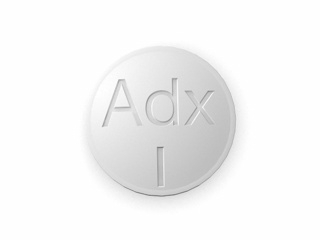
- Typical strength available: Commonly supplied as tablets (often 1 mg strength)
- How it is taken: By mouth
Brand and pack sizes vary. If you are unsure which strength you have, check the label on your medicine box or ask your pharmacist.
2. Indications (what it is used for)
Anastrozole is used in patients where the cancer growth is driven by oestrogen (also called hormone receptor–positive disease). Because anastrozole reduces oestrogen formation, it helps slow or prevent cancer progression in appropriate situations.
Indications may include:
- Early breast cancer: adjuvant (after primary treatment) hormone therapy to reduce recurrence risk in suitable patients
- Advanced breast cancer: including postmenopausal patients with hormone receptor–positive disease
- Other doctor-directed hormone-driven scenarios where an aromatase inhibitor is considered appropriate
Your treating team will determine whether anastrozole is suitable based on factors such as menopausal status, cancer stage, prior treatments, and the hormone receptor profile.
3. How anastrozole works (mechanism of action)
Aromatase is an enzyme found in several tissues (including fat and other peripheral tissues). It helps convert androgens into oestrogens.
Anastrozole blocks aromatase, lowering oestrogen levels. This reduces stimulation of hormone receptor–positive cancer cells that rely on oestrogen to grow and survive.
In simple terms: less oestrogen is made, and the cancer’s hormonal “fuel” is reduced.
4. Pharmacokinetics (how the body handles it)
“Pharmacokinetics” describes how anastrozole is absorbed, distributed, metabolised, and eliminated.
- Absorption: After oral administration, anastrozole is absorbed from the gastrointestinal tract. Peak levels in blood are typically reached within hours.
- Distribution: It circulates in the bloodstream and is present in body tissues.
- Metabolism: Anastrozole is processed mainly by the liver through metabolic pathways including CYP enzymes.
- Excretion: Metabolites are eliminated primarily through urine.
- Steady state: With ongoing daily dosing, blood levels reach a steady pattern after repeated doses.
Individual factors—such as age and liver function—can influence how medicines behave in the body. If you have liver disease, your pharmacist or doctor may advise additional monitoring.
5. Typical use and timing
Anastrozole is commonly taken as part of a long-term treatment plan. Consistency is important for long-term hormonal control.
How to take it
- Take at the same time each day to help you remember.
- Swallow the tablet whole with water.
- Do not stop or change the dose without speaking to your treating team.
If you miss a dose
Follow the advice on the medicine label or your pharmacist’s instructions. In general, if you miss a dose:
- Take it when you remember if it is close to your usual time.
- If it is near the time for your next dose, skip the missed dose.
- Do not double up to make up for a missed dose.
For specific guidance, refer to your product information or ask a pharmacist—especially if you miss more than one dose.
6. Food interactions (can you take it with meals?)
Anastrozole can generally be taken with or without food. Food does not usually require special timing adjustments.
That said, some people experience side effects such as nausea or stomach discomfort. If you notice this, taking anastrozole with a light meal may make it easier to tolerate. Any change should be consistent with your routine.
- Typical approach: Take at your usual time; food is optional.
- If you get nausea: Consider taking after food rather than on an empty stomach.
7. Alcohol interactions
Moderate alcohol intake is not usually known to have a direct interaction with anastrozole. However, alcohol can affect:
- Side effects (such as dizziness, fatigue, or mood changes)
- Liver health (relevant because anastrozole is metabolised in the liver)
- Bone health (heavy alcohol intake can contribute to bone loss)
If you drink alcohol, consider discussing a safe amount with your doctor or pharmacist—particularly if you have liver problems or you are experiencing troublesome side effects.
If you feel unwell after alcohol while taking anastrozole (for example, marked dizziness or worsening symptoms), avoid further alcohol and seek advice.
8. Medicine interactions (including common medicines)
Interactions can occur when medicines affect each other’s metabolism or increase side effects. Anastrozole is metabolised in the liver, so medicines that strongly alter liver enzymes may affect blood levels.
Examples of medicines to discuss with your healthcare professional
- Hormonal therapies that may affect oestrogen signalling
- Some anti-seizure medicines (enzyme inducers)
- Some antibiotics/antifungals that can alter metabolism pathways
- Herbal products (for example, St John’s wort) which may change drug metabolism
- Other liver-metabolised medicines
Practical advice
- Tell your pharmacist about all medicines you take, including over-the-counter products and supplements.
- Keep a list (or photos of labels) to make checks faster.
- Do not start new medicines without asking, even if they are “natural”.
If your medicine list changes (for example, after hospital discharge), re-check interactions.
9. Dosing information (general guidance)
Anastrozole dosing is individualised. However, in many adult regimens, the most common schedule is:
| Patient group | Typical daily dose | When to take | Notes |
|---|---|---|---|
| Adults in suitable indications | Often 1 mg once daily | Same time each day | Duration is decided by your treating team |
Important: Always follow the dosing instructions on your medicine label or the plan provided by your healthcare professional. Do not alter the dose because response and safety depend on the correct regimen.
If you have kidney or liver concerns, your clinician may consider monitoring or dose decisions based on overall health and test results.
10. Safety profile (what to expect and when to seek help)
Like all medicines, anastrozole can cause side effects. Not everyone experiences them, and many are manageable with supportive strategies and timely clinical review.
Common side effects
- Joint pain and stiffness (arthralgia)
- Hot flushes
- Fatigue
- Headaches
- Muscle aches
- Reduced bone density over time (osteopenia/osteoporosis risk)
- Nausea (in some patients)
Less common but important risks
- Bone-related complications: fractures, worsening osteoporosis risk
- Cardiovascular effects: your doctor may consider overall heart health, risk factors, and monitoring
- Skin reactions: rash or inflammation (seek advice if severe or persistent)
- Liver changes: usually identified through blood tests
When to get urgent medical help
Seek urgent help if you experience:
- Signs of a severe allergic reaction (e.g., swelling of face/lips, difficulty breathing)
- Severe chest pain, sudden shortness of breath, or signs of stroke
- Unexplained severe symptoms that worry you or rapidly worsen
For any persistent side effect—especially new or worsening joint pain or symptoms suggesting low bone strength—contact your healthcare team.
11. Practical use tips (making treatment easier)
Managing joint pain and stiffness
- Keep gently moving: stretching, light activity, and physiotherapy can help.
- Use heat or cold packs for short periods if they provide relief.
- Discuss persistent symptoms—your clinician may recommend supportive treatments or investigations.
Supporting bone health
- Ask about bone density scans (DEXA) if not already planned.
- Ensure adequate calcium and vitamin D intake (from diet and/or supplements as advised).
- Do weight-bearing exercise if safe for you (e.g., walking) and follow your health professional’s guidance.
- Avoid smoking and keep alcohol within recommended limits.
Hot flushes and overall comfort
- Dress in layers and stay cool where possible.
- Discuss options with your clinician if symptoms affect daily life.
Adherence strategies
- Use a daily reminder on your phone or pill organiser.
- Link your dose to a routine (e.g., after breakfast).
- If you travel, bring your tablets in original packaging and plan for time zone changes.
12. Alternative options
Depending on your situation and cancer characteristics, your treating team may consider other endocrine (hormone) therapy options. Alternatives may include:
- Other aromatase inhibitors (for example, letrozole, exemestane)
- Oestrogen receptor modulators (for example, tamoxifen in suitable settings)
- Ovarian suppression therapies in certain patient groups (as directed by your clinician)
The “best” option depends on menopausal status, prior treatment history, side effect tolerance, and overall health. If you are experiencing side effects, discuss whether switching or supportive care is appropriate.
13. Market and legal context for Australia
In Australia, anastrozole is regulated under the Australian medicines framework. Medicines are supplied through licensed channels and must meet standards for quality, safety, and efficacy.
Availability can vary depending on brand, pack size, and distribution arrangements. Your pharmacy can advise on equivalent options if a particular brand is temporarily unavailable.
Always use medicines that are supplied through appropriate Australian supply chains to help ensure authenticity and safe storage.
14. Recent guidance and monitoring considerations
Treatment plans for hormone receptor–positive breast cancer often include ongoing monitoring and supportive care. Guidance commonly emphasises:
- Bone health monitoring (especially for long-term aromatase inhibitor use)
- Management of musculoskeletal side effects to maintain quality of life and adherence
- Assessment of cardiovascular risk factors and general health during longer-term therapy
- Liver function checks if clinically indicated
Your local healthcare team may follow updates from professional bodies and evidence reviews regarding supportive interventions and follow-up schedules.
15. Delivery and availability (Australia)
Availability of anastrozole products may depend on the specific brand and tablet strength. Online pharmacies in Australia may offer delivery to eligible locations.
- Check stock status on the product page.
- Delivery times vary by state and carrier; allow extra time during public holidays.
- Packaging: Medicines are typically shipped in secure packaging to protect tablets and maintain safe handling.
If you need help finding a specific pack size or equivalent product, contact support via the pharmacy website chat or email provided on the storefront.
16. Storing your medicine
- Store tablets in a cool, dry place away from direct sunlight.
- Keep them in the original packaging to protect from moisture and for identification.
- Keep out of reach and sight of children.
Do not use the medicine after the expiry date on the pack.
17. FAQ
What is anastrozole used for?
Anastrozole is used for certain hormone receptor–positive breast cancer scenarios by lowering oestrogen levels. The exact indication and duration depend on your diagnosis and treatment plan.
How long will I need to take anastrozole?
Treatment duration varies. Many courses are taken long-term, but your treating team will determine the plan based on your risk profile and response.
Can I take anastrozole with food?
Yes. Anastrozole can usually be taken with or without food. If you experience stomach discomfort, taking it with a meal may help.
Should I take it at a particular time of day?
Take it once daily at a consistent time. Some people prefer morning or evening based on comfort and side effects.
What should I do if I miss a dose?
Take it when you remember if it’s close to your scheduled time. If it’s near your next dose, skip the missed one. Do not double up—ask a pharmacist if you are unsure.
Does anastrozole interact with alcohol?
There is no commonly expected direct interaction with moderate alcohol, but alcohol can affect liver health and overall side effect tolerance. Keep intake moderate and seek advice if you have liver issues or troubling symptoms.
Will anastrozole affect my bones?
Over time, aromatase inhibitors can reduce bone mineral density. Your clinician may recommend bone monitoring and supportive measures such as calcium/vitamin D and weight-bearing exercise.
What are common side effects?
Common side effects include joint pain, hot flushes, fatigue, headaches, and muscle aches. If side effects are persistent or severe, discuss them—supportive management may be available.
Can I stop anastrozole if I feel unwell?
Do not stop or change your medicine without medical advice. Contact your healthcare team promptly if you have side effects—there may be ways to manage them safely.
Are there alternatives to anastrozole?
Yes. Depending on your situation, alternatives may include other aromatase inhibitors or other types of endocrine therapy. Your treating team can advise based on your clinical needs.
Disclaimer: This information is for general patient education. Always follow the advice of your healthcare professional and the instructions provided with your specific product.