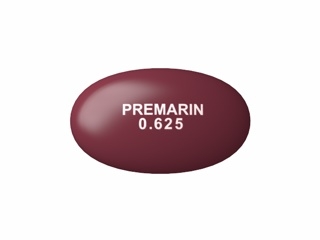

Premarin (Conjugated Estrogens) — Patient Information
Premarin is a brand of conjugated estrogens, a medicine used to supplement oestrogen levels in people who need hormone therapy. It is commonly used for menopausal symptoms and other estrogen-related conditions. This page provides patient-friendly information about how Premarin works, how it is typically used, key safety considerations, and practical tips for day-to-day use in Australia.
Note: Individual suitability varies. Always follow the instructions provided with your medicine and discuss any questions with your doctor or pharmacist—especially if you have a personal or family history of blood clots, stroke, breast cancer, or liver disease.
1. Basic product information
- Brand name: Premarin
- Generic name: Conjugated estrogens
- Medicine type: Estrogen hormone therapy
- Common forms (availability varies): Tablets (oral)
- Who it’s for: Adults who require estrogen therapy for specific indications
In Australia: Product availability and pack sizes may vary. Your local pharmacist can confirm current listings and strengths.
2. How Premarin works (mechanism of action)
Premarin contains conjugated estrogens, which are mixtures of naturally occurring oestrogenic compounds. After entering the bloodstream, oestrogens bind to oestrogen receptors in various tissues, including the reproductive tract, bone, brain, and skin.
The overall effects include:
- Relieving menopausal symptoms such as hot flushes and night sweats (by influencing temperature regulation in the brain).
- Improving vaginal and urinary symptoms by supporting the vaginal lining and urogenital tissues.
- Preventing bone loss by slowing bone resorption, helping maintain bone density.
- Supporting hormone balance in certain medical conditions where estrogen is indicated.
3. Pharmacokinetics (how the body processes it)
Pharmacokinetics describes what the body does to a medicine—absorption, distribution, metabolism, and excretion.
- Absorption: After oral dosing, estrogens are absorbed through the gastrointestinal tract.
- Distribution: Estrogens circulate in the blood and bind to plasma proteins.
- Metabolism: The liver metabolises estrogens through pathways including glucuronidation and other metabolic processes.
- Elimination: Metabolites are eliminated mainly via urine and bile/faecal routes.
- Onset: Symptom improvement for hot flushes and night sweats can occur within weeks for many people, while bone benefits typically take longer.
Variability: The way estrogen levels build up and the degree of effect can vary between individuals due to genetics, liver function, concurrent medicines, and dosing schedule.
4. Typical uses and indications
Premarin is used to treat conditions related to estrogen deficiency. Common indications include:
- Menopausal symptoms due to oestrogen deficiency (e.g., hot flushes, night sweats).
- Genitourinary syndrome of menopause (GSM)—vaginal dryness, irritation, pain with intercourse, and urinary discomfort (depending on the overall treatment plan).
- Prevention of postmenopausal osteoporosis in selected patients where estrogen therapy is appropriate and benefits outweigh risks.
- Other estrogen-responsive conditions where your clinician determines that conjugated estrogens are suitable.
Important: The decision to use systemic estrogen depends on your symptoms, age, time since menopause, personal risk factors, and whether you need progestogen as well (to protect the uterus when applicable).
5. Timing and how to take Premarin
Follow your prescribed schedule. Some estrogen regimens are continuous (daily), while others are sequential or cyclical. Your dosing schedule affects bleeding patterns and may influence safety considerations.
Practical timing tips:
- Choose a consistent time each day (e.g., morning or evening) to help you remember.
- Swallow tablets whole with water unless your pharmacist advises otherwise.
- If you miss a dose: Take it when you remember if it’s close to the next dose. If you’re near the time of the next dose, skip the missed dose—do not double up.
- Track early effects: Note symptom changes, any new bleeding, and side effects to discuss at follow-up.
Expectations: Many people need a short trial period to find the most appropriate dose and schedule. Follow-up helps determine whether continued therapy remains the best option.
6. Food interactions
Most hormonal tablets can be taken with or without food, but individual product instructions may vary. For Premarin:
- General approach: You can typically take it at the same time each day. Taking with food may reduce stomach discomfort for some people.
- Grapefruit and juices: Avoiding grapefruit is often advised with some medicines, but the interaction depends on the specific drug metabolism pathways. If you’re unsure, check with your pharmacist.
- High-fibre diets: Large changes in diet are not usually a direct issue, but if your dosing effect seems altered, discuss it with a healthcare professional.
Tip: Keep your intake of supplements (especially herbal products) consistent and inform your pharmacist about anything new, as some supplements can affect hormone metabolism.
7. Alcohol and medicine interactions
Alcohol: Moderate alcohol intake may not directly interact with conjugated estrogens, but alcohol can worsen side effects such as nausea, headaches, and dizziness in some people.
Consider extra caution if:
- You have liver disease or abnormal liver tests.
- You take medicines that affect liver enzymes.
- You have a high baseline risk of blood clots or stroke—because both estrogen therapy and some lifestyle factors can contribute to overall risk.
Medicine interactions (examples to discuss with your clinician/pharmacist):
- Enzyme inducers (e.g., some anti-epileptics, rifampicin-like antibiotics, certain HIV or hepatitis treatments) may reduce estrogen levels, potentially decreasing effectiveness.
- Enzyme inhibitors can increase estrogen levels, potentially raising side effects.
- Thyroid medicines (levothyroxine): oestrogens can increase thyroid-binding proteins, sometimes altering dose requirements.
- Warfarin and other anticoagulants: estrogen therapy can influence clotting balance. If you take anticoagulants, monitoring is essential.
- Some anti-diabetic medicines: hormone therapy can affect glucose control for some people.
- Corticosteroids and other chronic medicines: dose adjustments may be needed depending on your overall regimen.
Always tell your pharmacist about all medicines and supplements you use, including herbal products (e.g., St John’s wort) and over-the-counter treatments.
8. Dosing (typical approach)
Doses vary by indication, symptom severity, and whether progestogen is required. Your clinician will individualise treatment. It’s important not to start or change dose without medical advice.
General dosing principles:
- Use the lowest effective dose for the shortest time consistent with treatment goals.
- Reassess regularly (commonly every 3–6 months initially, then periodically) to review benefits and risks.
- If you have a uterus: Many people need a progestogen alongside systemic estrogen to help reduce endometrial hyperplasia risk. Your doctor will advise the best regimen.
- If you have had a hysterectomy: progestogen may not be necessary, but decisions still depend on your history.
Common real-world schedules: Some regimens are continuous daily; others are cyclic. Bleeding patterns differ between regimens.
| Regimen type | How it’s taken | Typical considerations |
|---|---|---|
| Continuous combined/single | Daily, usually without planned breaks | Some people have minimal or no bleeding; breakthrough bleeding can still occur early |
| Cyclic (sequential) | Estrogen taken daily with planned progestogen days (or breaks depending on plan) | May produce predictable withdrawal bleeding in some people |
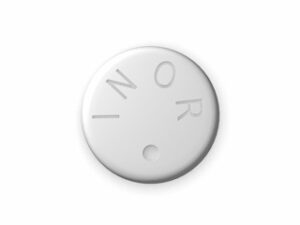
Strengths: Premarin tablets come in different strengths. If you receive a different strength than expected, confirm with your pharmacist.
9. Safety profile and key warnings
Like all medicines, Premarin can cause side effects. Many are mild, but some adverse effects are serious. The most important safety issues relate to hormone therapy and depend strongly on personal risk factors.
Common side effects
- Nausea or stomach upset
- Headache
- Breast tenderness
- Mood changes
- Swelling due to fluid retention
- Changes in vaginal bleeding patterns (spotting or breakthrough bleeding)
- Leg cramps in some people
Seek urgent medical attention for symptoms of serious effects
Stop and seek urgent medical advice if you develop signs of:
- Blood clot (e.g., sudden leg swelling or pain, chest pain, sudden shortness of breath)
- Stroke (e.g., face drooping, weakness on one side, difficulty speaking, sudden vision changes)
- Severe allergic reaction (swelling of face/lips, difficulty breathing, hives)
- Jaundice (yellow eyes/skin, dark urine), severe abdominal pain—possible liver problems
Risk considerations (benefits vs risks)
- Breast cancer risk: This depends on duration of use, whether estrogen alone or combined therapy is used, and your personal history.
- Endometrial (uterine) cancer risk: Systemic estrogen without adequate progestogen (if you have a uterus) increases risk. Any abnormal bleeding should be assessed.
- Cardiovascular and clot risk: Risk varies with age, time since menopause, smoking status, and existing risk factors (e.g., high blood pressure, diabetes, high cholesterol).
- Gallbladder disease: Estrogen therapy may increase the risk of gallstones in some people.
- Hypertriglyceridaemia: Estrogens can raise triglycerides; extreme elevations increase pancreatitis risk.
- Headache or migraine changes: A change in pattern, frequency, or severity may warrant review.
Who should be especially cautious
Discuss carefully with a clinician if you have (or have had):
- History of blood clots or stroke
- Breast cancer or suspected breast cancer
- Unexplained vaginal bleeding
- Known or suspected estrogen-dependent cancers
- Severe liver disease
- Uncontrolled high blood pressure or significant heart disease
Do not ignore bleeding changes: Any unexpected bleeding after starting therapy should be evaluated.
10. Practical use tips
- Consistency matters: Try to take your dose at the same time each day.
- Use a reminder: Phone alarms or blister pack tracking can reduce missed doses.
- Monitor symptoms: Keep a brief log of hot flush frequency, sleep quality, mood, and any vaginal bleeding.
- Report new symptoms early: Especially headaches, visual changes, chest pain, shortness of breath, or leg swelling.
- Bone health beyond hormones: Maintain calcium and vitamin D intake as advised; weight-bearing exercise and fall prevention strategies are important.
- Vaginal symptoms: If you mainly have local vaginal dryness, ask whether a local (vaginal) approach might be more appropriate—some people benefit from local treatments with lower systemic exposure.
- Regular reviews: Plan follow-ups so your clinician can review ongoing need, dose appropriateness, and safety.
11. Alternative options
Depending on the reason you’re taking Premarin, alternatives may include other hormone therapies or non-hormonal treatments.
Alternative hormone therapy options
- Other systemic estrogen products: Different estrogen types and formulations may be available.
- Transdermal estrogen (patch/gel): For some people, transdermal routes may be associated with different risk profiles compared with oral therapy.
- Local vaginal estrogen: Vaginal tablets/creams/rings may be used for GSM, often with less systemic absorption than oral therapy.
- Combined regimens: If you have a uterus, your clinician may choose specific schedules that include progestogen.
Non-hormonal options for menopausal symptoms
- Non-hormonal prescription medicines for hot flushes (availability depends on Australia guidelines and individual suitability)
- Lifestyle strategies: cooling measures, dressing in layers, pacing exercise, and stress reduction
- Sleep support: behavioural strategies for insomnia
Choosing alternatives: The “best” option depends on your symptoms, age, time since menopause, personal risks, and treatment goals.
12. Market and legal context for Australia
In Australia, medicines are supplied under the Therapeutic Goods Administration (TGA) framework. Products like Premarin are subject to regulatory standards for quality, safety, and effectiveness, and supply is managed through pharmacies and approved distribution channels.
How this affects you as a patient:
- You can generally obtain the medicine through a licensed pharmacy network in line with Australian requirements.
- Labelling, approved indications, and prescribing rules are determined by Australian regulatory assessment and product documentation.
- Pharmacists can help you confirm product strength, correct formulation, and how to take it safely.
Always check your packaging: Ensure the medicine name, strength, and form match what you intend to use.
13. Recent guidance and ongoing risk discussions
Menopausal hormone therapy is an evolving area, and Australian and international clinical guidance generally emphasises:
- Individualised assessment of benefits and risks
- Use of the lowest effective dose for symptom relief
- Regular review of ongoing need and alternative options
- Attention to age and time since menopause when estimating risk
- Appropriate uterine protection (progestogen when needed)
Because recommendations may be updated as new evidence emerges, your clinician may adjust your regimen over time.
14. Delivery, availability, and what to expect when ordering online
Availability can vary between brands and strengths. When ordering Premarin online in Australia, typical expectations include:
- Stock updates: Online listings usually reflect current availability; if an item is temporarily out of stock, your order may be delayed or substituted per pharmacy policy.
- Packaging: Medicines are shipped in secure, compliant packaging.
- Delivery timelines: Delivery speed depends on your location and the pharmacy’s dispatch schedule.
- Cold chain: Most tablet formulations do not require refrigeration.
Delivery tip: If you’re away or unable to receive parcels, consider delivery options that allow safe drop-off or collection.
15. FAQ
Is Premarin the same as “natural” oestrogen?
Premarin contains conjugated estrogens derived from naturally occurring estrogenic compounds. However, it is still a medication with regulated dosing and safety considerations.
How quickly will I feel the benefits?
Hot flushes and night sweats often improve within weeks. Vaginal and urinary symptoms may take longer. Bone protection is a longer-term benefit.
Should I stop if I have side effects?
Some side effects settle after your body adjusts, but others may signal a serious problem. If you have chest pain, shortness of breath, stroke-like symptoms, severe headaches, leg swelling, or jaundice, seek urgent medical advice. For non-urgent side effects, contact your pharmacist or doctor for guidance.
What if I have bleeding while taking Premarin?
Any unexpected or heavy vaginal bleeding should be assessed. The approach depends on your regimen and personal history. Don’t ignore bleeding changes—especially if they occur after a period of no bleeding.
Can I take Premarin with food?
Many people take oral estrogen tablets with or without food. If you get nausea, taking with a meal may help. Follow the specific directions on your product label and pharmacist instructions.
Does alcohol affect Premarin?
Moderate alcohol intake may not directly interact, but it can worsen some side effects and may be a concern if you have liver disease. If you’re unsure, ask your pharmacist about your specific situation.
What medicines can interact with Premarin?
There are multiple potential interactions, especially with drugs that affect liver enzymes, thyroid medicine requirements, and anticoagulants. Tell your pharmacist about all medicines and supplements you take.
Are there alternatives if I don’t want systemic therapy?
Yes. Depending on your symptoms, options may include local vaginal estrogen, transdermal estrogen, or non-hormonal treatments. Your clinician can help decide based on your risk profile and symptom pattern.
How long can I stay on hormone therapy?
There is no one-size-fits-all answer. Guidance typically supports using the lowest effective dose and reviewing regularly to determine whether ongoing treatment is appropriate.
How do I store Premarin?
Store as directed on the packaging (commonly at room temperature). Keep medicines out of reach of children and avoid using medicines past their expiry date.
16. Summary
Premarin (conjugated estrogens) is a systemic estrogen medicine used mainly to relieve menopausal symptoms and address estrogen deficiency-related conditions. It works by activating estrogen receptors in body tissues, influencing symptom control, urogenital tissue support, and bone metabolism. As with all hormone therapies, safety depends on individual risk factors and the correct regimen—particularly whether uterine protection is needed if you have a uterus.
If you have questions about suitability, dosing schedule, interactions, or side effects, speak with your pharmacist or doctor for personalised guidance.