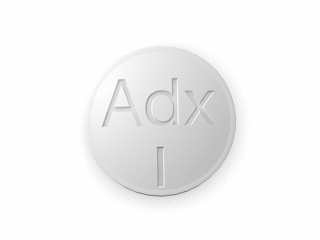


Arimidex (Anastrozole) – Patient-Friendly Medicine Information (Australia)
Arimidex is a brand of anastrozole, a medicine used in the treatment of certain hormone receptor–positive breast cancers. This guide explains what Arimidex is, how it works, what to expect, how it may interact with food, alcohol and other medicines, and practical tips for safer day-to-day use.
This information is designed for consumers in Australia and should complement advice from your healthcare professional.
Quick Summary
- Generic name: Anastrozole
- Brand name: Arimidex
- Class: Aromatase inhibitor (non-steroidal)
- Common use: Hormone receptor–positive breast cancer (in particular after menopause)
- How it’s taken: Usually once daily, with or without food
- Key benefit: Lowers oestrogen levels, helping reduce cancer growth driven by hormones
- Common side effects: Hot flushes, joint stiffness/pain, fatigue, headache, vaginal dryness
Basic Product Information
| Feature | Details |
|---|---|
| Medicine | Arimidex |
| Active ingredient | Anastrozole |
| Medicinal form | Tablets (typically 1 mg) |
| Medicine type | Oral aromatase inhibitor |
| Target hormone pathway | Reduces oestrogen production in the body |
| When it’s used | In postmenopausal patients for certain breast cancer settings |
How Arimidex Works (Mechanism of Action)
Anastrozole belongs to the aromatase inhibitor group. Aromatase is an enzyme that helps convert hormones called androgens into oestrogen in many tissues.
Arimidex works by inhibiting aromatase, which leads to a decrease in oestrogen levels. For many breast cancers that are oestrogen receptor–positive (ER+) and/or progesterone receptor–positive, oestrogen can support cancer cell growth. Lowering oestrogen helps reduce the likelihood of cancer progression or recurrence.
Arimidex does not replace oestrogen and does not treat hormone-independent cancer types.
Pharmacokinetics (How the Body Handles the Medicine)
Pharmacokinetics describes how the body absorbs, distributes, metabolises, and eliminates a drug.
- Absorption: Anastrozole is absorbed after oral dosing. It can be taken with or without food.
- Time to effect: Oestrogen suppression begins after dosing and continues throughout treatment.
- Distribution: The medicine distributes into body tissues. It is protein-bound in blood.
- Metabolism: Anastrozole is metabolised in the liver (primarily by metabolic pathways including CYP enzymes).
- Excretion: Metabolites are mainly eliminated in urine.
- Steady state: With daily use, drug levels reach steady state over several days.
For many people, the clinical goal is consistent daily dosing to maintain lowered oestrogen levels.
Typical Use in Australia (Indications)
Arimidex is used for hormone receptor–positive breast cancer in appropriate patient groups. Indications may vary by age, menopausal status, and stage of disease, and may depend on your local treatment plan.
Common indications include:
- Adjuvant treatment of early breast cancer in postmenopausal women (to reduce recurrence risk)
- Extended adjuvant treatment in certain situations after initial therapy
- Treatment of advanced breast cancer (when hormone receptor status suggests benefit)
- Oestrogen receptor positive disease where lowering oestrogen is a key strategy
Important note: Use is typically directed at postmenopausal patients or those treated as postmenopausal under specific regimens. If you are uncertain about which medicine is appropriate for your circumstances, speak with your healthcare team.
Dosing (How Much to Take and When)
For most approved uses, the usual oral dose is:
- Adults (typical dose): 1 mg once daily
How to take:
- Swallow the tablet whole with water.
- Take at the same time each day to help you remember.
- You may take it with or without food.
Missed dose:
- If you miss a dose, take it as soon as you remember on the same day.
- If it is close to your next scheduled dose, skip the missed dose and continue your regular schedule.
- Do not take a double dose to make up for a missed tablet.
If you experience side effects or have questions about your schedule, talk to your clinician before changing how you take your medicine.
Timing and Consistency Tips
Arimidex is usually taken once daily. Although exact timing is flexible, consistency helps you maintain steady oestrogen suppression.
- Choose a routine: Many people find it easiest to take it at the same time as an established daily habit (e.g., after breakfast or with dinner).
- Use reminders: A phone alarm, calendar reminder, or pill organiser can improve adherence.
- Plan for travel: Carry enough tablets for your trip plus a small buffer.
Food Interactions (With or Without Meals)
In general, food does not significantly affect the absorption or effectiveness of anastrozole.
- You can take Arimidex with food if it helps reduce stomach discomfort.
- You can take it without food if that suits you better.
If you have a sensitive stomach, taking it after a meal may feel more comfortable.
Alcohol and Medicine Interactions
Alcohol: There is no universal recommendation to avoid alcohol completely; however, alcohol may worsen common side effects in some people, such as fatigue, hot flushes, headaches, or sleep disturbance.
Practical approach:
- Consider limiting alcohol, especially if you notice symptom flare-ups.
- If you have liver-related concerns, keep alcohol intake minimal and discuss with your healthcare team.
Interactions with other medicines: Anastrozole can interact with medicines that affect liver metabolism. Some drug classes to review with your clinician or pharmacist include:
- Hormonal therapies: Medicines that affect oestrogen levels may conflict with the goal of aromatase inhibition.
- Strong enzyme inducers: Certain medications can reduce anastrozole levels, potentially lowering effectiveness.
- Strong enzyme inhibitors: Some medicines may affect metabolism and increase anastrozole exposure.
- Some cancer treatments and supportive therapies: Coordination of regimens is essential.
Always check: Provide your pharmacist with a complete list of medicines, including over-the-counter products and herbal supplements (e.g., St John’s wort).
Safety Profile (What to Watch For)
Like all medicines, Arimidex can cause side effects. Many are manageable, and benefits may outweigh risks when used as directed for appropriate patients.
Common side effects
- Hot flushes
- Joint pain or stiffness (sometimes described as arthralgia)
- Fatigue
- Headache
- Vaginal dryness and changes in sexual comfort
- Swelling of hands/feet (less common)
- Nausea
Bone and muscle health
Because Arimidex lowers oestrogen, it may lead to bone mineral density loss over time. Your clinician may recommend:
- Bone health monitoring (e.g., bone density scans)
- Calcium and vitamin D intake guidance
- Weight-bearing exercise where appropriate
- Additional medications to support bone strength in selected patients
Serious but less common risks
Seek urgent medical advice if you experience:
- Signs of a blood clot (e.g., sudden shortness of breath, chest pain, leg swelling/pain)
- Severe allergic reactions (e.g., swelling of face/lips, difficulty breathing, rash with significant symptoms)
- Severe or persistent symptoms such as intense weakness, fainting, or unexpected bleeding
- Severe liver-related symptoms (e.g., yellowing of skin/eyes, dark urine, significant right upper abdominal pain)
This is not a complete list of all possible reactions. If you have concerns about a symptom, contact your healthcare provider.
Practical Use Tips (Day-to-Day Management)
1) Manage joint pain and stiffness
- Gentle stretching and regular low-impact exercise (e.g., walking, swimming) may help.
- Warm showers or heat packs can reduce stiffness.
- Discuss pain relief options with your pharmacist/doctor—avoid starting new medicines without advice if you’re unsure about interactions.
2) Support bone health
- Ensure adequate calcium and vitamin D according to your clinician’s guidance.
- Ask about whether you should have a bone density test.
- Avoid smoking; moderate alcohol intake may help bone health.
3) Address vaginal dryness and comfort
- Non-hormonal moisturisers and lubricants can help improve comfort during daily life and intercourse.
- Report persistent symptoms to your clinician—there are supportive approaches available that may be suitable depending on your treatment plan.
4) Track symptoms
Keeping a simple log (e.g., hot flush frequency, pain levels, sleep quality) can help your healthcare team fine-tune supportive care.
Alternative Options
Depending on your cancer type, stage, menopausal status, and treatment history, alternative hormone treatments or supportive strategies may be considered. Options may include:
- Other aromatase inhibitors (e.g., letrozole, exemestane) if anastrozole is not tolerated
- Selective oestrogen receptor modulators (e.g., tamoxifen) in suitable patient groups
- Oestrogen receptor downregulators/other hormonal therapies where indicated
- Additional supportive medicines for bone protection, symptom relief, or treatment-related side effects
Your healthcare team can help determine the most appropriate alternative if you experience side effects or if treatment strategy changes.
Pharmacology Considerations: What to Discuss with Your Clinician
Before starting Arimidex, it’s helpful to discuss:
- Current and past treatments for breast cancer
- Your menopausal status and age
- History of osteoporosis or fractures
- Any liver conditions
- All medicines and supplements you take regularly
- Any planned procedures or new therapies
Market and Legal Context for Australia
In Australia, medicines like Arimidex are regulated under the Therapeutic Goods Administration (TGA) framework. The availability of medicines online may vary depending on whether they are classified as:
- Prescription-only medicines and/or
- Pharmacist-only or other scheduling categories
Australian pharmacies and pharmacy websites may require appropriate documentation and patient identity verification for medicines that are not over-the-counter. If you browse an online pharmacy, ensure the site is legitimate and complies with Australian healthcare and advertising regulations.
Recent guidance and evolving care: Breast cancer treatment recommendations can be updated as new clinical evidence emerges. Your oncologist or breast care team may adapt therapy based on your cancer characteristics, tolerability, and current clinical practice. Staying in contact with your treating team is important for the latest plan-specific advice.
Recent Guidance (General Treatment Considerations)
While exact recommendations differ between individuals, general themes in ongoing breast cancer care include:
- Personalising duration and selection of endocrine therapy based on risk and benefit
- Bone health monitoring for aromatase inhibitor use
- Managing side effects early to support adherence (e.g., joint symptoms, vaginal dryness)
- Reviewing drug interactions whenever new medications are added
Because clinical recommendations can evolve, confirm your regimen with your healthcare provider.
Delivery, Availability and Online Pharmacy Information
Availability can depend on stock levels and whether you are ordering a brand product or generic anastrozole. Online pharmacy delivery options in Australia may include standard and express shipping depending on location and provider.
What to expect when ordering:
- Packaging: Typically supplied in manufacturer-supplied packaging.
- Delivery timeframes: Vary by suburb/state and courier.
- Cold chain: Arimidex generally does not require special cold-chain storage.
- Storage: Keep tablets in a cool, dry place as directed on the pack; protect from moisture and extreme heat.
Before purchase, check the product description for strength (commonly 1 mg) and confirm you’re selecting the correct formulation.
How to Store Arimidex
- Store tablets according to the directions on the packaging.
- Keep out of sight and reach of children.
- Do not use tablets after the expiry date shown on the pack.
- If tablets look damaged or altered (e.g., colour changes, crumbling), do not use—check with your pharmacist.
FAQ: Frequently Asked Questions
1) What is Arimidex used for?
Arimidex (anastrozole) is used to treat certain types of hormone receptor–positive breast cancer, often in postmenopausal patients, to reduce oestrogen levels that can fuel cancer growth.
2) How quickly does it start working?
Anastrozole begins lowering oestrogen soon after dosing. Oestrogen suppression is maintained with consistent daily intake. Your clinician may monitor response and adjust supportive care over time.
3) Can I take Arimidex with food?
Yes. Arimidex can generally be taken with or without food. If it upsets your stomach, taking it after a meal may be more comfortable.
4) Can I drink alcohol while taking Arimidex?
Small amounts of alcohol may be acceptable for many people, but alcohol can worsen side effects like fatigue, hot flushes or headaches. If you choose to drink, keep intake moderate and consider how your body responds. Discuss with your healthcare professional if you have liver concerns.
5) Are there interactions with other medicines?
Yes, some medicines can affect how anastrozole is metabolised or how hormonal pathways work. Always review your medication list with a pharmacist, including over-the-counter products and herbal supplements.
6) What should I do if I miss a dose?
Take it when you remember on the same day. If it’s nearly time for your next dose, skip the missed dose and resume your schedule. Do not take double the amount.
7) What side effects are common?
Common side effects include hot flushes, joint pain/stiffness, fatigue, headache, and vaginal dryness. Many side effects can be managed with supportive care, lifestyle measures and symptom-targeted treatments—discuss options early.
8) Does Arimidex affect bone health?
Because it lowers oestrogen, Arimidex can reduce bone mineral density. Clinicians often recommend bone health monitoring and may suggest calcium/vitamin D, exercise and additional bone-protective medicines for some patients.
9) Can I stop Arimidex if I feel better?
Endocrine therapy is typically taken for a planned duration. Stopping early without medical advice can reduce the effectiveness of treatment. If side effects are troublesome, speak with your clinician to discuss adjustments or supportive care.
10) Is Arimidex suitable for everyone?
Arimidex is intended for specific breast cancer types and patient groups, particularly hormone receptor–positive disease and typically postmenopausal status. Your treatment team can confirm whether it matches your cancer characteristics and overall plan.
When to Seek Medical Help
Contact a healthcare professional promptly if you develop:
- Severe allergic symptoms (e.g., swelling of face/lips, breathing difficulties)
- Signs of blood clot (e.g., sudden shortness of breath, chest pain, one-sided leg swelling)
- Severe, persistent pain or new alarming symptoms
- Symptoms suggesting liver problems (e.g., yellowing of skin/eyes, dark urine)
Need help choosing or understanding your medicine? If you have questions about dosing timing, side effects, or interactions, consult your pharmacist or healthcare professional. For reliable and safe use, ensure you follow the directions provided with your specific product and treatment plan.