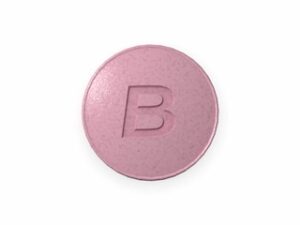
Ovral (Ethinyl Estradiol / Norgestrel) – Patient Information (Australia)
Ovral is a combined oral contraceptive medicine containing two hormones: ethinyl estradiol and norgestrel. It is used to prevent pregnancy and can also help regulate certain menstrual symptoms in some people. This page provides clear, patient-friendly information about how Ovral works, how to take it, what to expect, and when to seek medical advice.
Always read the consumer medicine information (CMI) leaflet provided with your product and follow the instructions from your healthcare professional.
Key Product Information
| Product name | Ovral |
|---|---|
| Active ingredients | Ethinyl estradiol + Norgestrel |
| Type of medicine | Combined oral contraceptive (COC) |
| Common formulation | Oral tablet (often taken daily) |
| Main uses | Contraception (pregnancy prevention); may help regulate cycle-related symptoms |
| Typical regimen | Daily dosing with a planned break or placebo period depending on pack instructions |
Note: Pack sizes and specific dosing schedules can vary. Follow the exact instructions on your Ovral pack.
How Ovral Works (Mechanism of Action)
Ovral works primarily by preventing ovulation. It also changes cervical mucus and alters the endometrium (the lining of the uterus) to make pregnancy less likely. Together, these actions reduce the chance that sperm will reach an egg and reduce the chance of implantation if fertilisation occurs.
- Prevents ovulation: The combined hormones suppress the hormonal signals needed for the ovaries to release an egg.
- Thickens cervical mucus: This makes it more difficult for sperm to pass through the cervix.
- Alters endometrial stability: Changes in the uterine lining may reduce the likelihood of implantation.
Pharmacokinetics (What the Body Does to the Medicine)
“Pharmacokinetics” describes how the body absorbs, distributes, metabolises, and eliminates medicines. While exact values can vary between individuals, the general patterns for combined oral contraceptives include:
- Absorption: Ethinyl estradiol and progestin (norgestrel component) are absorbed from the gastrointestinal tract after oral dosing.
- Distribution: Both hormones bind to plasma proteins, which influences how much active drug circulates.
- Metabolism: Metabolism occurs primarily in the liver. Ethinyl estradiol undergoes extensive metabolism (including conjugation and other pathways).
- Elimination: Metabolites are excreted mainly via urine and faeces. The hormones may persist for several days depending on metabolism and individual factors.
If you miss tablets, illness affects absorption (e.g., severe vomiting or diarrhoea), or you take certain interacting medicines, effective hormone levels can drop—reducing contraceptive reliability.
Typical Use and Timing
Ovral is taken as a daily oral contraceptive. You begin according to the regimen in your pack and you should aim to take each tablet at about the same time every day. Consistency helps maintain hormone levels and reduces the chance of breakthrough bleeding or missed-dose failures.
When to start
- Quick-start options: Some people start immediately if certain pregnancy exclusions are possible. Your prescriber or pharmacist may advise a starting method based on your cycle and timing.
- Day-of-cycle start: Many packs are designed to start on day 1 of your period or after bleeding begins (depending on the regimen).
- Postpartum or post-birth: Timing after childbirth matters. Breastfeeding and clot risk factors can affect suitability and start date.
How long until it’s effective?
Ovral effectiveness depends on when you start and whether you take tablets correctly. If starting not on the first day of bleeding, you may need additional contraception (e.g., condoms) for a period specified in the CMI. If you’re unsure, ask your pharmacist.
Missed tablets: practical timing guidance
If you miss a tablet, take it as soon as you remember, even if that means taking two tablets in one day (only if that matches the CMI instructions for your pack). The risk of pregnancy increases when you miss tablets or miss consecutive days.
- Follow the pack’s missed-dose instructions: Different COC regimens have different thresholds.
- Use backup contraception: If advised by the CMI, use condoms until you have taken active tablets correctly for the required duration.
- Consider emergency contraception: If unprotected sex occurred during a window of missed tablets, emergency contraception may be appropriate.
Food Interactions
In general, most combined oral contraceptives can be taken with or without food. However, certain situations require attention:
- Vomiting or severe diarrhoea: If you vomit shortly after taking a tablet, your body may not absorb it fully. Follow the CMI advice as if you missed a dose.
- Grapefruit and herbal “detox” products: These are not always straightforward interactions like with some medicines, but supplements may affect hormone metabolism. Avoid unverified herbal products unless a pharmacist confirms they are safe with your COC.
If you experience persistent stomach upset, discuss it with a healthcare professional to confirm whether your protection is affected.
Alcohol and Medicine Interactions
Alcohol generally does not directly “cancel out” combined oral contraceptives in the way some drug interactions do. However, heavy drinking or binge alcohol use can increase:
- Missed doses (forgetting tablets)
- Vomiting (reducing absorption)
- Poor adherence (leading to hormone level drops)
For most people, occasional moderate alcohol use does not pose a major interaction risk. Still, if you drink to the point of vomiting or forgetting doses, treat it as a missed tablet situation.
Drug interactions are more important than alcohol. See the next sections for interactions with specific medicines that can reduce contraceptive effectiveness.
Indications (What Ovral is Used For)
Ovral is indicated for:
- Contraception: Preventing pregnancy when taken correctly.
- Cycle-related symptom support: In some people, combined oral contraceptives can help with regularity of bleeding and can reduce some hormone-related symptoms (as advised by a clinician).
Ovral is not intended to protect against sexually transmitted infections (STIs). Condoms may still be recommended for STI prevention.
Dosing Instructions (How to Take Ovral)
Ovral tablets are typically taken once daily. The exact number of tablets per cycle and any break/placebo period depend on your pack. Always follow the dosing schedule provided on your specific product.
General dosing principles
- Take one tablet each day: Choose a time you can reliably remember (e.g., evening with a routine).
- Keep the schedule: Taking at similar times helps reduce breakthrough bleeding and maintains effectiveness.
- Start and continue correctly: Don’t stop early unless instructed by a healthcare professional.
- Use backup if required: Backup contraception may be needed if starting off-cycle or missing tablets.
If you miss a dose
Missed tablets can increase pregnancy risk. Use the CMI/pack instructions for your specific Ovral regimen. In general, you may be advised to:
- Take the most recent missed tablet as soon as you remember.
- Continue the remaining tablets at the usual time.
- Use condoms/backup contraception for a specified number of days.
- Consider emergency contraception if unprotected sex occurred in the relevant window.
If you have missed tablets and have concerns, contact your pharmacist for individual guidance.
Safety Profile and Important Warnings
Like all medicines, Ovral can cause side effects. Most are mild and improve over time, but some symptoms require urgent attention. Combined oral contraceptives may increase the risk of blood clots in certain circumstances.
Common side effects
- Nausea or mild stomach upset
- Headache
- Breast tenderness
- Changes in bleeding pattern (e.g., spotting or breakthrough bleeding, especially in the first months)
- Mood changes
- Changes in libido
Serious risks (seek urgent medical advice)
Stop the medicine and seek urgent medical assistance if you develop signs of a possible blood clot or severe reaction. These include:
- Leg symptoms: pain, swelling, warmth, or redness in one leg
- Chest symptoms: sudden shortness of breath, chest pain, coughing blood
- Stroke-like symptoms: sudden weakness/numbness on one side, trouble speaking, facial drooping
- Severe abdominal pain or severe unexplained symptoms
- Vision changes or severe migraine with neurologic symptoms
- Jaundice: yellowing of skin/eyes, dark urine
Who may need extra caution or should avoid combined pills
Suitability depends on your individual health history. Combined oral contraceptives may be unsuitable if you have certain conditions or risk factors, such as:
- A personal history of blood clots (venous thromboembolism) or certain clotting disorders
- Uncontrolled high blood pressure
- Known or suspected pregnancy
- Some types of migraine (especially migraine with aura)
- Liver disease
- Breast cancer or a history of hormone-sensitive cancers
- Smoking, particularly if you are older (risk increases with age and number of cigarettes)
If you have any of these risk factors, discuss safer alternatives with your pharmacist or doctor.
Medicine Interactions (Including Enzyme Inducers)
Some medicines can reduce the effectiveness of combined oral contraceptives by increasing hormone metabolism in the liver. Others can change bleeding patterns or increase hormone side effects.
Common interaction categories to be aware of:
- Enzyme-inducing medicines (often reduce contraceptive reliability): certain antiepileptics, some tuberculosis medicines, and some HIV medicines.
- Herbal products such as St John’s wort (may reduce effectiveness).
- Some antibiotics/antifungals: most do not reduce COC effectiveness significantly, but specific products and individual factors may require advice.
- Medications affecting liver function may change hormone levels.
Always provide a complete list of medicines to your pharmacist, including over-the-counter products and supplements. This helps ensure the safest contraceptive plan.
Practical Use Tips (Help Getting the Best Results)
- Choose a reminder routine: Take your tablet at the same time daily (e.g., after brushing teeth, with dinner).
- Set alarms: Many missed-dose problems are simply timing errors.
- Plan for travel: Keep tablets in original packaging and carry them with you.
- Keep an eye on bleeding changes: Spotting can happen early on; it often settles within a few cycles. Persistent heavy bleeding needs assessment.
- Use backup if you’re unwell: Vomiting/diarrhoea may impair absorption; treat as missed dose per CMI instructions.
- Use condoms for STI protection: Oral contraception does not protect against STIs.
Alternative Options
Depending on your needs, there are several alternative contraception options available in Australia, including:
Other hormonal methods
- Other combined oral contraceptives (different estrogen/progestin combinations)
- Progestogen-only pills (POPs)
- Contraceptive patch (combined hormones)
- Contraceptive vaginal ring (combined hormones)
- Long-acting reversible contraception (LARC):
- Hormonal intrauterine system (IUS)
- Hormonal implant
- Copper intrauterine device (IUD)
Non-hormonal methods
- Barrier methods (condoms, diaphragms)
- Fertility awareness methods (require training and consistent monitoring)
If you experience side effects, adherence concerns, or have risk factors for clotting, a different method may be safer or more suitable. A pharmacist or GP can help you compare options.
Ovral in the Australian Market: Legal/Regulatory Context & Recent Guidance
In Australia, contraceptive medicines are regulated under the national medicines framework and must be supplied in accordance with Australian law. Ovral availability can vary by brand supply, pharmacy stock, and the product’s listing status at the time of purchase.
Recent guidance themes in Australia and internationally have included:
- Individualised risk assessment for combined oral contraception, especially regarding blood clot risk and migraine history.
- Clear counselling on missed doses and when backup contraception is needed.
- Attention to drug interactions, particularly with enzyme-inducing medicines and herbal products.
- Encouraging STI protection advice alongside contraception.
If you are unsure whether Ovral remains appropriate for you, discuss your personal risks and benefits with a healthcare professional.
Delivery and Availability (Online Pharmacy)
Availability of Ovral tablets may depend on current supply in Australia. When ordering online, your chosen pharmacy may:
- Confirm stock availability before dispatch
- Use standard delivery services to your nominated address
- Provide tracking information where available
Delivery considerations:
- Ensure your delivery address is correct.
- Some delivery services may require a signature.
- Store tablets as directed on the pack (typically at room temperature and away from moisture/heat).
If you need the medicine urgently or have concerns about timing, contact customer support to discuss dispatch times.
Frequently Asked Questions (FAQ)
1) How effective is Ovral when taken correctly?
Combined oral contraceptives are highly effective when taken consistently and correctly. Effectiveness drops when doses are missed, delayed, or affected by vomiting/diarrhoea or interacting medicines. For personal advice on effectiveness in your situation, speak with a pharmacist.
2) What should I do if I miss tablets?
Check the missed-dose instructions in your Ovral pack/CMI. In general, take the missed tablet(s) as instructed and use backup contraception for a specified time. If unprotected sex occurred during the period of missed tablets, consider emergency contraception and ask a pharmacist for guidance.
3) Will I get my period?
Many people have regular bleeding during the scheduled break/placebo days. Some may experience spotting or lighter-than-usual bleeding. If you have missed tablets or unusual bleeding persists, seek advice.
4) Can I take Ovral with other medicines?
Some medicines interact with combined oral contraceptives, potentially reducing effectiveness. Tell your pharmacist about all medicines (including herbal products and supplements). If you start a new medicine, ask whether you need backup contraception.
5) Does alcohol stop Ovral from working?
Alcohol does not usually directly stop Ovral from working, but heavy drinking can increase missed doses or cause vomiting, which can reduce absorption. If you vomit soon after taking a tablet, follow missed-dose advice.
6) Can I breastfeed while using Ovral?
Ovral contains estrogen and may not be recommended during breastfeeding for certain time periods due to effects on milk and clot risk considerations. Discuss timing and options with a healthcare professional.
7) Are there warning signs that mean I should stop Ovral?
Yes. Seek urgent help if you develop signs of blood clots (such as leg swelling/pain, chest pain, sudden shortness of breath, stroke-like symptoms), severe abdominal pain, jaundice, or severe migraine with neurological symptoms.
8) What if I get severe headaches on Ovral?
Mild headaches can occur. However, new severe headaches, especially migraine with aura, require medical review. Do not ignore sudden changes in headache pattern.
9) Can Ovral be used to treat acne or PMS?
Some combined oral contraceptives can help certain hormone-related skin or cycle symptoms, but suitability depends on your medical history. If acne or PMS is your main concern, ask about the most appropriate options.
10) Is Ovral the same as other brands?
Ovral contains ethyinyl estradiol and norgestrel (a progestin). Other brands may use different progestins or dosing schedules. If switching, confirm the correct regimen and missed-dose guidance.
When to Seek Medical Advice
Contact a pharmacist or healthcare professional if you:
- Have missed tablets and are unsure about backup contraception or pregnancy risk
- Have persistent abnormal bleeding or severe cramps
- Develop symptoms of a possible blood clot
- Start new medicines or herbal products
- Experience severe vomiting/diarrhoea
- Have new migraines, vision changes, or neurological symptoms
Your safety and contraceptive effectiveness depend on using Ovral correctly and reviewing interactions. If you have questions, a pharmacist can help you make an informed plan.