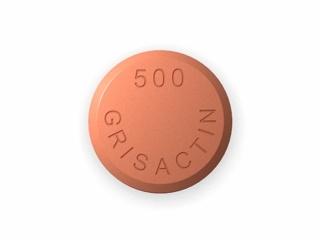
Grisactin (Griseofulvin) – Patient Information
Grisactin contains griseofulvin, an antifungal medicine used to treat certain fungal infections of the skin, hair and nails. This guide explains what Grisactin is used for, how it works, how it’s taken, and important safety information to help you use it correctly.
If you have questions about your condition or your medicine, speak with your doctor or pharmacist. Information online can’t replace personalised advice.
Basic product information
- Medicine: Grisactin
- Active ingredient: Griseofulvin
- Medicinal form: Capsules or tablets (availability may vary by brand and strength)
- Group: Antifungal (systemic)
- Typical target: Dermatophyte (ringworm-type) fungal infections
Grisactin is generally used when a fungal infection is affecting the skin, scalp, hair, or nails and requires treatment from inside the body.
How Grisactin works (mechanism of action)
Griseofulvin works by disrupting fungal cell function, particularly in dermatophytes. It interferes with the way fungal cells form their normal structure (notably by affecting microtubules), which stops the fungus from growing and multiplying.
A key reason it can be effective for hair and nails is that griseofulvin helps stop fungal growth at the sites where keratin (hair/nails/skin surface) forms, allowing new, healthy keratin to replace infected tissue.
Pharmacokinetics (how the body handles it)
Pharmacokinetics describes how the medicine is absorbed, distributed, metabolised and eliminated. Understanding this can help explain why timing and food choices matter.
- Absorption: Griseofulvin absorption can be improved when taken with food (especially meals containing fat). This improves how much medicine reaches the bloodstream.
- Distribution: After absorption, it distributes to skin and other keratinised tissues.
- Metabolism: It is metabolised by the liver.
- Excretion: Metabolites are eliminated mainly via the body’s normal clearance pathways (including urine).
Because griseofulvin acts over time—while infected tissue is replaced by new growth—treatment often takes weeks to months depending on the infection site and severity.
What Grisactin is used for (indications)
Grisactin is used for dermatophyte infections, commonly referred to as “ringworm” infections. These include infections of:
- Scalp (tinea capitis)
- Skin (tinea corporis, tinea cruris)
- Feet (tinea pedis / athlete’s foot)
- Groin (tinea cruris / jock itch)
- Nails (onychomycosis)
It’s important to note that not all fungal infections respond to griseofulvin. For example, many yeast infections or infections caused by non-dermatophyte organisms may need different treatments.
Typical dosing and timing
Dose depends on factors such as the infection type, severity, and—if relevant—age and weight. Your pharmacist or doctor will advise the correct regimen for you.
General dosing principles
- Take as directed: Use the exact dose and schedule provided to you.
- Consistency matters: Keep taking it regularly. If you miss doses, contact your pharmacist for advice.
- Course length is often long: Skin/scalp/nail infections typically improve gradually.
When to expect improvement
- Skin infections: Improvement is often seen within 1–2 weeks, but complete resolution can take longer.
- Scalp infections: May require several weeks of treatment.
- Nail infections: May take many months because nails grow slowly.
Even if symptoms improve, it’s usually important not to stop early unless advised—stopping too soon can lead to relapse.
Food interactions and how to take Grisactin
Food can affect absorption. In many cases, taking griseofulvin with food improves how well your body absorbs it.
Practical guidance
- Take with meals if possible: Many people are advised to take it with food to improve absorption.
- Use a routine: Choose a mealtime that fits your day (for example, breakfast or dinner) and take it consistently.
- Follow your label instructions: Different formulations may have specific directions.
If you have gastrointestinal side effects (such as nausea or stomach upset), tell your pharmacist. They can suggest strategies such as taking with a larger meal (if appropriate) or adjusting how the dose is taken within the instructions.
Alcohol and medicine interactions
Griseofulvin is metabolised by the liver. Alcohol and some medicines can increase liver strain or change how medicines work.
Alcohol
- Avoid or limit alcohol: It’s generally best to minimise alcohol while taking griseofulvin, especially if you have liver problems, elevated liver enzymes, or other risk factors.
- Stop and seek advice if concerned: If you develop symptoms that could indicate liver issues (see Safety Profile), contact a healthcare professional promptly.
Medicine interactions (important)
Tell your pharmacist about all medicines and supplements you take, including:
- Prescription medicines
- Over-the-counter products
- Herbal supplements (for example, St John’s wort)
- Vitamin or mineral products
Griseofulvin can interact with medicines that are processed by the liver and can affect levels of some drugs. Interactions may include:
- Oral contraceptives (the pill): Some antifungals and enzyme-inducing medicines can reduce contraceptive effectiveness. Discuss contraception reliability with your pharmacist.
- Warfarin or other blood thinners: Changes in liver metabolism can affect clotting control.
- Medicines for epilepsy (anticonvulsants): Some combinations can alter medicine levels.
- Some antidepressants and other chronic medicines: Potential metabolism changes may require monitoring.
- Other antifungals: Combining antifungals should be guided by a clinician.
Because interaction patterns can be complex, do not start or stop other medicines while taking Grisactin without checking first.
Safety profile and side effects
Like all medicines, Grisactin can cause side effects. Not everyone experiences them, and many are manageable. Below is a patient-friendly overview.
Common side effects
- Nausea, indigestion, or stomach upset
- Headache
- Dizziness
- Fatigue
- Skin rash or itching (sometimes)
- Sensitivity to sunlight (in some people)
Serious side effects – get medical help urgently
Seek urgent medical attention or contact a healthcare professional promptly if you notice:
- Signs of liver problems: yellowing of the skin/eyes (jaundice), dark urine, severe tiredness, persistent nausea/vomiting, pain in the upper right abdomen
- Severe allergic reaction: swelling of the face/lips, breathing difficulty, widespread hives
- Severe skin reactions: blistering, peeling skin, sores in the mouth or eyes
- Unusual bleeding or bruising (especially if you take blood thinners)
- Persistent or worsening symptoms despite adherence
Who should use extra caution?
- People with liver disease or previous abnormal liver tests
- Those taking multiple medicines that may affect the liver
- People with a history of drug allergies
- Children and adolescents—doses and monitoring are particularly important
- Older adults, especially if they have multiple medications (polypharmacy)
Monitoring
Depending on the dose and duration, a clinician may request blood tests (for example, liver function tests). This is especially relevant for longer courses or higher-risk patients.
Practical use tips for better outcomes
Successful treatment of fungal infections often depends on more than the medicine alone. These practical tips can improve outcomes and reduce recurrence.
Take your medicine correctly
- Take Grisactin at the same time each day.
- Take it with food if that’s how your product instructions advise.
- Don’t stop early when you feel better—complete the full course.
Support skin and hygiene measures
- Keep affected areas clean and dry.
- Wash hands after touching infected areas to avoid spreading.
- Change towels and socks regularly; don’t share personal items.
- Clean footwear and consider rotating shoes to reduce moisture.
Nail infection tips
- Trim nails carefully (if appropriate) and keep them dry.
- Recognise that nails take time to grow out—visible improvement may lag behind symptoms.
Scalp infection tips
- Follow any additional instructions such as antifungal shampoo (if advised).
- Check close contacts if there’s ongoing spread.
Missed dose advice
If you miss a dose, take it as soon as you remember unless it’s close to your next scheduled dose. In that case, skip the missed dose and continue your routine.
Avoid taking a double dose to catch up. If you’re unsure, ask your pharmacist for advice.
Alternative options for fungal infections
The best treatment depends on the infection type (dermatophyte vs yeast), site (skin, scalp, nails), and severity. Alternatives may include other oral or topical antifungals.
Common alternatives (examples)
- Topical antifungals: creams, gels, sprays and ointments (often used for limited skin infections)
- Other oral antifungals: may be considered for scalp/nail infections depending on the organism and clinical factors
- Adjunctive therapies: antifungal shampoos for scalp, debridement strategies for nails (where appropriate)
A clinician may also consider how long you’ve had the infection, prior treatments, and any interactions with your current medicines. For nail infections in particular, treatment choice can affect duration and likelihood of cure.
Market and legal context in Australia (overview)
In Australia, access to medicines depends on how they are classified under the Australian Therapeutic Goods Administration (TGA) and their scheduling under the Poisons Standard. Supply conditions may vary by product and strength.
Grisactin is an established antifungal medicine and has been used for many years in Australia. Availability can differ between pharmacies and may depend on current stock levels and formulation strengths.
If you’re purchasing or arranging supply, your pharmacist can confirm whether the product is currently stocked, whether an alternative brand or strength is available, and any needed instructions.
Recent guidance and best-practice considerations
Guidance for dermatophyte infections typically emphasises:
- Confirming the diagnosis where possible (especially for scalp and nail infections)
- Choosing the right medicine for the site and likely organism
- Completing the full course to reduce relapse
- Monitoring safety in people at higher risk (for example, longer treatment courses)
- Managing household spread through hygiene and treatment of close contacts when needed
Your pharmacist can provide guidance on product directions, adherence, and whether any additional topical therapy or non-medicine measures are recommended for your specific condition.
Delivery and availability (Australia)
Availability of Grisactin products may vary. We recommend checking with your online pharmacy for the current in-stock status of your preferred strength and form.
Delivery options often include standard and express services, with tracking available for eligible deliveries. To avoid delays, ensure your delivery details are correct and that someone can receive the parcel if required.
What to expect
- Stock checks: If a specific strength or brand isn’t immediately available, a pharmacist may suggest alternatives.
- Packaging: Medicines are supplied in compliant pharmacy packaging.
- Use-by dates: Check the label for expiry information.
Grisactin – quick reference
| Topic | Key points |
|---|---|
| What it treats | Dermatophyte fungal infections of skin, scalp, hair and nails |
| How it works | Stops fungal growth and helps new healthy keratin replace infected tissue |
| When it works | Gradual improvement; nails/scalp can take weeks to months |
| How to take | Follow your instructions; take with food if advised (often improves absorption) |
| Alcohol | Best to avoid or limit alcohol; reduces additional liver stress |
| Interactions | May interact with other liver-metabolised medicines and some contraceptives/blood thinners |
| Safety | Watch for liver issues, allergic reactions, severe skin reactions |
FAQ about Grisactin (Griseofulvin)
1) Is Grisactin the same as topical antifungal creams?
No. Grisactin is taken systemically (by mouth) and is used for infections that may require internal treatment, especially for scalp or nail involvement. Topical creams are applied to the skin and are often used for more limited infections.
2) How long will I need to take Grisactin?
Treatment duration varies by infection site and severity. Skin infections may improve within days to weeks, while nail infections often require many months due to slow nail growth. Always follow the course length advised for you.
3) If my rash looks better, can I stop early?
Usually it’s not recommended to stop early. Symptoms may improve before the fungus is fully cleared. Stopping too soon can lead to relapse. If you’re considering stopping, talk to your pharmacist first.
4) Should I avoid sunlight while taking Grisactin?
Some people experience increased sensitivity to sunlight. It’s wise to use sun protection (clothing and sunscreen) and seek advice if you develop a rash or unusual skin reaction.
5) Can I drink alcohol while on Grisactin?
It’s generally best to avoid or limit alcohol, as both alcohol and griseofulvin can involve the liver. If you have any liver concerns, ask your pharmacist for personalised advice.
6) What medicines commonly interact with Grisactin?
Interactions can occur with medicines that affect or are affected by liver metabolism, including some oral contraceptives and blood thinners. Always tell your pharmacist about all medicines and supplements you take.
7) What should I do if I miss a dose?
Take it when you remember unless it’s nearly time for the next dose. Do not take a double dose. If you’re unsure, ask your pharmacist.
8) Is Grisactin suitable for children?
Grisactin may be used in children for certain fungal infections, but dosing and monitoring must be appropriate for age and weight. Consult your pharmacist or doctor for guidance specific to the child.
9) When should I contact a clinician urgently?
Seek urgent advice if you develop signs of liver problems (yellow skin/eyes, dark urine), severe allergic reactions, blistering/peeling skin, or breathing difficulties.
10) How can I prevent the infection coming back?
Follow hygiene measures: keep the area clean and dry, avoid sharing towels/clothing, change socks regularly, and treat any advised close contacts. Use the medicine for the full recommended course.
Important note
This page provides general information about Grisactin (griseofulvin). Individual treatment plans can vary. If you have questions about your specific condition, dose schedule, or side effects, speak with your pharmacist or doctor.