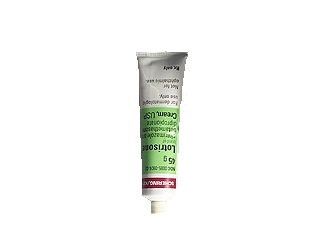
Betamethasone / Clotrimazole: Cream Information (Australia)
Betamethasone / Clotrimazole is a combination medicine used to treat certain skin conditions where inflammation and a fungal infection occur together. It combines: betamethasone (a corticosteroid that reduces inflammation and itching) and clotrimazole (an antifungal that helps stop fungal growth).
This page provides patient-friendly information about what the medicine is, how it works, typical uses, how to apply it, and important safety considerations. Always follow the instructions on the product label or from your healthcare professional.
1) Basic product information
| Feature | Typical details |
|---|---|
| Common name | Betamethasone / Clotrimazole |
| Medicine type | Topical combination: corticosteroid + antifungal |
| What it helps with | Inflamed, itchy skin with fungal infection |
| Typical form | Cream (depending on brand/product) |
| Where it’s used | Skin only (not for eyes or internal use) |
Note: Different brands may contain slightly different strength concentrations. Check the exact strength on your product packaging.
2) How it works: mechanism of action
This medicine works by combining two complementary actions:
- Clotrimazole (antifungal): interferes with the fungal cell membrane by affecting ergosterol synthesis. This weakens the membrane and helps stop fungal growth.
- Betamethasone (corticosteroid): reduces inflammation by dampening immune and inflammatory signalling in the skin. This can rapidly relieve redness, swelling, itching and discomfort.
Because it contains both, it’s particularly useful when a fungal skin infection causes significant inflammation, and you need both antifungal and anti-inflammatory effects.
3) Pharmacokinetics (what the body does with it)
Betamethasone / clotrimazole is applied to the skin. Because it’s topical, only a small amount may be absorbed into the body under typical use. Absorption can increase if:
- Large areas are treated
- The medicine is used under tight dressings or occlusion
- Applied to broken, inflamed, or very thin skin
- Used for longer than recommended
Once absorbed, betamethasone is metabolised in the liver and eliminated mainly via the kidneys and bile. Clotrimazole is also metabolised in the liver. For most people using it as directed on intact skin, systemic absorption is low.
If you are treating sensitive areas (such as face, groin, armpits) or using it on children, absorption can be higher—so the duration and amount matter.
4) Typical use and indications (what it’s for)
Betamethasone / clotrimazole is commonly used for skin conditions where a fungal infection is present along with significant inflammation, for example:
- Tinea (ringworm) or other dermatophyte infections when inflammatory features are prominent
- Candidal intertrigo (inflammation in skin folds due to Candida), especially when redness/itching is marked
- Mixed fungal and inflammatory rashes diagnosed by a clinician (or suspected based on established medical advice)
It is not intended for all rashes. If symptoms are not clearly fungal or if the cause is uncertain, the wrong treatment may delay correct care.
Important: Do not use on infected wounds, severe acne, rosacea, or viral skin conditions (such as cold sores or chickenpox) unless specifically directed by a clinician.
5) When and how to apply (timing and practical steps)
The best timing is guided by the product label and the condition being treated. Many topical steroid/antifungal combination products are applied once or twice daily. Use the directions provided with your specific brand.
Step-by-step practical use
- Wash and dry the area: Clean gently with water and pat dry. Avoid rubbing.
-
Apply a thin layer: Spread a small amount over the affected skin and a little beyond the visible edge (often called a “margin”).
- Avoid over-application—more is not necessarily better.
- Wash your hands after use: Unless the hands are the treatment site.
- Continue for the full course: Even if symptoms improve quickly, continuing helps reduce relapse.
How soon should you see improvement?
With effective treatment, inflammation and itching may start to ease within several days. However, fungal clearance can take longer. If you do not notice improvement within the expected timeframe on the label (often around 1–2 weeks for many fungal conditions), seek medical advice.
6) Dosing (typical dosing guidance)
Dosing depends on the product strength and the condition. Use the label instructions for your exact medicine.
- Typical application frequency: Usually once or twice daily.
- Typical duration: Often limited to short courses to reduce steroid-related risks.
Do not exceed the recommended frequency or duration. Using corticosteroid-containing creams for too long can worsen underlying fungal infections and increase steroid side effects.
If symptoms improve: continue as instructed, then stop when the course is complete.
If symptoms worsen or spread: stop using and seek advice—this may indicate the infection is not responding or the diagnosis may be different.
7) Food interactions
There are no known food interactions for betamethasone / clotrimazole when used as a topical skin treatment. Since systemic absorption is generally low, diet does not typically affect its activity.
However, if you are taking other medicines that interact with corticosteroids or antifungals systemically, tell your healthcare professional. This topical product usually has minimal systemic exposure when used correctly.
8) Alcohol and medicine interactions
Alcohol
No specific interaction between topical betamethasone / clotrimazole and alcohol is commonly reported. In general, alcohol does not change how this skin medicine works.
Medicine interactions
Because the product is used on the skin, clinically significant drug interactions are unlikely when applied appropriately. That said, interactions can be relevant in the context of:
- Other corticosteroid products: Using additional steroid creams or ointments at the same time can increase side effects.
- Other antifungals: Combining without advice may increase irritation and confusion about which product is effective.
- Medicines affecting immune function: If you take immune-modifying medicines, discuss skin treatment options with your healthcare professional, especially for persistent or recurrent infections.
If you are using other topical products (for acne, eczema, moisturisers, antiseptics), it helps to apply them at different times and avoid mixing directly on the same area unless advised.
9) Safety profile: who should be cautious
Betamethasone / clotrimazole is generally well tolerated when used correctly. However, as it contains a potent steroid component, safety depends strongly on correct use, duration, and the site of application.
Common side effects
- Skin irritation or burning sensation
- Redness
- Dryness or mild peeling
- Itching
Less common but important risks
- Skin thinning (atrophy) especially with prolonged use or use on thin skin areas
- Stretch marks (striae) or visible blood vessels with long-term use
- Perioral dermatitis or acne-like eruptions (more likely on the face)
- Worsening of fungal infections if the underlying cause is not fungal or treatment is too short/incorrect
- Systemic corticosteroid effects are uncommon with appropriate topical use but may occur if used extensively, under occlusion, or for long periods—especially in children
Do not use / seek advice before use if:
- You are treating eyes or eyelids
- The area is infected with bacteria unless advised
- You have a viral rash (e.g., cold sores, chickenpox)
- You are unsure of the diagnosis
- You are using it on children (extra caution is needed)
Pregnancy and breastfeeding
If you are pregnant or breastfeeding, talk to a healthcare professional before using corticosteroid-containing creams—particularly on large areas or for longer than a short course.
10) Safety tips and practical “do’s and don’ts”
- Use a thin layer: avoid heavy coatings.
- Do not cover tightly: avoid occlusive dressings unless directed.
- Limit duration: stop after the recommended treatment period.
- Avoid sensitive areas: face, groin, and armpits require extra caution.
- Keep it off broken skin: unless the label or clinician advised it.
- Hygiene matters: wash hands after applying.
- Prevent reinfection: keep skin folds dry; change clothing/underwear regularly.
If you develop severe burning, swelling, or widespread rash after applying the cream, discontinue and seek advice.
11) What to expect: duration of symptoms and relapse prevention
In many fungal/inflammatory conditions, itch and redness can improve early due to the steroid component. Even so, the fungus may take longer to fully clear.
- Early improvement: typically within several days
- Full resolution: may take 2–4 weeks depending on the organism, site, and severity
- Relapse prevention: keep the area clean and dry; continue the full course
If symptoms repeatedly return, a clinician may confirm the diagnosis (for example, via skin scraping) and consider alternative treatments.
12) Alternative options
Alternatives depend on the exact cause of your rash. Common options include:
Antifungal-only creams
- Clotrimazole cream alone
- Other topical antifungals (depending on diagnosis and availability)
Corticosteroids alone
These are usually not appropriate if a fungal infection is present, because steroids can make fungal infections worse if used without an antifungal.
Oral treatment (for selected cases)
Some fungal infections may require oral antifungal therapy under medical supervision—particularly widespread, severe, or treatment-resistant cases.
Supportive skin care
- Keeping skin folds dry
- Using breathable clothing
- Gentle cleansing and moisturising of surrounding skin (without occluding the affected area)
If your rash is not responding, or keeps coming back, it may be worth discussing whether the diagnosis is correct and whether another medicine type would be more suitable.
13) Market and legal context in Australia
In Australia, topical medicines containing corticosteroids and antifungals may be supplied as regulated products depending on their ingredients, strength, and intended use. Availability can vary by brand and formulation, including differences in pack size and scheduling requirements.
As with all medicines, products are required to meet applicable standards for quality, safety, and labelling. Always ensure you are using an Australian-approved product and check the dosage instructions specific to the brand you receive.
If you have recurring or unclear skin symptoms, clinical guidance is recommended to confirm the cause, particularly because some rashes can mimic fungal infections.
14) Recent guidance (general clinical approach)
While specific recommendations can vary by condition and individual risk factors, recent clinical practice commonly emphasises:
- Confirming the diagnosis when symptoms do not improve as expected
- Limiting steroid exposure to the shortest effective duration, especially on sensitive areas
- Avoiding steroid-containing creams when a fungal diagnosis is uncertain
- Monitoring for recurrence and addressing hygiene and moisture control to prevent reinfection
If you are using this medicine and symptoms worsen, spread, or do not improve within the expected period, seek advice promptly.
15) Delivery and availability (online pharmacy in Australia)
Betamethasone / Clotrimazole creams are typically stocked by online pharmacies and can be delivered across Australia, subject to product availability and local delivery services.
- Delivery times: vary by state and courier; check the checkout page for estimates.
- Product packs: availability may vary by brand and strength.
- Cold chain: usually not required for creams stored at room temperature (follow label storage instructions).
For best results, store the cream as directed (often below a specified temperature, protected from light) and check the expiry date before use.
16) FAQ
1. Is Betamethasone / Clotrimazole suitable for all rashes?
No. It is designed for skin conditions where fungal infection and inflammation occur together. If your rash is not fungal, using this combination may not help and could delay correct treatment.
2. How long should I use it?
Follow the duration on the product label. Because it contains a steroid, the course is usually limited. If you are not improving within the expected timeframe, seek advice.
3. Can I apply it to the face, groin or underarms?
These are sensitive areas and may absorb more of the steroid. Use only if the label or a clinician says it’s appropriate for that site, and keep duration short.
4. Will it stop itching immediately?
Many people notice reduced itch and redness within several days, largely due to betamethasone. Full clearance of the fungal infection can take longer, so don’t stop early.
5. What if my symptoms get worse after starting?
Discontinue and seek advice. Worsening may indicate the rash is not fungal, the wrong condition is being treated, or you need alternative therapy.
6. Is it safe to use if I’m pregnant or breastfeeding?
Safety depends on the area treated, the duration, and your circumstances. Discuss with a healthcare professional—especially if treating large areas or using for more than a short course.
7. Can I use moisturiser at the same time?
It’s often best not to mix products directly on top of each other. If moisturiser is needed, apply moisturiser at a different time of day and keep the treated area clean and dry.
8. What should I do to prevent it coming back?
Keep skin folds dry, change clothing regularly, avoid sharing towels, and maintain good hygiene. If recurrences are frequent, you may need confirmation of the diagnosis or longer-term prevention advice.
9. Are there any alcohol interactions?
No specific alcohol interaction is commonly expected with this topical medicine. If you have other medicines or health conditions, check with a healthcare professional if you’re unsure.
10. When should I see a doctor urgently?
Seek prompt medical attention if you develop severe swelling, blistering, widespread rash, signs of bacterial infection (such as pus or rapidly spreading pain), or if the rash is near the eyes.
Summary: Betamethasone / Clotrimazole is a combination cream used for fungal skin infections with inflammation. It works by combining an antifungal and a corticosteroid. Use as directed, apply a thin layer, avoid sensitive areas and prolonged use, and seek advice if you are not improving.