Rebetol (Ribavirin) — Patient Guide (Australia)
Rebetol is a brand of ribavirin, an antiviral medicine used in the treatment of certain viral infections. In Australia, ribavirin is commonly used as part of combination antiviral therapy for specific conditions. This page provides patient-friendly information about how ribavirin works, how it behaves in the body, what it is used for, and practical safety tips for everyday use.
Please note: individual treatment plans depend on your condition, your other medicines, and your blood test results. Always follow the directions provided by your treating clinician and the medicine label.
Basic product information
| Feature | Details |
|---|---|
| Brand name | Rebetol |
| Active ingredient | Ribavirin |
| Medicine type | Antiviral (nucleoside analogue) |
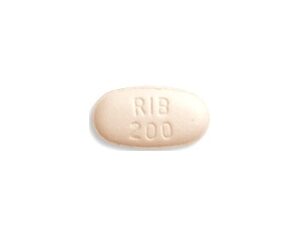
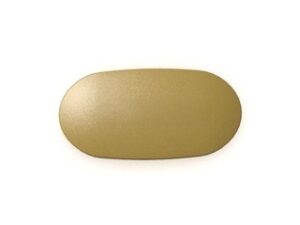
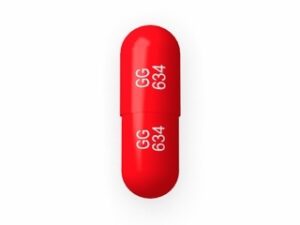
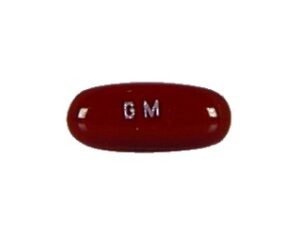
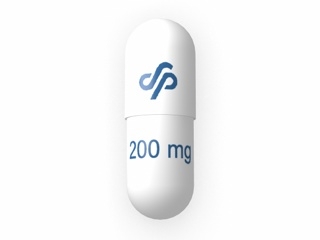
| Common formulation | Oral capsules or tablets (strength and availability vary by product listing) |
| How it is used | Usually in combination with other antivirals/therapies for certain viral infections |
| Key safety considerations | Anemia risk, pregnancy prevention requirements, and interactions with certain medicines |
What ribavirin does (mechanism of action)
Ribavirin is a synthetic nucleoside analogue. While the full details of its antiviral activity are complex and depend on the virus, ribavirin helps interfere with viral replication.
Key actions include:
- Inhibiting viral RNA/DNA synthesis by interfering with nucleoside metabolism.
- Reducing the availability of building blocks needed for the virus to multiply.
- Altering viral replication dynamics, making it harder for viruses to reproduce successfully.
Because ribavirin is often used with other antiviral medicines, your combined regimen is designed to target the virus at more than one point in its lifecycle.
Pharmacokinetics: how ribavirin is absorbed and processed
“Pharmacokinetics” describes what the body does to a medicine (absorption, distribution, metabolism, and elimination).
Absorption
- Ribavirin is taken by mouth and is absorbed from the gastrointestinal tract.
- Food can influence the rate and extent of absorption for some formulations.
Distribution
- Ribavirin distributes throughout the body, including into tissues.
- It can accumulate inside cells; this matters for how quickly ribavirin levels rise and how long effects may last after stopping.
Metabolism
- Ribavirin is metabolised mainly through pathways involving phosphorylation and other metabolic steps.
- It is not typically metabolised like many liver-based drugs, so kidney function is particularly important.
Elimination
- Ribavirin is eliminated primarily via the kidneys.
- Long half-life: ribavirin can remain in the body for a prolonged time, meaning side effects and precautions (including reproductive precautions) may need to continue after treatment ends.
Your clinician may monitor blood tests during therapy because ribavirin can affect blood counts, particularly red blood cells.
What Rebetol is used for (indications)
Rebetol (ribavirin) is indicated for use in specific viral infections, most notably in combination regimens for certain types of hepatitis. The exact indications and combination partners can vary depending on local guidelines and product availability.
In general, ribavirin is used to help treat chronic hepatitis in combination with other antiviral medicines, depending on:
- the type of virus causing the hepatitis
- the genotype or viral profile (where relevant)
- your previous treatment history
- baseline blood counts and kidney function
- the specific regimen recommended in clinical guidance
If you are unsure whether ribavirin is appropriate for you, check your regimen details and ask your clinician or pharmacist to explain the plan.
Typical dosing (how to take Rebetol)
Doses vary based on your condition, the combination regimen, body weight (in some regimens), kidney function, and blood test results. Do not adjust your dose without medical advice.
General principles
- Ribavirin is usually taken twice daily (morning and evening) when used in many common regimens.
- It is important to maintain consistent dosing to keep antiviral activity at effective levels.
- If side effects occur, clinicians may reduce dose or pause treatment depending on severity and blood results.
Timing
- Take doses at approximately 12-hour intervals if your regimen is twice daily.
- Try to take each dose at the same times each day to improve adherence.
If you miss a dose
- If you remember soon after the missed dose, take it as directed for your schedule.
- If it’s nearly time for the next dose, skip the missed dose and continue your normal schedule.
- Do not take double doses to make up for a missed dose.
For individual advice, consult your pharmacist—especially if you repeatedly miss doses.
Food interactions and what to eat
Food can affect how ribavirin is absorbed depending on the formulation and individual response. Many patients are advised to take ribavirin with food to improve tolerability and reduce stomach upset.
Practical advice:
- Take each dose with a meal or light snack if this is how your regimen has been prescribed.
- Avoid sudden dietary changes during therapy. If you need to make changes (e.g., due to nausea or appetite changes), discuss with your clinician.
- If you experience persistent gastrointestinal symptoms, your pharmacist can advise on strategies (for example, timing with meals).
Discuss any special diets or swallowing difficulties with your clinician/pharmacist, as the exact product formulation matters.
Alcohol and medicine interactions
Alcohol
Alcohol is generally discouraged during antiviral hepatitis treatment because it can worsen liver stress and complicate overall safety. If you have liver disease, even moderate alcohol may increase risks.
- Best approach: avoid alcohol while taking ribavirin and for as long as your clinician advises.
- If you drink alcohol, discuss the safest amount with your treating team.
Interactions with medicines
Ribavirin can interact with other medicines. Important interaction risks may include effects on blood counts, kidney function, or antiviral effectiveness.
Tell your pharmacist or clinician about all medicines you take, including:
- prescription medicines
- over-the-counter (OTC) products
- vitamins, supplements, and herbal remedies
- new medicines started during treatment
Examples of medicine interaction categories that may be relevant include:
- Medicines affecting blood counts (e.g., those that also lower red blood cells or affect marrow function)
- Medicines that rely heavily on the kidneys for clearance
- Antacids and acid reducers (in some cases, these can influence ribavirin absorption—ask your pharmacist)
- Other antivirals used in combination regimens (your regimen is designed carefully, but changes should only be made with guidance)
Because interaction details depend on the exact partner medicines in your regimen and your health profile, it is safest to review your medicine list with your pharmacist at the start of therapy.
Safety profile: what to watch for
Ribavirin can cause side effects. Some are common and expected; others are more serious and require urgent medical attention. Monitoring with blood tests is a key part of safe use.
Common side effects
- Fatigue
- Headache
- Nausea or stomach upset
- Decreased appetite
- Hair thinning (may occur in some combination regimens)
- Insomnia or mood changes
Important blood-related risk: anaemia
Ribavirin is well known for increasing the risk of anaemia (a reduction in red blood cells). Anaemia can cause:
- shortness of breath
- unusual tiredness
- dizziness
- palpitations
Your clinician may monitor blood counts regularly and adjust dosing if needed.
Reproductive safety (pregnancy and contraception)
Ribavirin can cause serious harm to an unborn baby. Strict pregnancy prevention measures are required for patients and partners who could become pregnant.
- Do not become pregnant during treatment.
- Use effective contraception during therapy and for a period after stopping, as advised by your clinician.
- If pregnancy occurs, seek immediate urgent medical advice.
Because ribavirin remains in the body for a prolonged time, the “after treatment” contraception period is essential—follow your clinician’s instructions carefully.
Kidney function and dosing adjustments
Since ribavirin is eliminated through the kidneys, people with reduced kidney function may have higher ribavirin levels and a higher risk of side effects. Your clinician may:
- check kidney function before and during treatment
- adjust dose depending on results
- monitor more closely if kidney function changes
When to seek urgent help
Contact medical services urgently or seek immediate advice if you experience:
- chest pain, severe breathlessness, or fainting
- signs of severe allergic reaction (swelling of face/lips, difficulty breathing)
- severe weakness or rapidly worsening symptoms
- thoughts of self-harm or severe mood changes (especially if accompanied by confusion or agitation)
If you are ever unsure, it’s safer to seek advice promptly.
Practical use tips for everyday life
- Keep a medication schedule: use reminders on your phone or a printed timetable.
- Take with food if advised: this can improve tolerability.
- Attend monitoring appointments: blood tests help detect anaemia or other changes early.
- Stay hydrated: dehydration can worsen overall wellbeing during treatment.
- Plan for fatigue: consider reducing strenuous activities and allowing rest time.
- Use gentle skin and eye care: if dryness or irritation occurs, ask a pharmacist about suitable products.
- Report side effects early: do not wait until symptoms become severe.
- Keep a current list of medicines: bring it to pharmacy appointments to review interactions.
If you vomit shortly after taking a dose, ask your pharmacist whether the dose should be repeated—this depends on timing and your regimen.
Alternative options
“Alternative” can mean either different ribavirin brands or different antiviral combinations. Depending on the viral infection and current clinical guidelines, treatment may include other medicines that do not require ribavirin or that use different safety profiles.
Options your clinician may consider can include:
- Other antiviral regimens for your specific viral genotype and treatment history
- Ribavirin dose adjustments rather than complete stopping if side effects occur (where appropriate)
- Supportive treatments for anaemia symptoms (as part of medical care)
Because eligibility depends on your diagnosis and local guidelines, ask your clinician/pharmacist what alternatives are available for your situation in Australia.
Australia: market and legal context, and recent guidance
Medicines availability and prescribing practices in Australia are governed by the Therapeutic Goods Administration (TGA) and the requirements of the Australian regulatory and clinical framework. Antiviral regimens for hepatitis are also shaped by evolving clinical evidence and specialist guidance.
In recent years, treatment approaches for hepatitis have continued to evolve with improved antiviral options and regimen choices. Your clinician will select the safest, most effective regimen for your specific viral type, prior treatment history, and health conditions.
If you want to understand the latest clinical recommendations relevant to your infection, your treating team can provide the most current guidance tailored to you. Pharmacy teams can also help explain availability and what monitoring will involve.
Delivery and availability (Australia)
Availability of Rebetol may vary by supplier and stock levels. Where available through online pharmacy services, delivery options typically include standard and express shipping.
- Dispatch times: depend on stock confirmation and order volume.
- Delivery timeframes: vary by location within Australia and courier service.
- Packaging: medicines are generally dispatched in protective packaging to maintain product integrity.
For your safety, online pharmacy listings should clearly state product strength, pack size, and any storage instructions. If you have questions about the specific pack you will receive, contact customer support or ask your pharmacist.
Frequently Asked Questions (FAQ)
1) How long does treatment with ribavirin usually take?
Treatment duration depends on your condition and the full combination regimen. Some regimens are measured in weeks, while others may be longer depending on viral characteristics and your response to therapy. Your clinician will provide a tailored duration plan.
2) Can I stop Rebetol early if I feel better?
Do not stop early without medical advice. Viral infections can relapse if therapy is interrupted. If side effects are difficult, speak with your clinician—dose adjustments or supportive care may be possible.
3) What blood tests are monitored during ribavirin therapy?
Monitoring commonly includes blood counts to check for anaemia and other abnormalities, as well as kidney function. Additional tests may be required depending on your regimen and overall health.
4) Does ribavirin cause fatigue?
Fatigue is a common side effect. It can also overlap with symptoms from the underlying condition. If fatigue becomes severe, talk to your clinician—anaemia and other factors may be contributing.
5) Can I take ribavirin with other medicines for colds or pain?
Some OTC medicines may be safe, but others can interact or affect your liver/kidneys. It’s best to check with your pharmacist before starting new OTC products, including herbal supplements.
6) Is it okay to drink alcohol while on ribavirin?
Alcohol is generally discouraged during treatment for viral hepatitis due to potential liver stress. Avoiding alcohol is the safest approach unless your clinician advises otherwise.
7) What should I do if I feel depressed or unusually anxious?
Mood changes can occur during antiviral therapy. Seek prompt medical advice, especially if you have thoughts of self-harm or feel unable to cope. Your health professional can assess causes such as anaemia, stress, or medication effects.
8) How should I store Rebetol?
Store the medicine according to the instructions on the pack. Keep it in a safe place away from children and protect from excessive heat or moisture as directed.
9) If I miss a dose, what’s the correct action?
If you miss a dose, take it when you remember unless it’s close to the next dose. Don’t take double doses. If you miss several doses, contact your pharmacist for guidance.
10) Are there pregnancy precautions for both partners?
Yes. Ribavirin requires strict pregnancy prevention measures for people who could become pregnant and for their partners. Follow the exact contraception guidance provided by your clinician, including the period after treatment ends.
Talk to a pharmacist or clinician if you have questions about your specific regimen, side effects, or medicine interactions. Safe use depends on your diagnosis, monitoring results, and all medicines you take.