
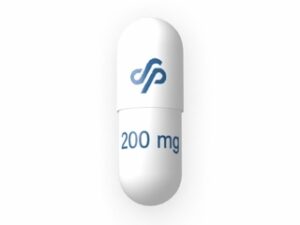

Sustiva (Efavirenz) – Patient Guide (Australia)
Sustiva is a brand of efavirenz, an antiretroviral medicine used in the treatment of HIV (human immunodeficiency virus). This guide is designed to help you understand how the medicine works, how it’s typically used, key safety points, and what to expect in daily life. Always follow your healthcare professional’s advice and read the consumer medicine information provided with your product.
1) Basic product information
| Feature | Details |
|---|---|
| Active ingredient | Efavirenz |
| Brand name | Sustiva |
| Medicine class | Non-nucleoside reverse transcriptase inhibitor (NNRTI) |
| Typical dosing form (commonly) | Oral tablets or capsules (varies by local supply) |
| Usual dosing frequency | Once daily |
| Common reason for use | Part of combination antiretroviral therapy for HIV |
Important: Efavirenz is usually taken as part of a combination regimen (for example, with other HIV medicines). Using one medicine alone is not effective and can increase the risk of resistance.
2) What Sustiva does (mechanism of action)
Efavirenz belongs to the NNRTI class. HIV relies on an enzyme called reverse transcriptase to convert its genetic material into DNA inside your body. Efavirenz binds to reverse transcriptase and blocks its activity, helping to reduce the virus’s ability to replicate.
When combined with other antiretroviral medicines, this helps lower viral load and improves immune function over time.
3) Pharmacokinetics (how the body handles efavirenz)
Pharmacokinetics describes what happens to a medicine in the body—how it is absorbed, distributed, metabolised, and eliminated. Understanding these points can help explain timing, interactions, and side effects.
- Absorption: Efavirenz is absorbed after oral dosing. Taking it at a consistent time each day can help maintain steady drug levels.
- Distribution: It distributes widely in the body, including into tissues where HIV may replicate.
- Metabolism: Efavirenz is metabolised primarily by the liver (involves the CYP450 enzyme system, especially CYP2B6).
- Elimination: Efavirenz and its metabolites are eliminated mostly via the liver/bile pathway and through metabolism products.
- Half-life: Efavirenz has a long half-life, which supports once-daily dosing, but also means drug levels can remain for some time after stopping.
Because efavirenz has a long-lasting presence in the body, missed doses can still affect viral control and side effects over subsequent days. Regular dosing is strongly recommended.
4) Typical use and treatment goals
Sustiva (efavirenz) is used as part of combination antiretroviral therapy (cART) for adults and, in some circumstances, children/adolescents depending on local product approvals and regimen selection.
Treatment aims typically include:
- Reducing HIV to an undetectable viral load (where possible)
- Allowing immune recovery (rising CD4 cell counts)
- Preventing progression to AIDS and reducing HIV-related illness
- Minimising transmission risk through effective viral suppression (Undetectable = Untransmittable, or “U=U,” for many people under consistent suppression)
5) Indications (when Sustiva is used)
Efavirenz is indicated for the treatment of HIV infection in combination with other antiretroviral medicines. Your healthcare team will select a regimen based on factors such as prior HIV treatment history, viral resistance testing, other medical conditions, and possible drug interactions.
In some patients, efavirenz may be chosen due to its dosing convenience, effectiveness, and availability within local treatment practices.
6) Dosing and timing
General dosing principles
- Once daily: Efavirenz is commonly taken
- Consistency: Try to take it around the same time each day.
- Sleep timing is often recommended: Many people are advised to take efavirenz at bedtime to reduce the chance of daytime dizziness, sleepiness, or vivid dreams.
How to take it
- Swallow tablets/capsules whole with water (follow the product instructions).
- Do not crush or alter the dose unless your healthcare professional or the product instructions specifically allow it.
- Keep taking it even if you feel well—HIV treatment works by controlling ongoing viral replication.
If you miss a dose
If you miss a dose, take it as soon as you remember on the same day. If you only remember the next day, do not double up—return to your usual schedule. For specific guidance, refer to your medicine’s consumer information or ask your pharmacist.
Duration of therapy
Efavirenz is typically taken long-term as part of an HIV regimen. Stopping treatment or changing doses without medical advice can lead to viral rebound and resistance.
7) Food interactions (what to eat or avoid)
Food can affect how efavirenz is absorbed and may influence blood levels. Many efavirenz guidelines recommend taking it with an empty stomach or a light meal.
- Best practice: Take efavirenz at a time when your stomach is relatively empty (often before bedtime).
- Avoid heavy/fatty meals if advised: Rich or high-fat meals may increase efavirenz levels, which can increase the likelihood of side effects for some people.
- Be consistent: If your clinician or product instructions allow taking with food, try to keep the pattern consistent to minimise fluctuations.
If you have concerns about nausea or how food affects you, speak to your pharmacist or HIV clinic for personalised advice.
8) Alcohol and medicine interactions
Alcohol
Efavirenz can cause dizziness, sleepiness, and impaired concentration in some people, especially during the early weeks of treatment. Alcohol may make these effects worse.
- Consider limiting alcohol, especially when starting or adjusting therapy.
- Do not drive or operate machinery if you feel drowsy or unwell.
Other medicine interactions
Efavirenz is metabolised by liver enzymes and can also affect those enzymes, which may change levels of other medicines (and vice versa). This is one reason why your prescriber should review all medicines you take, including supplements and herbal products.
Common interaction considerations include:
- Other antiretrovirals: Regimen compatibility should be assessed by your HIV clinician.
- Hormonal contraceptives: Some interactions can reduce effectiveness; discuss reliable contraception options with your healthcare provider.
- Anticonvulsants: Some seizure medicines may alter efavirenz levels, affecting either safety or effectiveness.
- Antifungals and antibiotics: Several are known to interact with CYP enzymes; adjustments may be needed.
- Herbal products: St John’s wort (Hypericum perforatum) is strongly discouraged with many antiretrovirals because it may reduce drug levels and HIV control.
- Warfarin/anticoagulants: Interactions may affect bleeding risk or clot control—close monitoring may be required.
If you are starting, stopping, or changing any medicine (including over-the-counter products), ask your pharmacist about interaction risks with efavirenz.
9) Safety profile: what to watch for
Like all medicines, efavirenz can cause side effects. Many improve over time, but some require prompt medical attention. Below are key safety points to help you identify when to seek help.
Common side effects
- Neurologic symptoms: dizziness, sleepiness, trouble sleeping, vivid dreams
- Gastrointestinal symptoms: nausea
- Fatigue or headache
- Skin rash (rashes can be mild but sometimes can be serious)
Early treatment “adjustment” period
Neurologic side effects (such as dizziness or vivid dreams) are more common in the first few weeks. Taking efavirenz at bedtime and avoiding alcohol may help. However, if symptoms are severe or persist, contact your healthcare team.
Serious warnings—seek urgent help
Contact a doctor or go to urgent care immediately if you experience:
- Severe rash, blistering, or rash with fever
- Mental health changes such as severe depression, suicidal thoughts, or unusual behaviour
- Signs of liver problems: yellowing of the eyes/skin (jaundice), dark urine, severe abdominal pain, persistent vomiting
- Severe allergic reactions: swelling of the face/throat, difficulty breathing
- Neurologic red flags: confusion, seizures, severe headaches, or worsening problems with balance
Laboratory monitoring
During HIV treatment, regular monitoring may include:
- Viral load (to confirm HIV suppression)
- CD4 cell count
- Blood tests to monitor liver function and overall health
10) Practical use tips (daily life guidance)
- Take it consistently: Use alarms or phone reminders to support adherence.
- Choose a bedtime routine: Taking efavirenz at night can reduce daytime dizziness and sleepiness.
- Manage nausea: Try a light snack if allowed, stay hydrated, and discuss anti-nausea strategies if needed.
- Protect your sleep: If vivid dreams disrupt sleep, talk to your clinician about options—don’t stop the medicine suddenly.
- Contraception and pregnancy planning: Efavirenz may have implications for pregnancy and contraception reliability; discuss plans early with your healthcare provider.
- Don’t miss doses: Missing doses can lead to viral rebound and drug resistance.
- Keep a medication list: Bring your list to appointments to help avoid dangerous interactions.
11) Alternative options
Depending on your treatment history and individual factors, other antiretroviral options may be used instead of efavirenz. Your HIV specialist may consider alternatives such as:
- Other NNRTIs: selected based on resistance testing and interaction profile
- Integrase strand transfer inhibitors (INSTIs): commonly used in many modern regimens due to favourable tolerability for many patients
- Protease inhibitor–based regimens: selected when specific circumstances apply
- NRTI backbones: the “companion” medicines paired with efavirenz or alternative anchor agents
Switching should be planned carefully with your clinician. Changing therapy without guidance can cause loss of viral control or new resistance mutations.
12) Market and legal context for Australia
In Australia, antiretroviral medicines are supplied through healthcare providers and dispensing channels in line with Australian regulatory requirements. Access can involve arrangements such as:
- Prescription pathways via authorised prescribers and pharmacies
- Government and program support where applicable (availability may differ by patient circumstances)
- Pharmacist counselling to support safe use and interaction screening
Medicine availability can vary by brand and formulation. If you’re unable to obtain a specific brand, your pharmacy may be able to advise on equivalent options where clinically appropriate and legally permitted.
13) Recent guidance (general updates you should know)
HIV treatment guidance evolves over time based on emerging evidence and tolerability data. While individual regimens vary, current best practice in Australia commonly emphasises:
- Early initiation of effective therapy for people diagnosed with HIV
- Combination therapy with careful selection to achieve and maintain viral suppression
- Regular monitoring of viral load and safety labs
- Attention to drug–drug interactions and adherence support
- Switching when needed: if side effects are problematic or if a regimen is no longer optimal, clinicians may recommend adjustments based on resistance testing and prior history
Your HIV clinic or prescribing doctor can provide the most up-to-date recommendations for efavirenz use within current local practice.
14) Delivery and availability (what you can expect)
Availability varies between pharmacies and online dispensary services depending on stock levels and local supply chains. If you order via an online pharmacy, typical steps may include:
- Stock confirmation prior to dispatch
- Packaging and storage in line with manufacturer guidance
- Delivery timeframes depending on your location in Australia
- Pharmacist review (where applicable) to support safe use and interaction checks
If your order is delayed, contact the pharmacy for updated dispatch and delivery estimates. For medicines used to control HIV, timely supply is important—plan refills ahead of time.
15) FAQ about Sustiva (efavirenz)
Can I stop Sustiva if I feel better?
No. If you stop efavirenz (or any part of your HIV regimen) without clinician advice, HIV can rebound and resistance can develop. Always discuss changes with your healthcare team before stopping.
Why is bedtime dosing often recommended?
Efavirenz can cause dizziness, sleepiness, and vivid dreams, particularly early in treatment. Taking it at bedtime may reduce the impact during waking hours.
What should I do if I develop a rash?
Some rashes are mild, but efavirenz can rarely cause serious skin reactions. Seek urgent medical help if your rash is severe, blistering, involves fever, or includes swelling of the face or difficulty breathing. Contact your clinician promptly for any new rash.
Does food change how well it works?
Food may affect efavirenz absorption and levels. Many patients are advised to take efavirenz with a light meal or on an empty stomach, often at bedtime. Follow your product-specific instructions and your clinician’s guidance.
Can I drink alcohol while taking efavirenz?
Alcohol may worsen dizziness or drowsiness caused by efavirenz. If you choose to drink, consider limiting it and avoid alcohol when you first start treatment or when side effects are strongest. Do not drive if you feel affected.
Are there medicines I must avoid?
Several medicines and herbal products can interact with efavirenz. Examples often include certain anticonvulsants, some antibiotics/antifungals, and herbal supplements like St John’s wort. Ask your pharmacist to review your complete list of medicines and supplements.
How long do side effects last?
Neurologic side effects may improve after the initial weeks for many people. If symptoms are severe, persistent, or worrying, contact your healthcare team promptly.
Will taking efavirenz affect contraception?
Efavirenz can interact with hormonal contraceptives in ways that may reduce effectiveness. Talk to your clinician about reliable contraception options for you.
What if I miss a dose?
Take it when you remember on the same day. If it’s close to the next day, skip and take the next dose at the usual time—do not double up. For detailed instructions, refer to the product leaflet or ask your pharmacist.
Key takeaways
- Sustiva (efavirenz) is an NNRTI used as part of combination therapy for HIV.
- It works by blocking HIV reverse transcriptase, reducing viral replication.
- Bedtime dosing is commonly advised to help manage early neurologic side effects.
- Food, alcohol, and other medicines can interact—review everything with your pharmacist.
- Seek urgent help for severe rash, mood/behaviour changes, liver warning signs, or breathing/swelling reactions.
- Adherence matters: take it regularly and don’t change or stop without medical advice.
If you want, you can share your current medication list (including supplements and herbal products) and I can help you prepare a checklist of questions to discuss with your pharmacist.