Monoket (Isosorbide mononitrate) – Patient Information (Australia)
Monoket is a medicine used to prevent and relieve symptoms related to angina (chest pain caused by reduced blood flow to the heart). It contains isosorbide mononitrate, a type of medicine known as an nitrate. Nitrates work by improving blood flow and reducing the heart’s workload.
This guide is written to be patient-friendly and practical. It explains how Monoket works, how it is typically taken, important interactions, common safety considerations, and what to do if you miss a dose or experience side effects.
Basic Product Information
- Brand name: Monoket
- Generic name: Isosorbide mononitrate
- Medicine type: Nitrate (antianginal)
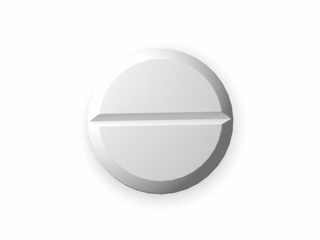
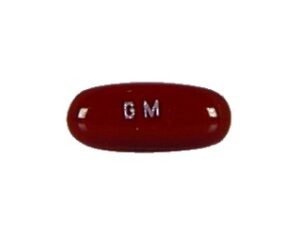
- Common forms (depending on availability): Oral tablets (strengths vary by product)
- How it’s used: For prevention of angina symptoms (longer-acting nitrate therapy)
Note: Different Monoket strengths and formulations may exist. Always use the product strength and schedule provided with your specific pack or as advised by your healthcare professional.
How Monoket Works (Mechanism of Action)
Isosorbide mononitrate is converted in the body to nitric oxide (and related compounds). Nitric oxide causes relaxation of blood vessel walls, leading to:
- Wider blood vessels (vasodilation), especially veins and also arteries
- Reduced pressure the heart must work against
- Lower “preload” (less blood returning to the heart) and improved efficiency
- Improved oxygen supply to the heart muscle
For many people, this results in fewer episodes of angina and improved exercise tolerance.
Pharmacokinetics (How the Body Handles the Medicine)
Pharmacokinetics describes how the medicine is absorbed, distributed, metabolised, and eliminated.
- Absorption: Isosorbide mononitrate is absorbed after oral dosing.
- Distribution: It acts throughout the body by affecting blood vessels.
- Metabolism: It is metabolised in the body to several products, including active and inactive metabolites.
- Elimination: Metabolites are removed mainly through the kidneys.
- Duration of effect: Monoket products are designed for ongoing symptom prevention, so timing and consistent dosing matter.
Exact onset and duration can vary by formulation and individual factors. If you use Monoket, it is important to follow your dosing schedule carefully.
Typical Use and Indications
Monoket is used for conditions where nitrates help relieve or prevent symptoms linked to reduced oxygen supply to the heart.
Indications (Common Uses)
- Prevention of angina in people with coronary artery disease
- Longer-term antianginal therapy as part of a broader plan (often alongside lifestyle changes and other heart medicines)
Important: Monoket is generally intended for prevention. If you have sudden chest pain, follow your personal action plan. Some people use a fast-acting nitrate such as glyceryl trinitrate for immediate relief.
When to Take Monoket (Timing and How to Use It)
Monoket is typically taken on a schedule to maintain steady benefits. Many nitrate regimens include a strategy to help reduce tolerance (see “Safety Profile” for more on tolerance and why timing can matter).
General Timing Principles
- Take at the same times each day to maintain consistent effect.
- Do not double up if you miss a dose—refer to the “Missed dose” FAQ.
- Keep to the planned “nitrate-free” interval if your schedule includes one. This is a common approach to reduce tolerance to nitrates.
With or Without Food
Monoket can often be taken with or without food. If your stomach feels sensitive, taking it with food may reduce nausea or discomfort.
Food Interactions
There are generally no major food restrictions for isosorbide mononitrate. However:
- If you experience nausea or headache, taking the dose with a meal may help.
- Very large meals or alcohol may worsen side effects for some people.
If you notice a pattern between meals and side effects, discuss it with your healthcare professional.
Alcohol and Medicine Interactions
Alcohol
Alcohol may increase the risk of dizziness and low blood pressure when combined with nitrates. If you drink alcohol, do so cautiously and consider avoiding alcohol on days when you are adjusting to Monoket or have experienced light-headedness.
Common Medicine Interactions
Some medicines can cause unsafe blood pressure changes when used with nitrates.
| Medicine / Group | Why It Matters | What to Do |
|---|---|---|
| PDE-5 inhibitors (e.g., sildenafil, tadalafil, vardenafil) | Can cause a significant drop in blood pressure when combined with nitrates. | Do not combine unless specifically directed by a clinician. |
| Other blood pressure-lowering medicines (e.g., antihypertensives, some heart medicines) | May increase risk of dizziness or fainting. | Monitor blood pressure and symptoms; your clinician may adjust doses. |
| Riociguat (for pulmonary hypertension) | May lead to enhanced effects on blood vessels and blood pressure. | Combination may be contraindicated—seek clinician guidance. |
| Other nitrates or related vasodilators | May add to nitrate effects and side effects. | Use only as directed; avoid stacking without guidance. |
Always tell your healthcare professional or pharmacist about all medicines you take, including over-the-counter products and supplements.
Dosing (General Guidance)
Dose requirements vary based on your condition, response, and the specific Monoket strength/formulation you have. The safest dosing approach is to follow the schedule on your packaging or the plan provided by your healthcare professional.
General Dosing Principles
- Start with a dose determined for you.
- Adjust if needed based on symptom control and side effects.
- Do not exceed the recommended dose.
- Keep to the interval (if prescribed) to reduce tolerance.
Missed Dose
- If you miss a dose, take it when you remember unless it is close to your next scheduled dose.
- In most cases, you should not take two doses at once.
- If you are unsure, check with your pharmacist.
Safety Profile: What to Expect and Who Needs Extra Caution
Like all medicines, Monoket can cause side effects. Many are related to its blood-vessel widening effect, which can lead to headache and low blood pressure symptoms.
Common Side Effects
- Headache (often early in treatment)
- Dizziness or light-headedness
- Flushing
- Nausea
- Low blood pressure (may feel like weakness or faintness)
Serious Side Effects (Seek Urgent Advice)
Get urgent medical help if you experience:
- Fainting or severe dizziness
- Allergic reaction symptoms (e.g., swelling of face/lips, rash, difficulty breathing)
- Chest pain that is new, worsening, or not responding to your usual plan
Tolerance and Nitrate-Free Interval
With continuous use, some people may develop tolerance, meaning the medicine becomes less effective. To reduce this risk, clinicians often prescribe dosing that includes a nitrate-free period each day (depending on the individual and product).
- Only change the schedule if your prescriber advises it.
- If angina becomes more frequent, seek medical advice promptly rather than altering the dose yourself.
Precautions
- Low blood pressure or a history of fainting
- Dehydration (e.g., vomiting/diarrhoea)
- Severe anaemia or conditions affecting oxygen delivery
- Use of PDE-5 inhibitors (see interactions above)
- Older adults may be more prone to dizziness and falls
Practical Use Tips for Everyday Life
- Rise slowly: If you feel light-headed, stand up slowly from sitting or lying positions.
- Hydrate: Dehydration can worsen dizziness.
- Monitor triggers: Angina can be affected by exertion, stress, cold weather, and heavy meals. Note patterns to discuss with your clinician.
- Keep a symptom diary: Record chest pain episodes, timing, severity, and what you were doing at the time.
- Use your action plan: If you get chest pain, follow the instructions you’ve been given (including which fast-acting medicine, if any, to use).
- Don’t stop suddenly: If you need to discontinue, discuss it with a healthcare professional.
Alternative Options (Discuss With Your Healthcare Professional)
Depending on your individual health profile, there are multiple strategies for angina prevention and symptom control. Alternatives may include other antianginal medicines or combination therapy.
Possible Alternative Medicines
- Other nitrates (e.g., glyceryl trinitrate formulations, depending on local availability)
- Beta-blockers (reduce heart rate and workload)
- Calcium channel blockers (relax blood vessels and reduce heart workload)
- Other antianginal agents such as ivabradine or ranolazine in selected patients
- Revascularisation procedures may be considered for some people with significant coronary artery disease
Your prescriber will choose options based on symptom pattern, blood pressure, heart rate, other conditions (such as asthma or diabetes), and medication interactions.
Monoket in the Australian Market: Legal and Regulatory Context
In Australia, medicines are regulated by the Therapeutic Goods Administration (TGA) and dispensed through licensed pharmacies. Many cardiovascular medicines are available only under appropriate supply channels and patient assessment processes.
Availability can vary by product strength, formulation, and supply conditions. If a particular Monoket presentation is temporarily unavailable, your pharmacy may discuss alternative equivalent options if clinically appropriate.
Information on medicine listings and regulatory status can be found through Australian TGA resources and pharmacy supply chains.
Recent Guidance and Ongoing Safety Considerations
Across international and Australian clinical practice, nitrates require careful attention to:
- Drug interaction safety, especially combinations with PDE-5 inhibitors (for erectile dysfunction) and riociguat
- Blood pressure monitoring in patients who are prone to dizziness or low blood pressure
- Managing nitrate tolerance using a dosing schedule that may include a nitrate-free interval
- Assessing new or changing chest pain, as this can indicate evolving heart disease or other urgent conditions
Your pharmacist can also provide up-to-date advice based on the latest product information and your medication history.
Delivery and Availability (Online Pharmacy in Australia)
When ordering Monoket online in Australia, availability may depend on:
- Stock levels at the dispensing pharmacy
- Specific strength and pack size
- Shipping location within Australia
Delivery: Delivery timeframes depend on your suburb/state and the pharmacy’s courier arrangements. Many online pharmacies provide estimated delivery windows at checkout.
Cold storage: Monoket tablets generally do not require refrigeration. However, always store medicines as directed on the pack (commonly at room temperature, protected from moisture).
If you’re in urgent need: Contact the pharmacy promptly. If you have severe chest pain, seek emergency medical care rather than waiting for delivery.
Frequently Asked Questions (FAQ)
1) What is Monoket used for?
Monoket (isosorbide mononitrate) is used to prevent angina by improving blood vessel function and reducing the heart’s workload. It is commonly used as part of longer-term antianginal treatment.
2) How quickly does Monoket work?
Many patients notice symptom improvement within a reasonable period after dosing, but the exact timing can vary by product formulation and individual response. Your healthcare professional can guide you on what to expect with your specific Monoket strength.
3) Can I take Monoket with food?
Often, yes. If it upsets your stomach, taking it with food may improve comfort. If your pack instructions differ, follow the pack directions.
4) What should I do if I feel dizzy after taking Monoket?
Stop what you’re doing and sit or lie down. Rise slowly afterward. If dizziness is severe, persists, or you faint, seek urgent medical advice. Tell your pharmacist or healthcare professional—your dose may need adjustment.
5) Is it safe to drink alcohol while on Monoket?
Alcohol may increase dizziness and the risk of low blood pressure when combined with nitrates. If you choose to drink, do so cautiously and avoid alcohol if you have previously experienced light-headedness.
6) Can Monoket be taken with medicines for erectile dysfunction?
Combining nitrates with PDE-5 inhibitors (such as sildenafil or tadalafil) can lead to a potentially dangerous drop in blood pressure. This combination is generally not safe and should only occur if a clinician specifically directs it.
7) What if I miss a dose?
Take it when you remember unless it is close to your next dose. Do not take two doses at once. If unsure, ask your pharmacist.
8) Does Monoket cause headaches?
Headaches are a common early side effect for many people on nitrates. The intensity often improves with time. If headaches are severe or persistent, discuss with your healthcare professional.
9) Can Monoket be stopped suddenly?
Do not stop suddenly without advice. Your angina may worsen. If you need to stop, ask your healthcare professional for a safe plan.
10) When should I seek urgent help?
Seek urgent medical care if you develop:
- Severe dizziness or fainting
- Signs of an allergic reaction
- Chest pain that is severe, new, worsening, or different from your usual pattern, especially if it does not improve with your action plan
Summary
Monoket (isosorbide mononitrate) is a nitrate medicine used to prevent angina. It works by relaxing blood vessels, improving blood flow, and reducing the heart’s workload. Because it can lower blood pressure, side effects such as headache and dizziness may occur—especially when starting treatment. Following the prescribed timing (including any nitrate-free interval), avoiding unsafe interactions (particularly with PDE-5 inhibitors), and seeking timely advice for changing symptoms are key to safe use.
Always follow the instructions on your pack and talk to your pharmacist or healthcare professional if you have questions or experience side effects.