Copegus (Ribavirin) — Patient-Friendly Information (Australia)
Copegus is a brand of ribavirin, an antiviral medicine used for certain viral infections. This guide explains what Copegus is, how it works, how it is usually taken, key safety considerations, and practical tips to help you use it as safely as possible.
Important: Medicines that affect the immune system and blood counts (like ribavirin) require careful monitoring. Always follow the instructions given to you by your treating healthcare team.
1) Basic product information
- Brand name: Copegus
- Generic name: Ribavirin
- Medicine type: Antiviral
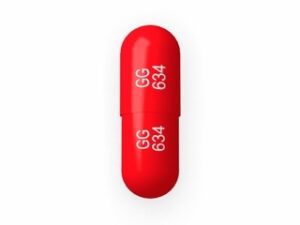
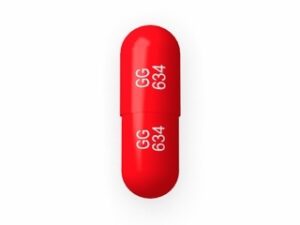
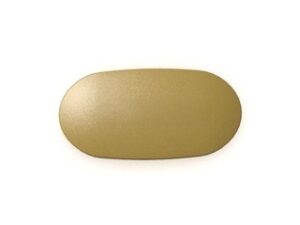
- Form: Tablets (strengths vary by product presentation)
- Common use in therapy: Often used in combination with other medicines to treat specific viral infections
- Country-specific availability: Supply and eligibility may vary. Pharmacy dispensing depends on local regulatory status and prescriber requirements.
2) How Copegus works (mechanism of action)
Ribavirin is a nucleoside analogue (a building-block–like compound) that interferes with how viruses replicate. Its precise mechanism can vary by virus, but overall it helps reduce viral replication and may also affect viral RNA metabolism and immune responses.
- Inhibits viral replication: Ribavirin disrupts the normal production and handling of viral genetic material.
- Alters intracellular nucleotide balance: It can interfere with the pool of nucleotides the virus needs.
- Supports antiviral activity with combination regimens: In many clinical settings, ribavirin is used alongside other antivirals or interferon-based therapies (depending on the treatment plan and virus type).
3) Pharmacokinetics (how the body handles ribavirin)
Absorption: Ribavirin is absorbed after oral dosing. Food can influence absorption (see the “Food interactions” section below).
Distribution: Ribavirin distributes into body tissues and can accumulate in certain compartments. Because it is retained for a long time, effects (including side effects) may persist after stopping.
Metabolism: It is metabolised mainly via pathways that produce inactive metabolites.
Elimination: Ribavirin is eliminated primarily by the kidneys. People with reduced kidney function may experience higher blood levels and a greater risk of side effects.
Half-life: Ribavirin can have a prolonged terminal elimination phase, which contributes to long-lasting effects.
4) Typical use in practice (indications and treatment context)
Copegus (ribavirin) is used as an antiviral medicine for specific infections where ribavirin is an established component of combination therapy. The exact regimen depends on the:
- Type of virus
- Genotype/strain (where relevant)
- Previous treatment history
- Whether treatment is combined with other antivirals
- Liver function and other health factors
Common clinical example: Ribavirin has been used in regimens for chronic hepatitis C as part of combination treatment plans. Modern treatment practices may also rely on newer direct-acting antivirals; ribavirin may still be used in select situations based on clinical guidance.
Note: The most appropriate therapy for you may not always include ribavirin. Your clinician will select medicines based on your specific condition and current evidence.
5) When to take Copegus (timing and consistency)
Ribavirin is typically taken twice daily or as directed by your healthcare team. Consistency is important because steady blood levels improve the effectiveness of combination therapy.
- Take with food if advised (food can improve absorption and reduce variability).
- Try to take doses at the same times each day.
- Do not skip doses: If you miss a dose, follow the instructions you were given or contact your pharmacist for advice.
- Do not stop suddenly without medical advice: Stopping can reduce the effectiveness of therapy and may affect monitoring plans.
6) Food interactions
Food may increase absorption. Ribavirin absorption can be affected by what you eat. For many patients, taking ribavirin with meals helps achieve more consistent drug levels.
- General advice: Take Copegus with food as directed.
- Avoid major changes: Try not to abruptly change your eating pattern during treatment unless your clinician advises it.
- If you have difficulty eating: Speak with your healthcare team—side effects like nausea or loss of appetite can affect whether you can take doses with meals.
Grapefruit and similar products: There are no universal grapefruit-specific rules for ribavirin for every patient, but it’s best to discuss your diet and any supplements with your pharmacist.
7) Alcohol and medicine interactions
Alcohol
If you are using ribavirin for hepatitis C or another condition involving the liver, alcohol can worsen liver injury and increase health risks. It may also make side effects (fatigue, nausea, dizziness) more difficult to manage.
- Best approach: Avoid alcohol or limit it as advised by your clinician.
- Seek urgent help if you develop severe symptoms such as yellowing of eyes/skin, severe abdominal pain, confusion, or vomiting blood.
Interactions with other medicines
Ribavirin can interact with several medicines, and the risk may be higher if you have kidney impairment or liver disease.
Tell your pharmacist/doctor about:
- All prescription medicines
- Over-the-counter medicines
- Herbal products (e.g., St John’s wort)
- Vitamins and supplements
- Recent vaccinations or long-term therapies
Examples of interaction considerations:
- Medicines affecting blood cells: Combination therapies may also affect haemoglobin and white blood cells.
- Kidney-related medicines: Some medicines can affect kidney function or increase ribavirin exposure.
- Other antivirals and treatment components: Ribavirin is often prescribed as part of combination regimens; compatibility with co-administered medicines is essential.
Practical tip: Keep an up-to-date list of your medicines and show it to each healthcare visit. If you start a new medicine while on Copegus, confirm the interaction risk.
8) Indications (what it’s used for)
Ribavirin is indicated for certain viral infections—commonly in combination with other antivirals—depending on the viral type and the overall treatment strategy.
| Condition | How ribavirin is typically used | Notes |
|---|---|---|
| Chronic hepatitis C | Often as part of combination therapy | Current treatment choices may include newer antivirals; ribavirin may be reserved for specific situations. |
| Other specified viral infections | Only where ribavirin is recommended in the relevant regimen | Use depends on local guidance and clinical assessment. |
Your clinician will confirm the exact indication and regimen for your diagnosis.
9) Dosing (general information)
Dosing is individualised. The exact ribavirin dose depends on factors such as your viral condition, the treatment regimen, your weight (in some regimens), kidney function, and tolerance/side effects.
- Typical schedule: Often twice daily, with doses spaced evenly (e.g., morning and evening).
- Strength and number of tablets: The dose may be made up using tablets of different strengths.
- Adjustments: Your clinician may reduce the dose or pause treatment if blood counts fall or if side effects become significant.
Kidney impairment: Because ribavirin is eliminated by the kidneys, dose adjustments may be required if kidney function is reduced.
Do not change your dose unless instructed by your healthcare team. If you have concerns about missed doses, vomiting, or side effects, talk to your pharmacist for practical guidance.
10) Safety profile and key risks
Copegus can cause side effects. Some are mild, while others require timely medical review and monitoring.
Common side effects
- Fatigue
- Headache
- Nausea
- Reduced appetite
- Difficulty sleeping
- Skin reactions (may vary)
Important risks (monitoring required)
- Anaemia (low red blood cells): Ribavirin may lower haemoglobin. This can cause shortness of breath, dizziness, unusual tiredness, or palpitations.
- Blood cell changes: White blood cell and platelet counts may also be affected, increasing infection or bleeding risk.
- Psychological effects: Some people experience mood changes or irritability, particularly when ribavirin is used with other medicines.
- Teratogenicity: Ribavirin can cause serious birth defects. Very strict pregnancy prevention measures are required for both patients and partners during treatment and for a period after stopping.
- Hypersensitivity reactions: Seek medical attention for swelling, rash with breathing difficulty, or severe allergic symptoms.
Monitoring is a core part of safe treatment: Your clinician may check blood counts and other parameters regularly (e.g., full blood count, kidney function, liver tests, and viral response where relevant).
11) Practical use tips (how to take Copegus safely at home)
- Follow the schedule: Use a daily reminder or phone alarm to avoid missed doses.
- Take with food: Many people are advised to take ribavirin with meals to improve absorption.
- Hydration matters: Staying well hydrated can support overall tolerance, particularly if you have reduced kidney function.
- Watch for anaemia symptoms: Report breathlessness, chest discomfort, fainting, or unusual fatigue promptly.
- Track side effects: Keep a simple log of symptoms and severity to discuss at follow-up visits.
- Don’t share medication: Only take Copegus prescribed for you.
- Store properly: Store tablets according to the pack instructions—typically at room temperature, protected from moisture and heat.
12) Alcohol and liver health—additional practical guidance
If your condition involves the liver, reducing liver stress is important.
- Avoid alcohol: If you drink, discuss a safe plan with your clinician.
- Be careful with “liver-friendly” supplements: Some herbal products can affect the liver. Check with your pharmacist before using supplements.
- Report new liver symptoms immediately: Yellowing of eyes/skin, dark urine, severe right upper abdominal pain, persistent vomiting, or confusion should be assessed urgently.
13) Alternative options
For many viral conditions—especially chronic hepatitis C—treatment options have evolved. Alternative therapies may include:
- Direct-acting antiviral medicines (often shorter duration and improved tolerability depending on your situation)
- Combination regimens that may not include ribavirin for some patients
- Supportive care strategies to manage side effects and reduce complications
Which alternative is appropriate for you depends on: your diagnosis, viral genotype/strain (where relevant), prior treatment history, liver function, kidney function, and other medicines you take.
If you’re considering alternatives, ask your clinician or pharmacist to review current evidence and best-fit options for your circumstances in Australia.
14) Market & legal context for Australia
In Australia, prescription medicines are regulated under the Australian Government Department of Health and Aged Care and administered through the Therapeutic Goods Administration (TGA) framework. Medicines such as ribavirin are available only under the arrangements set out by Australian law and healthcare practice.
Online pharmacy dispensing depends on:
- Whether the product is listed/approved for use in Australia
- Availability in the supply chain
- Local clinical and regulatory requirements
- Your eligibility and treatment plan details
Supply may vary: Like many medicines, stock levels can fluctuate. Your pharmacist can advise on availability and the expected delivery timeframe.
15) Recent guidance and evidence (what to know)
Clinical recommendations for antiviral therapy can change as new data and medicines become available. For example, hepatitis C management has undergone major updates over recent years, and treatment may increasingly rely on newer direct-acting antivirals rather than older interferon/ribavirin combinations for many patients.
- Guidelines can vary by patient group: People with advanced liver disease, previous treatment failure, or specific viral characteristics may be treated differently.
- Monitoring remains essential: Regardless of regimen choice, clinicians will monitor blood counts and liver/kidney function when relevant.
- Ribavirin use may be more selective: In current practice, ribavirin may be reserved for specific scenarios where evidence supports its role.
For the most current recommendations tailored to your diagnosis, your clinician can refer to local guidance and current evidence.
16) Delivery and availability (online pharmacy expectations)
Availability and delivery timelines can vary depending on stock, supplier routes, and your location.
- Dispatch: Your pharmacy typically dispatches once the order is processed and verified.
- Delivery time: Delivery timelines vary across metropolitan and regional areas.
- Packaging: Medicines are usually shipped in secure packaging to protect against moisture and damage.
- Cold chain: Ribavirin tablets generally do not require cold storage (unless your specific product pack indicates otherwise).
If a medication is temporarily unavailable, your pharmacist may suggest options such as alternative stock presentations (if appropriate) or different therapies discussed with your treating team.
17) FAQ
How long does ribavirin stay in the body after stopping?
Ribavirin can remain in the body for a prolonged period because of its long terminal elimination phase and tissue distribution. This is one reason pregnancy prevention measures may continue for a period after treatment ends. Your clinician will explain the exact timeframe relevant to your regimen.
What should I do if I miss a dose?
Follow the advice provided by your pharmacist or the instructions on the medicine information sheet. In general, missed doses should not be doubled. If you are unsure, contact your pharmacy for guidance based on your dosing schedule.
Can I take Copegus with food?
Often, ribavirin absorption is improved with food. Many patients are advised to take it with meals. Always follow your specific instructions.
Can I drink alcohol while taking Copegus?
It’s strongly recommended to avoid alcohol, especially if your condition involves the liver (e.g., hepatitis C). Alcohol can worsen liver health and may aggravate side effects. Discuss your situation with your clinician.
What side effects are most important to report quickly?
Seek prompt medical advice for symptoms such as severe fatigue or dizziness (possible anaemia), shortness of breath, chest pain, fainting, unusual bleeding or bruising, severe rash, swelling of the face/lips, or signs of liver problems (yellowing eyes/skin, dark urine, severe abdominal pain).
Do I need blood tests during treatment?
Most patients require regular blood monitoring. This helps detect anaemia and other blood count changes early and ensures your kidneys and liver are coping with therapy. Your healthcare team will specify test frequency.
Is it safe to become pregnant or father a child during treatment?
Ribavirin can cause serious birth defects. Strict pregnancy prevention measures are required during therapy and afterward. If you are planning pregnancy or are sexually active with a partner who could become pregnant, discuss contraception and timing with your healthcare team immediately.
What if I have kidney problems?
Because ribavirin is eliminated by the kidneys, kidney impairment can increase drug levels and side effects. Dosing adjustments and closer monitoring may be needed. Tell your clinician about your kidney function and any related medications.
Are there alternatives to Copegus?
Depending on your viral infection and personal health factors, alternative antiviral regimens may be available. Your clinician can explain the most suitable option based on current Australian guidance and your treatment goals.
18) Summary
Copegus (ribavirin) is an oral antiviral medicine used in specific combination regimens for certain viral infections, with notable examples in the management of chronic hepatitis C. It works by interfering with viral replication processes, but it also requires careful monitoring due to potential blood count effects and other risks.
- Take consistently and generally with food as directed.
- Avoid alcohol, especially if liver health is involved.
- Report important symptoms quickly (especially signs of anaemia, allergic reactions, or liver problems).
- Follow monitoring plans (blood tests and kidney/liver checks).
- Discuss pregnancy prevention urgently if pregnancy is possible.
For personalised advice: Speak with your pharmacist or treating healthcare team to confirm dosing, timing, interactions, and monitoring based on your individual medical history.