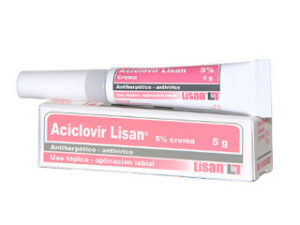
Aciclovir (Acyclovir) – Patient Information for Australia
Aciclovir is an antiviral medicine used to treat infections caused by herpes viruses. It is widely known for treating common conditions such as cold sores and genital herpes, and it can also be used for other herpes-related infections depending on the situation and the strength/form of the product.
This guide is written to be patient-friendly and to help you understand how aciclovir works, when it’s typically used, how to take it, and what to consider for safe use in everyday life in Australia.
Basic product information
- Active ingredient: Aciclovir (also spelled “acyclovir” in some places)
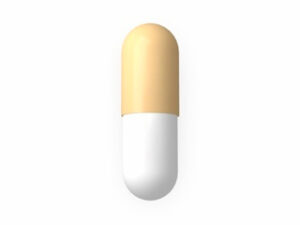
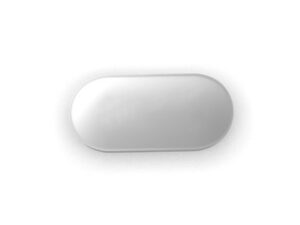
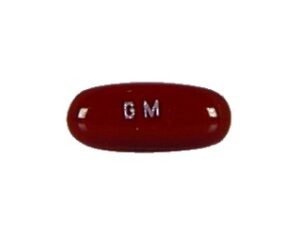
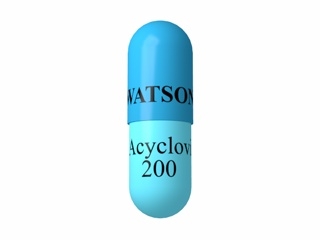
- Medicinal form: Capsules, tablets, oral suspension, creams/ointments (varies by product)
- Typical strengths: Vary by formulation (follow your specific product label)
- Common brands: Brand names vary by manufacturer and formulation
- Drug class: Antiviral (nucleoside analogue)
Different forms (oral tablets/capsules vs. topical cream) are used for different herpes conditions. The best option for you depends on the infection location, severity, and how quickly symptoms started.
How aciclovir works (mechanism of action)
Aciclovir works by stopping herpes viruses from multiplying.
Key points:
- After entering the body, aciclovir is converted inside infected cells into an active form.
- The active form interferes with viral DNA replication (the virus’s “copying system”).
- This reduces viral growth and helps symptoms heal faster or lessen the severity and duration of outbreaks.
- Aciclovir is selective for virus-infected cells, which is part of why it can be well tolerated.
Which viruses it targets (indications and typical use)
Aciclovir is used for infections caused by herpes viruses. The exact approved/commonly used indications depend on the country, formulation, and medicine schedule. In Australia, aciclovir is commonly used for:
- Cold sores (herpes labialis): Often treated with topical aciclovir cream/ointment and, in some cases, oral therapy.
- Genital herpes (herpes genitalis): Oral aciclovir is commonly used for outbreaks; it may also be used long-term for suppression in certain situations.
- Shingles (herpes zoster): Oral aciclovir can help when started early.
- Other herpes infections: In certain clinical settings, aciclovir may be used for more complex herpes infections.
If you are unsure which herpes condition you have, check your product label and consult your healthcare professional for tailored advice.
Timing: when to start for best results
Antivirals work best when started early. For most herpes outbreaks, initiating aciclovir as soon as possible after symptoms begin can:
- Reduce the time to healing
- Reduce severity
- Lower viral shedding (may reduce transmission risk, though it does not eliminate it)
Practical guidance:
- Cold sores: Consider starting at the first sign (tingling, itching, burning, or early redness), not after the sore is fully formed.
- Genital herpes: Start promptly when symptoms appear (itching, tingling, pain, sores).
- Shingles: The earlier the treatment is started, the more likely it is to be beneficial.
Pharmacokinetics (how the body handles aciclovir)
Pharmacokinetics describes how a medicine moves through the body—absorption, distribution, metabolism, and elimination. Understanding these helps explain dosing frequency and why kidney health matters.
Absorption
- Oral forms: Aciclovir is absorbed from the gastrointestinal tract, with bioavailability that can vary between people.
- Topical forms: Absorption through skin is generally lower than with oral therapy, and systemic effects are less common.
Distribution
- Aciclovir distributes into body tissues and fluids where herpes viruses may be active.
- It is also found in the cerebrospinal fluid and other compartments, depending on dosing and the clinical scenario.
Metabolism
- Aciclovir is not extensively metabolised in the body.
- Much of the medicine is excreted unchanged.
Elimination
- Primary route: The kidneys eliminate aciclovir.
- Implication: People with reduced kidney function may require dose adjustments or more careful monitoring.
Food interactions and taking aciclovir with meals
For many oral antivirals, food can affect absorption timing. With aciclovir, practical guidance is generally:
- With or without food: Many people can take aciclovir tablets/capsules with water either with meals or on an empty stomach.
- Consistency: Take it the same way each day to make dosing easier to manage.
- If stomach upset occurs: Taking it with food may reduce nausea or discomfort for some people.
Always follow the instructions on your specific product label, as formulations and dosing schedules can differ.
Alcohol and medicine interactions
Alcohol
- No common direct interaction is expected between aciclovir and alcohol at standard therapeutic doses.
- However: Alcohol may worsen dehydration, increase stomach irritation, and can affect how well you feel overall during an outbreak.
- Practical tip: If you choose to drink, keep it moderate and ensure you maintain good hydration.
Medicine interactions
The most important interaction considerations relate to kidney function and medicines that can affect it. Always tell your pharmacist or doctor about all medicines you use, including non-prescription products.
- Probenecid and similar drugs can reduce kidney clearance and increase aciclovir levels.
- Other medicines that affect the kidneys may increase the risk of kidney stress, particularly in people with existing kidney issues.
- Nephrotoxic medicines (medicines that may harm the kidneys) require special caution when combined.
If you take multiple medicines or have kidney disease, ask for advice before starting aciclovir.
Dosing: typical regimens and how to take it
Doses depend on the condition, severity, age, kidney function, and the specific formulation (oral vs topical). The sections below provide general examples of how aciclovir is commonly prescribed/used. Please follow the dosing directions on your product label or as advised by your healthcare professional.
| Condition | Typical approach | Timing (general) |
|---|---|---|
| Cold sores (herpes labialis) | Topical aciclovir cream/ointment and/or oral therapy | Best started at the first tingling/itching stage |
| Genital herpes (outbreaks) | Oral aciclovir course | Start promptly when symptoms begin |
| Genital herpes (suppression) | Longer-term oral aciclovir in selected cases | Usually taken at regular intervals daily |
| Shingles (herpes zoster) | Oral aciclovir course | Early initiation is important |
How often to take oral aciclovir
- Oral dosing schedules can vary (commonly multiple times per day depending on the regimen).
- Set reminders so doses are not missed and ensure the timing matches your label instructions.
Kidney considerations
- If you have reduced kidney function, the dose may need adjustment.
- Dehydration can increase the risk of kidney-related side effects—drink fluids as appropriate.
Topical aciclovir tips
- Apply as directed to the affected area (e.g., cold sore).
- Wash hands before and after applying.
- Avoid getting it in eyes or inside the mouth unless the product is specifically labelled for that use.
Safety profile: side effects and when to seek help
Most people tolerate aciclovir well. Side effects may depend on the formulation (oral vs topical) and individual factors such as kidney function and overall health.
Common side effects
- Nausea
- Headache
- Diarrhoea or mild stomach upset
- Fatigue
- Skin irritation at the application site for topical products
Less common but important side effects
- Kidney problems (more likely with dehydration or high doses, and in people with existing kidney disease)
- Neurological effects (rare; more likely in certain groups—e.g., severe kidney impairment)
- Allergic reactions
Seek urgent medical attention if
- Swelling of the face, lips, tongue, or throat
- Difficulty breathing or severe wheezing
- Severe rash, blistering, or widespread skin peeling
- Very low urine output, severe back pain, or signs of dehydration
Stop using the product and seek medical advice promptly if you suspect a serious reaction. For mild symptoms, speak with a pharmacist for guidance.
Practical use tips for getting the most benefit
- Start early: Begin at the first signs of an outbreak.
- Follow the schedule: For oral therapy, take doses at the recommended times—don’t double up if you miss a dose (unless your label advises otherwise).
- Hydrate: Especially important for oral therapy to support kidney clearance.
- Use gentle hygiene: Avoid picking sores; wash hands frequently to reduce spread.
- Avoid close contact during outbreaks: Herpes can spread through direct skin contact even with treatment.
- Consider sun/trigger management for cold sores: Some people find outbreaks are linked to stress or sunlight—use lip balm with sun protection and manage known triggers.
Alternative options
Depending on the condition and severity, there are other antiviral options or supportive measures. Your pharmacist or healthcare professional can recommend the best match for you.
- Valaciclovir (for oral antiviral therapy): Often used for cold sores/genital herpes/shingles in some cases.
- Famciclovir (for oral antiviral therapy): Another oral option in selected indications.
- Topical antiviral alternatives: For some cold sore situations, other topical antivirals or symptom-relief products may be used.
- Supportive care: Pain relief, barrier creams for comfort, and wound care can help symptom management.
Choice may depend on dosing convenience, how quickly you can start treatment, your medical history, and kidney function.
Australia: market and legal context (what to expect)
In Australia, access to medicines is regulated through the Pharmaceutical Benefits Scheme (PBS) where applicable, and through scheduling under the Poisons Standard for non-PBS supply. Availability also depends on whether a product is prescription-only or available through other channels for certain indications and formulations.
When shopping online, it’s important to choose a reputable supplier and check:
- That the product matches the intended condition and formulation (oral vs topical)
- The strength and dosing instructions printed on the pack
- Expiry date and storage conditions
- Whether additional paperwork or customer information is required for that medicine type
Guidance and availability can change over time. If you are unsure about eligibility or the correct product, ask a pharmacist.
Recent guidance and clinical practice notes
Clinical practice generally emphasises the same core principles:
- Early initiation: Start antivirals as soon as possible for best outcomes in most herpes infections.
- Confirm diagnosis when needed: Some symptoms can mimic other conditions; correct identification matters.
- Consider suppression strategies: For people with frequent recurrences of genital herpes, long-term regimens may be considered in suitable cases.
- Kidney function matters: Dose adjustments may be needed for renal impairment.
For shingles and other more serious presentations, prompt treatment is particularly important. If symptoms are severe, widespread, or involve the eye, seek urgent advice.
Delivery and availability in Australia
Online pharmacies in Australia typically deliver medicines to eligible locations, with delivery times depending on your postcode, stock availability, courier service, and whether the product is kept in standard packaging.
What to expect
- Processing time: Orders are usually processed within business days.
- Packaging: Medicines are generally dispatched in protective packaging with clear labels.
- Temperature requirements: Most aciclovir products are stored at controlled room temperature unless stated otherwise on the pack.
- Track delivery: Many suppliers provide tracking once dispatched.
Before ordering, review:
- Order cut-off times
- Delivery estimates and shipping fees
- Any identity/medicines information requirements
FAQ about aciclovir
Is aciclovir the same as acyclovir?
Yes. Aciclovir and acyclovir refer to the same medicine. Different spellings may appear on packaging or in clinical documents.
How quickly will aciclovir work?
Many people notice improvement within a few days when started early. Healing time varies by condition, severity, and how quickly the antiviral is begun. It helps viral replication, but it doesn’t always stop symptoms instantly.
Can I use aciclovir for every type of sore?
Aciclovir is intended for herpes viruses. Not all mouth or genital sores are caused by herpes. If you are uncertain about the cause of symptoms, consult a healthcare professional.
What if I miss a dose?
Check your specific product label for instructions. In general, don’t take extra doses to make up for a missed one. If you’re unsure, speak with a pharmacist.
Should I avoid sex or kissing while using aciclovir?
During outbreaks, herpes can still spread through skin contact even when treatment is used. It’s safest to avoid sexual contact when sores are present and consider barrier protection during outbreaks and when advised. For cold sores, avoid kissing or sharing drinks while you have symptoms.
Can I take aciclovir if I have kidney disease?
Kidney disease may require dose adjustment and extra caution. Discuss your situation with a pharmacist or doctor before starting oral aciclovir. Topical use may still be appropriate for some people, but confirm with your healthcare professional.
Does aciclovir cure herpes?
Aciclovir helps control outbreaks, reduces viral replication, and may reduce symptom duration. However, herpes viruses remain in the body and can reactivate later.
Are there pregnancy or breastfeeding considerations?
Safety in pregnancy and breastfeeding depends on the individual situation and the specific condition being treated. Speak with your healthcare professional for personal guidance.
Can children use aciclovir?
Some formulations may be used for children depending on age and the condition. Use only the age-appropriate product and follow dosing instructions carefully. Ask a pharmacist if you’re unsure.
Storage and handling
- Store tablets/capsules as directed on the pack (usually at or below room temperature).
- Keep out of reach of children.
- Check expiry dates before use.
- For topical products, avoid contamination of the tube/creaming applicator tip and close the lid after use.
Summary
Aciclovir is an antiviral medicine used to treat herpes virus infections such as cold sores, genital herpes, and shingles. It works by targeting viral DNA replication and is most effective when started early in an outbreak. Oral aciclovir is cleared primarily through the kidneys, so hydration and kidney considerations are important. If you have questions about dosing, timing, or interactions—especially if you take other medicines or have kidney problems— consult a pharmacist for tailored advice.