Aldara (Imiquimod) Cream – Patient Information (Australia)
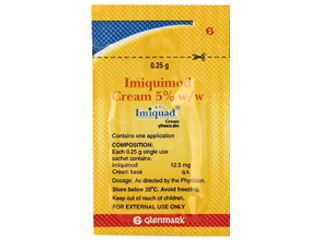
Aldara is a prescription medicine containing imiquimod. It is supplied as a cream and is used to treat certain skin conditions. This page explains how Aldara works, typical uses, how to apply it, and important safety information for people in Australia.
| Product name | Aldara |
|---|---|
| Active ingredient | Imiquimod |
| Dosage form | Cream |
| Typical strengths (common range) | Frequently 5% (varies by product/indication) |
| How it is used | Applied to affected skin (topical) |
| Common treatment areas | Skin lesions caused by specific conditions |
Key points at a glance
- How it works: Aldara helps your immune system respond to certain abnormal skin cells or viruses.
- Where it is used: Common uses include superficial basal cell carcinoma (selected cases), external genital warts, and actinic keratosis (sun-damaged skin patches).
- Typical schedule: Often applied a few times per week, with specific timing that depends on the condition.
- Expect local skin reactions: Redness, swelling, itching, and crusting are common and usually mean the medicine is doing its job.
- Be careful with nearby sensitive areas: Avoid eyes, lips, inside the nostrils, and inside the genitals unless specifically instructed.
- Do not use too much or too often: Follow the dosing schedule exactly.
What is Aldara (Imiquimod)?
Aldara is a topical medicine that contains imiquimod. It is used to treat certain skin conditions where immune activity is important. It is designed to be applied directly to the skin lesions so it can trigger local immune responses.
Because Aldara is used for different indications with different application schedules, your exact regimen can vary. Always follow the instructions specific to your condition and location of treatment.
Mechanism of action (how Aldara works)
Imiquimod works by stimulating the immune system in the skin. When applied to the affected area, it activates immune pathways that lead to the release of signalling molecules (cytokines), including interferon-related activity. This helps the body recognise and respond to:
- Virus-infected skin cells (relevant to external genital warts)
- Abnormal skin cells caused by sun damage (relevant to actinic keratosis)
- Cancerous or pre-cancerous lesions in selected superficial basal cell carcinoma cases
The result is a local immune response that can help clear lesions and reduce recurrence in some conditions. The medicine does not “burn” lesions like some other topical treatments; instead, it works through immune activation.
Pharmacokinetics (absorption and metabolism)
Imiquimod is intended for topical use. When used as directed, only small amounts are absorbed through intact skin.
- Absorption: Limited systemic absorption when applied to skin lesions and used properly.
- Metabolism: In the body, imiquimod is metabolised mainly through hepatic pathways (the exact breakdown involves processes typical of small molecules).
- Elimination: Metabolites are cleared primarily via kidneys and to a lesser extent through other pathways.
Because systemic absorption is generally low, most side effects are local skin reactions. However, if applied more frequently, over larger areas, or under occlusion (covered in a way that increases absorption), the risk of systemic effects may increase.
Typical uses and indications in Australia
Aldara may be used to treat specific conditions. Availability and indications can change, so the treating clinician and product information should guide correct use.
Common indications include
- External genital warts (caused by human papillomavirus, HPV)
- Actinic keratosis (thin scaly patches from sun damage)
- Superficial basal cell carcinoma in selected cases (a form of skin cancer)
If you’re unsure whether your condition matches an indication for Aldara, check with a healthcare professional.
Dosing and how to apply Aldara
Dosing schedules depend on the condition and the area treated. The information below is educational and should be matched to your specific instructions.
General principles (important)
- Use the correct strength and follow the frequency advised for your condition.
- Apply a thin layer only to the lesion(s) as instructed.
- Wash hands before and after application.
- Do not apply to open wounds or broken skin unless your clinician told you to.
- Avoid eyes, lips, and inside the nose.
- Do not cover the area with occlusive dressings unless specifically instructed.
Timing (when to apply)
Many regimens involve applying Aldara at night, because the cream is often left on the skin for a set period and then washed off. The exact wash-off time and number of applications per week vary by indication.
A common instruction for several uses is:
- Apply to the lesion(s) in the evening
- Leave on for a specified period (often around 6–10 hours, depending on the regimen)
- Then wash the area with mild soap and water
Typical dosing schedules (examples)
Below are commonly used schedules. Confirm your exact plan with your clinician or the directions supplied with your medicine.
| Condition | Typical frequency | Typical duration | Wash-off / timing |
|---|---|---|---|
| External genital warts | Usually several nights per week | Often up to several weeks, depending on response | Apply at night and wash off after a set number of hours |
| Actinic keratosis | Often multiple times per week | Usually a defined course (commonly about several weeks) | Night-time application with wash-off after the set period |
| Superficial basal cell carcinoma (selected cases) | Typically multiple times per week | Often up to several weeks to months, depending on response | Night-time application with wash-off after the set period |
Because the product is used for multiple conditions, it’s crucial to follow the specific regimen provided for your treatment.
Food interactions
No direct food–medicine interactions are expected with Aldara because it is applied to the skin and systemic absorption is generally low. However, if you are using Aldara over large areas, or you have blistering/major skin reactions that affect absorption, it’s still wise to mention all medicines and supplements you take to your clinician.
Alcohol and medicine interactions
There are no well-established direct interactions between alcohol and topical imiquimod. Still, local skin irritation can be uncomfortable, and alcohol may worsen dehydration or sleep disruption for some people.
- Alcohol: Generally not expected to interact directly with Aldara, but use moderation if you notice skin flares.
- Other medicines: Tell your clinician about any creams, ointments, or systemic medicines you use. Some topical products may increase irritation when combined in the same area.
- Immune-related medicines: If you take medicines that suppress the immune system (for example, certain immunosuppressants), this can affect how well Aldara works and may change safety considerations.
Do not apply other active topical treatments (such as strong acids or harsh antiseptics) to the same area unless your clinician approves.
Safety profile: who should use Aldara carefully?
Most side effects relate to the treated skin area. The safety profile varies by indication and how sensitive your skin is.
Common local side effects
- Redness (erythema)
- Swelling (oedema)
- Itching (pruritus)
- Burning or tenderness
- Flaking, scaling, crusting, and peeling
- Blistering or ulceration in more reactive cases
Possible general (systemic) effects
- Flu-like symptoms (fatigue, feverish feeling, body aches)
- Headache
- Chills
These symptoms are usually mild and temporary, but they can occasionally be more intense, especially if treated areas are large or the medication is used more often than advised.
Serious warnings—seek medical advice promptly if
- Severe swelling, widespread rash, or signs of an allergic reaction (hives, facial/lip swelling, difficulty breathing)
- Severe ulceration, significant bleeding, or infection signs (increasing pain, pus, worsening redness, fever)
- Eye involvement (burning, pain, redness)
- New or rapidly changing lesions not responding as expected
When to be extra cautious
- Weakened immune system: Discuss with a healthcare professional before using Aldara.
- Pregnancy and breastfeeding: Discuss risks and benefits with your clinician.
- Frequent skin irritation: If you’ve had intense reactions to similar topical medicines, ask about strategies to manage discomfort.
Practical use tips for better comfort and results
How to apply correctly
- Step 1: Clean the area gently and dry completely.
- Step 2: Use a new finger or a clean applicator to apply a thin layer.
- Step 3: Spread over the lesion(s) as instructed, without rubbing excessively.
- Step 4: Leave on for the recommended period, then wash off with mild soap and water.
- Step 5: Wash your hands thoroughly.
What reactions are “expected”
With imiquimod, it’s common for treated areas to become red and inflamed, and for crusting or peeling to occur. In many regimens, these local reactions can appear within the first couple of weeks.
However, if symptoms are severe, painful, or your skin breaks down significantly, you may need treatment adjustments. Do not continue to “push through” severe reactions without medical guidance.
Comfort measures
- Use mild, fragrance-free moisturisers on surrounding skin only (not on the lesion unless your clinician approves).
- Wear loose clothing to reduce friction in the treated area.
- Avoid scratching; keep nails trimmed to reduce skin damage.
- For genital areas, follow genital hygiene guidance provided by your clinician.
Sexual activity considerations (if treating genital warts)
For external genital warts, local inflammation can affect comfort. Also, barrier methods (e.g., condoms) may reduce transmission risk, though they do not eliminate it completely. Discuss practical guidance with your healthcare professional.
Alternative options
Depending on your condition, other treatments may be available. Your clinician can help choose the most appropriate option based on lesion type, size, number of lesions, location, skin sensitivity, and previous treatments.
Possible alternatives (examples)
- For actinic keratosis: cryotherapy (liquid nitrogen), topical field therapies (different active ingredients), photodynamic therapy, and other lesion-directed approaches.
- For external genital warts: patient-applied options and clinician-administered procedures such as cryotherapy, surgical removal, or other topical treatments.
- For superficial basal cell carcinoma: excision/surgery, radiotherapy, photodynamic therapy, or other topical/curettage-based options in selected cases.
Choice of treatment can affect convenience, expected downtime, cosmetic outcomes, and recurrence risk.
Market and legal context for Australia
In Australia, Aldara (imiquimod) is regulated as a prescription medicine and is supplied in accordance with Australian regulatory requirements. Availability may vary by strength and indication, and pharmacists/clinicians will ensure the medicine is appropriate for the intended condition.
Online pharmacies operating in Australia must meet legal and regulatory requirements for supply, including identity verification and compliance with dispensing processes. If you purchase medicines online, ensure the service is legitimate, compliant, and provides clear information about shipping, storage, and supply responsibilities.
Recent guidance and clinical considerations (Australia)
Treatment recommendations for skin conditions can evolve as new evidence and safety data become available. In recent years, clinical guidance has continued to emphasise:
- Accurate diagnosis before starting treatment (especially for suspected skin cancers or pre-cancers).
- Adherence to the correct regimen for imiquimod, since application frequency strongly affects tolerability and effectiveness.
- Sun protection for people with actinic keratosis and elevated risk of further lesions.
- Review and follow-up to confirm response and to screen for recurrence or new lesions.
Always rely on current advice from your treating clinician, and report persistent or worsening symptoms.
Delivery, storage, and availability
How delivery typically works
- Online pharmacies generally package items securely to protect the cream during transport.
- Delivery times vary based on location and service level.
- Some suppliers may require confirmation steps before dispatch.
Storage
Store Aldara according to the product label instructions. In general, many topical creams are stored at controlled room temperature and kept away from direct heat and sunlight. Keep the container tightly closed and out of reach of children.
Availability
Availability depends on current stock, strength, and the approved product for your intended use. If you are unable to obtain the exact product, discuss options with a pharmacist.
When to seek medical help during treatment
- Your skin reaction is severe, spreading beyond the target area, or you cannot tolerate the discomfort.
- You develop signs of infection (pus, worsening redness, increasing warmth, fever).
- You notice rapidly growing or unusual lesions that do not look like expected reactions.
- You have persistent symptoms despite completing the advised course.
Even when local irritation is expected, there are boundaries. Your clinician can advise whether to pause, adjust frequency, or switch therapy.
FAQ about Aldara (Imiquimod)
1) What does Aldara feel like when it starts working?
Many people notice redness, mild burning, itching, or tenderness within the first days to weeks. Crusting, scaling, and peeling can occur as treatment progresses. These reactions are often part of the intended immune response, but severe pain or extensive breakdown should be reviewed.
2) How long does Aldara treatment usually take?
Treatment duration depends on the condition and your response. Some regimens last a few weeks; others may extend longer. Your treatment plan should include a specific timeframe and follow-up steps.
3) Can I stop Aldara early if the lesion looks better?
It’s best not to stop early unless your clinician advises it. Stopping too soon can reduce effectiveness or increase the chance of recurrence. If reactions become intolerable, seek advice promptly.
4) Should I wash the area after applying?
Yes—follow the directions for your indication. Many schedules involve leaving the cream on overnight for a set number of hours, then washing it off with mild soap and water.
5) Can I use moisturisers or other creams on the same area?
Only use other products if your clinician/pharmacist agrees. Some creams can increase irritation or interfere with correct use. If moisturising is allowed, apply it around the treated area unless instructed otherwise.
6) Does Aldara affect my ability to work or exercise?
It can, particularly if treated skin becomes inflamed or sore. Choose clothing and activities that reduce friction. You may find work easier when you apply in the evening and wash off as directed.
7) Is it safe to use Aldara on large areas?
Only use the amount and area specified in your plan. Applying to larger areas or more frequently than recommended can raise the likelihood of stronger reactions and systemic symptoms.
8) Can I drink alcohol during treatment?
No specific direct interaction is expected. However, alcohol can worsen general wellbeing for some people. If you feel unwell or notice increased irritation, consider reducing alcohol and consult your clinician.
9) What should I do if I miss a dose?
Use your medicine as directed. If you miss an application, do not “double up.” Check your specific instructions with your pharmacist or clinician.
10) When should the treated area be checked?
Follow the follow-up schedule provided by your clinician. In some cases, lesions should be reviewed after completion; in others, ongoing monitoring is needed.
Summary
Aldara (imiquimod) cream is a topical medicine that works by stimulating immune responses in the skin. It is used for conditions such as external genital warts, actinic keratosis, and selected superficial basal cell carcinoma cases. The key to safe and effective use is applying it correctly, at the correct frequency, and following timing instructions—while recognising that local inflammatory reactions are often expected. If symptoms become severe or you have concerns, contact a healthcare professional promptly.