
Acyclovir Cream 5% (Acyclovir Topical) — Patient Information (Australia)
Acyclovir cream 5% is a medicine used to treat certain viral skin infections caused by the herpes viruses, most commonly herpes simplex (cold sores and genital herpes skin lesions). It works by stopping the virus from multiplying, helping lesions heal faster and reducing the duration of symptoms for many people.
This page explains what acyclovir 5% cream is, how it works, how to use it, what to expect, and key safety information. It is written for people in Australia and includes practical tips for best results.
Basic product information
| Feature | Information |
|---|---|
| Active ingredient | Acyclovir |
| Strength | 5% w/w |
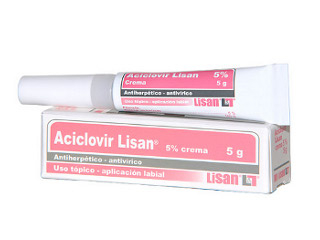
| Dosage form | Topical cream for skin use |
| Common uses | Herpes simplex skin lesions (e.g., cold sores on the skin or genital area skin lesions, depending on local product instructions) |
| How it’s supplied | Typically available through pharmacies and approved retailers in Australia (availability may vary by brand/stock) |
| Who it suits | Adults and children—age guidance depends on the specific product label and local instructions |
How acyclovir works (mechanism of action)
Acyclovir is an antiviral medicine. It selectively targets herpes viruses by interfering with viral DNA replication. After application to the skin, acyclovir is taken up by infected cells. Inside those cells, it is converted to its active form through steps that involve viral enzymes. The active form then:
- Blocks viral DNA synthesis (the virus can’t copy its genetic material).
- Helps slow or stop spread of the virus within the affected area.
- Supports faster healing of lesions and may reduce the duration and severity of symptoms.
It is most effective when started early—ideally at the first signs of an outbreak (such as tingling, burning, itching, redness, or when a sore is just beginning).
Pharmacokinetics (what happens in the body)
When applied to intact skin, only a small amount of acyclovir is absorbed into the bloodstream. Most of the medicine stays local to the treated area to exert its antiviral effect at the skin level. Absorption can be greater if:
- The skin is inflamed or broken (e.g., open lesions).
- Large areas are treated.
- More frequent or thicker application is used than recommended.
After any absorbed acyclovir enters the circulation, it is primarily eliminated by the kidneys. In people with significant kidney impairment, systemic exposure may be higher, so label directions and clinician advice are important.
Typical uses in Australia
Acyclovir 5% cream is commonly used for herpes simplex virus (HSV) infections affecting the skin. The exact approved indications may depend on the product and the site of infection. Common examples include:
- Cold sores (herpes labialis): skin lesions around the mouth/lips, including early outbreaks.
- Genital herpes (skin lesions): some products may be intended for herpes simplex skin lesions in the genital area (always follow the product leaflet for the correct site and instructions).
- Recurrent outbreaks: for people who know their triggers and can start treatment early.
Note: Acyclovir cream is intended for skin use. It should not be used in the eyes. If you suspect eye involvement (red eye, severe pain, light sensitivity, or vision changes), seek urgent medical care.
Indications (when it’s used)
Acyclovir 5% cream is used to treat infections caused by herpes simplex virus, including outbreaks that present as painful blisters/ulcers on the skin. Treatment is typically most helpful when begun early in the outbreak course.
- Active herpes simplex skin lesions
- Recurrent episodes—particularly if you start treatment promptly at prodromal symptoms
Timing: when to apply for best results
The timing of starting treatment is one of the most important factors for effectiveness. For many people, the earliest sign of a coming cold sore is a “prodrome” (tingling, burning, tightness, or redness).
- Start early: apply at the first sign of outbreak or as soon as the sore appears.
- Apply consistently: do not miss applications during the symptomatic days.
- Continue for the recommended duration: even if the sore looks better, complete the course on the label.
If symptoms do not improve or lesions worsen, contact a pharmacist or healthcare professional for advice.
Dosing and how to use acyclovir 5% cream
Always follow the dose and frequency on the product label or consumer medicine information (CMI). Dosing can vary by product brand and age group. The following is general guidance commonly used for acyclovir 5% cream in herpes simplex outbreaks:
- Frequency: typically 5 times daily (for example, approximately every 4 hours while awake).
- Amount: apply a thin layer to the affected area and surrounding skin as directed.
- Duration: usually 4 days; some instructions may allow longer if healing is incomplete (follow the label).
Practical steps for application:
- Wash your hands before and after application.
- Gently clean and dry the affected area.
- Apply a thin layer of cream to the lesions and the immediate surrounding area.
- Avoid rubbing aggressively—lesions can be tender.
- Do not cover the area with airtight dressings unless instructed.
- Do not share personal items (lip balm, towels, razors).
If you forget a dose: apply as soon as you remember, then continue at the usual intervals. Do not apply extra cream to make up for a missed application.
Food interactions
Acyclovir cream is applied to the skin. Because systemic absorption is usually low, food interactions are not typically expected. You can generally take meals as usual while using this topical medicine.
If you are taking other medicines or have kidney disease, it’s still important to review your overall medication plan with a pharmacist.
Alcohol and medicine interactions
Alcohol
There is generally no direct interaction between topical acyclovir cream and alcohol. However, outbreaks can be triggered or worsened by factors that also influence general health. To support healing:
- Limit alcohol if it tends to worsen your symptoms or recovery.
- Stay hydrated, especially during illness.
Other medicines
Because acyclovir from cream is minimally absorbed in most people, clinically significant interactions are uncommon. That said, interactions are more relevant with systemic antiviral medicines or if you have impaired kidney function.
- Kidney considerations: if you have kidney impairment and use medicines that can affect the kidneys, ask a pharmacist for advice.
- Other topical products: avoid applying multiple creams/ointments to the same area unless directed, as they may affect absorption or irritate the skin.
If you’re unsure about a specific medicine combination, consult your pharmacist.
Safety profile: who should be cautious
Most people tolerate acyclovir 5% cream well. Like all medicines, it can cause side effects in some individuals. The safety profile can vary depending on the condition being treated, skin sensitivity, and how much cream is applied.
Common side effects
- Mild skin irritation where the cream is applied
- Dryness, redness, or a burning/stinging sensation shortly after application
- Itching or mild discomfort
Seek urgent help if you notice
- Signs of an allergic reaction (e.g., swelling of the face/lips, hives, difficulty breathing)
- Severe blistering/skin breakdown beyond the typical lesion pattern
- Ongoing severe pain or rapidly worsening symptoms
Special populations
- Children: use only if the product label supports paediatric use for the intended indication.
- Pregnancy and breastfeeding: many topical antivirals are used when benefits outweigh risks; discuss with a healthcare professional if you are pregnant or breastfeeding.
- Kidney impairment: while absorption is low, consult a pharmacist if you have kidney disease or are taking kidney-affecting medicines.
Practical use tips to improve results and reduce spread
- Start at first symptoms: tingling or burning often comes before visible sores.
- Keep the area clean and dry: gentle cleansing can reduce discomfort.
- Avoid touching lesions: touching can spread the virus to other body sites and to other people.
- Wash hands frequently: especially after applying cream.
- Cover if necessary: if your skin lesions rub against clothing or you’re around others, use loose clothing and consider non-occlusive coverage if advised.
- Avoid sharing: do not share towels, utensils for lip-related sores, lip balm, or razors.
- Minimise intimate contact during outbreaks: herpes can spread even with treatment. Using barriers (e.g., condoms) may reduce risk but doesn’t eliminate it.
If you wear contact lenses, ensure your hands are clean before handling lenses. Do not apply the cream near the eyes.
What to expect during treatment
Many people notice improvement within a few days, especially when treatment begins early. Healing times vary by:
- How early the cream was started
- The severity and location of lesions
- Your skin’s sensitivity
- Whether outbreaks recur frequently
If sores are not healing as expected, last longer than anticipated, or are spreading, consult a pharmacist or doctor for assessment and alternative options.
Alternative options (depending on the outbreak and site)
If acyclovir cream 5% isn’t suitable, not available, or if outbreaks are frequent or severe, there are other options commonly used in Australia:
Other topical antivirals
- Penciclovir cream: an antiviral option for cold sores in some settings.
- Docosanol (where available): a cream used for cold sores; availability may vary.
Oral antiviral medicines
For some people—such as those with severe outbreaks, frequent recurrences, or widespread symptoms—oral antiviral medicines may be considered by a healthcare professional. Oral treatment can be more effective for some individuals than topical therapy.
Supportive care
- Lip balm/soothing emollients (non-medicated or barrier-protecting)
- Pain relief where appropriate (e.g., paracetamol or ibuprofen if suitable for you)
- Cold compresses for comfort
A pharmacist can help you choose the most appropriate option based on the type of outbreak and your history.
Market and legal context for Australia (consumer-friendly overview)
Medicines in Australia are regulated by the Therapeutic Goods Administration (TGA). Products available online must comply with Australian requirements regarding labelling, supply, and appropriate consumer access. Topical antivirals such as acyclovir 5% cream are generally supplied through pharmacy channels, with specific product strength and instructions clearly shown on the label/consumer medicine information.
Online pharmacies typically provide access to product information including active ingredient, strength, dosing directions, and safety statements. Availability can vary by brand and supplier.
If you are uncertain about suitability for your specific condition, speaking to a pharmacist is recommended.
Recent guidance and practical expectations
While specific recommendations can vary over time, general antiviral guidance for herpes simplex outbreaks tends to emphasise:
- Early treatment: starting at the first signs of an outbreak improves the chance of benefit.
- Consistency: follow the recommended frequency for topical antivirals.
- Reassessment if not improving: consult healthcare professionals if lesions persist, worsen, or spread.
- Risk reduction: reduce the chance of transmission by avoiding direct contact with lesions and maintaining good hygiene.
If you have frequent recurrences, you may need a broader management plan (for example, evaluating triggers and discussing whether suppressive strategies are appropriate).
Delivery and availability (Australia)
Acyclovir cream 5% is usually stocked by Australian pharmacies and may be available from online pharmacies as well. Delivery options vary by retailer, including standard and express shipping. Delivery times depend on your location and stock availability.
- Stock may vary: some brands can sell out during high-demand periods.
- Check product strength: confirm it is the 5% cream (w/w) you intend to buy.
- Storage: store according to the label (commonly at controlled room temperature, protect from excess heat and direct sunlight).
If your order is delayed or you receive a damaged product, contact customer support promptly for a replacement or refund process.
Frequently Asked Questions (FAQ)
1) Can I use acyclovir cream for cold sores?
Acyclovir cream 5% is commonly used for herpes simplex skin lesions such as cold sores. Apply at the first sign of an outbreak and follow the product directions. Do not use it in the eye area.
2) How long does it take to work?
Many people start to see improvement within a few days, especially when treatment starts early. Healing time depends on outbreak severity and how promptly the cream is used.
3) Should I apply the cream with gloves or cotton buds?
Gloves are optional but can help if lesions are very tender or if you want to minimise touching. If you use cotton buds, dispose of them after use. In general, washed hands are the simplest approach.
4) Can I use make-up or sunscreen over the cream?
It’s best to allow the cream to absorb and follow label directions. Applying make-up directly over active lesions may irritate the area and could interfere with treatment. If you’re unsure, ask your pharmacist.
5) Is it safe to use on broken or open lesions?
The cream is intended to be used on affected lesions as directed. If the area becomes unusually painful, significantly inflamed, or appears infected, stop and seek advice.
6) Will acyclovir cure herpes?
Acyclovir cream treats the outbreak on the skin by reducing viral replication. It does not eliminate the virus from the body, so herpes can recur later.
7) What if I’m pregnant or breastfeeding?
Topical antivirals are often used when the expected benefit is greater than potential risk. Because individual circumstances differ, discuss use with a healthcare professional or pharmacist, especially if outbreaks are frequent.
8) Can I drink alcohol while using it?
There’s typically no direct interaction with topical acyclovir cream. If alcohol worsens your outbreaks or delays healing, consider limiting intake during an outbreak.
9) Can it interact with other medicines?
Significant interactions are uncommon with topical use due to low absorption. If you have kidney disease or take multiple medicines, ask a pharmacist if you’re unsure.
10) When should I seek medical advice?
Contact a pharmacist or healthcare professional if:
- Symptoms worsen or spread rapidly
- There is no improvement after a few days of correct use
- You develop fever, severe pain, or you feel unwell
- You have eye symptoms or suspected eye involvement
- Lesions last longer than expected
Summary
Acyclovir cream 5% is a topical antiviral used to help treat herpes simplex skin outbreaks. By blocking viral DNA replication, it can support healing and reduce symptom duration—especially when started early. Use a thin layer on affected areas, follow the recommended frequency and duration on the label, and maintain good hygiene to reduce spread.
If you’re unsure which treatment is right for your symptoms, or if you have frequent outbreaks, a pharmacist can help you choose an appropriate option and check safe use with your other health conditions and medicines.