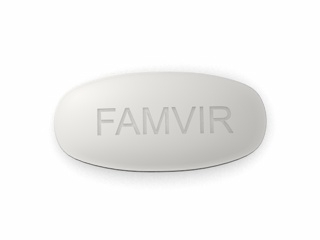

Famvir (Famciclovir) — Patient-Friendly Medicine Information (Australia)
Famvir (generic name: famciclovir) is an antiviral medicine used to treat certain viral infections caused by herpes viruses. This page explains how it works, what it’s used for, how it’s typically taken, possible side effects, and important safety considerations—written for people living in Australia.
The information below is general. Individual dosing and suitability depend on your condition, kidney function, age, other medicines, and past responses to antiviral treatment. Always follow the instructions provided with your medicine.
Basic product information
- Brand name: Famvir
- Generic name: Famciclovir
- Medicine type: Antiviral (nucleoside analogue)
- Common forms: Tablets (strengths vary by product)
- Therapeutic use: Herpes virus infections (e.g., shingles, cold sores, genital herpes)
- Who it’s for: Adults and, for some indications, children/teens only if clinically appropriate
How Famvir works (mechanism of action)
Famciclovir is a prodrug, meaning it becomes active in the body after you take it. After absorption, famciclovir is converted mainly to penciclovir.
Penciclovir targets infected cells by inhibiting viral DNA replication:
- In cells infected with herpes viruses, penciclovir is converted to its active form.
- The active form interferes with the virus’s ability to copy its genetic material.
- This reduces viral replication, helping symptoms improve and helping episodes resolve faster.
Famvir does not “cure” herpes viruses. Herpes viruses can remain in the body and may reactivate. Antiviral treatment helps control outbreaks and viral activity.
Pharmacokinetics (how the body handles the medicine)
“Pharmacokinetics” describes absorption, distribution, metabolism, and elimination—how your body processes a medicine.
- Absorption: Famciclovir is absorbed after oral dosing and converted to penciclovir.
- Active drug: Penciclovir is the main active metabolite responsible for antiviral effect.
- Distribution: Penciclovir reaches infected tissues where herpes activity occurs.
- Metabolism: Famciclovir is converted primarily to penciclovir in the body.
- Elimination: The drug is removed mainly through the kidneys.
Kidney function matters: Because penciclovir is cleared by the kidneys, dosing may need adjustment for people with impaired renal function. This is especially important for older adults or anyone with kidney disease.
Typical uses of Famvir
Famvir is used for infections caused by herpes viruses, including:
- Shingles (herpes zoster): Painful rash caused by reactivation of varicella-zoster virus.
- Cold sores (herpes labialis): Recurrent herpes simplex virus infections of the lips/face.
- Genital herpes (herpes simplex): Treatments for episodes and/or suppression for some people.
- Other herpes-related conditions: Depending on your clinician’s assessment and product indications.
The goal of antiviral treatment is to reduce the severity and duration of symptoms and to decrease viral shedding during outbreaks.
Timing: when to take Famvir
Antivirals work best when started as early as possible—ideally when symptoms begin.
- Shingles: Starting within 72 hours of rash onset is commonly recommended for better effectiveness.
- Cold sores: Starting at the first sign of tingling, itching, or burning may help shorten the episode.
- Genital herpes: For outbreak treatment, early initiation at the start of symptoms is typically most beneficial.
Even if you’re late, treatment may still be appropriate—ask a pharmacist or clinician for advice based on your situation.
Food interactions and taking with meals
Famvir can generally be taken with or without food. Food usually does not meaningfully reduce effectiveness for most people.
However, practical considerations can improve comfort:
- If you experience nausea or stomach discomfort, taking it after a meal may help.
- Keep water intake consistent and stay hydrated, especially if you’re elderly or have kidney issues.
Alcohol and medicine interactions
There is no commonly highlighted direct interaction between famciclovir and alcohol in standard usage. However, alcohol can affect how you feel and may worsen side effects such as dizziness or nausea.
Practical guidance:
- Avoid excess alcohol during treatment to reduce the chance of dehydration and side effects.
- If you take other medicines that cause drowsiness, limit alcohol further.
- If you have liver disease, kidney disease, or are prone to dehydration, discuss alcohol use with a healthcare professional.
Always check your other medications for interactions. Tell your pharmacist about:
- Other antivirals
- Medicines affecting kidney function
- Probenecid or other medicines that may alter clearance
- Immunosuppressants (if applicable)
Indications (conditions it may be used to treat)
Famvir is indicated for herpes virus infections. The exact indication depends on local product guidance and the clinical scenario. Commonly, it is used for:
- Herpes zoster (shingles) — in adults, and sometimes according to specialist guidance
- Herpes simplex — including cold sores (labialis) and genital herpes (HSV)
- Recurrent episodes — in some people, where preventive or episodic regimens are considered
If you’re unsure whether your symptoms match the type of herpes infection treated by famciclovir, seek advice promptly—especially for first episodes or severe symptoms.
Dosing: typical regimens (general information)
Dosing varies by the condition, severity, and your kidney function. Below are common example regimens used in clinical practice; your prescribed or dispensed instructions should be followed exactly.
| Condition | Typical use | Common dosing approach (example) | Key timing notes |
|---|---|---|---|
| Shingles (herpes zoster) | Treatment of current episode | Often taken 3 times daily for about 7 days (regimen varies) | Start within 72 hours of rash appearance when possible |
| Cold sores (herpes labialis) | Early treatment of outbreaks | May involve a short course over 1–2 days (regimen varies by protocol) | Start at the first sign of symptoms |
| Genital herpes (HSV) | Treatment of outbreaks and/or suppression | Outbreak courses may be short; suppression often involves regular dosing | Early initiation during prodrome can improve outcomes |
| Kidney impairment | Dosage adjustment | Lower or less frequent dosing may be required | Discuss kidney function before starting |
Important: Never change your dose or dosing schedule without advice. If you miss a dose, follow the instructions provided with the medicine. In general, do not double up to make up for a missed dose unless directed.
Safety profile: side effects and what to watch for
Like all medicines, Famvir can cause side effects. Many people experience no side effects or only mild, temporary effects.
Common side effects
- Headache
- Nausea
- Diarrhoea or abdominal discomfort
- Dizziness
- Fatigue
Less common but important effects
- Skin reactions (e.g., rash)
- Allergic reactions—seek urgent help if you develop swelling, breathing difficulty, or widespread rash
- Changes in kidney-related lab tests in susceptible individuals
Seek urgent medical help if
- Signs of a severe allergic reaction occur (face/lip swelling, difficulty breathing, severe rash)
- There is severe or persistent vomiting or dehydration
- You experience unusual confusion, severe dizziness, or symptoms that concern you
Special safety notes
- Kidney impairment: Higher medicine exposure can occur—dose adjustment is often required.
- Older adults: Kidney function can decline with age, increasing the importance of correct dosing.
- Central nervous system symptoms: Report severe dizziness or confusion to a clinician promptly.
Practical use tips (to get the best outcome)
- Start early: Begin treatment as soon as symptoms begin (within recommended time windows).
- Take it at the same times each day: Use a medication reminder if you have multiple daily doses.
- Stay hydrated: Drinking adequate water supports kidney clearance.
- Use supportive care: Pain control and skin care may be needed alongside antivirals for shingles or cold sores.
- Avoid spreading infection:
- Cover lesions where possible.
- Avoid skin-to-skin contact with people who are vulnerable (e.g., pregnant people, immunocompromised individuals, newborns).
- Wash hands often—especially after touching sores.
- Do not stop early because symptoms improve: Complete the course unless told otherwise.
Alternative treatment options
Depending on the condition and your medical history, clinicians may consider other antiviral medicines. Alternatives for herpes viruses may include:
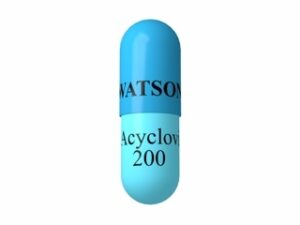
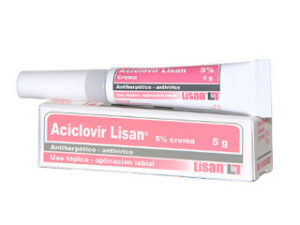
- Acyclovir
- Valaciclovir
- Other antivirals for specific scenarios (specialist-dependent)
The “best” option depends on:
- The specific herpes infection (shingles vs. cold sores vs. genital herpes)
- How quickly treatment is started
- Dosing schedule preference
- Kidney function
- Past tolerance and side effects
For pain and symptom control, supportive treatments (such as topical measures for skin lesions) may also be recommended by healthcare professionals.
Market and legal context in Australia (high-level)
Medicines in Australia are regulated under the Australian regulatory framework administered by the TGA (Therapeutic Goods Administration). Availability, listing status, and prescribing/dispensing requirements can differ depending on whether a product is:
- Included on the Australian Register of Therapeutic Goods (ARTG)
- Listed for a particular indication
- Restricted by supply category and clinical criteria
In general, antiviral treatments for herpes infections are dispensed through pharmacy channels in line with Australian medicine supply rules and clinical practice. If you have questions about how to access treatment, a local pharmacist can explain what information they require.
Note: Requirements may vary by state/territory and by current regulatory updates.
Recent guidance (what matters for patients)
While recommendations can evolve, key points in current herpes treatment practice in Australia commonly include:
- Early initiation for shingles and acute outbreaks.
- Assessing kidney function for correct dosing.
- Managing pain alongside antivirals for shingles, especially in older adults.
- Preventing transmission through hygiene and avoiding contact during outbreaks.
- Considering suppressive therapy for people with frequent recurrences or significant impact on quality of life (as determined by clinician assessment).
If you have complex health needs (e.g., immunocompromise), ask for tailored advice, as treatment strategy may differ.
Delivery, availability, and ordering (Australia)
Famvir may be available from Australian pharmacies (online and in-store). Availability can vary by brand stock and tablet strength.
- Delivery: Many online pharmacies deliver to residential addresses across Australia. Delivery times may depend on location and stock levels.
- Packaging: Medicines are typically supplied in manufacturer packaging with appropriate labelling.
- Cold chain: Famvir tablets generally do not require refrigeration.
- Payment and verification: Online dispensing processes may include verification steps.
For the most accurate delivery timeframe, check the website’s delivery information at checkout.
FAQ about Famvir (famciclovir)
1) What is Famvir used for?
Famvir (famciclovir) is an antiviral medicine used to treat herpes virus infections such as shingles, cold sores, and genital herpes. It helps reduce viral replication and can shorten outbreaks when started early.
2) How soon should I take it after symptoms start?
For best results, take it as early as possible. For shingles, treatment is usually most effective when started within 72 hours of rash onset. For cold sores, start at the first signs such as tingling or burning.
3) Can I take Famvir with food?
Yes—famciclovir is generally taken with or without food. If it upsets your stomach, taking it after a meal may improve comfort.
4) Does alcohol affect Famvir?
There isn’t a widely recognised direct interaction, but alcohol may worsen side effects like nausea or dizziness. It’s best to limit alcohol during treatment and avoid heavy drinking.
5) What if I miss a dose?
Take it when you remember unless it’s close to your next dose. Do not double up. Follow the guidance provided with your medicine or ask a pharmacist for advice.
6) Is Famvir safe for people with kidney problems?
Dosing may need adjustment because the medicine is cleared through the kidneys. Inform your pharmacist or clinician about any kidney disease or reduced kidney function before starting treatment.
7) What side effects should I expect?
Common side effects include headache, nausea, diarrhoea, dizziness, and fatigue. Seek urgent help for signs of a severe allergic reaction (such as facial swelling, difficulty breathing, or widespread rash).
8) Will Famvir cure herpes?
Famvir controls outbreaks and reduces viral replication, but it does not remove the virus from the body. Herpes viruses can reactivate later. Some people may use suppressive therapy strategies to reduce frequency.
9) Can I prevent spread to others?
You can reduce transmission risk by avoiding contact with lesions, keeping lesions covered, washing hands frequently, and avoiding sex or intimate contact during outbreaks (or using clinician-recommended precautions). Condoms reduce risk but do not eliminate it.
10) Are there alternatives to Famvir?
Depending on your condition, alternatives may include aciclovir or valaciclovir, among other antiviral options. Your clinician or pharmacist can help choose the best match based on your health and timing of symptoms.
Summary
Famvir (famciclovir) is an antiviral medicine used for herpes virus infections such as shingles, cold sores, and genital herpes. It works by converting to an active form that helps block viral DNA replication. Treatment is most effective when started early, and dosing may need adjustment for kidney function.
If you’re considering Famvir for a herpes-related condition, speak with a pharmacist for advice on suitability, timing, and interactions with other medicines. If symptoms are severe or you’re unsure of the diagnosis, prompt medical assessment is recommended.