

Amantadine: Patient-Friendly Guide (Australia)
Amantadine is a medicine used for specific neurological and movement-related conditions. It has also been used in other areas of care depending on clinical circumstances. This page explains how amantadine works, what to expect, how it’s typically taken, and important safety and interaction information.
Always follow the dosing instructions provided by your healthcare professional and read the Consumer Medicine Information (CMI) supplied with your product. The information below is general and intended to help you understand your medicine more clearly.
Basic product information
- Medicine name: Amantadine
- Common forms: tablets or capsules (brand and strength may vary by product)
- Drug class: antiviral (adamantane derivative) with central nervous system activity; used for neurological indications
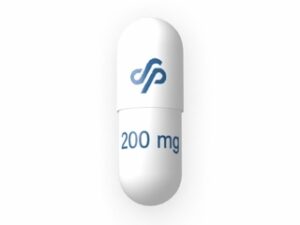
- Typical appearance: depends on brand and strength
- How it’s supplied: availability varies by supplier; generally supplied through Australian pharmacies
In Australia, products and indications may differ by brand and regulatory status. Your pharmacist can confirm the exact strength, brand, and relevant CMI for the item you purchase.
How amantadine works (mechanism of action)
Amantadine’s exact therapeutic effects depend on the condition being treated. In neurological uses, it is thought to influence brain signalling through several related mechanisms, including:
- Modulating dopamine-related pathways: It may enhance or mimic dopaminergic activity, supporting movement control.
- NMDA receptor antagonism: It can reduce the activity of certain excitatory pathways (important in some movement disorders and related symptoms).
- Membrane and transport effects: It can affect ion channels and cellular transport processes that influence nerve communication.
Because of these actions, amantadine may help reduce certain movement symptoms and improve related function in selected patients.
Pharmacokinetics (how the body handles it)
Pharmacokinetics describes how the body absorbs, distributes, metabolises, and eliminates a medicine. Understanding these properties can help you anticipate how dosing schedule and kidney function may affect treatment.
- Absorption: Oral amantadine is absorbed from the gastrointestinal tract.
- Onset: Some effects may be noticed within days, while full benefit can take longer depending on the condition.
- Distribution: It can reach the central nervous system (brain/spinal cord), which contributes to its neurological effects.
- Metabolism: Amantadine undergoes limited metabolism.
- Elimination: Mainly excreted unchanged through the kidneys.
- Half-life: Elimination half-life is variable and may be prolonged in people with reduced kidney function.
Why this matters: If you have kidney disease, older age, or reduced kidney function, your prescriber may adjust the dose to reduce the risk of side effects.
Typical use and indications
Amantadine is used for particular conditions where it has evidence of benefit. The approved uses and recommended schedules depend on local Australian regulatory guidance and individual clinical factors.
Common clinical indications (general overview)
- Parkinson’s disease and parkinsonism: for selected symptoms or as part of a broader treatment plan.
- Drug-induced movement disorders: in certain clinical scenarios to manage movement-related symptoms.
- Other neurological conditions: some specialists may use it for specific symptom patterns when appropriate.
Important: Indications and eligibility can vary between products and over time due to changing evidence and guidance. If you are unsure why you’re taking amantadine, ask your doctor or pharmacist.
Dosing: typical schedules and practical notes
Dose depends on the condition, your age, kidney function, and how you respond to treatment. This section gives general, patient-friendly information on dosing patterns—not a personal dose.
General dosing principles
- Start low when appropriate: especially in older adults or those with kidney impairment.
- Split dosing: many schedules are divided during the day to help reduce side effects such as dizziness or sleep disturbance.
- Monitor response: your prescriber may adjust dose based on benefit and tolerability.
- Do not double up: if you miss a dose, follow the instructions provided with your medication or ask your pharmacist what to do.
Example timing patterns (illustrative only)
| Common schedule pattern | When doses may be taken | Why it’s used |
|---|---|---|
| Once daily | Morning or early afternoon | For some patients where side effects are more likely later in the day |
| Twice daily | Morning and late afternoon/early evening (as advised) | To improve symptom control while reducing peak-related adverse effects |
| Three times daily (less common) | Morning, midday, and evening (as advised) | Used in some regimens to maintain steadier symptom control |
Kidney function adjustment: because amantadine is cleared mainly by the kidneys, reduced kidney function often requires careful dose selection. Your prescriber may also review kidney function periodically during treatment.
Timing: when to take amantadine
The best time to take amantadine is the time that fits your dosing plan and minimises side effects. Many people find the medication is better tolerated when taken at consistent times each day.
- Take at the same times daily to maintain steady levels.
- Avoid taking too late in the day if it makes you feel wired, causes insomnia, or increases confusion—tell your clinician so the schedule can be adjusted.
- If nausea occurs, taking the dose with food may help (see food interactions section below).
Food interactions: can you take it with meals?
Amantadine can generally be taken with or without food, but food may affect tolerability for some people. Eating may reduce stomach upset for those who experience nausea or discomfort.
- With food: may improve gastrointestinal comfort.
- Without food: may be fine if you tolerate it well.
- Consistency matters: try to take it the same way each time (with or without food) unless your doctor advises otherwise.
If you are taking other medicines at the same time, confirm whether any of them have specific spacing requirements.
Alcohol and medicine interactions
Alcohol
Alcohol may worsen or add to side effects such as dizziness, drowsiness, impaired concentration, or balance problems. To reduce risk, it’s generally recommended to limit alcohol or avoid it unless your healthcare professional says it’s safe for you.
Medicines that may interact
Interactions can occur via effects on the nervous system, kidney clearance, or changes in urinary pH. Because amantadine is cleared largely by the kidneys, factors that affect kidney function or urine characteristics may matter.
Examples of interaction risk categories (not exhaustive):
- Other medicines affecting the brain: sedatives, strong anti-anxiety medicines, some antidepressants, and other treatments that can cause dizziness or confusion.
- Anticholinergic medicines: can increase the risk of confusion, blurred vision, constipation, or urinary retention.
- Medicines that affect kidney function (or are cleared renally): your doctor may adjust dosing or monitor for side effects.
- Medications that change urine pH: changes in urine acidity/alkalinity can influence how amantadine is excreted.
- Other movement disorder drugs: combined regimens may require careful monitoring for additive side effects.
Always provide your pharmacist with a full list of medicines, including:
- prescription medicines
- pharmacy medicines and “over-the-counter” products
- herbal supplements
- vitamins or high-dose minerals
If you use additional medicines occasionally (for example, sleep aids, antihistamines, or cough/cold products), mention them too—these can sometimes affect alertness or interact indirectly.
Recent guidance and safety monitoring (Australia)
Medicines may be updated over time based on new evidence, safety findings, and review by Australian regulators and professional bodies. While the overall safety profile of amantadine is established, clinicians may revise monitoring recommendations for specific groups (for example older adults, people with kidney impairment, or those at higher risk of confusion).
- Kidney function awareness: clinicians often check renal function more carefully in at-risk patients due to renal clearance.
- Neuropsychiatric monitoring: people with a history of confusion, mood changes, or hallucinations may require closer observation.
- Adherence and sudden changes: stopping or changing dose without medical advice can affect symptoms and tolerability.
Your pharmacist can help you check whether any specific Australian product updates apply to your brand or strength.
Safety profile: common and serious side effects
Like all medicines, amantadine can cause side effects. Many are dose-related and improve when the dose is adjusted. However, some symptoms may require prompt medical attention.
Common side effects
- Dizziness
- Nausea or stomach upset
- Dry mouth
- Headache
- Sleep disturbances (insomnia or restless sleep)
- Confusion or feeling “foggy” (more common in older adults or those with kidney impairment)
- Swelling of ankles/feet (less common)
- Blurred vision
Serious side effects (seek urgent medical help)
Contact emergency services or seek urgent medical attention if you experience any of the following:
- Severe confusion, agitation, delirium, or sudden behavioural changes
- Hallucinations or severe mood changes
- Allergic reactions such as swelling of the face/lips, wheezing, or hives
- Chest pain, fainting, or severe shortness of breath
- Severe rash or blistering skin reactions
- Signs of worsening kidney issues (for example reduced urination) if relevant to you
Risk groups
The likelihood of adverse effects is higher in certain situations:
- Older adults
- People with reduced kidney function
- Those taking other medicines that affect the nervous system or increase confusion
- People with a history of psychiatric symptoms (for example hallucinations or severe agitation)
Practical use tips (how to get the most benefit)
- Track your response: note changes in symptoms (movement, tremor, stiffness) and when you take doses. This can help your clinician fine-tune the regimen.
- Be careful with driving and machinery: dizziness or blurred vision can occur. Avoid driving if you feel unsteady.
- Manage sleep: if amantadine affects your sleep, discuss moving the dose earlier with your healthcare provider rather than stopping abruptly.
- Hydration matters: staying well-hydrated supports kidney function. Follow any fluid advice you have been given for other medical conditions.
- Use one pharmacy and keep your medication list updated: it improves safety when checking interactions and dosing.
- Don’t stop suddenly: if you plan to discontinue, seek medical advice first because changes can affect symptoms.
Missed dose guidance
If you miss a dose, do not take an extra dose to “catch up” unless your pharmacist or prescriber tells you to. The correct approach depends on how far you are from the next scheduled dose.
For the safest guidance, check your product’s CMI or ask your pharmacist what to do based on your schedule.
Alternative options
Alternatives depend on the condition you’re treating and your medical history. For neurological and movement-related symptoms, clinicians may consider other therapies such as:
- Other medicines used in Parkinson’s disease/parkinsonism (for example dopamine-related therapies)
- Non-medicine approaches including physiotherapy, occupational therapy, and targeted exercise programs
- When relevant: adjustments to other current medicines that may be contributing to symptoms
Discuss options with your clinician. If you’re seeking an alternative because of side effects, it may be possible to adjust the dose or timing rather than switch completely.
Market and legal context in Australia (overview)
In Australia, medicines are supplied according to the Therapeutic Goods Administration (TGA) framework and state/territory legislation governing pharmacy supply. Amantadine is generally managed as a prescription medicine in Australia, meaning supply typically requires appropriate healthcare involvement.
Online pharmacies operate under Australian regulatory requirements, including safe supply practices, identity verification where required, and adherence to relevant legislation. When ordering, you may be asked to confirm details so the pharmacy can supply the correct product safely.
If you have questions about whether a specific brand or strength is available for your location, your pharmacist can provide guidance.
Delivery and availability (online pharmacy)
Availability varies by brand and strength. Many Australian pharmacies can supply common strengths relatively quickly, while some less common formulations may require ordering from suppliers.
- Dispatch times: often depend on stock availability
- Delivery timeframes: depend on your address and local courier services
- Packaging: medicines are supplied in manufacturer-labelled packaging where possible
- Temperature considerations: follow storage instructions on the label; do not freeze unless indicated
If you need delivery by a specific date, contact the pharmacy before ordering to confirm expected dispatch.
Storage and handling
Store amantadine according to the instructions on the label and the CMI:
- Keep in a cool, dry place as directed
- Protect from moisture and excessive heat
- Keep out of reach of children
- Do not use after the expiry date
- Store in the original packaging unless your pharmacist advises otherwise
FAQ: Amantadine (Australia)
1) What is amantadine used for?
Amantadine is used for specific neurological and movement-related conditions where it has demonstrated benefit. The exact indication depends on the product, your health history, and clinical assessment.
2) How long does it take to work?
Some people notice changes within days, but for others it may take longer to reach the full effect. Your clinician may adjust the dose based on response and side effects.
3) Can I take amantadine with food?
Yes, it can often be taken with or without food. If you experience nausea, taking it with a meal may help. Keep the method consistent unless advised otherwise.
4) Can I drink alcohol while taking amantadine?
It’s best to limit alcohol or avoid it, as alcohol may increase dizziness, drowsiness, and impaired judgement. Discuss your situation with your pharmacist or clinician if you plan to drink occasionally.
5) What side effects should I watch for?
Common effects include dizziness, nausea, sleep disturbance, and headache. Seek urgent medical attention for severe confusion, hallucinations, allergic reactions, or other serious symptoms.
6) Does kidney disease affect amantadine?
Yes. Because it is cleared mainly by the kidneys, reduced kidney function can increase the risk of side effects. Dose adjustment and monitoring may be needed.
7) What medicines should I tell my pharmacist about?
Tell your pharmacist about all medicines and supplements you take, especially: sedatives, other nervous system medicines, anticholinergics, kidney-related medicines, and any products that could affect urine pH or kidney function.
8) What should I do if I miss a dose?
Follow the guidance on the product or from your pharmacist. In general, don’t take an extra dose to make up for the missed one unless advised.
9) Is amantadine safe for everyone?
Not necessarily. Safety depends on your age, kidney function, other medications, and your medical history. Your healthcare professional can assess suitability and monitor you appropriately.
10) Are there alternatives to amantadine?
Alternatives depend on your condition. Your clinician may consider other therapies, including different medicines and supportive non-medicine options such as physiotherapy or lifestyle adjustments.
Disclaimer: This information is for general education and does not replace advice from a healthcare professional. If you have specific questions about your condition, interactions, or dose schedule, speak with your doctor or pharmacist.