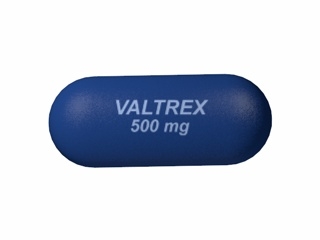


Valtrex (Valacyclovir) – Patient Guide (Australia)
Valtrex is a brand of the antiviral medicine valacyclovir. It is used to treat and suppress outbreaks of herpes viruses, including cold sores (herpes labialis) and genital herpes (herpes simplex virus). Valacyclovir works by stopping the virus from multiplying, helping symptoms improve faster and reducing the chance of future outbreaks in suitable people.
This guide is written to be clear and patient-friendly. It covers how Valtrex works, typical uses, how and when to take it, important interactions (including alcohol and other medicines), safety considerations, and practical tips. It also includes information relevant to Australia’s healthcare environment and what to expect with delivery and availability.
Quick facts
- Active ingredient: Valacyclovir (as valacyclovir hydrochloride)
- Common uses: Cold sores, genital herpes, shingles (herpes zoster), and certain other herpes-related conditions
- How it works: Converted in the body to acyclovir, which inhibits viral DNA replication
- Typical dosing: Depends on the condition and whether treatment is for attacks or long-term suppression
- Key safety notes: Kidney function is important; hydration matters
- Food: Can be taken with or without food for many regimens
What is Valtrex (valacyclovir)?
Valtrex is an oral antiviral medicine used to treat infections caused by herpes viruses. It contains valacyclovir, a prodrug of acyclovir. A prodrug means the medicine is converted in the body into its active form.
Once converted to acyclovir, valacyclovir works mainly by blocking the virus’s ability to copy its genetic material—helping the infection settle and symptoms improve.
How it works (mechanism of action)
Valacyclovir is designed to be absorbed from the gut and converted into acyclovir inside the body. The active molecule interferes with viral replication.
- Conversion: After absorption, valacyclovir is converted to acyclovir (primarily in the liver).
- Activation: In infected cells, acyclovir is further activated to a form that targets viral DNA.
- DNA replication block: The active form inhibits the herpes virus DNA polymerase, reducing multiplication.
What this means for you: Starting treatment early—especially at the first signs of a cold sore or during the early phase of an outbreak—often improves the chance of faster healing and symptom relief.
Pharmacokinetics (how your body processes it)
Pharmacokinetics describes how the body absorbs, distributes, metabolises, and eliminates a medicine.
- Absorption: Valacyclovir is well absorbed after oral dosing.
- Conversion to acyclovir: Primarily occurs in the liver and other tissues.
- Peak levels: Acyclovir levels rise after dosing and peak within a few hours, depending on the individual and dose.
- Elimination: Acyclovir is largely cleared through the kidneys.
- Kidney function matters: If kidney function is reduced, doses may need to be adjusted and adequate hydration is important.
Because clearance depends heavily on the kidneys, people with kidney impairment should use valacyclovir carefully and may require a tailored dosing schedule. Your clinician or pharmacist can advise based on your kidney function.
Typical uses and indications
Valtrex is used for a range of herpes virus infections. The exact regimen depends on the condition being treated and your personal history.
Common indications in practice
- Herpes labialis (cold sores): Treatment of outbreaks.
- Genital herpes (HSV): Treatment of attacks and prevention (suppression) of recurrent episodes.
- Herpes zoster (shingles): Treatment of shingles to help reduce duration of symptoms and complications.
- Other herpes-related conditions: Depending on clinical assessment, valacyclovir may be used for additional herpes virus infections.
The correct dosing and duration vary between conditions. Always follow the dosing schedule provided for your situation.
Timing: when to take Valtrex
Timing can influence how well an antiviral works. In general, antivirals work best when started early in the course of an outbreak.
- Cold sores: Take as soon as you notice early signs (tingling, itching, redness) or at the first sign of a lesion.
- Genital herpes outbreaks: Treatment is often most effective when started promptly after symptoms begin.
- Shingles: Starting within the early window after rash onset is typically preferred to maximise benefit.
- Long-term suppression: Take doses at consistent times every day as directed.
If you miss a dose, don’t double up to “catch up” unless your pharmacist or prescriber tells you to. Ask a pharmacist for guidance if you are unsure.
Dosing overview (typical regimens)
Dosing depends on the condition (cold sore, genital herpes, shingles), whether the goal is treatment of an outbreak or daily suppression, your age, kidney function, and other medicines.
The table below provides general reference ranges commonly used for valacyclovir regimens. Your exact dose should match the instructions you receive for your condition.
| Condition | Common goal | Typical valacyclovir approach (varies by person) |
|---|---|---|
| Cold sores (herpes labialis) | Treatment of an outbreak | Short course started early after symptoms begin |
| Genital herpes (HSV) | Treatment of attacks | Multiple doses per day for several days, started promptly after onset |
| Genital herpes (HSV) | Long-term suppression | Once or twice daily dosing over longer periods to reduce recurrence |
| Shingles (herpes zoster) | Treatment | Regular dosing over about one week, ideally started early |
| Special circumstances | Individualised | Doses may change with kidney function, age, or clinical factors |
Kidney-related dose adjustment: If you have reduced kidney function, the dosing frequency or dose strength may need adjustment. Your pharmacist can help ensure the regimen is appropriate for you.
Food interactions
For many people, valacyclovir can be taken with or without food. Food generally does not significantly reduce its effectiveness for most standard regimens.
- If your stomach is sensitive, taking it with food may reduce the chance of nausea.
- Stay consistent with your routine to avoid missed or late doses.
Always follow the specific instructions on the medicine label or provided by your healthcare professional.
Alcohol and medicine interactions
Alcohol does not typically have a straightforward “prohibited” interaction with valacyclovir for all individuals, but caution is still advised. Alcohol can worsen dehydration risk and may affect how you feel while recovering.
Alcohol considerations
- Hydration: Both antiviral treatment and your illness may make hydration important. Alcohol can dehydrate some people.
- Side effects: Alcohol may increase dizziness, drowsiness, headache, or stomach discomfort, which can overlap with medication effects.
- Immune health: Heavy or frequent alcohol use can impair immune function over time.
Important medicine interactions
Valacyclovir can interact with other medicines, particularly those affecting the kidneys or those that may increase acyclovir levels. Tell your pharmacist about all medicines you take, including:
- Medicines that affect kidney function (for example, some diuretics and other kidney-clearing drugs)
- Medicines that can affect kidney clearance (including certain antivirals or medicines cleared by the kidneys)
- Nephrotoxic medicines (medicines that can stress the kidneys)
A common safety focus is the potential for kidney strain and related side effects if interacting drugs increase acyclovir exposure. Your pharmacist can check for clinically relevant interactions for your medication list.
Safety profile and side effects
Most people tolerate valacyclovir well. However, like all medicines, it can cause side effects. Many are mild and temporary. Contact a healthcare professional if you experience concerning symptoms.
Common side effects
- Nausea
- Headache
- Dizziness
- Stomach discomfort
Less common but important side effects
- Kidney-related effects: Reduced urine output, swelling, or unusual tiredness—especially in people with existing kidney problems.
- Allergic reactions: Rash, itching, swelling of the face/lips, or breathing difficulty.
- Neurological symptoms (rare): Confusion, agitation, hallucinations, or severe drowsiness—more likely in people with kidney impairment.
When to seek urgent help
Seek urgent medical attention if you have signs of a serious allergic reaction (such as difficulty breathing, face swelling, or widespread hives), or if you develop severe confusion, fainting, or marked changes in urination.
Who should take extra care?
- People with kidney disease or reduced kidney function
- Older adults (kidney function may decline with age)
- People taking multiple medicines (interaction risk can be higher)
- Pregnancy or breastfeeding (discuss risks and benefits with a clinician)
- People with dehydration (important for kidney safety)
Practical use tips (to get the best results)
- Start early: Use at the first signs of an outbreak when treatment is intended for acute symptoms.
- Keep hydrated: Drink water regularly unless you’ve been told to restrict fluids.
- Set reminders: If taking more than once per day, use a phone alarm or medication organiser.
- Take consistently: For daily suppression, consistency is key to reducing recurrence.
- Don’t stop early: Complete the course unless advised otherwise.
- Use supportive care: For cold sores and shingles, consider additional comfort measures such as gentle skin care and pain relief options recommended by a pharmacist.
Transmission reminder: Even with antiviral treatment, herpes viruses can be transmitted during symptomatic outbreaks and sometimes between outbreaks. Safer sex practices and avoiding contact with lesions are still important.
Alternative options
There are other antiviral medicines used for herpes infections. Availability and the best choice depend on the condition, severity, kidney function, and individual factors. Your pharmacist can discuss suitable alternatives if needed.
Common alternatives (examples)
- Acyclovir (another antiviral; may require more frequent dosing depending on regimen)
- Famciclovir (another oral option used for herpes infections)
- Topical treatments for cold sores in some cases (supportive; may not replace systemic antivirals for everyone)
If you’re considering an alternative due to side effects, dosing convenience, or interactions, ask your pharmacist to compare options for your specific diagnosis.
Market and legal context in Australia
In Australia, the availability of medicines and the process for obtaining them can vary by formulation and strength. Antiviral medicines such as valacyclovir are typically managed through appropriate healthcare pathways.
For online pharmacy purchases, the process usually includes:
- verification steps to confirm suitability and safe use
- assessment of key risk factors such as kidney health and current medicines
- clear product labelling and dosing instructions
Product listings and supply conditions can change. Always ensure the medicine you receive is appropriate for your needs and from a reputable supplier. If you are unsure whether Valtrex is suitable for your situation, speak with a pharmacist.
Recent guidance
Antiviral use for herpes infections is an established treatment approach. Clinicians commonly focus on:
- Early initiation for best symptom outcomes
- Renal dosing awareness to reduce risk
- Appropriate patient education about adherence and transmission reduction
Recommendations may be updated as new evidence emerges. Your pharmacist can confirm current advice as it relates to your region and condition.
Delivery and availability (online pharmacy)
Availability can differ by brand and pack size. When ordering online in Australia, delivery typically depends on stock status and your location. Common expectations include:
- In-stock vs pre-order: If a product is not immediately available, suppliers may offer pre-order or an estimated restock time.
- Packaging: Medicines are usually shipped in protective packaging with clear labelling.
- Cold chain: Valacyclovir is generally not a cold-chain product, but always follow the product label instructions.
- Delivery timeframes: Vary by courier service and state/territory.
If you need the medicine urgently for symptom onset, check stock status and delivery estimates before placing an order. A pharmacist can also advise on timing if your symptoms are already present.
FAQ about Valtrex (valacyclovir)
1) How quickly does Valtrex work?
Many people notice symptom improvement within a day or two when taken early. The exact timeline varies by condition (cold sore vs shingles vs genital herpes) and how soon treatment begins after symptoms start.
2) Can I take Valtrex with food?
In many cases, yes. Taking it with food may help reduce stomach upset. Follow your specific instructions for your dosing schedule.
3) What if I miss a dose?
Take it when you remember unless it’s near the time for your next dose. Do not double up unless advised by a pharmacist or clinician. If you’re unsure, contact a pharmacist for guidance.
4) Is Valtrex safe for everyone?
It is not suitable for all people. Extra caution is needed with kidney impairment, dehydration, and in certain medical situations (including pregnancy or breastfeeding). Discuss your health history and current medicines with a pharmacist.
5) Will Valtrex cure herpes permanently?
Valacyclovir controls outbreaks and can help suppress recurrence, but herpes viruses can remain dormant in the body. Suppressive therapy aims to reduce how often outbreaks occur and how severe they are.
6) Can I drink alcohol while taking Valtrex?
Small amounts may be tolerated by some people, but alcohol can increase dehydration risk and may worsen side effects such as nausea or dizziness. It’s best to keep alcohol low and maintain good hydration. If you have kidney issues or you feel unwell, avoid alcohol and ask a pharmacist.
7) What medicines should I be careful with?
Medicines that affect kidney function or are cleared through the kidneys may interact or increase risk of side effects. Provide your pharmacist with a full list of your medicines, including over-the-counter products and supplements.
8) Does Valtrex prevent transmission?
It can reduce viral shedding and outbreaks in some circumstances, which may lower the risk of transmission. However, herpes can still be transmitted. Safer sex practices and avoiding contact with lesions remain important.
9) Can I use Valtrex for shingles?
Yes, valacyclovir is commonly used for shingles. Starting early after rash onset is typically important for best results.
10) Is there any special care for cold sores?
Along with antiviral treatment, supportive measures can help comfort. Avoid touching lesions, keep the area clean, wash hands thoroughly after contact, and avoid sharing items that may contact saliva (such as lip balm or utensils).
Summary
Valtrex (valacyclovir) is an oral antiviral medicine used to treat and suppress herpes virus infections such as cold sores, genital herpes, and shingles. It works by blocking viral DNA replication after being converted into acyclovir in the body. For best outcomes, start therapy early, stay well hydrated, and follow a consistent dosing schedule—especially for long-term suppression. Because acyclovir is cleared through the kidneys, kidney function and interacting medicines are important safety considerations.
If you have questions about how to use Valtrex safely, how it fits with your other medicines, or what dosing schedule is appropriate for your condition, speak with a pharmacist.