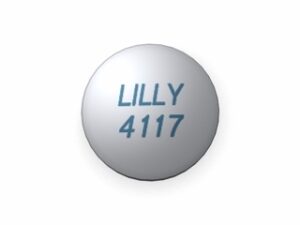

Desyrel (Trazodone) – Patient-Friendly Medicine Information (Australia)
Desyrel is a brand of trazodone, a medicine used mainly to treat depression. Depending on your individual needs, it may also be prescribed for other conditions related to sleep or anxiety, as assessed by a healthcare professional.
This page explains how Desyrel works, how it is commonly used, what to expect, and important safety information—written in clear, patient-friendly language for people in Australia.
Quick Overview
- Active ingredient: Trazodone (commonly as hydrochloride)
- Common use: Depression; sometimes used for sleep disturbance associated with mood conditions
- How it works: Affects serotonin receptors and increases serotonin activity in the brain
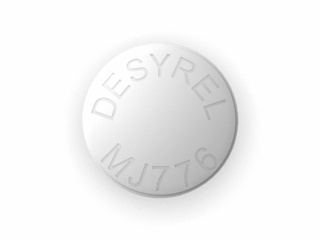
- Typical forms: Tablets (and in some markets, different strengths/modified-release forms may exist)
- How it’s usually taken: Once nightly or divided doses, depending on the plan
- Common side effects: Drowsiness, dizziness, dry mouth, constipation, nausea
What is Desyrel?
Desyrel (trazodone) is a centrally acting medicine that belongs to the class often described as a serotonin modulator and antidepressant. It is not the same as benzodiazepines or “sleeping tablets,” but it can cause calming/sedating effects that may help with sleep, particularly when depression is present.
In Australia, Desyrel is available through authorised pharmacy channels. Availability can vary by strength and product form.
How Desyrel Works (Mechanism of Action)
Trazodone’s antidepressant effects are mainly linked to its interaction with the brain’s serotonin system. While exact effects can be complex, the practical understanding is:
- Serotonin receptor activity: It modulates serotonin receptors, especially 5-HT2A, helping regulate mood.
- Serotonin reuptake inhibition (weaker than some antidepressants): It can influence serotonin transport, contributing to antidepressant effects.
- Sleep and sedation effects: Through receptor actions (including histamine and alpha-adrenergic effects), trazodone may be calming and may help some people fall asleep or stay asleep.
Important note: Desyrel is not a fast-acting sedative. Many people notice mood changes gradually over days to weeks, while sedation can appear sooner.
Pharmacokinetics (How Your Body Handles It)
Pharmacokinetics describes what happens to a medicine after you take it—absorption, distribution, metabolism, and elimination.
- Absorption: Trazodone is absorbed after oral dosing. Food may alter the rate of absorption (see “Food Interactions” below).
- Distribution: It distributes into body tissues and crosses into the brain to act on receptors.
- Metabolism: Trazodone is primarily metabolised in the liver, mainly by CYP3A4 enzymes.
- Active metabolites: Trazodone is converted into metabolites that may contribute to effects and side effects.
- Elimination: It is eliminated mostly via urine (as metabolites).
Why this matters: Medicines that affect liver enzymes (especially CYP3A4) may change trazodone levels—potentially increasing side effects or reducing effectiveness.
Typical Use in Australia
Desyrel is most commonly used for:
- Depressive disorders (major depression or related depressive conditions, depending on clinical assessment)
- Depression with sleep problems (because trazodone may improve sleep quality in some individuals)
Doctors may tailor treatment based on symptoms, age, other medicines, and medical history.
Indications (When Desyrel May be Used)
In clinical practice, trazodone is indicated for:
- Major depressive disorder or other depressive illnesses
- Symptoms of depression that include insomnia (your prescriber may choose a schedule to address both mood and sleep)
Not intended as: A stand-alone treatment for all types of insomnia or anxiety disorders—use depends on the underlying cause and your overall health plan.
Dosing: How Desyrel is Commonly Taken
Dosing varies widely by individual factors such as age, sensitivity to sedating medicines, severity of depression, and other health conditions.
Typical approach:
- Start low, increase gradually: Many people begin with a lower dose at night to reduce the chance of dizziness or excessive sedation, then adjust if needed.
- Night-time dosing is common: Because trazodone can be calming, it’s often taken in the evening or at bedtime.
- Follow your plan: Dose schedules are usually individualised; do not change your dose without medical advice.
General dosing ranges (for guidance only):
| Use | Common starting approach | Typical adjustment pattern | Notes |
|---|---|---|---|
| Depression | Often begun with a low nightly dose | Gradual increases based on response and tolerability | Some people may require divided dosing depending on formulation and side effects |
| Depression with insomnia | Night-time dosing is often used | Titrated to balance sleep benefits and next-day alertness | Excess drowsiness may require dose timing or adjustment |
What to remember: Exact doses depend on the tablet strength and whether the product is immediate-release or modified-release. Always check the product packaging and dosing instructions given to you.
Timing: Best Time to Take Desyrel
Because Desyrel can cause drowsiness, many people take it:
- In the evening or at bedtime
- When they can rest (especially during the first days of treatment)
Practical timing tips:
- Plan to have time to get ready for bed after your dose.
- Be cautious with morning activities if you feel groggy.
- If you experience dizziness when standing, ask your healthcare professional about adjusting the dose or timing.
Food Interactions
Food can affect how quickly trazodone is absorbed and how you feel after taking it.
- Taking with or after food may reduce stomach discomfort for some people.
- Consistency helps: Try to take it the same way each day (either always with food or always without), unless your healthcare provider advises otherwise.
If you feel nauseated: Consider taking it after a meal, and discuss persistent side effects with your pharmacist or doctor.
Alcohol and Medicine Interactions
Alcohol
Avoid alcohol while taking Desyrel unless your healthcare professional explicitly says it is safe. Alcohol can:
- Increase sedation and drowsiness
- Increase the risk of dizziness, falls, and impaired driving/operating machinery
- Worsen mood and sleep quality
Medicines that may interact with Desyrel
Because trazodone is metabolised partly by CYP3A4, medicines that strongly affect CYP3A4 can change trazodone levels.
Tell your pharmacist or doctor if you take any of the following categories (this is not an exhaustive list):
- Other sedating medicines (sleeping tablets, opioids, some antihistamines)
- Antidepressants, especially combinations that increase serotonin (risk of serotonin syndrome)
- Medicines for migraine (e.g., triptans) or other serotonin-active drugs
- Antipsychotics or other medicines that affect the brain
- Strong CYP3A4 inhibitors (may increase trazodone levels) such as some antifungals or macrolide antibiotics
- Medicines that affect heart rhythm or cause electrolyte imbalance (may influence the risk of abnormal heart rhythms)
Do not start or stop other medicines without checking for interactions.
Safety Profile: Common and Serious Side Effects
Like all medicines, Desyrel can cause side effects. Many are mild and improve as your body adjusts, but some require urgent medical attention.
Common side effects
- Drowsiness or sleepiness (often early in treatment)
- Dizziness, especially when standing up
- Dry mouth
- Headache
- Nausea or stomach discomfort
- Constipation
- Blurred vision (sometimes)
- Fatigue
Less common but important risks
- Low blood pressure (postural hypotension), which may increase fall risk
- Abnormal heart rhythm in susceptible individuals (particularly with other risk factors/medicines)
- Priapism (a prolonged painful erection) – rare but serious
- Serotonin syndrome (uncommon, but can be life-threatening) when combined with other serotonin-increasing medicines
Seek urgent medical help if you notice
- Symptoms of serotonin syndrome: agitation, confusion, fever, sweating, tremor, diarrhoea, fast heartbeat, muscle stiffness
- Fainting or severe dizziness
- Chest pain, severe shortness of breath, or palpitations with feeling unwell
- Priapism: a painful erection lasting more than a few hours
- Severe allergic reaction: swelling of face/lips, trouble breathing, hives
Practical Use Tips (How to Get the Best Benefit and Reduce Hassle)
1) Give it time, but monitor early effects
Many people experience side effects soon after starting. Mood improvement generally takes longer than sedation.
- During the first 1–2 weeks, be extra cautious with driving or heights.
- Keep track of sleep, mood, and any side effects to discuss with your healthcare professional.
2) Move slowly when you’re getting up
If you feel light-headed:
- Sit on the edge of the bed for a moment before standing
- Stay hydrated (unless fluid restriction applies)
3) Avoid mixing with other sedatives or alcohol
These combinations can significantly increase drowsiness and safety risks.
4) Don’t stop suddenly without guidance
Stopping abruptly may cause discomfort in some people. If you need to discontinue, a gradual approach is often considered.
5) Be mindful of driving and operating machinery
If Desyrel affects your alertness, avoid tasks that require full attention until you know how you respond.
Stopping and Missed Doses (General Guidance)
Missed dose: If you miss a dose, take it when you remember only if it is still appropriate for your schedule. If it is close to the time of the next dose, skip the missed dose—do not double up.
Stopping: Don’t change or stop abruptly without professional advice. Your healthcare professional can guide a safe taper if needed.
Alternative Options (If Desyrel Isn’t Right for You)
If Desyrel doesn’t suit your symptoms, intolerance, or health conditions, your doctor may consider other options. Alternatives can include:
- Other antidepressants (SSRIs, SNRIs, or other classes depending on your symptoms and past response)
- Sleep-focused approaches such as improving sleep hygiene or short-term insomnia treatments (selected carefully, depending on suitability)
- Psychological therapies (e.g., CBT for depression and CBT-I for insomnia), often used alongside medication
Important: The best alternative depends on your diagnosis, medical history, and current medicines. Discuss options rather than switching on your own.
Market and Legal Context for Australia
In Australia, access to medicines like trazodone is regulated through the Australian healthcare system and pharmacy supply chain. Availability and the way Desyrel is dispensed can depend on product formulation, strength, and current regulatory classification.
For accurate local information, you can ask:
- Your pharmacist about current supply and options
- Your healthcare professional about suitability for your condition
- How monitoring is handled (especially if you have heart rhythm risks or multiple interacting medicines)
Always check the product label you receive and follow local pharmacy instructions.
Recent Guidance and Monitoring Considerations (Australia)
Clinical practice guidance for antidepressants typically emphasises:
- Careful individual assessment (age, comorbidities, other medications)
- Early follow-up after starting or changing dose—especially for sleepiness, blood pressure changes, and tolerability
- Mental health safety monitoring for any worsening mood or unusual changes in behaviour (your clinician will advise you what to watch for)
- Assessment of interaction risks, particularly with serotonin-active medicines and medications that affect liver metabolism
If you have risk factors such as heart rhythm concerns, liver disease, or take multiple medicines, ask your pharmacist or doctor about extra monitoring.
Delivery and Availability (Online Pharmacy Information)
When buying Desyrel online in Australia, availability may vary based on:
- Strength and formulation (different tablet strengths may be supplied from different distributors)
- Stock levels in your local area
- Pharmacy processing times (standard or express delivery options may apply)
Typical steps you can expect when ordering:
- Choose the correct strength and quantity from the pharmacy listings
- Complete payment and delivery details
- Order is processed and shipped in line with Australian pharmacy and courier procedures
Delivery timing: Delivery times depend on stock availability and your location. Many Australian pharmacies offer tracking so you can monitor progress once shipped.
FAQ: Desyrel (Trazodone)
1) How long does it take for Desyrel to work?
Some people feel calmer or more sleepy soon after starting, but antidepressant benefits typically take several weeks. If you feel no improvement after a reasonable trial, discuss with your healthcare professional rather than stopping abruptly.
2) Will Desyrel make me feel drowsy the next day?
It can, especially at the beginning or after dose increases. If you experience next-day grogginess, ask about adjusting the dose timing or dose amount.
3) Can I take Desyrel with food?
Many people can take trazodone with or without food. If nausea occurs, taking it after a meal may help. Try to keep your routine consistent.
4) Is it safe to drink alcohol while taking Desyrel?
It’s best to avoid alcohol because it can increase sedation, dizziness, and safety risks. If you’re unsure, ask your pharmacist or doctor.
5) What medicines should I avoid?
Be cautious with other sedatives, and tell your pharmacist if you take any antidepressants or serotonin-active medicines. Also mention any medicines for migraine, certain antibiotics/antifungals, or medicines that may affect heart rhythm.
6) Can Desyrel be used for insomnia on its own?
Some clinicians use trazodone to help sleep when depression is present, but the best approach for insomnia depends on the cause. Discuss your symptoms so treatment matches your needs.
7) What should I do if I miss a dose?
Take it only if it’s still appropriate for your schedule. If it’s close to your next dose, skip the missed dose. Don’t double up.
8) Are there warning signs I should watch for?
Seek urgent help for symptoms of serotonin syndrome, severe allergic reactions, fainting/severe dizziness, chest pain or serious palpitations, or priapism (a painful erection lasting more than a few hours).
9) Can I drive after taking Desyrel?
If you feel drowsy or dizzy, do not drive or operate machinery. Your response can vary, particularly during the first days of therapy.
10) Where can I get more help?
Your pharmacist can explain how to take Desyrel safely, check for interactions with your current medicines, and advise on side effect management. Your doctor can guide ongoing treatment decisions.
Summary
Desyrel (trazodone) is an antidepressant medicine that works mainly through modulation of the serotonin system. It is commonly taken at night because it may be calming and help with sleep, especially when depression is present. Like all medicines, it can cause side effects—most commonly drowsiness, dizziness, and dry mouth—and it may interact with alcohol and certain other medicines.
If you have questions about side effects, timing, or interactions, speak with your pharmacist. If you experience severe symptoms such as signs of serotonin syndrome, fainting, chest pain, or priapism, seek urgent medical care.
Always refer to the product label and the instructions given by your healthcare professional for your specific medicine and dose.