

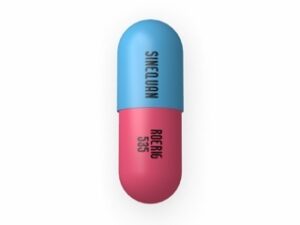
Sertraline (Zoloft and other brands) – Patient Information (Australia)
Sertraline is a widely used medicine for anxiety and depression. Many people find it helps reduce persistent low mood, worry, panic symptoms, and obsessive thoughts. This guide is designed to be patient-friendly and explain how sertraline works, when it’s taken, what to expect, and how to use it safely alongside other medicines and alcohol.
Important: Always follow the instructions provided by your healthcare professional and read the Consumer Medicine Information (CMI) supplied with your specific product.
1) Basic product information
| Feature | Typical details |
|---|---|
| Generic name | Sertraline |
| Common brand examples | Zoloft and other brands (varies by manufacturer and availability) |
| Medicine type | Selective serotonin reuptake inhibitor (SSRI) |
| Available forms | Tablets (strengths vary by brand) and oral liquid in some products |
| Uses | Depression, anxiety disorders, obsessive-compulsive disorder (OCD), and related conditions (see indications below) |
| Common dosing frequency | Usually once daily |
2) How sertraline works (mechanism of action)
Sertraline belongs to the SSRI group. SSRIs work by increasing the activity of serotonin in the brain.
- Serotonin is a natural chemical messenger (neurotransmitter) involved in mood, emotion regulation, sleep, appetite, and anxiety pathways.
- Sertraline blocks the reabsorption of serotonin in brain cells (by inhibiting the serotonin transporter). This helps serotonin remain available longer at synapses, supporting more stable signaling over time.
- The full benefit usually develops gradually because the brain’s signalling pathways adapt over days to weeks.
3) Pharmacokinetics (what the body does with sertraline)
Pharmacokinetics describes absorption, distribution, metabolism, and elimination. While individual results vary, the key practical points are:
- Absorption: Sertraline is absorbed after oral dosing. Food can influence the timing of absorption but not usually the overall effectiveness.
- Distribution: It is distributed widely throughout the body, including the brain.
- Metabolism: The liver primarily metabolises sertraline. A major metabolite is formed, which also contributes to activity.
- Elimination half-life: Sertraline and its metabolite are eliminated over time. The effective duration of action supports once-daily dosing for most people.
- Steady state: Concentrations build over repeated dosing and typically reach steady state within about a week (varies by person).
If you have liver impairment, your prescriber may adjust the dose or frequency. Inform your healthcare professional if you have hepatitis, cirrhosis, or abnormal liver tests.
4) Typical uses (indications)
Sertraline is used for a range of mental health conditions, including:
- Major depressive disorder (depression)
- Obsessive-compulsive disorder (OCD)
- Panic disorder (including with or without agoraphobia)
- Post-traumatic stress disorder (PTSD)
- Social anxiety disorder
- Generalised anxiety disorder (GAD)
- Other anxiety-related conditions as listed in your product information and treatment plan
Your healthcare professional may also use sertraline for conditions not listed here depending on clinical assessment. Always follow your individual plan.
5) When and how to take sertraline (timing and dosing)
When does it start working?
Many people notice early changes such as reduced agitation or improved sleep within the first 1–2 weeks, but mood and anxiety improvements often take longer.
- Early effects: sometimes within the first days to two weeks
- Full benefit: commonly several weeks (often 4–6 weeks or longer for some conditions)
- Long-term improvements: may continue to develop with ongoing treatment
Best time of day
Sertraline is commonly taken once daily. Choose the time that best fits your routine and side effects:
- If it makes you feel energised, restless, or affects sleep, consider taking it in the morning.
- If it makes you feel sleepy or relaxed, many people prefer evening dosing.
- Pick a time you can remember, and take it consistently.
Food timing and dosing flexibility
Sertraline can generally be taken with or without food. Some people find taking it with food helps reduce nausea or stomach upset.
Typical dosing approach
Doses differ based on the condition, age, and individual tolerance. Common starting strategies include:
- Starting dose: often lower at the beginning to reduce side effects
- Titration: may be increased gradually over time
- Maintenance dose: the lowest dose that provides good symptom control is often aimed for
Your product’s CMI will list specific dose ranges. A general example of titration is:
- Begin low for the first period
- Increase stepwise depending on response and side effects
- Wait for steady effects before further increases
Do not adjust your dose suddenly without clinical advice. If you miss a dose, follow the guidance in your CMI or ask a pharmacist for advice.
6) Food interactions
Sertraline has no strict requirement to take it with food. However, food can affect how quickly a dose is absorbed.
- With meals: may reduce nausea for some people.
- Without meals: still commonly acceptable, but you may be more likely to experience mild stomach upset early on.
If you experience persistent nausea, your pharmacist or prescriber can help you review timing, dose adjustments, and supportive strategies.
7) Alcohol and medicine interactions
Alcohol
While sertraline is not always listed as having a direct “absolute” interaction with alcohol, combining SSRIs with alcohol can be risky.
- May worsen mood and anxiety, undermining treatment benefit.
- May increase side effects such as dizziness, drowsiness, impaired concentration, and slower reaction times.
- Higher risk of poor decision-making, especially if you are newly starting treatment or adjusting dose.
Patient-friendly guidance: it’s generally advisable to limit alcohol or avoid it until you know how sertraline affects you. Ask your healthcare professional for advice tailored to your situation.
Medicines that may interact
Interactions can occur with other medicines that affect serotonin, bleeding risk, heart rhythm, or liver metabolism. Always provide your pharmacist with a complete list of medicines and supplements you use.
Common categories of medicines to mention:
- Other antidepressants (including MAO inhibitors)
- Other serotonergic medicines (e.g., some migraine medicines like triptans, linezolid, and some supplements)
- Non-steroidal anti-inflammatory drugs (NSAIDs) and anticoagulants/antiplatelets (may increase bleeding risk in some people)
- Medicines affecting liver enzymes (can change sertraline levels)
- Medicines that can affect heart rhythm (QT prolongation risk is assessed based on your overall profile)
- St John’s wort (herbal supplement) – may increase serotonin-related side effects
Serotonin syndrome warning signs
Rarely, combining serotonergic medicines can lead to serotonin syndrome. Seek urgent medical attention if you develop:
- fever or severe sweating
- confusion or agitation
- shaking/tremor, muscle stiffness, or jerking
- fast heart rate, diarrhoea, or feeling very unwell
Stopping or changing medicines
When changing or stopping serotonergic medicines, careful timing may be necessary to reduce withdrawal symptoms or interaction risks. Never start, stop, or switch medicines without professional advice.
8) Safety profile (what to know)
Like all medicines, sertraline can cause side effects. Many are mild and improve as your body adjusts, typically during the first few weeks.
Common side effects
- Nausea or stomach upset
- Headache
- Diarrhoea or changes in bowel habits
- Dry mouth
- Sleep changes (sleepiness or insomnia)
- Dizziness
- Tremor or feeling “on edge” early in treatment
- Reduced libido or sexual side effects
- Increased sweating
Blood sodium (hyponatraemia) risk
SSRIs, including sertraline, can sometimes lower blood sodium levels, particularly in older adults or those taking diuretics. Seek medical advice promptly if you develop symptoms such as:
- severe headache
- confusion
- extreme tiredness
- unsteadiness
Bleeding risk
SSRIs may slightly increase bleeding risk, especially when used with NSAIDs, aspirin, anticoagulants, or antiplatelet medicines. Report unusual bruising, black/tarry stools, or bleeding that won’t stop.
Activation or increased anxiety early on
Some people feel temporarily more anxious, restless, or have sleep disturbance when starting. This is often improved by a lower starting dose and gradual titration. Discuss persistent worsening with your prescriber.
Suicidal thoughts and behaviour (important information)
Antidepressants can increase the risk of suicidal thoughts and behaviour in some people, particularly in younger adults, especially during the early stages of treatment or dose changes. If you notice worsening mood, new agitation, or suicidal thoughts, contact your healthcare professional urgently or seek emergency help.
Withdrawal or discontinuation symptoms
Stopping sertraline suddenly can lead to discontinuation symptoms such as dizziness, nausea, irritability, or “electric shock” sensations. This can often be reduced by gradually tapering under medical guidance.
9) Practical use tips
- Take it at the same time each day to maintain consistent levels.
- Allow time for adjustment: early side effects often settle, while benefits build gradually.
- Hydrate and eat gently if nausea occurs—smaller meals can help.
- Track symptoms: consider noting sleep, anxiety level, and mood to share with your clinician.
- Don’t “double up” if you miss a dose—follow CMI guidance.
- Avoid abrupt changes in dose or stopping without advice.
- Review other medications (including over-the-counter products and supplements) with a pharmacist.
- Plan for driving/work: if you feel dizzy or drowsy initially, be cautious until you know your response.
10) Alternative options
If sertraline is not suitable or does not provide enough benefit, there are other evidence-based treatment options. Alternatives may include:
- Other SSRIs: for example, fluoxetine, escitalopram, citalopram, paroxetine (selection depends on individual factors)
- SNRIs: such as venlafaxine or duloxetine for certain anxiety and depression presentations
- Other antidepressants: e.g., mirtazapine (sometimes chosen for sleep and appetite-related symptoms)
- Psychological therapy: CBT and trauma-focused therapies can be effective, either alone or alongside medication
- Non-pharmacological strategies: sleep routine, exercise, mindfulness-based approaches, and structured support
Your healthcare professional can help choose the most appropriate option based on your diagnosis, history of response, side-effect preferences, and any medical conditions you have.
11) Sertraline in Australia – market and legal context
In Australia, sertraline is listed as a prescription medicine under the Pharmaceutical Benefits Scheme (PBS) and/or private supply systems depending on indications and eligibility criteria. Availability can vary between brands and presentations.
Online pharmacies in Australia typically provide medicines in line with national regulations. When purchasing sertraline from a pharmacy website, you’ll generally need to meet the appropriate requirements for the medicine type, provide relevant information, and select delivery options available in your state/territory.
For the most accurate Australian availability and guidance, refer to your pharmacy’s service information and the official resources of Australian medicines authorities.
12) Recent guidance and monitoring (what to watch for)
Guidance for SSRIs commonly emphasises:
- Start low, go slow where appropriate to reduce early side effects.
- Regular follow-up after initiation and dose changes to review symptom response and adverse effects.
- Monitoring for activation (increased anxiety/restlessness) and side effects such as sleep disturbance.
- Awareness of bleeding risk when SSRIs are combined with NSAIDs/anticoagulants.
- Risk assessment for suicidal thoughts in younger people and those with symptom worsening early in treatment.
If you experience significant side effects, worsening symptoms, or new concerning behaviours, contact your healthcare professional promptly.
13) Delivery and availability (online pharmacy information)
Availability of sertraline may depend on the specific brand, tablet strength, and whether you require tablets or liquid. Many Australian pharmacies can supply common strengths, while less common presentations may require ordering.
- What to check before ordering: strength (e.g., mg per tablet), formulation (tablets vs liquid), and quantity.
- Delivery timing: delivery times vary by location and carrier service level.
- Packaging: medicines are typically dispatched in secure, tamper-evident packaging.
- Cold chain: sertraline tablets/liquid generally do not require refrigeration; confirm with the product label.
- Returns: follow your pharmacy’s policy for healthcare products.
If you have questions about stock, expected dispatch, or delivery options to your postcode, you can usually contact the pharmacy’s customer service.
14) FAQ
How long does it take for sertraline to work?
Some people notice changes within the first 1–2 weeks, but meaningful symptom improvement often takes several weeks. For conditions like OCD, improvement can be slower and may require longer treatment before full benefit.
Should I take sertraline in the morning or at night?
It depends on side effects. If it affects your sleep, take it in the morning. If it makes you feel drowsy, take it in the evening. Consistency is important.
Can I take sertraline with food?
Yes. You can usually take sertraline with or without food. If you feel nauseated, taking it with food may help.
What should I do if I miss a dose?
Follow the missed-dose instructions in your CMI. In general, do not take extra doses to “catch up.” If you’re unsure, ask a pharmacist for advice.
Can I drink alcohol while taking sertraline?
It’s generally best to limit alcohol or avoid it, especially early in treatment or if you notice drowsiness, dizziness, or mood worsening. Ask your clinician for guidance based on your health and treatment progress.
Will sertraline cause weight gain?
Some people experience weight change on SSRIs, but responses vary widely. If you notice significant changes, discuss them with your healthcare professional.
Can I stop sertraline suddenly?
It’s usually not recommended to stop abruptly. Discontinuation symptoms can occur. Tapering should be planned with your prescriber.
What sexual side effects can occur?
SSRIs can affect libido and sexual function for some people. If this becomes distressing, speak with your healthcare professional—there may be dose or strategy adjustments.
Is sertraline safe for everyone?
Sertraline may not be suitable for some people depending on other medicines, medical conditions, age, and individual risk factors. Your pharmacist or clinician can help review your suitability.
Are there herbal or over-the-counter products I should avoid?
Many supplements and OTC products can interact with SSRIs. For example, St John’s wort is typically avoided. Always check with a pharmacist before starting new products.
What should I do if I feel worse after starting?
Some early activation or worsening can occur, especially during the first days to weeks. However, if you feel significantly worse, unsafe, or develop suicidal thoughts, seek urgent medical support.
Summary
Sertraline is an SSRI commonly used for depression and a range of anxiety-related conditions. It works by improving serotonin signaling, with benefits typically building gradually. It’s usually taken once daily and can often be taken with or without food. While many people tolerate it well, side effects—especially early on—can occur, and interactions with alcohol and certain medicines should be considered carefully. If you’re unsure about dosing, timing, or combinations with other products, speak with your pharmacist or healthcare professional.