

Endep (Amitriptyline) – Patient Information (Australia)
Endep is a brand of amitriptyline, a medicine from the antidepressant group known as tricyclic antidepressants (TCAs). It is used for several conditions, particularly where it can help with pain, sleep, mood symptoms, and certain nerve-related problems. This guide explains how Endep works, how it is usually taken, and what to expect in terms of safety and interactions.
Basic product information
- Medicine: Endep
- Active ingredient: Amitriptyline
- Drug class: Tricyclic antidepressant (TCA)
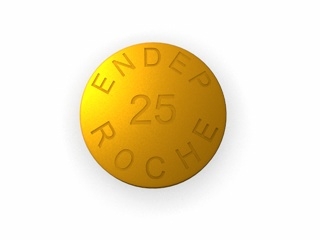
- Common dosage forms: Tablets (strengths vary by product and may include 10 mg, 25 mg, 50 mg; availability can depend on supply)
- Who it is for: Adults for a range of conditions as determined by a clinician
- Where it is used: Commonly in Australia for mood symptoms and pain/nerve-related conditions
Note: Product strengths, formulations, and brand-specific details can vary. Check the pack and speak with a pharmacist if you have questions about your exact version.
How Endep works (mechanism of action)
Amitriptyline primarily affects brain chemicals involved in mood and pain signalling—especially serotonin and noradrenaline. It works by changing how these neurotransmitters are reabsorbed and used in nerve pathways.
- Serotonin reuptake inhibition: helps improve mood and may influence pain processing.
- Noradrenaline reuptake inhibition: supports pain modulation and mood effects.
- Additional receptor effects: may contribute to benefits for sleep and chronic pain, but also drive some side effects (such as dry mouth, drowsiness, and constipation).
For many pain-related conditions, improvement may take time and often starts only after dose adjustments and consistent daily use.
Pharmacokinetics (how the body processes Endep)
“Pharmacokinetics” describes what happens to a medicine in the body: absorption, distribution, metabolism, and elimination. Understanding these steps can explain why dosing and timing matter.
- Absorption: Amitriptyline is absorbed after oral administration and reaches peak blood levels within a few hours (timing can vary between individuals).
- Distribution: It spreads widely throughout the body, including the brain. Amitriptyline can be present for a long time due to its pharmacology and tissue distribution.
- Metabolism: The liver metabolises amitriptyline into active and inactive metabolites (notably via CYP pathways).
- Elimination: It is cleared by the body through metabolism and kidney/bile pathways.
- Half-life: Amitriptyline has a relatively long duration in the body, which supports once-daily dosing for many people.
Because metabolism varies (for example, with age, liver function, and other medicines), dosing is often started low and increased gradually.
Typical uses (indications)
Endep can be used for a variety of conditions. Depending on your personal health history, it may be recommended to help with:
- Depression (particularly when other options are not suitable)
- Chronic pain, including nerve-related pain (neuropathic pain)
- Prevention of some headache disorders (for example, migraine prophylaxis in some treatment plans)
- Sleep problems when they are linked to mood, pain, or restlessness (as assessed by a clinician)
- Other specialised conditions where a clinician may choose a TCA based on symptom pattern and past response to treatments
If you are using Endep for pain or sleep, the benefits may build gradually. It is important not to stop suddenly without medical advice.
How to take Endep – timing and dosing basics
When to take it
Many people are advised to take Endep in the evening or at bedtime because it can cause drowsiness. If you feel sedated, bedtime dosing is often more comfortable and reduces daytime impairment.
- Starting dose: usually low to improve tolerability
- Titration: dose may be increased slowly over days to weeks based on response and side effects
- Consistency: take at the same time each day to help maintain steady effects
Typical dosing (general guidance)
The exact dose depends on the condition being treated, your age, other medical problems, and how sensitive you are to side effects. Below is a general description of how TCAs are commonly started and adjusted—always follow the instructions on your package and from your healthcare professional.
| Condition (examples) | General approach to dosing | Timing |
|---|---|---|
| Depression | Often started low, then gradually increased based on symptom response and tolerability | Evening/bedtime commonly used |
| Neuropathic pain / chronic pain | Usually started low to reduce sedation, sometimes titrated to the lowest effective dose | Often evening/bedtime |
| Headache prevention (some cases) | May start low and adjust gradually to balance benefit and side effects | Evening/bedtime often used |
Do not change your dose suddenly. If you miss a dose, your pharmacist or prescriber can advise what to do. If you are unsure, follow the instructions provided with your medicine.
Food interactions and dietary advice
Amitriptyline may be taken with or without food. Taking it with food can reduce stomach upset for some people. However, the most important “interaction” is not usually food but rather other medicines and alcohol.
- Grapefruit or grapefruit juice: may affect certain liver enzymes in ways that can change levels of some medicines. If you use grapefruit products regularly, ask your pharmacist whether it is a concern for amitriptyline in your situation.
- Caffeine and stimulants: may affect sleep and anxiety symptoms. If Endep is being used for sleep or pain, you may need to adjust caffeine intake.
If you have a sensitive stomach or experience nausea, consider taking it with a light meal.
Alcohol and medicine interactions
Alcohol
Avoid or limit alcohol while taking Endep. Alcohol can increase the risk of:
- Drowsiness and delayed reaction time
- Dizziness and falls
- Breathing problems in severe cases, especially when combined with other sedating medicines
- Worsening mood or sleep quality
Important medicine interactions
Many medicines can interact with amitriptyline. Some interactions can increase side effects or change amitriptyline blood levels. Others can affect heart rhythm. Always tell your pharmacist about all medicines you take, including: over-the-counter products, vitamins, herbal remedies, and supplements.
- Monoamine oxidase inhibitors (MAOIs): combination can cause serious reactions. A washout period is required when switching between MAOIs and TCAs.
- Other antidepressants: combined serotonergic medicines can increase risk of serotonin syndrome in certain situations.
- Medicines that affect heart rhythm: TCAs can affect cardiac conduction; combining with other QT-prolonging medicines may increase risk.
- Strong liver enzyme inhibitors: can increase amitriptyline levels, raising the risk of toxicity.
- Sedatives and sleep medicines (including benzodiazepines, some antihistamines, and certain pain medicines): increased sedation and impaired coordination.
- Anticholinergic medicines (some allergy, motion sickness, and bladder medicines): may increase dry mouth, constipation, blurred vision, and urinary retention.
- Stimulants or thyroid hormones: may increase sensitivity to TCAs or affect heart rate.
- Antiepileptic medicines: some may alter metabolism or seizure threshold.
This is not an exhaustive list. If you have a new medicine added (even “minor” ones like cold/flu tablets), check with your pharmacist.
Safety profile and common side effects
General warnings
Endep (amitriptyline) can cause side effects, especially during the first days to weeks of treatment or when doses are changed. The majority of issues are dose-related and often improve as your body adjusts.
If you experience severe symptoms or feel unwell, seek urgent medical care. Contact a clinician promptly for concerning symptoms (examples below).
Common side effects
- Drowsiness, fatigue
- Dry mouth
- Constipation
- Dizziness, especially when standing (orthostatic hypotension)
- Blurred vision
- Increased appetite and weight changes
- Sweating changes
- Nausea
- Tremor or restlessness in some people
Less common but important risks
- Heart rhythm changes (particularly in higher doses, older adults, or those with heart disease or interacting medicines)
- Urinary retention (more likely in people with prostate enlargement or bladder outlet obstruction)
- Severe allergic reactions (rare)
- Mania/hypomania in people with bipolar disorder
- Suicidal thoughts risk in some individuals when starting antidepressant therapy—monitoring is important
Stopping Endep
Do not stop abruptly unless a clinician advises it. TCAs may cause withdrawal-like effects such as: nausea, headache, sleep disturbance, irritability, and flu-like symptoms. Tapering is often recommended.
Practical use tips (to get the most benefit)
- Start low and go slow: a gradual increase reduces side effects and improves comfort.
- Take note of sedation: avoid driving or operating machinery until you know how you respond.
- Manage dry mouth: sip water regularly, choose sugar-free lozenges, and maintain good dental hygiene.
- Prevent constipation: increase fibre, fluid intake, and consider a stool softener if advised by a pharmacist.
- Stand up slowly: especially in the morning or after sitting for a while.
- Track benefit over time: for pain and sleep, give it time and keep a simple daily note of symptoms and sleep quality.
- Review all medicines: bring your list to appointments and check interactions when adding supplements or “over-the-counter” products.
- Store safely: keep in original packaging, out of reach of children.
Alternative options
Depending on the condition being treated (depression, neuropathic pain, migraine prevention, sleep issues), your clinician may consider alternatives to Endep. Options may include:
- Other antidepressants (for mood or certain pain indications)
- Other classes for nerve pain such as gabapentinoids (e.g., pregabalin, gabapentin) or serotonin-noradrenaline reuptake inhibitors (where appropriate)
- Topical therapies for some pain conditions
- Non-medicine approaches like physiotherapy, psychological therapies, sleep hygiene strategies, and lifestyle modifications
- Headache prevention options tailored to your diagnosis and risk profile
The best alternative depends on your medical history, other medications, and the specific goal (pain relief, sleep improvement, mood support, or headache prevention). Discuss options with a pharmacist or clinician to find what fits best.
Market and legal context in Australia
In Australia, medicines such as Endep (amitriptyline) are regulated under national pharmaceutical supply and scheduling systems. Availability through online pharmacies depends on: product scheduling, prescriber requirements, and patient eligibility checks used by compliant services.
Australian pharmacies follow safety frameworks designed to ensure appropriate use, including counselling on dosing, interactions, and adverse effects. If a product is not suitable for you, or if required checks cannot be completed, the pharmacy may decline supply or recommend consultation.
For the most accurate information for your situation, refer to the product label and the advice provided by the pharmacy.
Recent guidance and ongoing safety monitoring
Guidance for antidepressants and TCAs continues to evolve, with attention to:
- Individualised risk assessment (including heart health, fall risk, and interaction review)
- Monitoring when starting therapy, particularly for mood changes and suicidality in at-risk people
- Appropriate dose selection (start low, titrate slowly)
- Careful switching and tapering to reduce withdrawal effects
- Medication interaction vigilance, especially with serotonergic drugs and QT-prolonging medicines
Always confirm your current plan with your healthcare professional if you notice new symptoms, worsening mood, or unexpected side effects.
Delivery and availability
Endep may be available via online pharmacy services depending on current supply, listing status, and the strength required. Delivery options in Australia typically depend on:
- Your location (metro/regional/remote)
- Stock availability and processing times
- Cold-chain requirements (generally not required for tablets, but always follow product instructions)
- Verification and dispensing steps required by the pharmacy
To ensure uninterrupted treatment, order early when refills are due. If you are travelling, check delivery timelines so you do not run out of medicine.
FAQ about Endep (Amitriptyline)
1) How long does it take for Endep to work?
It depends on what you are treating. Mood-related benefits may take several weeks. Pain and sleep improvements can begin sooner for some people, but often become clearer after consistent dosing and any dose adjustments.
2) Why do I feel sleepy or “dull” at first?
Amitriptyline can cause sedation, particularly during early treatment or after dose increases. Taking it in the evening/at bedtime often helps. If sedation is severe, speak with your pharmacist promptly—dose adjustment may be needed.
3) Can I take Endep with other medicines?
Many interactions are possible. Tell your pharmacist about everything you take, including OTC products and herbal supplements. Particular caution is needed with antidepressants, sedatives, heart rhythm medicines, and any products with anticholinergic effects.
4) Is it safe to drink alcohol?
Alcohol can increase sedation and dizziness and may worsen sleep and mood. It is generally recommended to avoid or keep alcohol to a minimum while taking Endep.
5) Will Endep cause weight gain?
Some people experience increased appetite or weight changes. Maintaining a balanced diet and monitoring weight can help. If weight gain is significant, discuss with your clinician.
6) What should I do if I miss a dose?
If you miss a dose, follow the advice provided by your pharmacy. In many cases, taking the next dose at the usual time is preferred, but this can depend on timing and your dose schedule.
7) How should I stop Endep if I need to?
Do not stop suddenly. Withdrawal-like symptoms can occur. A gradual taper plan is often recommended by a clinician based on your dose and how long you have taken it.
8) Are there driving or work safety concerns?
Yes, especially at the start of treatment or after dose changes, due to drowsiness and slowed reaction time. Avoid driving or hazardous activities until you know how Endep affects you.
9) Who should take extra care with Endep?
Extra caution may be needed for older adults, people with heart disease or rhythm problems, those with glaucoma, urinary retention issues, liver impairment, or those taking interacting medicines. Your pharmacist can help review risk factors.
10) Can Endep be taken with food?
Yes. It can usually be taken with or without food. If you experience nausea, taking it with a light meal may help.
Important: This information is designed to help you understand Endep (amitriptyline) and how it is commonly used in Australia. It does not replace advice from a qualified healthcare professional. If you have questions about your situation—especially symptoms that suggest side effects or an interaction—contact a pharmacist or clinician.