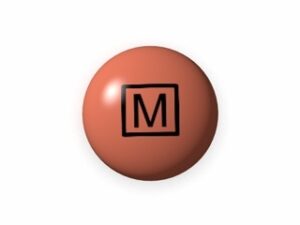
Lithium (Lithium Carbonate or Lithium Citrate) – Patient Guide (Australia)
Lithium is a well-known medicine used to treat certain mental health conditions, and in some cases to help stabilise mood over the long term. This guide is designed to be patient-friendly and practical, with information about how lithium works, typical uses, how to take it safely, and what to watch for while using it. Always follow the directions on your product label and any health professional instructions.
Basic product information
In Australia, lithium is commonly supplied as:
- Lithium carbonate (often referred to as “lithium carbonate tablets/capsules”)
- Lithium citrate (a soluble form used in certain situations)
Lithium is taken by mouth and requires careful monitoring because its level in the body can change with dose, kidney function, hydration, diet, and interactions with other medicines.
Key points:
- Lithium works mainly by affecting brain signalling and stabilising mood.
- Effective treatment depends on achieving an appropriate blood level of lithium.
- Lithium can affect the kidneys and thyroid, so regular blood tests are important.
- Do not adjust your dose or stop suddenly without medical advice.
How lithium works (mechanism of action)
Lithium’s exact mechanism is complex, but it is thought to:
- Modulate neurotransmitter signalling (including systems that influence mood)
- Influence intracellular pathways involved in neuronal stability
- Alter second messenger systems, helping reduce mood swings
- Support longer-term brain “stability” rather than providing immediate calming in the way some short-acting medicines do
For many people, lithium is best understood as a mood stabiliser used to reduce the risk of mood episodes over time.
Pharmacokinetics (how the body handles lithium)
Lithium has predictable absorption and distribution, but it is cleared primarily through the kidneys. This is why hydration status and kidney function matter greatly.
| Topic | What to know |
|---|---|
| Absorption | Oral lithium is absorbed into the bloodstream; absorption can vary between individuals. |
| Distribution | Lithium distributes throughout body water and can take time to reach steady levels. |
| Onset | Some benefits may be noticed within days to weeks, but mood-stabilising effects can take longer. |
| Time to steady blood levels | Typically achieved after several days, but blood tests guide dose adjustments for each person. |
| Elimination | Primarily excreted by the kidneys; kidney function changes can rapidly affect lithium levels. |
| Half-life (general) | Lithium has a long half-life, meaning changes may lag behind dose changes or illness-related dehydration. |
Typical use and timing
Lithium is used to treat and/or prevent mood episodes in specific mood disorders. It is often taken once or twice daily depending on the formulation and your individual plan.
When to take it
- Follow your schedule exactly. Many patients take lithium at the same times each day.
- With or without food: taking it consistently relative to meals can help reduce stomach upset and support adherence.
- Hydration matters: drink fluids normally unless your clinician has advised fluid restriction.
Missing a dose
- If you miss a dose, take it when you remember unless it is close to the time of the next dose.
- Do not double up to make up for a missed dose.
- If you are unsure, ask your pharmacist or clinician for advice.
Food interactions
Food does not usually cause large day-to-day swings in lithium levels by itself, but several diet-related factors can affect lithium handling. Consistency is important.
- Salt (sodium) intake: sudden changes in salt intake can affect lithium levels. A major reduction in salt can increase lithium levels.
- Hydration and fluid intake: prolonged low fluid intake (e.g., during hot weather or illness) can raise lithium levels.
- “Dieting” and extreme diets: rapid dietary changes that affect sodium and fluid balance may increase the risk of lithium level changes.
If you are planning dietary changes—such as reducing salt, fasting, or starting a weight-loss plan—check with a clinician or pharmacist first.
Alcohol interactions
Alcohol does not directly “cancel” lithium in the way some interactions do, but it can increase risk by:
- Dehydration (alcohol can contribute to fluid loss)
- Impaired judgement leading to missed doses or delayed care if you feel unwell
- Worsening mood for some people
If you choose to drink alcohol, do so cautiously and avoid binge drinking. Seek advice if you have concerns about safety for your situation.
Medicine interactions (important)
Some medicines can increase or decrease lithium levels, or increase kidney/nerve side effects. It’s essential to review all medicines and supplements you take.
Medicines that may increase lithium levels (risk of toxicity)
- Non-steroidal anti-inflammatory drugs (NSAIDs) such as ibuprofen and naproxen
- ACE inhibitors (e.g., enalapril, lisinopril)
- Angiotensin receptor blockers (ARBs) (e.g., losartan, valsartan)
- Diuretics (e.g., thiazides and loop diuretics)
- Other medicines affecting kidney function (varies by individual)
Other interaction considerations
- Dehydrating illnesses: vomiting, diarrhoea, fever, or heavy sweating can raise lithium levels due to reduced kidney clearance.
- Renal impairment: any new kidney issue may require urgent adjustment and monitoring.
- Other mood or neurological medicines: some combinations can increase side effects; clinicians consider this carefully.
Practical advice: tell your pharmacist about all current medicines (including over-the-counter products, herbal supplements, and pain relievers). Avoid starting new medicines without checking for lithium interactions.
Indications (what lithium is used for)
Lithium is used in Australia for conditions including:
- Bipolar disorder (mood episode prevention and treatment of specific mood symptoms)
- Recurrent mood episodes where lithium is appropriate for long-term mood stabilisation
- Maintenance therapy to reduce relapse risk for some patients
The exact “best fit” depends on your diagnosis, symptoms, past responses, and overall health—especially kidney and thyroid status.
Dosing guidance (general information)
Lithium dosing must be individualised. A clinician typically starts lithium at a dose designed to reach a safe, effective blood level for you. Dose changes are guided by blood tests and symptoms.
General principles of dosing
- Blood level monitoring: dosing aims for a therapeutic lithium range.
- Start low and titrate: dose may be increased gradually under supervision.
- Consistency: take doses at the same times daily.
- Illness precautions: during vomiting/diarrhoea/serious dehydration risk, lithium levels may rise and urgent advice may be needed.
Typical administration patterns
- Once daily or twice daily may be used, depending on formulation and tolerability.
- Some patients are advised to take doses with regular hydration and a consistent routine.
Important: never change the dose, frequency, or formulation without medical advice. If you suspect your dose is too high or you feel unwell, seek prompt assessment.
Safety profile and side effects
Lithium can be very effective, but it has a narrow safety margin. The risk of serious side effects increases when levels become too high. Regular monitoring reduces risk.
Common side effects
- Thirst and increased urination
- Tremor (especially in fine hands)
- Weight gain for some people
- Gastrointestinal effects such as nausea or diarrhoea (often dose-related)
- Fatigue or mild unsteadiness in some people
Serious risks (seek urgent help if suspected)
Lithium toxicity is a medical emergency. Signs may include:
- Severe or worsening tremor
- Unsteady walking, confusion, severe drowsiness
- Severe vomiting or diarrhoea
- Slurred speech
- Seizures in severe cases
If you have symptoms of possible toxicity, contact urgent medical services or your local emergency department.
Monitoring (why it’s needed)
- Lithium blood levels: to ensure levels stay within the therapeutic range.
- Kidney function: lithium is cleared via the kidneys.
- Thyroid function: lithium can affect thyroid hormone levels.
- Electrolytes and general health: especially after dose changes or illness.
Practical use tips (to stay safe and get the best outcomes)
- Keep a routine: take lithium at the same times each day.
- Stay hydrated: drink water regularly, particularly in hot weather or if active.
- Be cautious during illness: vomiting, diarrhoea, fever, or heavy sweating can raise lithium levels. Seek advice early.
- Avoid “new” NSAIDs: ask your pharmacist before using ibuprofen, naproxen, or other NSAIDs.
- Check with your healthcare team before supplements: some supplements and herbal products may affect kidneys or fluid balance.
- Don’t stop suddenly: abrupt discontinuation can increase risk of relapse for some people.
- Know your symptoms: early side effects (like worsening tremor) may be a sign that levels need reassessment.
Alcohol and lifestyle considerations
Lifestyle can influence mood and adherence, both of which affect treatment success. To reduce risk while on lithium:
- Moderate alcohol and avoid binge drinking.
- Use a hydration strategy if you drink (e.g., water alongside alcohol).
- Maintain sleep consistency, as irregular sleep can affect mood stability.
- Inform your care team if you experience changes in appetite, thirst, or urination.
Alternatives to lithium
Depending on the condition being treated and your response, other options may include different mood stabilisers or other psychiatric medicines. Alternatives may also be considered if lithium is not tolerated or if monitoring is challenging.
Common alternative classes (discuss with your clinician):
- Valproate (for some mood disorders, depending on patient factors)
- Carbamazepine
- Lamotrigine (often used for bipolar depression maintenance)
- Atypical antipsychotics used as mood stabilisers in certain circumstances
The “best” alternative depends on your symptoms, medical history (including kidney and liver function), and other medicines you take. Do not switch treatments without clinician guidance.
Australia: market and legal context
In Australia, medicines containing lithium are subject to medicines regulation and prescribing practices to support safe use and monitoring. Access is typically managed through appropriate clinical pathways, and monitoring requirements are an important part of responsible care.
If you’re buying lithium through an online pharmacy, you may be asked to confirm:
- Your current treatment details and the formulation you require
- That you understand the need for ongoing blood level and health monitoring
- Any relevant allergies or medical conditions that may affect safety
Always rely on information provided by the dispensing service and your clinician for dosing and follow-up.
Recent guidance and monitoring reminders
Ongoing clinical guidance emphasises safe lithium use, including:
- Regular serum lithium monitoring and kidney/thyroid checks
- Early action during dehydration risk (e.g., diarrhoea, vomiting, febrile illness)
- Reviewing interacting medicines (notably NSAIDs, ACE inhibitors/ARBs, and diuretics)
- Patient education about toxicity symptoms and when to seek urgent help
If you have recently changed medications, had a health change, or started a new supplement, it’s worth reviewing your lithium plan with your pharmacist or clinician.
Delivery and availability (online pharmacy)
Availability can vary by brand and formulation (for example, lithium carbonate versus lithium citrate). When ordering online in Australia, delivery may depend on:
- Stock levels and formulation
- Dispensing schedules and processing times
- Standard shipping timeframes within your region
If your medicine is time-sensitive (for example, you are due for your next dose), check the pharmacy’s estimated delivery timeframe and consider ordering early. Ensure you receive the correct strength and formulation.
FAQ – Frequently asked questions about lithium
1) How long does lithium take to work?
Some people notice changes within days to weeks, but mood stabilisation often takes longer. Your clinician may adjust dosing based on both symptoms and blood levels.
2) Why do I need blood tests while taking lithium?
Lithium levels must stay in a therapeutic range. Too low may not work; too high can cause toxicity. Kidney and thyroid monitoring are also important because lithium can affect these organs.
3) Can I take ibuprofen or naproxen with lithium?
NSAIDs like ibuprofen and naproxen can increase lithium levels in some circumstances. Ask your pharmacist for advice before using NSAIDs; alternatives may be available depending on your situation.
4) What should I do if I get diarrhoea or vomiting?
Vomiting and diarrhoea can reduce fluid and salt balance and may increase lithium levels. Contact a clinician or pharmacist promptly for guidance—especially if you feel unwell or your symptoms are severe.
5) Can I take lithium with food?
Many people can take lithium with or without food, but consistency helps. If you experience stomach upset, your pharmacist or clinician may advise taking it with meals.
6) Does salt intake affect lithium?
Yes. Large or sudden reductions in salt intake can increase lithium levels. Aim for a consistent diet unless your healthcare team advises otherwise.
7) Is it safe to drink alcohol while on lithium?
Alcohol isn’t always strictly contraindicated, but it can contribute to dehydration and may worsen mood. If you drink, do so cautiously and stay hydrated. Discuss with your clinician if you have concerns.
8) What are early warning signs of lithium toxicity?
Early signs can include worsening tremor, nausea/vomiting, diarrhoea, unsteadiness, or confusion. If you suspect toxicity, seek urgent medical assessment.
9) Can I stop lithium suddenly if I feel better?
Do not stop suddenly without medical advice. Stopping can increase the risk of relapse. If you want to review treatment, speak to your clinician about a safe plan.
10) What if I miss a dose?
Take it when you remember unless it’s close to the next dose. Don’t double up. If you’re unsure, ask your pharmacist for guidance.
Summary
Lithium is used to stabilise mood for certain mental health conditions and can be very effective when taken safely. Because it is cleared by the kidneys and has a narrow safety margin, successful long-term use depends on:
- Taking it consistently as directed
- Regular blood level, kidney, and thyroid monitoring
- Being cautious with interacting medicines (especially NSAIDs, ACE inhibitors/ARBs, and diuretics)
- Acting early during illness or dehydration risk
If you’d like, you can also provide the product strength and formulation you’re considering (e.g., lithium carbonate strength), and we can help you understand how to interpret common label instructions such as dosing schedules and precautions.