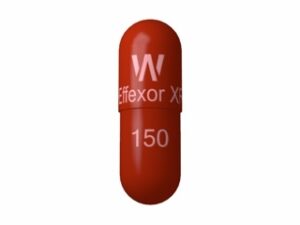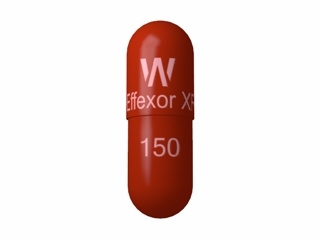

Effexor XR (Venlafaxine) – Patient-Friendly Guide (Australia)
Effexor XR is a brand of venlafaxine, an antidepressant medicines used to treat mood and anxiety conditions. This guide explains how Effexor XR works, how it is taken, common safety considerations, and practical tips for everyday use in Australia.
| Category | Details |
|---|---|
| Medicine | Effexor XR (venlafaxine) |
| Type | SNRI antidepressant (serotonin–norepinephrine reuptake inhibitor) |
| Formulation | Extended-release capsule (XR) |
| Typical dosing frequency | Once daily (due to extended-release formulation) |
| Main uses | Depression, anxiety disorders (including GAD and social anxiety in some regions), and other supported indications |
| Common side effects | Nausea, headache, dizziness, sleep changes, sweating, dry mouth |
| Key safety notes | Serotonin syndrome risk with certain medicines; discontinuation symptoms if stopped suddenly |
Basic product information
Effexor XR contains venlafaxine in an extended-release (XR) formulation. “Extended-release” means the medicine is released slowly over the day, which helps it be taken once daily for many patients.
In Australia, venlafaxine-containing medicines are regulated prescription medicines. Availability in pharmacies may vary depending on stock, strengths, and supply arrangements.
How Effexor XR works (mechanism of action)
Venlafaxine belongs to a class of medicines called SNRI antidepressants. It works by affecting chemicals in the brain that influence mood and anxiety, mainly:
- Serotonin: Helps regulate mood, sleep, and anxiety.
- Norepinephrine: Helps with alertness and stress-response pathways.
By inhibiting the reuptake (re-absorption) of these chemicals, Effexor XR increases their availability in the brain and may help reduce symptoms over time.
Pharmacokinetics (how the body processes the medicine)
Understanding basic pharmacokinetics can help patients take Effexor XR more reliably.
- Extended-release profile: The XR formulation releases venlafaxine gradually, aiming for steadier levels through the day.
- Metabolism: Venlafaxine is metabolised primarily in the liver to an active metabolite called O-desmethylvenlafaxine (ODV).
- Elimination: Metabolites are eliminated mainly via the kidneys (urine), so kidney health can influence exposure.
- Steady state: With daily dosing, blood levels reach a more stable pattern after repeated doses (often within about a week, depending on the individual).
What it’s used for (typical use and indications)
Effexor XR is used to treat conditions such as:
- Depression (including major depressive disorder)
- Anxiety disorders, including conditions where SNRIs are considered appropriate
- In clinical practice, it may be used for generalised anxiety disorder (GAD) and other anxiety-related conditions, according to local prescribing guidance and patient needs.
The exact approved indications and dosing may depend on local guidelines and regulatory status. Your pharmacist or doctor can clarify which diagnosis your treatment plan is aimed at.
When to take Effexor XR (timing)
Effexor XR is generally taken once daily because it is extended-release. Choose a time that suits you and try to keep it consistent. Many people take it in the morning if it causes mild stimulation, or in the evening if it causes drowsiness—though the best timing varies by individual response.
- Take at the same time each day for steady coverage.
- Swallow whole: do not crush, chew, or open the capsule unless your clinician specifically advises otherwise.
- Missed dose: if you forget a dose, take it when you remember unless it is close to the next dose. Do not double up.
Food interactions and what to expect
Effexor XR can usually be taken with or without food. Some people find that taking it with a meal reduces stomach discomfort, particularly during the first weeks.
- If you experience nausea, try taking Effexor XR with food.
- Maintain a consistent eating routine when possible, especially early in treatment.
- Avoid major changes to your diet during the first days unless you notice clear benefits.
Alcohol and medicine interactions
Alcohol can worsen mood, sleep quality, and anxiety symptoms. It may also increase the risk of side effects such as dizziness and impaired coordination. It is generally advisable to limit or avoid alcohol while taking Effexor XR, especially when you are just starting or changing dose.
Alcohol
- Avoid binge drinking or regular heavy use.
- If you choose to drink, consider smaller amounts and pay attention to how you feel (e.g., dizziness, sedation, reduced alertness).
Common medicine interactions to discuss
Effexor XR may interact with other medicines, increasing side-effect risk or affecting how either medicine works. Always tell your doctor and pharmacist about all medicines you take, including over-the-counter products and supplements.
-
Other antidepressants and serotonergic medicines (risk of serotonin syndrome), such as:
- MAO inhibitors
- SSRIs/SNRIs
- Triptans (for migraine)
- Some opioid pain medicines (e.g., tramadol)
- Linezolid
- St John’s wort (herbal)
- Medicines that affect blood pressure: venlafaxine can sometimes increase blood pressure—monitoring may be required if you have hypertension.
- Medicines that affect bleeding risk: combining with anticoagulants or antiplatelet agents may increase bleeding risk, especially in those with other risk factors.
- Medicines that affect metabolism (liver enzymes such as CYP pathways): these may alter venlafaxine or ODV levels. Examples can include some antifungal/antibiotic medicines and certain antivirals.
- Some migraine treatments or cough/cold medicines: check with a pharmacist for serotonin-related interactions if you’re unsure.
Dosing: what is typical and how it may change
Dosing is individual. Clinicians commonly start at a lower dose and then adjust slowly based on response and tolerability. Extended-release dosing is often once daily.
- Starting dose: may vary depending on the condition and patient factors.
- Titration: gradual increases may be used to reduce side effects.
- Maintenance dose: the effective dose is typically the one that improves symptoms with the fewest side effects.
- Stopping: it’s important not to stop suddenly—dose reductions are usually tapered.
If you’re considering starting, adjusting, or stopping Effexor XR, a clinician should guide the plan. Dose changes should not be made abruptly without medical advice.
Safety profile: common side effects, serious risks, and when to seek help
Common side effects
Many side effects are mild to moderate and often improve after the first one to two weeks. Commonly reported effects include:
- Nausea
- Headache
- Dizziness
- Sleep changes (insomnia or sleepiness)
- Dry mouth
- Sweating
- Tremor or feeling “on edge”
- Loss of appetite
- Sexual side effects (e.g., decreased libido or delayed orgasm)
Serious risks (seek urgent medical attention if severe)
While uncommon, these risks are important to recognise:
-
Serotonin syndrome:
can occur when multiple serotonergic medicines are combined. Seek urgent help if you experience:
- High fever
- Severe agitation or confusion
- Shaking/rigidity
- Fast heartbeat
- Heavy sweating and diarrhoea
- Worsening mood or suicidal thoughts (particularly early in treatment or after dose changes): contact urgent services or a crisis support line if you feel unsafe.
- Mania or hypomania (especially in bipolar disorder): symptoms may include unusually elevated mood, increased energy, reduced need for sleep, or risky behaviour.
- Elevated blood pressure: if you already have hypertension or cardiovascular risk, monitoring may be needed.
- Severe allergic reactions: swelling of the face/lips, breathing difficulties, or widespread rash require urgent attention.
- Abnormal heart rhythm (rare): report palpitations, fainting, or chest pain promptly.
Discontinuation and withdrawal symptoms
Venlafaxine can cause discontinuation symptoms if stopped suddenly or reduced too quickly. These can include dizziness, “electric shock” sensations, nausea, headache, irritability, anxiety, or sleep disturbance.
- Do not stop abruptly.
- Tapering is usually recommended under clinical guidance.
- If symptoms occur during tapering, clinicians may slow the reduction pace.
Practical use tips for everyday life
- Give it time: antidepressant and anxiety benefits typically develop over weeks. Some people notice changes in sleep or anxiety earlier, while mood improvement may take longer.
- Track side effects: note when they begin, their severity, and whether they improve. This helps guide dose adjustments.
- Take capsules consistently: a routine can prevent missed doses and reduce day-to-day fluctuations.
- Hydrate and manage nausea: small meals, ginger tea, or taking with food can help early nausea.
- Be cautious when starting: dizziness can occur—avoid driving or operating machinery if you feel unsteady.
- Talk about other treatments: psychotherapy, sleep routines, and stress management strategies can complement medication.
Alternative options
If Effexor XR isn’t the right fit, there are other treatment options available. Alternatives may include other antidepressants or non-medicine strategies, depending on your diagnosis and history.
Medication alternatives (examples)
- SSRIs (selective serotonin reuptake inhibitors), often used as first-line options for depression and anxiety.
- Other SNRIs (for example, duloxetine in some conditions).
- Other antidepressants depending on symptoms, side-effect preferences, and comorbidities.
Non-medicine supports
- Psychological therapy (e.g., CBT for anxiety and depression)
- Lifestyle measures (regular sleep, exercise, stress reduction)
- Support networks and coping plans
The best alternative depends on your symptom pattern, previous medication responses, and safety considerations such as blood pressure or drug interactions. Your pharmacist can also help you understand differences in side effects and timing.
Market and legal context for Australia
In Australia, venlafaxine is a regulated medicine. Effexor XR is generally available through pharmacy supply processes consistent with national medicines regulation and state/territory requirements.
Online pharmacy availability can vary based on location, stock, and the ability to meet identity and safety checks required for regulated medicines. Delivery options and timeframes depend on the supplier’s logistics network and courier service.
Recent guidance and important updates (Australia-focused)
Guidance for antidepressant and anxiety medicines can evolve based on safety monitoring and clinical evidence. Key themes often highlighted in modern clinical practice include:
- Careful monitoring early in treatment, particularly for changes in mood, agitation, and sleep.
- Attention to interaction risks, especially combinations that increase serotonin activity.
- Emphasis on gradual tapering when discontinuing to reduce withdrawal/discontinuation symptoms.
- Assessment of blood pressure when clinically relevant, as venlafaxine may affect blood pressure in some people.
If you have questions about how guidance applies to you, speak with a pharmacist or clinician. They can help interpret information alongside your medical history.
Delivery and availability
Effexor XR may be available through online pharmacy services depending on stock levels and the product strength required. Delivery typically includes:
- Order processing and identity/safety verification where required
- Packed for protection to help prevent damage during transit
- Courier delivery to metro and regional areas (timeframes vary)
Availability and delivery estimates depend on:
- Your location (postcode/region)
- Whether the exact strength and pack size are in stock
- Supply chain timing
For the most accurate timeline, check the listing details at checkout or contact customer support before placing an order.
FAQ
1) How long does it take for Effexor XR to work?
Many people notice some symptom changes within the first couple of weeks (often sleep, anxiety, or agitation). More meaningful improvement in mood can take several weeks. If you don’t feel any benefit after an appropriate trial period, discuss next steps with your clinician.
2) Should I take Effexor XR in the morning or at night?
Either can be suitable. If it affects your sleep, adjust timing based on how you feel (morning for sleeplessness, evening if it makes you drowsy). Keep the schedule consistent and discuss persistent issues with a pharmacist or clinician.
3) Can I take Effexor XR with food?
Yes. Taking it with food may help reduce nausea for some people, especially at the start of treatment.
4) What should I do if I miss a dose?
If you remember soon after, take it. If it is close to your next scheduled dose, skip the missed dose and continue as usual. Do not double up.
5) Can I drink alcohol while on Effexor XR?
It’s generally best to limit or avoid alcohol. Alcohol can worsen mood and sleep and may increase dizziness or sedation. If you choose to drink, do so cautiously and pay attention to how you respond.
6) What medicines should I avoid?
Avoid combinations that increase serotonin activity unless specifically approved by a clinician, and be cautious with medicines that affect metabolism, blood pressure, bleeding risk, or cause sedation. Always check with a pharmacist if you are unsure.
7) Can I stop Effexor XR suddenly?
Stopping suddenly can lead to discontinuation symptoms. A gradual taper is usually recommended under clinical guidance.
8) Will Effexor XR cause weight gain?
Weight changes can occur with antidepressants, but it varies from person to person. Some people may experience appetite changes early. Discuss any significant or ongoing changes with your clinician.
9) Is there a difference between Effexor XR and immediate-release venlafaxine?
XR is extended-release and often taken once daily, whereas immediate-release formulations may require multiple doses. Side-effect patterns can vary, and switching formulations should be guided by your clinician.
10) When should I seek urgent help?
Seek urgent medical attention for signs of severe allergic reaction, serotonin syndrome (especially after combining serotonergic medicines), severe agitation/confusion, chest pain, fainting, or any feeling of being unsafe.
Important note
This information is provided to help you understand Effexor XR (venlafaxine) and how it is commonly used. It is not a substitute for advice from a pharmacist or clinician who can consider your personal medical history, other medicines, and individual risks.