
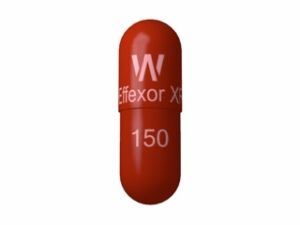

Fludac (Fluoxetine) — Patient-Friendly Guide (Australia)
Fludac is a brand of fluoxetine, a medicine used to treat a range of mental health conditions. It belongs to a class of medicines called SSRIs (selective serotonin reuptake inhibitors). This guide explains how Fludac works, how it’s typically used, common safety considerations, and practical tips to help you use it effectively and confidently.
Note: Medicines affect people differently. Always follow the advice of a qualified healthcare professional for your specific situation.
Basic product information
- Brand: Fludac
- Generic name: Fluoxetine
- Medicine type: Antidepressant (SSRI)
- Common strengths: Varies by product form (ask your pharmacy for exact strength and formulation)
- How it’s usually taken: By mouth as a tablet/capsule (depending on the product)
- Typical dosing schedule: Once daily (often in the morning, but follow your clinician’s instructions)
How Fludac works (mechanism of action)
Fluoxetine increases the activity of serotonin in the brain. Serotonin is a naturally occurring chemical messenger involved in mood, anxiety, sleep, appetite, and other brain functions.
SSRIs like fluoxetine work mainly by:
- Blocking serotonin reuptake (helping serotonin remain active longer in the synapse), which can improve communication between nerve cells.
- Gradually adjusting brain chemistry over days to weeks, which is why symptom improvement often takes time.
Because changes in serotonin signaling develop gradually, antidepressant effects are typically not immediate.
Pharmacokinetics (how the body handles fluoxetine)
Pharmacokinetics describes what the body does to a medicine—absorption, distribution, metabolism, and elimination.
| Process | What typically happens with fluoxetine |
|---|---|
| Absorption | Fluoxetine is absorbed after oral dosing. Peak levels generally occur within several hours (exact timing can vary by person and formulation). |
| Distribution | Fluoxetine and its active metabolite spread throughout the body, including the brain. |
| Metabolism | It is mainly processed by the liver (metabolism). A key active metabolite is norfluoxetine. |
| Elimination | It is eliminated through metabolism and excretion. Fluoxetine has a long half-life, and norfluoxetine persists even longer. |
| Clinical implication | Because of its long-lasting levels, effects (and side effects) may continue for days to weeks after starting or stopping. |
Typical uses of Fludac
Fludac (fluoxetine) is used for conditions such as:
- Depression (major depressive disorder)
- Obsessive-compulsive disorder (OCD)
- Bulimia nervosa (in some cases, as part of a treatment plan)
- Panic disorder (sometimes)
- Other anxiety-related or mood conditions depending on age and clinical assessment
Your clinician will determine which indication applies to you and the safest starting dose.
When you should expect results (timing)
Fluoxetine does not usually act like a “quick fix.” Many people notice early changes within the first 1–2 weeks, but meaningful improvement often takes longer.
- First 1–2 weeks: Some people may notice sleep, appetite, or anxiety changes.
- 2–6 weeks: Mood and overall functioning often start improving more clearly.
- 6–12 weeks (or longer in some conditions): For OCD and some anxiety disorders, benefits may take additional time.
Practical tip: If symptoms don’t improve as expected, don’t stop suddenly or adjust the dose yourself—discuss it with your healthcare professional.
How to take Fludac (general dosing guidance)
Dosing varies based on the condition, age, response, and other medicines you may be taking. Always use your own prescribed directions.
Typical approach:
- Start low and increase gradually for many people to improve tolerability.
- Once daily dosing is common due to the medicine’s long-lasting effect.
Common dose ranges used in practice (may vary by indication):
- Depression: Often starts at a lower dose, then adjusted if needed.
- OCD: May require higher doses and a longer trial period.
- Panic disorder/other conditions: Often started lower to minimise early side effects.
Because individual dosing differs, this page provides general information only. Your pharmacy and prescriber can confirm your exact dose and schedule.
Missed dose
- If you miss a dose, take it when you remember unless it’s close to your next dose.
- Do not take a double dose.
- If you’re unsure, ask your pharmacist for guidance.
Stopping or changing dose
Do not stop Fludac suddenly without medical advice. Even though fluoxetine can be easier to stop than some SSRIs due to its long half-life, your individual situation and dose still matter. Your clinician may recommend gradual reduction.
Food interactions (what to know)
Food does not usually require special restrictions with fluoxetine. Many people take it with or without food.
However, some practical considerations can help:
- Consistency helps: Taking it at the same time each day can support routine.
- If nausea occurs: Some people find taking it with food reduces stomach upset.
- Avoid grapefruit: While fluoxetine is not the most sensitive SSRI to food interactions, it’s generally wise to avoid grapefruit and consult your pharmacist if you use it frequently, especially if you take other medicines.
If you notice stomach discomfort, discuss it with your pharmacist—there may be strategies to improve tolerability.
Alcohol interactions and safety
Alcohol is not recommended while taking antidepressants, including Fludac. Alcohol can:
- Worsen depression or anxiety for some people
- Increase side effects such as dizziness, drowsiness, and impaired concentration
- Make progress harder to assess because mood changes may be influenced by alcohol
If you do choose to drink, it’s best to limit the amount and avoid binge drinking. If you’re unsure about what’s safe for you, ask your healthcare professional.
Medicine interactions (including common high-risk combinations)
Fluoxetine can interact with other medicines, potentially increasing side effects or changing effectiveness. This includes prescription medicines, over-the-counter products, herbal remedies, and supplements.
Tell your pharmacist or doctor about all medicines you take—especially the following:
- Other serotonergic medicines (risk of serotonin syndrome) such as:
- Some migraine medicines (e.g., triptans)
- Tramadol
- Linezolid
- Methylenedioxymethamphetamine (MDMA)
- Other SSRIs/SNRIs
- Monoamine oxidase inhibitors (MAOIs) (must not be combined)
- St John’s wort (can increase serotonin-related effects)
- Medicines affecting blood clotting (e.g., warfarin, some antiplatelet medicines) — SSRIs can increase bleeding risk in some people
- Non-steroidal anti-inflammatory drugs (NSAIDs) (e.g., ibuprofen, naproxen) — may also increase bleeding risk
- Antipsychotics or other medicines that affect the brain—increases risk of side effects in some cases
- Some heart rhythm medications (QT prolongation risk may apply depending on the combination)
- Medicines metabolised by the liver (fluoxetine can affect certain liver enzymes, potentially changing other drug levels)
Serotonin syndrome: A rare but serious condition. Seek urgent medical help if you experience symptoms such as:
- Agitation, confusion
- Fever
- Fast heart rate
- Shaking/tremor, muscle stiffness
- Heavy sweating, diarrhoea
Indications (conditions it treats)
In Australia, fluoxetine (Fludac) is used to treat mental health conditions including:
- Major depressive disorder
- Obsessive-compulsive disorder (OCD)
- Bulimia nervosa
- Panic disorder
- Other indications depending on age, clinical status, and approved product information
Important: Indications and dosing may differ for adults vs children/adolescents. Your clinician will use the approved product information and your personal needs.
Safety profile: common and serious side effects
Like all medicines, Fludac can cause side effects. Many are mild and improve as your body adjusts, but some require urgent attention.
Common side effects
- Nausea
- Headache
- Sleep changes (sleepiness or insomnia)
- Dry mouth
- Increased sweating
- Sexual side effects (e.g., reduced libido, delayed orgasm)
- Appetite changes
- Feeling restless or “on edge” (sometimes early on)
Possible early activation
Some people feel more anxious or restless during the first days of starting SSRIs, particularly when treating anxiety disorders. This is not uncommon, but it should be monitored—especially if symptoms intensify.
Serious but less common risks
- Suicidal thoughts or worsening mood (particularly in younger people early in treatment). Close monitoring is important.
- Serotonin syndrome (rare; see interaction section).
- Mania or hypomania in people with bipolar disorder or risk factors.
- Bleeding risk, especially if combined with NSAIDs or blood thinners.
- Low sodium (hyponatraemia), which can cause confusion, weakness, or severe fatigue.
- Allergic reactions (rash, swelling, breathing difficulties).
Seek urgent care if you have severe symptoms, signs of allergy, severe agitation, or symptoms consistent with serotonin syndrome.
Practical use tips (what helps day-to-day)
1) Choose a time that fits you
- Morning dosing is often used if it causes insomnia or restlessness.
- Evening dosing may be considered if it causes drowsiness.
- Follow your clinician’s instructions—switching times should be done consistently and thoughtfully.
2) Give it time, but monitor changes
Fluoxetine can take several weeks to reach full benefit. Keep track of symptoms (mood, sleep, anxiety, appetite) and note any side effects.
3) Don’t stop suddenly
Even with fluoxetine’s long-lasting levels, stopping can still be disruptive. Discuss dose changes with your healthcare professional.
4) Be careful with other substances
- Avoid or limit alcohol
- Check with your pharmacist before starting new herbal products (e.g., St John’s wort)
- Be cautious with over-the-counter cough/cold or pain medicines that may affect serotonin or bleeding risk
5) Manage common side effects
- If nausea occurs: take with food, stay hydrated, and ask your pharmacist about strategies.
- If sleep is affected: adjust dosing time (with advice) and maintain regular sleep routines.
- If sexual side effects occur: do not stop without discussing options—there may be ways to adjust treatment.
Alternative options (if Fludac isn’t right)
There are several alternatives depending on the condition, your medical history, and tolerance. Options may include:
- Other SSRIs: e.g., sertraline, citalopram, escitalopram, paroxetine
- SNRIs: e.g., venlafaxine, duloxetine
- Other antidepressant classes: e.g., mirtazapine, tricyclic antidepressants (where appropriate)
- Non-medicine approaches: structured psychotherapy (e.g., CBT), lifestyle measures, sleep and routine strategies
Your clinician can advise which alternative is most appropriate. Switching between antidepressants often requires careful planning to minimise side effects and interactions.
Australia: market and legal context (general information)
Fluoxetine products are widely available in Australia as medicines used for mental health conditions. Availability can include brand-name products and generics depending on supply and your selected pharmacy.
In Australia, medicines are regulated through the Therapeutic Goods Administration (TGA). Product details (such as approved indications, dosage forms, and precautions) are provided in official product information documents.
Pharmacy supply: Online pharmacy services operate under Australian laws and policies for medication dispensing. You should only order products through reputable channels that meet legal requirements.
Safety note: If you have concerns about suitability—such as pregnancy, liver disease, bipolar disorder risk, or complex medication regimens—ask your pharmacist before starting.
Recent guidance and monitoring considerations
Mental health medicines require ongoing monitoring. While specific recommendations can vary over time and by guideline updates, clinicians commonly emphasise:
- Early follow-up: contacting your healthcare provider soon after starting or adjusting doses, especially for mood/anxiety disorders.
- Close observation in younger people: for changes in mood, behaviour, or suicidal thinking during early treatment.
- Review of drug interactions: careful medication reconciliation, including OTC and herbal products.
- Consideration of risks: screening for bipolar disorder history, bleeding risk, and serotonin-syndrome triggers when combining medicines.
Always use current advice from your healthcare team, as individual monitoring plans may be adjusted based on your needs.
Delivery and availability
Fludac (fluoxetine) may be available online from participating Australian pharmacies. Delivery times depend on location and the pharmacy’s dispatch schedules.
What to expect when ordering:
- Product confirmation: you’ll receive information about the brand, strength, and formulation before dispatch where applicable.
- Packaging: medicines are typically supplied in appropriate child-resistant packaging where required.
- Tracking options: many online pharmacies offer delivery updates and tracking.
- Stock availability: if a product is temporarily out of stock, you may be offered an alternative strength/formulation or notified.
If you need urgent assistance—such as when you’re about to run out—contact the pharmacy to discuss options.
Safety checklist before you start
Before taking Fludac, consider discussing the following with your healthcare professional or pharmacist:
- Any history of bipolar disorder or mania/hypomania
- Previous reactions to antidepressants
- Current medicines (including OTC and herbal products)
- History of bleeding problems or use of blood thinners/NSAIDs
- History of seizures
- Pregnancy, planning pregnancy, or breastfeeding (risk/benefit assessment is individual)
- Any liver impairment
FAQ — Fludac (Fluoxetine)
1) How long does it take for Fludac to work?
Some people notice changes within 1–2 weeks, but for many conditions meaningful improvement takes 2–6 weeks (and sometimes longer for OCD). If you don’t feel better, speak with your clinician rather than stopping abruptly.
2) Can I take Fludac with food?
Yes. Fludac can usually be taken with or without food. If you experience nausea, taking it with food may help.
3) Will I feel worse before I feel better?
Sometimes anxiety or restlessness may increase early in treatment, particularly with anxiety disorders. This should be monitored. Seek advice promptly if symptoms intensify or you feel unsafe.
4) Is it safe to drink alcohol while using Fludac?
It’s generally recommended to avoid or limit alcohol. Alcohol can worsen mood and increase side effects such as dizziness or drowsiness.
5) What happens if I miss a dose?
Take it when you remember unless it’s close to the next dose. Do not take a double dose. If you’re unsure, ask your pharmacist.
6) Can Fludac affect sleep?
Yes. Fluoxetine can cause insomnia or sleepiness in different people. If it affects your sleep, your clinician may advise changing the time you take it.
7) What if I want to stop taking Fludac?
Do not stop suddenly without professional guidance. Your clinician may recommend a gradual reduction plan suited to your dose and condition.
8) Are there any medicines or supplements I must avoid?
Because interaction risk exists, avoid combining Fludac with certain serotonergic medicines and MAOIs, and be cautious with St John’s wort, tramadol, linezolid, and NSAIDs/blood thinners. Always check with your pharmacist before starting new products.
9) Does Fludac cause weight changes?
Some people experience changes in appetite and weight. If you notice significant or worrying changes, discuss it with your clinician.
10) Where can I get Fludac in Australia?
Fluoxetine products are commonly supplied through pharmacies. Availability depends on stock and product form. Online pharmacy delivery options may vary by location.
Summary
Fludac (fluoxetine) is an SSRI antidepressant used to treat conditions such as depression, OCD, bulimia nervosa, and certain anxiety disorders. It works by enhancing serotonin activity in the brain. Because fluoxetine has a long-lasting effect, it’s often taken once daily, and changes can continue even after stopping. Improvement typically takes weeks, and safety requires attention to side effects and interactions—particularly with other serotonergic medicines, alcohol, and some blood-thinning medicines.
If you have questions about suitability, dosing, or interactions, speak with your pharmacist or healthcare professional before starting or changing how you take Fludac.