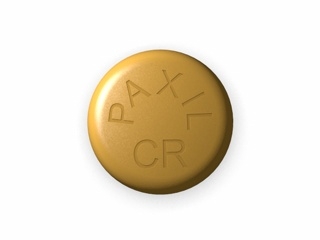


Paxil (Paroxetine) — Patient-Friendly Guide (Australia)
Paxil is a brand of paroxetine, a medicine used to treat several mental health conditions, including depression and anxiety disorders. This guide explains how Paxil works, when it’s typically taken, common interactions, and practical tips to help you use it safely. It also summarises key safety information, alternatives, and Australia-specific market/legal context.
Important: If you have concerns about side effects, interactions, or whether Paxil is right for you, speak with a qualified healthcare professional.
1) Basic product information
| Topic | Details |
|---|---|
| Medicine name | Paxil (paroxetine) |
| Medicine class | Selective Serotonin Reuptake Inhibitor (SSRI) |
| Common forms | Tablets and related oral formulations (strengths vary by product and local availability) |
| How it works | Increases serotonin activity in the brain by blocking its reuptake |
| Typical dosing | Daily dosing; the exact dose depends on the condition and patient factors |
| Onset of benefit | Some improvement may be noticed in 1–2 weeks; full effects may take several weeks |
2) How Paxil works (mechanism of action)
Paxil (paroxetine) belongs to the SSRI group. SSRIs work by increasing the availability of serotonin, a chemical messenger involved in mood, anxiety, sleep, appetite, and stress regulation.
- Serotonin transporter inhibition: Paroxetine selectively inhibits the reuptake of serotonin at nerve endings.
- Improved signalling: With less serotonin being reabsorbed, more serotonin remains available in the synaptic space.
- Symptom improvement over time: Changes in brain signalling develop over days to weeks, which is why benefits often take time.
3) Pharmacokinetics (how the body handles Paxil)
Pharmacokinetics describes absorption, distribution, metabolism, and elimination—how the medicine moves through your body. While individual experiences can vary, the following general points are important for understanding Paxil:
- Absorption: Paroxetine is absorbed after oral administration.
- Peak levels: Blood concentrations generally peak within a few hours after taking a dose.
- Metabolism: Paroxetine is mainly metabolised in the liver.
- Elimination: The drug and its metabolites are removed from the body primarily via the kidneys.
- Steady state: It typically takes about 1–2 weeks to reach steady blood levels when taken daily.
Your prescriber may adjust dosing based on your condition, side effects, age, and other medicines you may be taking.
4) Typical uses and indications
Paxil is used for a range of mood and anxiety-related conditions. In Australia, indications are based on the approved product information and clinical practice. Your healthcare professional will determine if Paxil is suitable for your specific diagnosis.
Common indications include:
- Depression (including major depressive disorder)
- Obsessive-compulsive disorder (OCD)
- Generalised anxiety disorder (GAD)
- Panic disorder (with or without agoraphobia)
- Social anxiety disorder (social phobia)
- Post-traumatic stress disorder (PTSD) (depending on local approvals and clinical judgement)
Paxil can help reduce symptoms such as persistent low mood, excessive worry, intrusive thoughts, fear or panic attacks, and avoidance behaviours.
5) When to take Paxil (timing and how to stay consistent)
Paxil is usually taken once daily. Many people take it at a consistent time each day to support steady effects and easier routine adherence.
Practical timing tips
- Choose a time that fits your side-effect pattern: If it makes you feel drowsy, consider taking it in the evening; if it affects alertness, morning dosing may suit you better. (Discuss with a healthcare professional.)
- Be consistent: Taking it at the same time daily helps maintain stable levels.
- If you miss a dose: Take it when you remember unless it is close to the next dose. Do not take a double dose.
- Allow time to work: Symptoms may not improve immediately. Continue as directed, unless you experience serious side effects.
Important: Do not stop Paxil suddenly. Stopping abruptly can cause withdrawal-like symptoms (see the Safety Profile section).
6) Food interactions (what to know about meals)
Paxil can generally be taken with or without food. Taking it with food may help reduce nausea for some people.
- Normal meals are usually fine: There is typically no requirement to follow a special diet.
- Watch for stomach upset: If you experience nausea, try taking Paxil with breakfast or dinner (as appropriate).
- Maintain hydration: Some people experience changes in appetite or digestive comfort during the early phase of treatment.
7) Alcohol and medicine interactions
Alcohol
It is generally recommended to limit or avoid alcohol while taking Paxil. Alcohol can worsen mood and anxiety symptoms and may increase side effects such as drowsiness, dizziness, impaired judgement, and sleep disruption.
Medicine interactions (key categories)
Paxil can interact with other medicines, potentially increasing side effects or changing how well either medicine works. Always inform your healthcare professional and pharmacist about all medicines you use, including over-the-counter products and herbal supplements.
Especially important interactions include:
- Other antidepressants and serotonergic medicines: Using Paxil with other medicines that increase serotonin may raise the risk of serotonin syndrome.
- Monoamine oxidase inhibitors (MAOIs): Combining or switching between MAOIs and SSRIs can be dangerous and requires careful timing.
- Linezolid and methylene blue: These antibiotics/agents can have serotonergic effects.
- Triptans (migraine medicines): Concomitant use may contribute to serotonin-related adverse effects.
- Some opioids (e.g., tramadol, pethidine/meperidine): May increase risk of serotonin-related reactions.
- NSAIDs (e.g., ibuprofen, naproxen) and antiplatelets: SSRIs can increase bleeding risk when combined with medicines that affect clotting.
- Warfarin (vitamin K antagonists): Monitoring may be needed due to bleeding risk changes.
- Medicines affecting liver enzymes: Since paroxetine is metabolised in the liver, some medicines may alter its levels.
- St John’s wort: This herbal supplement may increase serotonin-related adverse effects.
If you have a complex medication list, ask your pharmacist to check interactions before you start Paxil or change doses.
8) Dosing overview (typical approach)
Dosing is individualised. The dose depends on your diagnosis, age, response, tolerability, and other medicines. The information below provides a general dosing overview; it does not replace the advice provided by a healthcare professional.
General principles
- Start low, go slow: Many people are started on a lower dose to reduce the chance of early side effects.
- Adjust based on response: Dose increases may be considered if symptoms do not adequately improve.
- Regular review: Your clinician may review progress after several weeks, especially for anxiety and OCD.
- Maintenance treatment: Some conditions require longer-term therapy to prevent relapse.
Timing: Paxil is typically taken once daily at the same time each day. The exact strength and dose schedule should follow your treatment plan.
Do not change your dose: Adjustments should only be made by a healthcare professional.
9) Safety profile and common side effects
Like all medicines, Paxil can cause side effects. Many are mild and improve with time, especially during the first 1–2 weeks. However, some effects require prompt medical attention.
Common side effects
- Nausea or stomach upset
- Headache
- Dizziness
- Sleep changes (insomnia or drowsiness)
- Increased sweating
- Sexual side effects (e.g., decreased libido, delayed orgasm)
- Appetite changes
- Tremor or restlessness
- Dry mouth
Withdrawal symptoms (important if stopping)
Stopping SSRIs abruptly can cause discontinuation symptoms. To reduce this risk, Paxil should generally be reduced gradually under medical guidance.
- Dizziness, “brain zaps” (sensations), or light-headedness
- Irritability, anxiety, or mood changes
- Nausea, vomiting, or diarrhoea
- Sleep disturbance and vivid dreams
- Flu-like feelings
Seek urgent medical help if you experience:
- Signs of serotonin syndrome: agitation, confusion, fever, sweating, fast heart rate, muscle stiffness, tremor, or severe diarrhoea
- Severe allergic reaction: swelling of face/lips, difficulty breathing, rash, or hives
- Uncontrolled bleeding or black/tarry stools (especially if on blood thinners or NSAIDs)
- Mania/hypomania symptoms: unusually elevated mood, decreased need for sleep, excessive energy, risky behaviour
- Suicidal thoughts or worsening depression: especially early in treatment or after dose changes
If you are worried about side effects, contact a healthcare professional promptly. Don’t stop the medicine suddenly unless advised.
10) Practical use tips for better results
Give it time
Many people feel some improvement within the first couple of weeks, but full benefit may take longer. Continue as directed, and discuss progress with your clinician.
Track your response
- Note sleep patterns, anxiety severity, and mood changes.
- Write down side effects and when they started.
- Bring this information to follow-up appointments.
Don’t mix without checking
Because Paxil can interact with other medicines, confirm safety when adding new prescriptions, over-the-counter products, or supplements.
Be cautious with driving and machinery
Some people experience dizziness or sleepiness, particularly during dose changes. Until you know how you respond, take care with driving, cycling, or using machinery.
Plan for dose changes
If you and your clinician decide to stop Paxil, a gradual taper plan helps minimise discontinuation symptoms.
11) Alternative options to consider
Paxil may not be suitable for everyone due to side effects, medical history, or interaction risk. Depending on your diagnosis and personal preferences, clinicians may consider other medicines. Options can include:
- Other SSRIs: such as sertraline, escitalopram, fluoxetine
- SNRIs: such as venlafaxine or duloxetine
- Other antidepressants: depending on symptoms and tolerability
- Non-medicine therapies: cognitive behavioural therapy (CBT), exposure therapy (for anxiety/OCD), and other structured psychological supports
Choice depends on the specific condition, your past response to treatment, side-effect priorities (including sexual side effects or sedation), and interaction risks.
12) Australia: market and legal context, and recent guidance
In Australia, Paxil (paroxetine) and other SSRIs are regulated medicines. Access is managed through Australia’s medicines framework and prescribing practices. Availability may vary by brand, formulation, and supply at the time you order.
What “recent guidance” often focuses on
Guidance for SSRIs and antidepressants commonly emphasises:
- Careful patient selection (comorbidities, interaction risk, and prior history)
- Monitoring early in treatment for side effects and mood changes
- Managing discontinuation with gradual tapering
- Serotonin syndrome awareness when medicines are combined
- Bleeding risk awareness with NSAIDs/anticoagulants
Product information and safety updates are typically managed through Australian regulatory and health authorities and may be reviewed over time. Your pharmacist can point you to the most up-to-date consumer medication information for the specific Paxil product you’re considering.
13) Delivery and availability
Availability depends on the specific Paxil product, strength, and local supply. For online pharmacy orders in Australia, processing times may vary based on verification steps and stock status.
What to expect
- Stock checks: Items may be subject to availability and may require back-order in some cases.
- Secure packaging: Medicines are generally dispatched in protective packaging.
- Delivery time: Delivery timelines depend on your location and the courier service.
- Cold chain: Paxil does not typically require special temperature control; however, always follow storage instructions on the pack.
If you need your medicine urgently, contact the pharmacy’s support team to confirm dispatch options before ordering.
14) FAQ
How long does Paxil take to work?
Some people notice changes within 1–2 weeks, but meaningful improvement often takes several weeks. Anxiety and OCD symptoms may take longer. Continue taking Paxil as directed and discuss progress with your clinician.
Can I take Paxil with food?
Yes. Paxil can generally be taken with or without food. If you experience nausea, taking it with meals may help.
Should I avoid alcohol completely?
It’s generally recommended to avoid or limit alcohol. Alcohol may worsen anxiety/depression and can increase side effects such as dizziness and sleep disruption.
What should I do if I miss a dose?
Take it when you remember unless it is close to the next dose. Do not take a double dose. If you’re unsure, ask your pharmacist.
Is it safe to stop Paxil suddenly?
Stopping suddenly can cause discontinuation symptoms. Do not stop abruptly without medical advice. If stopping is planned, a gradual taper is usually recommended.
What are common sexual side effects?
Some people experience changes in libido and difficulties with arousal or orgasm. If this occurs, speak with a healthcare professional—there may be management options.
Can Paxil cause weight changes?
Weight change can occur in some people. It may be gradual and varies widely between individuals. Monitoring diet and weight is helpful, and your clinician can advise if changes are concerning.
Are there medicines I must avoid?
Interactions can be important. In particular, avoid combining Paxil with MAOIs and be cautious with other serotonergic medicines. Always check all medicines and supplements with a pharmacist.
Does Paxil affect driving?
It can. Dizziness or sleepiness may occur, especially early or after dose changes. Until you know how Paxil affects you, use caution with driving or machinery.
Who should be extra careful when taking Paxil?
People with a history of bipolar disorder/mania, bleeding disorders, seizure disorders, liver problems, or those taking anticoagulants/antiplatelet medicines should be monitored closely. Discuss your full medical history with your healthcare professional.
What if I experience severe side effects?
Seek medical advice promptly. For severe symptoms such as signs of serotonin syndrome, severe allergic reaction, or uncontrolled bleeding, seek urgent care.
Summary
Paxil (paroxetine) is an SSRI used to treat depression and multiple anxiety-related conditions. It works by improving serotonin signalling in the brain. Many people start to notice improvements after 1–2 weeks, though full effects may take longer. Paxil can be taken once daily with or without food, but it requires careful attention to drug interactions—especially with other serotonergic medicines—and to stopping gradually to reduce withdrawal-like symptoms.
If you’re considering Paxil or already taking it, the best outcomes come from consistent use, careful monitoring, and timely communication with a qualified healthcare professional.