
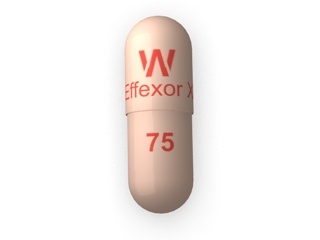

Venlor (Venlafaxine) – Patient-Friendly Medicine Information (Australia)
Venlor is a brand of venlafaxine, a medicine used to treat certain mental health conditions. This guide provides clear, practical information about how Venlor works, when it’s typically taken, and key safety considerations. It’s written for people in Australia and reflects general clinical practice.
| Topic | Information |
|---|---|
| Active ingredient | Venlafaxine |
| Medicine type | SNRI antidepressant (serotonin–norepinephrine reuptake inhibitor) |
| Common uses | Depression, anxiety conditions (including generalised anxiety disorder) |
| How it may feel | May improve mood and anxiety over days to weeks; full benefit often takes longer |
| Typical dosing pattern | Once or twice daily depending on formulation and prescriber instructions |
| Important safety notes | Do not stop suddenly; watch for serotonin-related effects and blood pressure changes |
Basic product information
Venlor (venlafaxine) belongs to the SNRI class. In many countries, including Australia, venlafaxine is commonly available in different strengths and formulations (for example, immediate-release or extended-release, depending on the product). Your exact dose and schedule depend on your condition and response.
Always check the package for the correct strength and formulation. If you are unsure whether your product is immediate-release or extended-release, speak with your pharmacist or prescriber.
How Venlor works (mechanism of action)
Venlafaxine helps correct chemical signalling in the brain by changing the balance of neurotransmitters. It mainly works by:
- Inhibiting the reuptake of serotonin (5‑HT), helping serotonin stay available in the synapse for longer.
- Inhibiting the reuptake of norepinephrine (noradrenaline), supporting mood regulation and aspects of anxiety response.
Over time, these changes may help improve depressive symptoms and anxiety symptoms. Like many antidepressants, it does not typically provide instant relief. Early improvements may occur, but sustained benefit often takes several weeks.
Pharmacokinetics (how the body handles venlafaxine)
“Pharmacokinetics” describes what happens after you take a medicine—how it is absorbed, metabolised, and cleared. Venlafaxine is metabolised in the liver to an active metabolite called O‑desmethylvenlafaxine (ODV).
Absorption and onset
- Venlafaxine is absorbed after swallowing, with blood levels rising over time.
- The time to reach peak concentrations depends on whether the product is immediate-release or extended-release.
- Extended-release products generally provide a steadier release over the day.
Metabolism
- Venlafaxine is processed primarily by liver enzymes (notably the CYP system), producing ODV.
- Both venlafaxine and ODV contribute to clinical effects.
Elimination
- The medicine and its metabolites are eliminated mainly through the kidneys.
- People with kidney or liver impairment may require different dosing and closer monitoring.
Typical use: what Venlor is for
Venlor is used to treat conditions such as:
- Depression (including major depressive disorder)
- Generalised anxiety disorder (GAD) in many clinical settings
- Other anxiety-related conditions depending on local prescribing practice and individual assessment
If you are unsure why you were given Venlor, ask your treating team for a simple explanation of the goal of therapy (for example, improving mood, reducing persistent worry, or both).
When to take Venlor (timing and routines)
Your exact schedule depends on the product formulation and your treatment plan. Many people find the routine easiest to maintain by linking the dose to a daily habit, such as after breakfast or in the evening.
General timing guidance
- Choose a consistent time each day.
- If the medicine makes you feel alert or “wired,” consider taking it in the morning (unless your clinician advised otherwise).
- If it makes you drowsy, taking it in the evening may be more comfortable.
- Take extended-release forms in line with the product instructions (do not crush or chew unless the medicine is specifically designed for that).
If you miss a dose
Missing a dose can lead to symptoms returning or “withdrawal-like” discomfort in some people. The approach to missed doses can vary by product and schedule. As general guidance:
- Do not take a double dose to make up for a missed one.
- If it’s close to the next scheduled dose, it’s usually better to skip the missed dose and continue normally.
- Check your product packaging or ask your pharmacist for the correct advice for your specific regimen.
Food interactions: can you take Venlor with meals?
Venlor can generally be taken with or without food. Taking it with food may help reduce stomach upset or nausea for some people.
The key is consistency. Try to take your dose the same way each day (either always with meals or always on an empty stomach) unless you are adjusting for side effects.
Alcohol and medicine interactions
Alcohol
It’s best to be cautious with alcohol while taking venlafaxine. Alcohol can worsen mood, sleep, anxiety, and coordination—and can make side effects such as dizziness or drowsiness more likely.
If you choose to drink alcohol, discuss it with your pharmacist or clinician. In some cases, avoiding alcohol entirely may be recommended.
Other medicines that may interact
Venlafaxine can interact with other medicines, which may increase the risk of side effects or change how well the treatment works. Important categories to know about include:
-
Other serotonergic medicines (e.g., some antidepressants, triptans for migraine, certain
pain medicines like tramadol, and some supplements such as St John’s wort)
- These may increase the risk of serotonin-related effects.
-
MAO inhibitors
- Combining or switching between these requires careful timing and specialist guidance due to risk of serious reactions.
-
Blood pressure and heart medicines
- Venlafaxine can sometimes affect blood pressure, so monitoring may be needed when used with related medicines.
-
Medicines that affect liver enzymes
- Some drugs can increase or decrease venlafaxine/ODV levels, affecting tolerability or effectiveness.
-
Medicines that increase bleeding risk
- Some blood thinners and antiplatelet medicines may increase the risk of bleeding when combined with antidepressants.
-
NSAIDs (e.g., ibuprofen, naproxen) and other anti-inflammatory pain relief
- Using these with antidepressants may affect bleeding risk in some people—especially at higher doses or long-term.
Always provide your full medicine list to your pharmacist, including non-prescription medicines, vitamins, herbal products, and occasional treatments.
Indications and treatment goals
In Australia, venlafaxine may be used as part of a broader treatment plan. The goal typically includes:
- Reducing depressive symptoms such as low mood, loss of interest, fatigue, and concentration problems.
- Reducing anxiety symptoms such as excessive worry, tension, and physical anxiety.
- Improving day-to-day function (work, study, social relationships, and sleep).
Antidepressants often work best alongside supportive strategies, which may include talking therapies, sleep routine, regular activity, and stress management.
Dosing: how Venlor is taken
Dosing should be individualised. Factors include the condition being treated, age, tolerability, kidney function, and any other medicines being used. Your prescriber will typically start at a dose designed to minimise early side effects and then adjust if needed.
Starting and adjusting
- Many treatment plans begin at a lower dose and increase gradually to improve tolerability.
- Dose changes are usually spaced out so your body has time to adjust.
- People may experience early effects such as nausea, sleep changes, or restlessness before the full benefit develops.
Common dosing patterns (general)
Because Venlor can come in different formulations, your exact schedule may be once daily or divided dosing. As a general principle:
- Extended-release is often taken once daily.
- Immediate-release may be taken once or twice daily depending on the regimen.
Do not stop suddenly
Stopping venlafaxine suddenly can cause discontinuation symptoms in some people, such as: dizziness, nausea, “electric shock”-like sensations, anxiety, irritability, and sleep disturbance. If you need to stop, the typical approach is a gradual taper under clinical guidance.
Safety profile: side effects and when to seek help
Common side effects
Many people experience mild to moderate side effects early in treatment that improve as the body adapts. Possible common side effects include:
- Nausea, stomach upset, or reduced appetite
- Dry mouth
- Headache
- Sleep changes (insomnia or increased sleepiness)
- Increased sweating
- Constipation
- Feeling restless, jittery, or slightly “activated”
- Sexual function changes
Blood pressure considerations
Venlafaxine can increase blood pressure in some people. Your clinician may check blood pressure before and after dose changes. Seek advice promptly if you notice symptoms such as severe headache, chest pain, or shortness of breath.
Serious but uncommon risks
Some reactions are rare but important. Contact urgent medical care if you experience:
- Signs of serotonin syndrome such as fever, agitation, confusion, severe sweating, tremor, muscle stiffness, diarrhoea, or a fast heart rate (especially if combined with other serotonergic medicines).
- Severe allergic reaction including swelling of the face/lips, hives, or difficulty breathing.
- Mania or hypomania symptoms such as unusually elevated mood, decreased need for sleep, racing thoughts, impulsive behaviour.
- Unusual bleeding (e.g., easy bruising, black/tarry stools, vomiting blood) especially if using blood thinners or NSAIDs.
- Suicidal thoughts or worsening depression, particularly in early treatment or during dose changes. If you’re worried about your safety, seek immediate help.
Who may need extra caution
Extra monitoring may be needed if you have:
- Heart disease or a history of high blood pressure
- Kidney or liver impairment
- A history of bipolar disorder (to avoid antidepressant-induced switching)
- Risk factors for bleeding
- Older age or frailty (side effects may be more likely)
Practical use tips for better tolerability
- Plan for the first couple of weeks: some people notice nausea, sleep changes, or restlessness early. These often improve, but it helps to anticipate them.
- Start low and go slow: gradual dose titration can reduce side effects.
- Hydrate and eat regularly: dry mouth and nausea can be easier to manage with fluids and simple meals.
- Manage sleep: if insomnia occurs, discuss timing adjustments and sleep strategies with your clinician.
- Track symptoms: note mood, anxiety, sleep, and side effects (including blood pressure if advised). This can help your treatment team adjust safely.
- Be careful when standing: if dizziness occurs, rise slowly, especially in the morning.
- Do not combine without checking: confirm whether any new medication, supplement, or “cold/flu” product is safe to use with venlafaxine.
What to expect: timing of benefit and follow-up
People often want to know how long until they feel better. While responses vary, a typical pattern is:
- Early days: some notice changes in sleep, appetite, or energy; side effects may appear.
- 1–2 weeks: anxiety and agitation may begin to settle for some people.
- 2–6 weeks: mood and anxiety symptoms often show clearer improvement.
- Ongoing weeks: full benefit may require continued treatment and possible dose adjustments.
If you feel much worse, develop severe agitation, or notice alarming symptoms, contact a healthcare professional promptly.
Alternative options (if Venlor isn’t suitable)
There are several medication and non-medicine options for depression and anxiety. The best alternative depends on your history, side effect tolerance, other conditions, and personal preferences.
Medication alternatives
- SSRIs (selective serotonin reuptake inhibitors), commonly used for depression and anxiety
- Other SNRIs, depending on individual response
- Other antidepressants for specific symptom profiles or past response
- Adjunctive treatments for augmentation when first-line options are not enough (decided by clinicians)
Non-medicine options
- Psychological therapies such as CBT (cognitive behavioural therapy)
- Sleep-focused strategies for insomnia and circadian support
- Exercise and routine for mood and anxiety stability
- Peer support and structured self-management strategies
If Venlor causes intolerable side effects or isn’t effective, your clinician can discuss switching strategies safely.
Australia: market and legal context
In Australia, medicines like venlafaxine are regulated under the Therapeutic Goods Administration (TGA) framework. Availability and prescribing requirements vary by product and classification.
Many antidepressants are supplied through pharmacy channels under regulated medicine supply processes. Online pharmacy services in Australia typically require identity and medication safety checks, and may involve eligibility verification before dispatch.
This page provides general educational information. It is not a substitute for advice from a pharmacist or clinician, who can tailor guidance to your medical history.
Recent guidance and monitoring themes
Clinical practice for antidepressants commonly emphasises:
- Individualised dosing and careful titration to improve tolerability.
- Monitoring in the early phase for side effects and any change in mood, behaviour, or anxiety.
- Attention to suicidality risk and safety planning where appropriate, particularly during initiation or dose changes.
- Blood pressure monitoring in relevant patients, especially as doses increase.
- Safe discontinuation with gradual tapering to reduce discontinuation symptoms.
Your healthcare team may also consider referral to psychological therapies and ongoing review of benefit versus risk.
Delivery, availability, and what to check before dispatch
Availability of Venlor can vary by supplier and stock levels. When ordering through an online pharmacy, typical steps may include:
- Product verification: confirm the correct brand name, strength, and formulation (as listed on the product packaging).
- Safety checks: ensure your medication history and potential interactions are reviewed (where required by the service).
- Delivery timing: dispatch is usually scheduled once the order is confirmed and checked.
- Storage: medicines should be stored as directed on the packaging (typically in a cool, dry place, away from moisture).
If you need the medicine urgently, contact customer support to ask about current dispatch times and delivery options.
FAQ – Frequently asked questions
1) Is Venlor suitable for everyone with depression or anxiety?
Not always. Suitability depends on your medical history, other medicines, age, blood pressure, kidney/liver function, and specific symptom pattern. A clinician or pharmacist can advise based on your personal situation.
2) How long does it take for Venlor to work?
Many people notice some change within the first couple of weeks, but clearer improvement often takes 2–6 weeks. Full benefit may take longer and may require dose adjustments.
3) Will I feel side effects immediately?
Some side effects can occur early (such as nausea, sleep changes, or restlessness). These may improve as your body adjusts. If side effects are severe or worsening, seek advice promptly.
4) Can I take Venlor with food?
Yes. It can usually be taken with or without food. If you experience nausea, taking it with food may help.
5) What should I do if I miss a dose?
Do not take a double dose. If you’re unsure what to do for your specific regimen, check your packaging or ask a pharmacist.
6) Can I drink alcohol while on Venlor?
It’s best to be cautious. Alcohol can worsen mood and anxiety and can increase dizziness or sleep effects. Discuss your situation with a pharmacist or clinician.
7) Is it safe to stop Venlor suddenly?
Stopping suddenly can cause discontinuation symptoms. If you need to stop, speak with your clinician about a gradual taper plan.
8) Can Venlor affect blood pressure?
It can in some people. Blood pressure monitoring may be advised, especially when increasing doses or if you already have high blood pressure.
9) What interactions should I watch for?
Avoid combining with other serotonergic medicines unless advised. Also mention blood thinners, migraine medicines (triptans), pain medicines such as tramadol, NSAIDs, and any herbal products like St John’s wort to your pharmacist.
10) What if Venlor isn’t helping?
If symptoms aren’t improving after a reasonable period, or if they worsen, contact your healthcare team. They may adjust the dose, check interactions, or consider alternative treatments.
Important safety reminder
If you develop severe allergic symptoms, symptoms of serotonin syndrome, chest pain, severe dizziness/fainting, or sudden worsening of mental health safety concerns, seek urgent medical assistance immediately.
For personalised guidance on Venlor—such as appropriate dosing, formulation choice, and interaction checks—speak with your pharmacist or treating clinician.