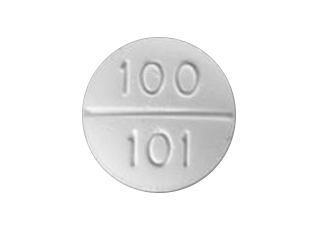


Dapsone (Diaminodiphenyl sulfone) – Patient-Friendly Medicine Information (Australia)
Dapsone, also known by the brand name Diaminodiphenyl sulfone (often shortened to “dapsone” in everyday use), is a medicine used for specific infections and immune-related skin conditions. It has been used for many decades and remains an important treatment in certain diseases where it can prevent progression and reduce symptoms.
This guide explains how dapsone works, how it is commonly used, what to expect, and important safety information. It is written to be patient-friendly and suitable for use on an Australian online pharmacy website.
Basic product information
| Item | Details |
|---|---|
| Generic name | Dapsone (Diaminodiphenyl sulfone) |
| Medicine type | Antimicrobial and anti-inflammatory (anti-leprosy/anti-bacterial properties; also used in certain inflammatory skin conditions) |
| Common forms | Oral tablets (strengths vary by product) |
| How it is taken | Usually once or twice daily, depending on the indication |
| Key precautions | Blood count monitoring and screening for G6PD deficiency; risks include anaemia and serious hypersensitivity reactions |
| Storage | Store as directed on the pack; protect from heat and moisture |
How dapsone works (mechanism of action)
Dapsone has both antimicrobial and anti-inflammatory effects. The antimicrobial action is related to interference with folate (vitamin-related) processes inside susceptible organisms. In addition, its anti-inflammatory activity is helpful in certain immune-mediated skin diseases by reducing damaging inflammation and abnormal immune signalling.
Importantly, dapsone’s role varies by condition:
- For infections (e.g., leprosy), it helps stop the growth of certain bacteria.
- For immune-related skin conditions (e.g., dermatitis herpetiformis), it can reduce rash and itching.
Pharmacokinetics (how your body handles dapsone)
Pharmacokinetics describes what happens after a dose is swallowed: absorption, distribution, metabolism, and elimination. While individuals vary, the following points are generally relevant:
- Absorption: Dapsone is absorbed from the gastrointestinal tract after oral dosing.
- Distribution: It can distribute into body tissues, including skin and inflammatory sites.
- Metabolism: Dapsone is metabolised in the body, including pathways that can affect red blood cells.
- Elimination: The medicine and its metabolites are removed from the body primarily via the kidneys.
- Half-life: Dapsone can persist for a relatively long time, which means steady effects may develop over days to weeks.
Because of its potential effects on blood cells and metabolism, clinicians often monitor blood tests during treatment.
Typical uses of dapsone in Australia
Dapsone is used for specific conditions. Availability and funded status can vary depending on current Australian listings, and prescriber decisions are based on the patient’s diagnosis and overall treatment plan.
Common indications
- Dermatitis herpetiformis (a chronic itchy blistering skin condition associated with coeliac disease).
- Leprosy (Hansen’s disease) as part of treatment regimens.
- Some refractory bacterial or opportunistic infections where dapsone is appropriate according to specialist guidance. (Exact use depends on the disease and local antimicrobial recommendations.)
In practice, dapsone may be used when other treatments are not suitable or as part of a combination approach.
When dapsone starts to work (timing and expectations)
Response time depends on the condition being treated:
- Dermatitis herpetiformis: Many people notice reduced itching within days, with further improvement in rash over weeks. Full control often takes longer and may require ongoing management of underlying causes.
- Leprosy and other infections: Improvement is usually gradual and requires completing the full recommended course and follow-up.
It’s common for dosing and monitoring to be adjusted over time based on benefit and laboratory results. If you do not feel better or symptoms worsen, contact a healthcare professional promptly.
Dosing overview (general guidance)
Dosing is individual and depends on the condition, age, body weight, liver or kidney function, and blood test results. The information below is general and not a substitute for clinician instructions.
Common dosing patterns
- Oral dosing: Often once daily or divided doses (e.g., once or twice daily) depending on the indication.
- Starting dose: Treatment may begin at a lower dose and then be titrated upward if needed and safe.
- Maintenance: Once symptoms are controlled, clinicians may aim for the lowest effective dose.
Monitoring-related adjustments
Because dapsone can affect blood cells and may cause hypersensitivity reactions, clinicians commonly monitor:
- Full blood count (including haemoglobin and white cell counts)
- Signs of haemolysis or anaemia
- Methemoglobin-related symptoms
- Liver function tests (as appropriate)
If you are unsure about your dose or have missed doses, speak with a healthcare professional or your pharmacist for advice.
Food and dapsone: interactions with meals
Dapsone can generally be taken with or without food. Many people find it easier to tolerate with food if nausea occurs. However, individual regimens vary.
Practical tips with food
- Consistency helps: Try to take your dose at the same time each day.
- If stomach upset occurs: Taking dapsone with a meal may reduce discomfort.
- Follow the label: Use the dosing instructions provided with your specific product.
Alcohol and dapsone: possible interactions
Alcohol may increase strain on the liver and can worsen side effects such as dizziness, nausea, or fatigue. Although moderate, occasional alcohol may not be universally prohibited, it is safest to limit alcohol intake while taking dapsone—particularly if you have liver concerns, anaemia, or you are experiencing any side effects.
When to avoid alcohol and seek advice
- Right-sided or upper abdominal pain, yellowing of the skin/eyes, or dark urine (possible liver-related symptoms)
- Marked weakness, breathlessness, or chest discomfort (possible blood-related effects)
- Any signs of serious allergy or intolerance
If you would like guidance on alcohol for your specific situation, ask your pharmacist or doctor.
Medicine interactions: what to tell your healthcare team
Drug interactions are important with dapsone because it can affect blood cells and be influenced by how your liver metabolises medicines. Always provide a complete list of your medicines, supplements, and herbal products to your pharmacist.
Medicines and factors that may require extra caution
- Other medicines that affect blood: Some drugs can increase the risk of anaemia or haemolysis.
- Medicines associated with methemoglobinaemia risk: Certain agents may increase the likelihood of abnormal oxygen delivery. Symptoms include unusual shortness of breath, bluish lips/skin, or persistent fatigue.
- Liver-affecting medicines: Combining multiple liver-metabolised drugs may increase risk of liver injury.
- Vitamin or supplement products: Not all supplements are harmless; check with your pharmacist.
G6PD deficiency (a genetic enzyme deficiency) is especially relevant for dapsone safety. People with G6PD deficiency are at higher risk of certain blood complications. Testing may be recommended before or during treatment.
If you are taking other medicines, do not start, stop, or change doses without professional advice.
Safety profile: common side effects and serious risks
Like all medicines, dapsone can cause side effects. Some are relatively common and manageable, while others are rare but potentially serious and require urgent attention.
Common or expected side effects
- Nausea or stomach discomfort
- Headache
- Dizziness or fatigue
- Skin dryness or mild rash (not always allergic)
Important serious risks
Please be alert to symptoms that may signal a serious reaction. Seek urgent medical attention if you experience any of the following:
- Signs of severe allergy or hypersensitivity: fever, widespread rash, blistering, facial swelling, or difficulty breathing.
- Signs of anaemia or haemolysis: unusual tiredness, weakness, paleness, breathlessness, rapid heartbeat, or dark urine.
- Methemoglobinaemia symptoms: shortness of breath, headache, dizziness, bluish lips/skin, or persistent fatigue.
- Liver problems: yellowing of the skin/eyes, dark urine, severe nausea, or upper abdominal pain.
- Blood count abnormalities (often detected by blood tests): infections, sore throat, easy bruising, or bleeding.
Monitoring is part of safe use
Because of the risk profile, clinicians commonly plan blood tests and symptom checks. If you notice symptoms between appointments, contact your healthcare professional promptly rather than waiting.
Practical use tips for patients
- Take at the same time daily: Setting a routine can improve adherence and reduce missed doses.
- Know your warning signs: Learn which symptoms mean urgent care (breathing trouble, widespread rash, jaundice, severe fatigue).
- Keep lab monitoring appointments: These tests help confirm safety, especially during the first months.
- Report all medicines: Include prescription, over-the-counter, and supplements.
- Stay hydrated: Helps overall wellbeing and may reduce side effects related to general discomfort.
- Sun protection: If you develop a rash or photosensitivity-like symptoms, discuss sun safety with your clinician.
What to do if you miss a dose
If you miss a dose, take it when you remember unless it is close to the time of your next dose. If it is nearly time for the next dose, skip the missed dose and resume your usual schedule.
Do not take a double dose unless a healthcare professional advises otherwise. If you are unsure, ask your pharmacist for tailored advice.
Alternative options
Alternatives depend heavily on the condition being treated. For dermatitis herpetiformis, many patients are managed with a gluten-free diet and medications that reduce symptoms. For leprosy, treatment typically involves specialist regimens that may differ from dapsone alone.
Common alternative approaches
- For dermatitis herpetiformis:
- Gluten-free diet (addresses the underlying association and improves long-term outcomes)
- Other medications may be considered if dapsone is not tolerated or not effective
- For leprosy:
- Specialist multidrug regimens tailored to disease type and regional guidelines
- For certain infections:
- Alternative antibiotics may be used depending on organism susceptibility and clinical circumstances
If you want to discuss options, ask your pharmacist or treating clinician about what alternatives are appropriate for your specific diagnosis and history.
Australia: market, legal and regulatory context
In Australia, medicines are regulated through the Therapeutic Goods Administration (TGA) and supplied under the relevant schedules of the Australian regulatory framework. The exact access pathway for dapsone (including eligibility for supply through particular channels) can vary depending on product formulation and current scheduling.
Online pharmacies in Australia generally comply with Australian laws and pharmacy practice requirements, including identification of the patient, appropriate counselling, and safe supply processes. If a medicine requires clinician involvement, supply is arranged accordingly by compliant providers.
Product availability can change over time. If a specific brand or strength is not currently available, pharmacies may offer an equivalent product (where allowed) or arrange timely ordering based on stock availability.
Recent guidance and safety updates (what patients should know)
Safety guidance for dapsone typically emphasises:
- Baseline and ongoing blood monitoring (full blood count and relevant safety blood parameters)
- Testing for G6PD deficiency when clinically indicated
- Early recognition of serious hypersensitivity reactions
- Awareness of anaemia and methemoglobinaemia symptoms
Guidance can evolve as new evidence becomes available. A pharmacist can also check that your local brand and strength match current advice and that any additional precautions apply to your personal risk factors.
Delivery, availability and ordering (Australia)
Many Australian online pharmacies offer delivery options across metro and regional areas. Availability may depend on:
- Current stock levels for the requested strength and pack size
- Whether an alternative brand can be supplied
- Any storage or shipping constraints
When ordering, you may be asked to confirm your medicine details (including strength, dose, and quantity). If stock is limited, some providers offer back-order options or suggest a suitable substitute where permitted.
Delivery considerations
- Estimated delivery times are usually shown during checkout.
- Cold-chain is generally not required for many tablet medicines, but confirm for your specific product.
- Keep tablets in the original packaging until use to maintain labelling and expiry details.
FAQ: Frequently asked questions
Is dapsone the same as Diaminodiphenyl sulfone?
Yes. Dapsone refers to Diaminodiphenyl sulfone, the active ingredient name used for the medicine. Different brands may contain dapsone in tablet form.
How long does it take to feel better?
It depends on the condition. For dermatitis herpetiformis, itching may improve within days, but rash control often takes weeks. For infections like leprosy, improvement is gradual and requires completing the full regimen and follow-up.
Should I take dapsone with food?
It can often be taken with or without food. If you experience nausea or stomach discomfort, taking it with a meal may help. Use the instructions provided with your specific product.
Can I drink alcohol while taking dapsone?
It’s safest to limit alcohol, especially if you have liver issues or any blood-related side effects. If you are unsure, ask your pharmacist for advice based on your medical history and other medicines.
What side effects require urgent medical help?
Seek urgent medical attention for symptoms such as trouble breathing, widespread rash with fever, facial swelling, jaundice (yellow skin/eyes), dark urine, severe weakness, chest pain, or persistent breathlessness.
Why do I need blood tests?
Dapsone can affect blood cells and oxygen delivery. Blood tests help detect anaemia, haemolysis, and other abnormalities early, enabling dose adjustments or stopping treatment if necessary.
Do I need G6PD testing?
G6PD deficiency can increase the risk of certain blood complications with dapsone. Testing is commonly considered before or during treatment, depending on your risk factors and local clinical practice.
Are there alternatives if dapsone doesn’t work?
Yes. Alternatives depend on the condition being treated (diet and other medicines for dermatitis herpetiformis; specialist antimicrobial regimens for leprosy). Your clinician can discuss the most appropriate options if dapsone is not suitable.
Can I stop dapsone suddenly?
Do not stop dapsone without medical advice. Stopping may lead to return or worsening of the condition being treated. If you want to change therapy, discuss it promptly with your healthcare professional.
Summary
Dapsone is an established medicine used for selected conditions such as dermatitis herpetiformis and leprosy, and it may be chosen when benefits outweigh risks. Because of potential blood-related effects and rare serious reactions, safe use relies on correct dosing, awareness of warning symptoms, and recommended monitoring—especially full blood counts and related tests.
If you have questions about how to take dapsone, what to expect, or how it may interact with your other medicines, a pharmacist can help you understand your regimen and help you use it safely.