

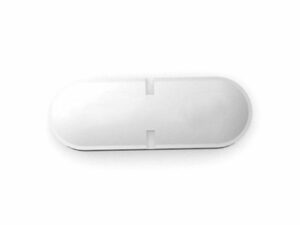
Flagyl (Metronidazole) – Patient Information (Australia)
Flagyl is the brand name for metronidazole, an antibiotic medicine used to treat a range of infections, particularly those caused by anaerobic bacteria and certain protozoa. It is widely available in Australia and is commonly used for oral, stomach/intestinal, dental, gynaecological, skin, and some other targeted infections depending on the cause.
This page explains how Flagyl works, how it’s used, what to expect, and important safety information. Always follow the instructions given by your healthcare professional or the medicine label.
Quick Facts
- Active ingredient: Metronidazole
- Medicinal type: Antibiotic / antiprotozoal (also used against anaerobic organisms)
- Common forms: Tablets and oral formulations (strength varies by product)
- Typical dosing schedule: Often 2–3 times daily depending on the condition
- Key caution: Avoid alcohol during treatment and for a short period after the last dose
- Common side effects: Nausea, a metallic taste, headache, stomach discomfort
What is Flagyl and How Does it Work?
Mechanism of Action
Metronidazole works mainly by interfering with the DNA of susceptible microorganisms. In anaerobic bacteria and certain protozoa, metronidazole is converted inside the organism into reactive compounds that damage DNA and prevent replication. This leads to cell death and control of infection.
Because metronidazole targets organisms that thrive without oxygen, it is especially effective for infections involving:
- Anaerobic bacteria (including many found in the mouth, gut, and female reproductive tract)
- Protozoa such as Trichomonas vaginalis and Giardia lamblia (depending on indication)
Pharmacokinetics (How the Body Processes Metronidazole)
Understanding basic pharmacokinetics may help explain dosing schedules and how long the medicine stays active.
- Absorption: Metronidazole is generally well absorbed after oral dosing.
- Distribution: It spreads through body tissues and fluids, including areas relevant to many infections.
- Metabolism: The liver metabolises metronidazole into active and inactive metabolites.
- Elimination: Metronidazole and its metabolites are excreted mainly through the kidneys.
- Half-life: In many adults, the elimination half-life is roughly several hours (commonly cited around 6–8 hours), which is one reason frequent dosing is used.
Note: Liver or kidney function, age, and the specific infection being treated can influence how your healthcare professional adjusts dosing.
Typical Uses of Flagyl
Flagyl may be used for a variety of infections where anaerobic organisms or susceptible protozoa are involved. The appropriate use depends on the diagnosis, local guidelines, and your individual situation.
Common indications include:
- Dental and oral infections where anaerobic bacteria are suspected
- Intra-abdominal infections (often alongside other antibiotics depending on the situation)
- Skin and soft tissue infections involving anaerobes
- Gynaecological infections such as bacterial vaginosis or other anaerobic-associated conditions (as advised)
- Trichomoniasis (treatment targets the protozoa Trichomonas vaginalis)
- Giardiasis (treatment for the protozoan Giardia lamblia)
- Other anaerobic infections as determined by your clinician
Important: Metronidazole is not effective for every infection. It works best when the causative organism is susceptible. Taking it for the wrong reason can reduce effectiveness and increase side effects.
When to Take Flagyl (Timing & Routine)
The schedule depends on the condition and the dose prescribed. Many regimens involve two or three doses per day. Try to take your doses at evenly spaced times to maintain steady levels.
Practical timing tips
- Take at the same times daily to help you remember.
- If you miss a dose: take it when you remember unless it’s close to the next dose. Do not double up.
- Finish the full course: even if you feel better, to reduce the chance the infection returns.
Food Interactions and What to Eat
Metronidazole can generally be taken with or without food. However, food may improve tolerability for some people by reducing nausea or stomach upset.
Recommendations
- If you feel nauseous, consider taking it with food.
- Stay well hydrated, particularly if you experience vomiting or diarrhoea.
Alcohol and Medicine Interactions
Alcohol (Very Important)
You should avoid alcohol while taking Flagyl and for a period after the last dose. Alcohol can interact with metronidazole and may cause unpleasant symptoms.
Possible disulfiram-like reaction symptoms
- Flushing or warmth in the face
- Nausea and vomiting
- Headache
- Fast heartbeat or feeling unwell
- Lower blood pressure or dizziness in some cases
How long to avoid alcohol: Follow the guidance provided with your medicine and by your healthcare professional. A common recommendation is to avoid alcohol during treatment and for at least 48 hours after the final dose. If you are unsure, ask your pharmacist.
Other medicine interactions
Metronidazole can interact with other medicines. Tell your healthcare professional and pharmacist about all medicines you use, including:
- Warfarin or other blood thinners (increased bleeding risk may occur—monitoring may be needed)
- Lithium (levels may rise, causing toxicity)
- Phenytoin, carbamazepine, and phenobarbital (may affect metronidazole levels and/or the other medicine)
- Cimetidine (may increase metronidazole levels)
- Disulfiram (avoid or use caution—can increase risk of reactions)
Always check the label or ask your pharmacist if you’re unsure whether a medicine interacts with metronidazole.
Dosing (General Guidance)
Dose and duration vary depending on the infection being treated, your age, kidney/liver function, and local clinical guidelines. Your pharmacist or clinician will provide the exact instructions.
Below are typical dosing ranges used for different indications (for education only). Follow your own prescribed plan rather than these general examples.
Typical dosing examples (adults)
| Indication (example) | Typical regimen (adult, varies) | Duration (varies) | Notes |
|---|---|---|---|
| Trichomoniasis | Often 2 g single dose or divided dosing depending on regimen | May be 1 day or multi-dose regimens | Your clinician may also treat sexual partners to reduce reinfection. |
| Bacterial vaginosis | Commonly 400–500 mg twice daily | Typically 5–7 days | Follow the exact schedule recommended for your condition. |
| Giardiasis | Commonly 250–500 mg two or three times daily | Typically 5–7 days | Hydration and hygiene are important to prevent spread. |
| Anaerobic bacterial infections | Often 400 mg three times daily (varies) | Often 7–10 days or longer depending on response | May be combined with other antibiotics or procedures depending on source. |
Children and special populations: Children, older adults, people with liver disease, and those with kidney impairment may need different dosing. Use dosing determined by a clinician for your specific situation.
Safety Profile and Side Effects
Most people tolerate metronidazole well, especially when taken correctly. However, like all medicines, it can cause side effects.
Common side effects
- Nausea or stomach discomfort
- Metallic taste in the mouth
- Headache
- Loss of appetite
- Diarrhoea or constipation
- Darkening of urine (can occur; usually harmless but confirm with your pharmacist if unsure)
Less common but important adverse effects
- Allergic reactions (rash, itching, swelling)
- Severe diarrhoea (especially watery or with blood) which may indicate a more serious bowel condition
- Neurological symptoms such as tingling, numbness, unsteadiness, or severe dizziness (especially with longer courses)
- Unusual tiredness or weakness with fever (seek advice)
Seek urgent medical help if you experience
- Difficulty breathing, facial swelling, or severe rash
- Persistent vomiting preventing oral intake
- Severe or worsening symptoms of infection
- New weakness, confusion, severe headache, or seizures
Stop and seek help promptly: If you suspect an allergic reaction or experience severe side effects, contact emergency services or a healthcare professional immediately.
Practical Use Tips for Better Tolerance
- Take with food if you experience nausea.
- Stay consistent with dosing times.
- Hydration helps: drink water regularly, especially if you get diarrhoea.
- Manage taste changes: consider sugar-free gum, mints, or maintaining good oral hygiene.
- Avoid alcohol completely during treatment and after (as advised).
- Do not skip doses: missing doses can reduce effectiveness.
- Complete the course: finishing the treatment reduces relapse risk.
Alternative Options (Discuss With Your Pharmacist or Clinician)
Alternative treatments depend on the specific infection and the likely organism. Your healthcare professional may consider other antibiotics or antiprotozoal medicines, or different formulations (including topical options for certain conditions).
Examples of alternatives that may be considered for specific indications (not a substitute for personalised advice):
- For trichomoniasis: other antiprotozoal regimens may be used depending on guidelines and individual factors.
- For giardiasis: other antiparasitic treatments may be recommended in some cases.
- For anaerobic infections: alternative antibiotics may be selected based on severity, site of infection, and culture results.
- For bacterial vaginosis: different oral or local therapies may be used depending on your circumstances.
Choice of treatment can also be influenced by pregnancy status, allergies, drug interactions, and local resistance patterns.
Flagyl in Australia: Market, Regulation and Guidance
In Australia, medicines are regulated by the Therapeutic Goods Administration (TGA). Metronidazole products such as Flagyl are supplied as registered medicines and must be used in line with approved directions and current clinical guidance.
Clinical practice also follows antibiotic stewardship principles, including:
- Using antibiotics only when appropriate
- Selecting the most suitable medicine for the suspected or confirmed cause
- Reviewing treatment if symptoms do not improve
Recent guidance considerations
Across Australia, antibiotic use is guided by up-to-date clinical recommendations from professional bodies and public health authorities. These recommendations often emphasise:
- Confirming the diagnosis when possible
- Using the shortest effective course for the condition
- Considering local resistance patterns
- Assessing whether additional tests are needed (for example, if infection does not respond)
If you have questions about whether Flagyl is appropriate for your condition, talk to your pharmacist or healthcare professional.
Delivery and Availability (Online Pharmacy)
Flagyl (metronidazole) is commonly stocked through Australian pharmacies. Availability may vary depending on strength, pack size, and formulation. When ordering online, you may be asked to select from available options.
What to expect from delivery
- Dispatch times depend on stock availability and order processing.
- Packaging typically protects tablets from moisture and damage.
- Check expiry dates when you receive your order.
- Storage: store tablets as directed on the packaging (typically at room temperature, away from moisture and heat).
Always store the medicine out of reach of children.
FAQ – Frequently Asked Questions
1) Can I take Flagyl with food?
Yes. Metronidazole can usually be taken with or without food. If you experience nausea, taking it with food may help.
2) Why is alcohol a problem with Flagyl?
Alcohol can interact with metronidazole and may trigger unpleasant symptoms such as flushing, nausea, vomiting, headache, and feeling unwell. Avoid alcohol during treatment and for the period after your final dose (commonly at least 48 hours).
3) What if I forget a dose?
If you remember soon after missing it, take the missed dose. If it’s nearly time for the next dose, skip the missed dose—do not double up. If you’re unsure, ask your pharmacist.
4) How long does it take to start working?
Many people notice improvement within 24–72 hours, depending on the infection and severity. If symptoms worsen or do not improve within a few days, contact a healthcare professional for review.
5) Will Flagyl cause a metallic taste?
A metallic taste is a common side effect. It can be temporary and may improve after the course ends.
6) Can I drive or operate machinery while taking Flagyl?
Most people can drive safely. However, if you experience dizziness, headache, or neurological symptoms, avoid driving and seek medical advice.
7) Is Flagyl safe for everyone?
Not necessarily. Safety depends on your medical history, other medicines, allergies, and liver function. Let your pharmacist know about all medicines you take and any history of liver problems or blood disorders.
8) What about pregnancy and breastfeeding?
Metronidazole is sometimes used in pregnancy and breastfeeding when the benefits outweigh the risks. Your healthcare professional will advise based on the specific situation. If you are pregnant or breastfeeding, discuss your treatment plan before starting.
9) Are there medicines I should avoid while on Flagyl?
Yes—particularly alcohol. Also mention medicines such as warfarin, lithium, cimetidine, and certain anti-seizure medicines to ensure safe use. Your pharmacist can check interactions.
10) What if my symptoms improve—should I stop early?
No. Finishing the full course as directed helps ensure the infection is fully treated and reduces the chance of relapse.
Summary
Flagyl (metronidazole) is an antibiotic/antiprotozoal used to treat infections caused by anaerobic bacteria and certain parasites. It works by damaging the DNA of susceptible organisms. It is generally taken in divided doses, often with or without food, but alcohol must be avoided during treatment and for a short time after completion. Side effects like nausea and a metallic taste are common, while severe reactions require prompt medical attention.
If you have questions about your dose schedule, interactions, or side effects, contact your pharmacist or healthcare professional for individualised advice.