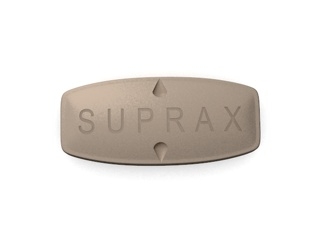


Suprax (Cefixime) – Patient Guide (Australia)
Suprax contains cefixime, an antibiotic medicine used to treat certain bacterial infections. This guide explains how Suprax works, how it’s usually taken, what to expect, and important safety information. Always follow the instructions provided by your healthcare professional and the product information on the pack.
Quick Overview
- Active ingredient: Cefixime
- Medicine type: Cephalosporin (beta-lactam) antibiotic
- Common forms: Typically tablets or oral formulations depending on brand/strength available in Australia
- How it works: Stops bacteria from building their cell walls
- Used for: Specific bacterial infections (e.g., certain ear, throat, urinary, and respiratory infections)
Basic Product Information
Suprax (cefixime) is part of the cephalosporin family of antibiotics. Cefixime works against a range of bacteria responsible for common community-acquired infections.
How long treatment lasts: The course length depends on the type and severity of infection, and your response to therapy. For some infections, treatment may be relatively short; others may require longer courses.
Missed dose: Take it as soon as you remember on the same day. If it is close to the next dose, skip the missed dose and continue as normal—do not double up.
How Suprax Works (Mechanism of Action)
Cefixime is a bactericidal antibiotic, meaning it kills bacteria rather than only stopping growth.
It works by interfering with bacterial cell wall synthesis. Specifically, cefixime binds to penicillin-binding proteins (PBPs), which bacteria use to form and strengthen their cell walls. Without a functional cell wall, bacteria cannot survive and multiply.
Key point: Antibiotics like cefixime work for bacterial infections only. They do not treat viruses such as colds, flu, or most sore throats caused by viruses.
Pharmacokinetics (How the Body Handles Cefixime)
Understanding how the medicine moves through the body can help you take it correctly.
- Absorption: Cefixime is absorbed after oral dosing. Absorption can be influenced by food and certain types of gastric conditions.
- Distribution: It distributes into body fluids where infections may occur, including sites relevant to common bacterial illnesses.
- Elimination: Cefixime is primarily eliminated through the kidneys (renal excretion), so kidney function can affect dosing needs.
- Half-life: The time the body takes to reduce the medicine by half depends on individual factors, including kidney function.
Clinical relevance: If you have reduced kidney function, your prescriber may adjust the dose and/or dosing frequency.
Typical Use in Adults and Children
Suprax (cefixime) is used to treat infections caused by susceptible bacteria. Healthcare professionals select the antibiotic based on the most likely bacteria, your symptoms, and local resistance patterns.
Common indications (examples)
- Ear, nose, and throat infections: Such as otitis media (middle ear infection) and some pharyngitis/tonsillitis caused by bacteria.
- Respiratory tract infections: For selected cases of bronchitis or other respiratory infections due to susceptible organisms.
- Urinary tract infections (UTIs): When caused by bacteria susceptible to cefixime.
- Other bacterial infections: Depending on local guidelines and susceptibility testing.
Important: Not every sore throat, earache, cough, or UTI is bacterial. Taking antibiotics when they aren’t needed can lead to side effects and antibiotic resistance.
Indications (What it’s Used For)
In practice, cefixime may be prescribed for bacterial infections where it is considered effective and appropriate. Indications can vary based on age, severity, and the infecting organism.
Because medicine availability and recommended uses can change, always check the specific indication and dosing instructions on your product label or the information provided with your medicine.
How to Take Suprax (Timing and Dosing)
Follow your prescribed directions. Below is general guidance about timing and typical dosing patterns used for cefixime.
Typical dosing schedule
- Many cefixime regimens are taken once or twice daily depending on the strength/formulation and the infection being treated.
- Try to take doses at evenly spaced times to maintain effective antibiotic levels.
Timing tips
- Set a routine: Morning and evening is easier to remember.
- Finish the full course: Even if you feel better, complete the treatment unless advised otherwise.
- If you vomit shortly after a dose: The dose may not have been absorbed. Seek advice if this happens.
Dose adjustments
Dose may be adjusted in people with kidney impairment. If you have kidney disease, tell your healthcare professional before starting Suprax.
Food Interactions (Can You Take Suprax With Meals?)
Food can influence how medicines absorb from the stomach and gut. Cefixime is often taken with or without food, but individual formulations may differ.
- General approach: It is commonly taken with water. Taking it with food may reduce stomach upset for some people.
- Consistency matters: If your pack instructions suggest a timing (with or without food), follow it consistently.
- Antacids: Some antacids can affect absorption. If you regularly use antacids, discuss timing with a pharmacist.
Practical tip: If you notice nausea or stomach discomfort, consider taking it with a meal (unless your product information states otherwise).
Alcohol Interactions
There isn’t a universal, direct “cefixime–alcohol” reaction like the classic disulfiram-type reactions seen with some other antibiotics. However, alcohol can still be risky because it may:
- worsen dehydration
- increase nausea or stomach irritation
- impair sleep and recovery when you’re unwell
Recommendation: Avoid or limit alcohol during treatment, especially if you experience side effects such as nausea, diarrhoea, or dizziness.
Interactions With Other Medicines
Cefixime can interact with other medicines, potentially changing effectiveness or increasing side effects. Always tell your healthcare professional or pharmacist about all medicines you take, including:
- prescribed medicines
- over-the-counter medicines
- vitamins and supplements
- herbal products
Medication interaction examples
- Probenecid: May reduce cefixime clearance (discuss if you take it).
- Antacids (some types): May affect absorption—timing adjustments may be needed.
- Warfarin or other anticoagulants: Antibiotics can sometimes affect bleeding risk. If you’re on anticoagulants, you may need closer monitoring (e.g., INR checks).
- Kidney-related medicines: Because cefixime is cleared by the kidneys, caution may be needed with other medicines that affect renal function.
Blood test interactions: Cefixime can sometimes influence certain lab results. Inform clinicians and laboratories that you’re taking cefixime.
Safety Profile (Common and Important Risks)
Like all medicines, Suprax can cause side effects. Many people tolerate cefixime well, but it’s important to know what to watch for.
Common side effects
- Diarrhoea (sometimes mild)
- Nausea or stomach discomfort
- Headache
- Rash
- Vaginal or oral thrush (yeast overgrowth)
Serious side effects – seek urgent medical help
- Signs of an allergic reaction: facial/lip/tongue swelling, trouble breathing, hives, severe rash
- Severe or persistent diarrhoea (especially watery or bloody), or diarrhoea with fever or severe cramps
- Severe skin reactions: blistering, skin peeling, sores in mouth/eyes
- Low urine output or sudden kidney issues: decreased urination, swelling, unusual fatigue
When to stop and get advice
Contact a healthcare professional promptly if you develop moderate-to-severe diarrhoea, signs of allergy, or any worrying symptoms. Don’t ignore symptoms—early advice improves safety.
Practical Use Tips (How to Get the Best Results)
- Start on time: Delays may reduce effectiveness.
- Hydrate: Especially if you have fever, nausea, or diarrhoea.
- Take it consistently: Keep the spacing between doses steady.
- Complete the course: Finishing ensures the infection is fully treated and lowers relapse risk.
- Use symptom relief alongside antibiotics: For pain/fever, consider paracetamol (acetaminophen) as appropriate, unless your clinician advises otherwise.
- Track progress: If symptoms don’t improve within a few days, or they worsen, you may need review.
What improvement should look like: Many bacterial infections start improving within 48–72 hours after effective antibiotic therapy, though complete recovery can take longer.
Alternative Options
Alternative treatments depend on the infection type, suspected bacteria, allergy history, local resistance patterns, and your kidney function.
Other antibiotic classes (examples)
- Penicillins (e.g., amoxicillin) for certain infections
- Other cephalosporins when appropriate
- Macrolides (e.g., azithromycin) in some scenarios
- Tetracyclines or other agents for specific bacterial targets
Non-antibiotic supportive care
- For viral infections or mild bacterial infections, clinicians may recommend supportive care only.
- Supportive options include hydration, rest, fever/pain relief, and throat/ear symptom measures.
Note: Don’t switch antibiotics on your own. If you’re not improving, seek clinical advice for reassessment and possible culture testing.
When to Seek Medical Advice Immediately
Get urgent medical help if you experience:
- breathing difficulties, swelling of the face/lips/tongue, or severe allergic symptoms
- severe rash or blistering skin reactions
- severe diarrhoea, blood in stool, or diarrhoea with fever
- signs of dehydration (e.g., dizziness, very dry mouth, reduced urination)
- worsening symptoms after starting treatment
Market and Legal Context for Australia
In Australia, antibiotics are regulated medicines. Availability and supply practices aim to ensure antibiotics are used safely and appropriately, helping reduce antibiotic resistance.
Online pharmacy services in Australia may require verification steps and compliance with relevant Australian healthcare and medicines rules. Product availability can vary by state, pharmacy partner, and formulation strength.
Important: This page is for information only. Always consult a healthcare professional for advice tailored to your situation, including whether cefixime is appropriate for your condition.
Recent Guidance and Stewardship Considerations
Antibiotic stewardship is a continuing focus in Australia and internationally. Key principles include:
- Only use antibiotics for bacterial infections where benefit is expected.
- Use the narrowest effective option for the shortest appropriate duration.
- Review treatment if there is no improvement within an expected timeframe.
- Consider local resistance patterns when selecting antibiotics.
If you’ve been prescribed Suprax, ask your healthcare professional how long you should take it and what signs indicate you should return for reassessment.
Delivery and Availability (Online Pharmacy Information)
Availability of Suprax (cefixime) can vary depending on stock levels, formulation (e.g., tablet strength vs oral formulation), and pharmacy partner supply. When available, delivery options may include:
- Standard delivery: typically a few business days depending on location
- Express delivery: where offered, for urgent needs
- Cold-chain requirements: cefixime is not typically temperature-sensitive like vaccines, but storage conditions on the pack should be followed
Storage: Store the medicine as directed on the packaging (typically at or below room temperature, away from moisture and heat). Keep out of reach of children.
FAQ
1) What infections is Suprax (cefixime) used for?
Suprax is used for certain bacterial infections such as some ear, throat, respiratory, and urinary tract infections, depending on the bacteria involved and clinical judgment.
2) How quickly should I feel better?
Many people begin to improve within 48–72 hours if the infection is bacterial and cefixime is appropriate. If you don’t improve, or symptoms worsen, seek medical advice.
3) Can I take Suprax with food?
It is often possible to take cefixime with or without food. However, follow the specific instructions on your product packaging. Taking it with food may help reduce stomach upset.
4) What should I do if I miss a dose?
Take it when you remember on the same day. If it’s near the time of the next dose, skip the missed dose and continue. Do not take two doses at once.
5) Can I drink alcohol while taking Suprax?
There isn’t a universal direct interaction, but alcohol can worsen dehydration and increase nausea or stomach irritation. It’s best to avoid alcohol or limit it during treatment, especially if you feel unwell.
6) Are there any medicines I should avoid?
Some medicines may interact with cefixime (for example, probenecid, certain antacids, and anticoagulants like warfarin). Tell your pharmacist or healthcare professional about all medicines you take.
7) What side effects are common?
Common side effects include diarrhoea, nausea, stomach discomfort, headache, and sometimes rash. Yeast infections may also occur.
8) When is diarrhoea a concern?
Mild diarrhoea can occur. Seek urgent advice if you have severe diarrhoea, diarrhoea that is watery or bloody, diarrhoea with fever, or symptoms that persist or worsen.
9) Can I take Suprax if I’m allergic to penicillin?
Allergy history matters. Cephalosporins can cross-react in some people with certain allergies. Discuss your allergy history with a healthcare professional before starting.
10) What if I’m pregnant or breastfeeding?
Use during pregnancy or breastfeeding should be discussed with a healthcare professional. They can assess benefits and risks for your specific situation.
Summary
Suprax (cefixime) is an oral cephalosporin antibiotic used to treat specific bacterial infections. It works by blocking bacterial cell wall formation, helping clear the infection. Correct timing, taking the full course, and knowing what side effects to watch for are key to safe and effective treatment. If you have kidney disease, a history of allergies, or you’re taking other medicines (especially blood thinners), seek tailored advice from a healthcare professional or pharmacist.
Disclaimer: This information is provided to support understanding of the medicine and is not a substitute for medical advice. Always refer to the product pack for official dosing directions and seek professional guidance for personalised care.