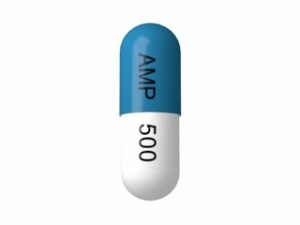
Augmentin® (Amoxicillin / Clavulanate) — Patient Guide (Australia)
Augmentin® is an antibiotic medicine used to treat certain bacterial infections. It combines two active ingredients: amoxicillin and clavulanate. Together, they help kill bacteria and overcome some bacterial resistance mechanisms. This guide explains how Augmentin works, what it’s used for, how to take it safely, and what to consider regarding food, alcohol, interactions, and side effects.
Important: This information is general and may not replace advice from a healthcare professional. Always read the consumer medicine information (CMI) supplied with your product and follow the instructions given with your medicine.
1) Basic product information
| Brand / Generic | Active ingredients | Common forms | Typical presentation (examples) |
|---|---|---|---|
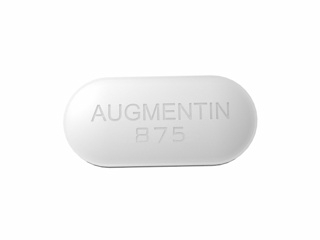
| Augmentin® | Amoxicillin + Clavulanate | Tablets, oral suspension (liquid) | Different strengths are available (e.g., 400/57 mg per 5 mL suspension for children) |
| Generic equivalents | Amoxicillin / clavulanate | Similar forms (strengths vary) | May be available under different brand names |
Strengths and dosing schedules vary by indication, age, weight (especially in children), kidney function, and local prescribing practices. Always confirm the exact strength printed on your pack and follow the dosing schedule provided with your product.
2) How Augmentin works (mechanism of action)
Augmentin contains two medicines:
- Amoxicillin: a penicillin-type antibiotic that kills bacteria by interfering with bacterial cell-wall formation.
- Clavulanate: a beta-lactamase inhibitor. Many bacteria produce enzymes called beta-lactamases that can break down amoxicillin and make it less effective.
By adding clavulanate, Augmentin can remain active against some bacteria that would otherwise resist amoxicillin alone. The combination is therefore useful for a wider range of infections caused by susceptible bacteria.
3) Pharmacokinetics (how the body processes it)
“Pharmacokinetics” describes how a medicine is absorbed, distributed, metabolised, and removed from the body. While individual results can vary, the key points for Augmentin include:
- Absorption: Amoxicillin and clavulanate are absorbed after oral dosing. Taking Augmentin with food can improve tolerability, particularly by reducing gastrointestinal side effects.
- Distribution: Both components distribute throughout body tissues and fluids, with levels varying by tissue and infection site.
- Metabolism: Amoxicillin is partially metabolised; clavulanate is also metabolised to inactive compounds.
- Excretion: The medicines are mainly eliminated by the kidneys (urine). This is why dose adjustments may be necessary in people with reduced kidney function.
- Half-life: The duration of effect depends on kidney function and the specific formulation/strength.
If you have kidney disease, you may be prescribed a different dosing schedule or strength to help keep medicine levels safe.
4) Typical uses (indications) in Australia
Augmentin is used to treat bacterial infections where the bacteria are expected or confirmed to be susceptible. It is not effective against viral infections such as colds or influenza.
Depending on local clinical guidelines, Augmentin may be used for infections such as:
- Sinusitis (bacterial sinus infections, often after viral illness or when symptoms suggest bacterial cause)
- Ear infections (otitis media), particularly in children
- Throat infections due to susceptible bacteria (as determined clinically and/or by testing)
- Dental infections (including some abscesses under appropriate dental management)
- Respiratory tract infections where bacterial infection is suspected
- Skin and soft tissue infections in suitable cases
- Urinary tract infections (UTIs) caused by susceptible organisms (as appropriate)
Choosing an antibiotic involves considering likely bacteria, allergy history, severity of illness, local resistance patterns, and patient factors. If symptoms are severe, worsening, or not improving, prompt medical review is important.
5) When to take Augmentin (timing and schedule)
The most common dosing schedules for Augmentin are twice daily or three times daily, depending on the strength and the infection being treated. Always follow the schedule on your product label and the directions provided to you.
Practical timing tips
- Try to take doses at evenly spaced times (for example, morning and evening for twice daily).
- Use a consistent routine to avoid missed doses.
- Continue the course: stopping early can allow bacteria to survive and may lead to relapse or resistance.
- If you miss a dose: take it when you remember, unless it is close to the next dose. Do not double up. If unsure, contact a healthcare professional or pharmacist.
6) Food interactions (what to eat and drink)
Augmentin is generally better tolerated when taken with food. Food can help reduce nausea and stomach upset.
Recommended approach:
- Take each dose at the start of a meal or with food if possible.
- For nausea-prone patients, taking with meals may improve comfort.
If you are taking Augmentin on an empty stomach and you experience significant stomach discomfort, talk to your pharmacist about taking it with food (unless your specific formulation instructions advise otherwise).
7) Alcohol and medicine interactions
Alcohol
Moderate alcohol consumption is not specifically known to “neutralise” Augmentin’s antibiotic effect. However, alcohol can worsen dehydration, stomach upset, and fatigue—symptoms that may already accompany infection and antibiotic treatment. As a precaution, it’s best to limit or avoid alcohol while you’re unwell and taking antibiotics.
Other common medicine interactions
Augmentin may interact with certain medicines. Not every interaction applies to every person, so always check with a pharmacist if you have a complex medication list.
- Anticoagulants (blood thinners) (e.g., warfarin): antibiotics can affect gut bacteria and vitamin balance, which may influence clotting control in some people. Monitoring may be needed.
- Allopurinol: may increase the risk of skin rash when used with amoxicillin.
- Other antibiotics / antimicrobial combinations: the need for combination therapy depends on the infection. Avoid self-combining antibiotics.
- Oral contraceptives: the main concern is diarrhoea/vomiting potentially reducing absorption. If you have significant diarrhoea or vomiting, consider additional contraceptive precautions and seek advice.
- Probenecid: may reduce kidney clearance of amoxicillin, potentially increasing levels.
- Kidney-related medications: dose adjustment may be needed if kidney function is impaired.
This is not a complete list. Be sure your pharmacist or doctor knows about: all prescription medicines, over-the-counter products, vitamins, herbal supplements, and any recent antibiotics.
8) Dosing (general guidance)
Dosing is individual. Augmentin has multiple strengths and formulations, and dose selection depends on age, weight, infection type, severity, and kidney function.
Key points:
- Adults: dosing is commonly twice daily or three times daily depending on the strength and clinical scenario.
- Children: dosing is usually based on weight (mg/kg) and the specific suspension strength. Parents and carers must measure carefully for liquid formulations.
- Kidney impairment: dose or dosing frequency may need adjustment.
- Do not interchange strengths: “Augmentin” products can come in different concentrations. Using the wrong strength can lead to under- or over-dosing.
Typical dosing patterns (for patient orientation)
The exact regimen must be confirmed on your pack and/or the directions provided by your clinician. Below are general patterns that are commonly seen:
- Adults: often either twice daily or three times daily.
- Children: oral suspension regimens are usually twice daily or three times daily, depending on product strength.
- Course length: commonly several days, but may vary (shorter or longer depending on the infection).
If you want, share the exact strength shown on your label (e.g., “400/57 mg per 5 mL” or a tablet strength) and the dosing instructions you were given, and a pharmacist can help you verify how to take it correctly.
9) Safety profile (side effects and precautions)
Common side effects
Many people tolerate Augmentin well, but side effects can occur. Commonly reported effects include:
- Diarrhoea
- Nausea
- Stomach discomfort
- Headache (less commonly)
- Skin rash (may occur in some people)
Serious side effects — get urgent medical help
Seek urgent medical care if you experience signs of an allergy or severe reaction, such as:
- Swelling of the face, lips, tongue, or throat
- Trouble breathing or wheezing
- Severe or widespread rash, blistering, or peeling skin
- Severe watery diarrhoea or diarrhoea with blood/mucus, or diarrhoea that persists (possible antibiotic-associated colitis)
- Yellowing of the skin/eyes (jaundice) or dark urine, especially with fatigue (possible liver-related effects)
Who should take extra care
- People with penicillin or cephalosporin allergy should avoid Augmentin unless specifically advised by a clinician.
- History of antibiotic-associated diarrhoea or colitis
- Kidney problems (dose adjustment is often required)
- Infectious mononucleosis (glandular fever): amoxicillin can increase rash risk.
- Pregnancy and breastfeeding: many antibiotics can be used when benefits outweigh risks; discuss with a healthcare professional.
If side effects are mild, they may settle as your body adjusts—however, do not ignore severe symptoms. A pharmacist can also advise on supportive care for stomach upset and hydration.
10) Practical use tips (getting the best results safely)
Finishing the course
To improve your chances of recovery and reduce the risk of resistance, take Augmentin exactly as directed and complete the full course unless you are told to stop.
Managing stomach upset
- Take with food to reduce nausea.
- Drink fluids regularly.
- If diarrhoea occurs, monitor severity and hydration.
- Avoid anti-diarrhoeal medicines unless advised, particularly if diarrhoea is severe or bloody.
Liquid (oral suspension) care
If you’re using a liquid formulation, correct reconstitution and measurement are critical.
- Use the dosing syringe/measure provided (kitchen spoons aren’t accurate).
- Shake well if the label instructs to do so.
- Store according to the pack instructions and note any “discard after” date once prepared.
Missed doses
If you miss a dose, take it as soon as you remember. If it is almost time for the next dose, skip the missed dose. Do not take two doses at once to catch up.
11) Alternative antibiotic options (what clinicians may consider)
Alternatives depend on the likely bacteria, infection site, severity, and your allergy history. Clinicians may consider other antibiotics or strategies such as watchful waiting when appropriate. Common alternatives (not interchangeable) can include:
- Other penicillins (e.g., amoxicillin alone in some situations)
- Cephalosporins (where appropriate)
- Macrolides (e.g., for certain respiratory or throat infections in selected patients)
- Doxycycline (in some adult cases and specific infections)
- Topical or procedural treatments for skin infections or dental problems, sometimes combined with systemic therapy
If you have previously reacted to Augmentin or any antibiotics, mention this early when discussing treatment options.
12) Australia market and legal context (general overview)
In Australia, antibiotics like Augmentin are regulated medicines and may be supplied only under the relevant health and medicines framework. Availability can vary by strength and formulation, and supply practices are designed to support appropriate use.
Antibiotic stewardship is strongly encouraged. This helps reduce the spread of antibiotic resistance and improves treatment outcomes.
Antibiotic stewardship in Australia
- Antibiotics should be used when bacterial infection is likely.
- Prescribers aim for the narrowest effective antibiotic and appropriate course length.
- Patients are encouraged to take medicines exactly as directed and not share antibiotics.
13) Recent guidance and practical updates (patient-relevant)
While individual recommendations vary by infection type and evolving evidence, recent overall directions commonly emphasise:
- Avoid using antibiotics for viral illnesses (e.g., most colds)
- Use appropriate first-line options where recommended based on local guidelines
- Review treatment if not improving after a short period
- Take with food to improve tolerability where applicable
- Monitor for side effects, including diarrhoea
If you feel significantly worse, develop a rash, or don’t improve after a couple of days (or as advised), seek medical advice promptly.
14) Delivery, availability, and packaging (online pharmacy information)
Augmentin availability may depend on the specific strength and formulation (tablets vs oral suspension). Online pharmacies in Australia typically offer delivery within standard courier timeframes. Availability can change due to supply, demand, or formulation-specific stock levels.
What to expect when ordering
- Check the strength and formulation before completing your order.
- Confirm quantity and dosing schedule to ensure the pack size matches your course length.
- Storage instructions: tablets are generally stable at room temperature; liquid products may have specific storage requirements.
- Delivery updates: you’ll typically receive tracking once dispatched.
If you have missed a delivery or the product is damaged, contact the online pharmacy’s customer service for guidance.
15) FAQ — Common questions about Augmentin
Can I take Augmentin with food?
Yes. Augmentin is generally recommended to be taken with food to improve tolerability and reduce the likelihood of stomach upset.
How long does it take to start working?
Many people begin to feel better within 24–48 hours, depending on the infection. If you have no improvement after a short period, or if symptoms worsen, seek medical advice.
What if I forget a dose?
Take the missed dose when you remember, unless it is close to the next dose. Do not take double the dose. If you’re unsure, ask your pharmacist.
Is Augmentin effective for colds or flu?
No. Colds and flu are usually caused by viruses. Augmentin treats bacterial infections, not viral illnesses.
Can I drink alcohol while taking Augmentin?
It’s safest to avoid or limit alcohol while you’re unwell. Alcohol can worsen dehydration and may increase stomach upset. There is no single rule for everyone, but minimising alcohol is a prudent approach.
Does Augmentin interact with warfarin?
It can. Some antibiotics affect clotting control. If you’re taking warfarin, you may require closer monitoring during treatment.
What should I do if I get diarrhoea?
Mild diarrhoea can happen. However, contact a healthcare professional promptly if diarrhoea is severe, persists, or contains blood/mucus, or if you develop fever or significant abdominal pain.
Can children take Augmentin?
Yes, in appropriate circumstances. Dosing for children depends on weight and the exact suspension/tablet strength. Careful measurement is essential.
Can Augmentin cause a rash?
Skin rash can occur. Seek urgent advice if the rash is severe, blistering, widespread, or accompanied by breathing difficulties. Mild rashes should still be discussed with a clinician.
Is it safe to stop Augmentin early if I feel better?
Ideally, you should complete the course unless a clinician tells you to stop. Stopping early can allow infection to return and may contribute to antibiotic resistance.
What if I’m allergic to penicillin?
Augmentin contains a penicillin-type antibiotic. If you have a history of penicillin allergy, speak to a pharmacist or doctor before using it. Alternative treatments may be needed.
Summary
Augmentin® (amoxicillin/clavulanate) is an antibiotic combination used to treat certain bacterial infections. It works by combining amoxicillin’s cell-wall killing effect with clavulanate’s ability to inhibit beta-lactamase enzymes. Taking it with food can improve tolerability, and following the prescribed schedule helps ensure effectiveness. If you experience severe side effects—especially signs of allergy or significant diarrhoea—seek prompt medical attention.